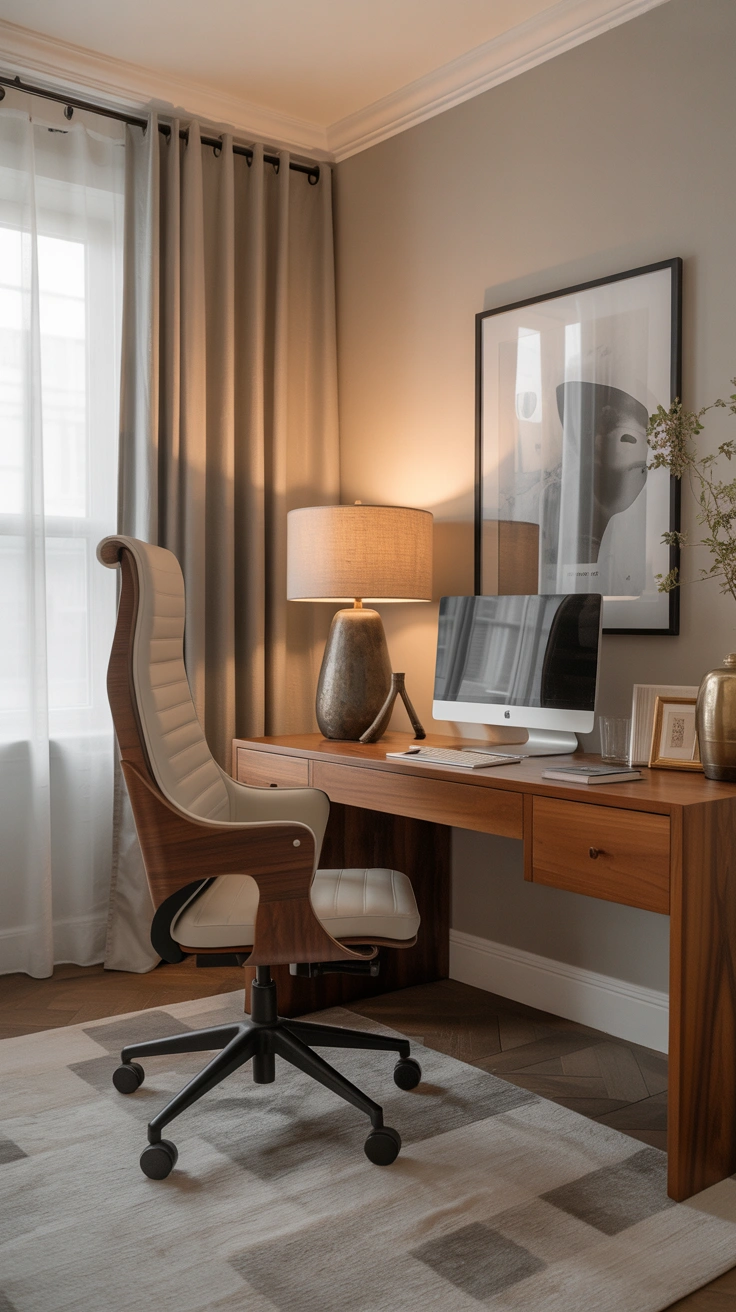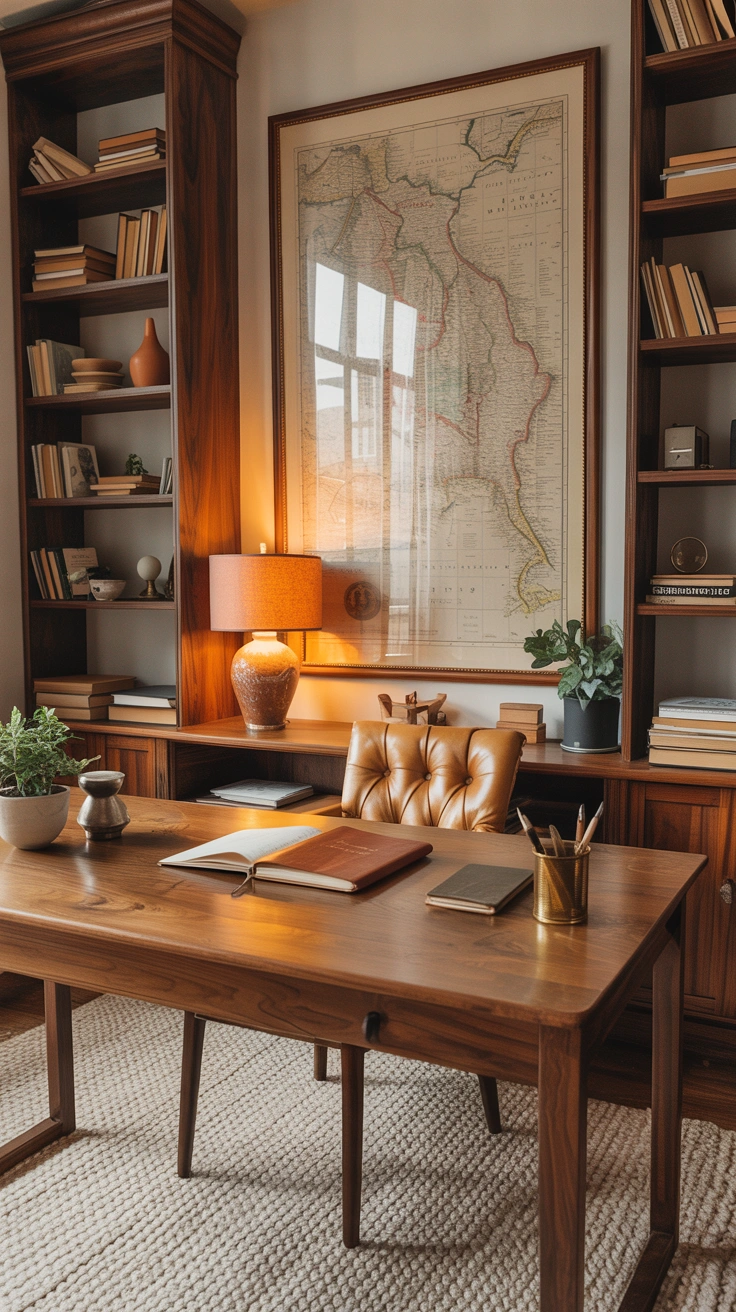
16 Home Office Guest Room Ideas That Make One Room Work Twice as Hard
Need a desk and a guest bed in the exact same room? You are definitely not alone. This dual-purpose space trips up so many people because it tends to end up looking like two unrelated rooms shoved together rather than one cohesive design — a desk on one side, a bed on the other, and absolutely no relationship between them. I redid mine three times before finding a layout that actually worked for both jobs without feeling like a compromise, and these 16 ideas are everything that finally clicked.
1. Choose a Daybed Over a Standard Bed
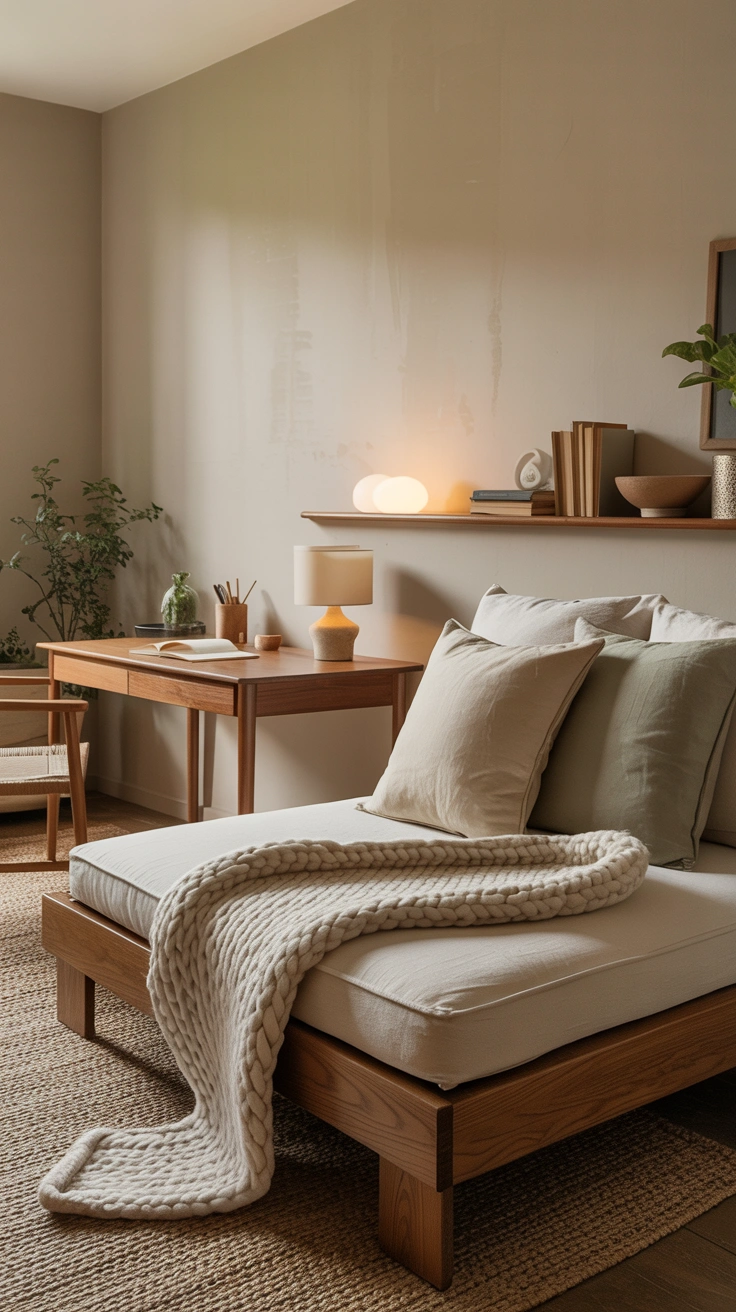
A daybed reads as a sofa during the day and converts to a real bed at night, which solves the biggest visual problem in any shared office-guest room. Look for one with a simple frame in a warm wood or upholstered finish so it blends naturally with the desk furniture nearby rather than looking like a leftover bedroom piece.
Add a few cushions and a folded throw in tones that match your office palette and the daybed disappears into the room’s overall design. Guests still get a genuinely comfortable place to sleep, but the rest of the time it functions as a proper seating piece you would not be embarrassed to have on a video call in the background.
2. Try a Murphy Bed With Built-In Desk
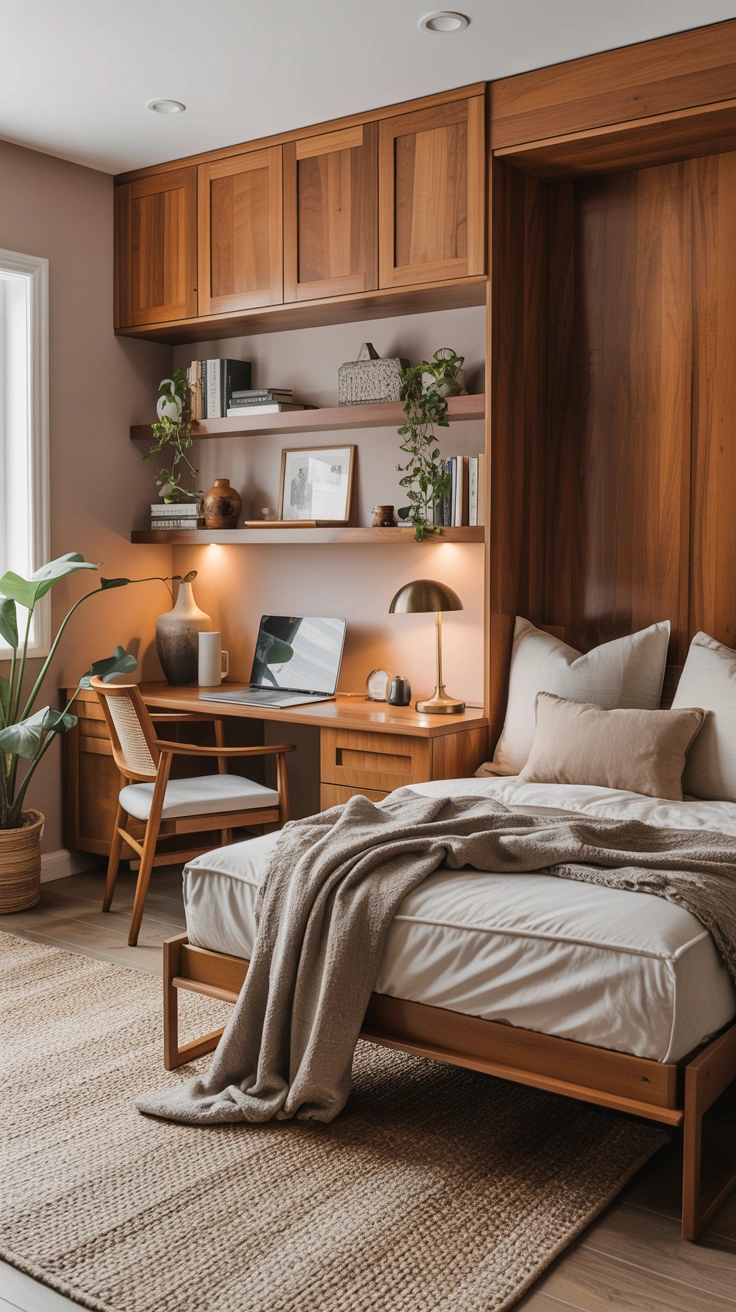
A wall-mounted Murphy bed with an attached desk on the underside is the single most efficient solution available for small dual-purpose rooms. Fold the bed up in the morning and you get a full, dedicated office with a proper desk and nothing else competing for floor space. Fold it down at night and the desk disappears entirely, leaving a complete guest bedroom behind.
This setup costs more upfront than most of the other ideas on this list, but it solves the space problem completely rather than simply disguising it. For genuinely small rooms where every square foot matters, this is usually the option that delivers the most functional payoff for the investment.
3. Use a Room Divider to Separate Zones
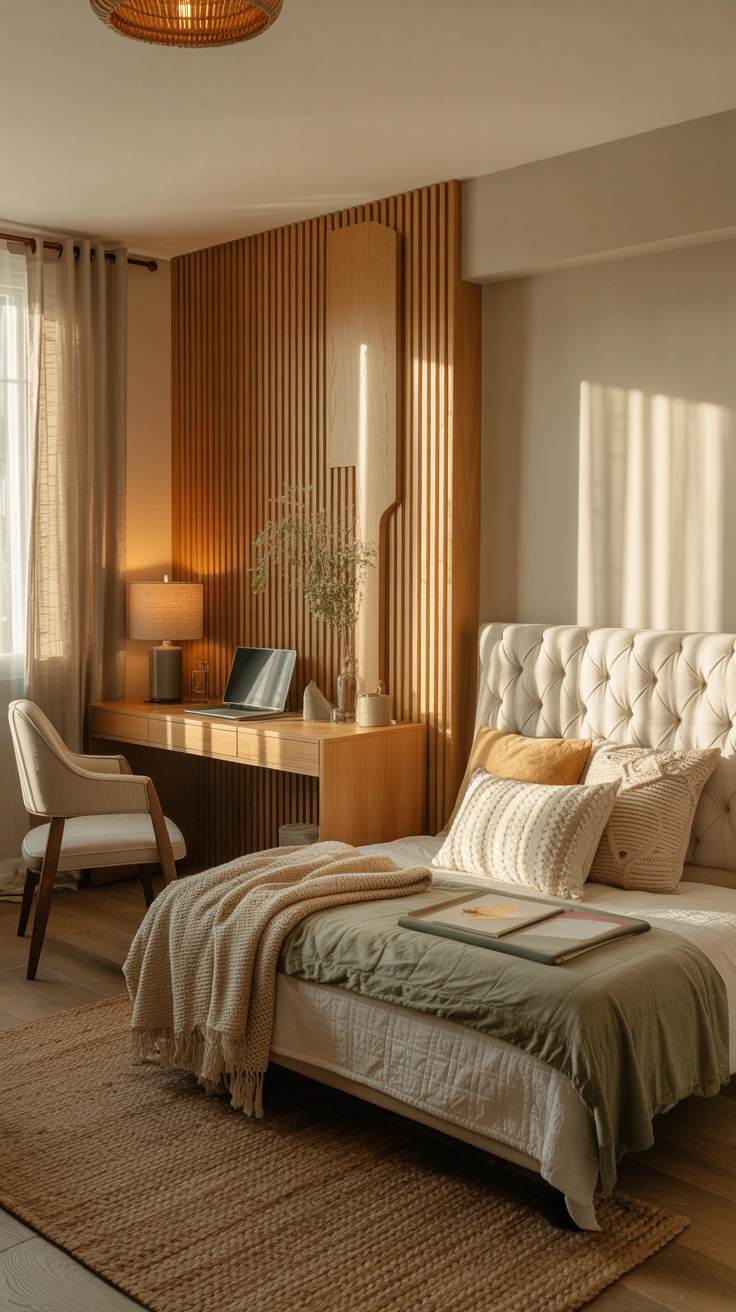
A folding screen, a slatted wood panel, or a simple curtain on a ceiling track creates a visual and physical boundary between the work zone and the sleep zone. Guests get a sense of privacy and enclosure rather than sleeping in the middle of someone else’s office, and you get a workspace that feels genuinely separate even within a single room.
FYI — a divider also does something psychological that is easy to underestimate. Walking around or through it signals a shift from work mode to rest mode, even in a tiny apartment where the two zones are only a few feet apart. That small ritual of moving from one side to the other helps the room function as two distinct spaces in your head, not just on paper.
4. Pick a Desk That Doubles as a Console
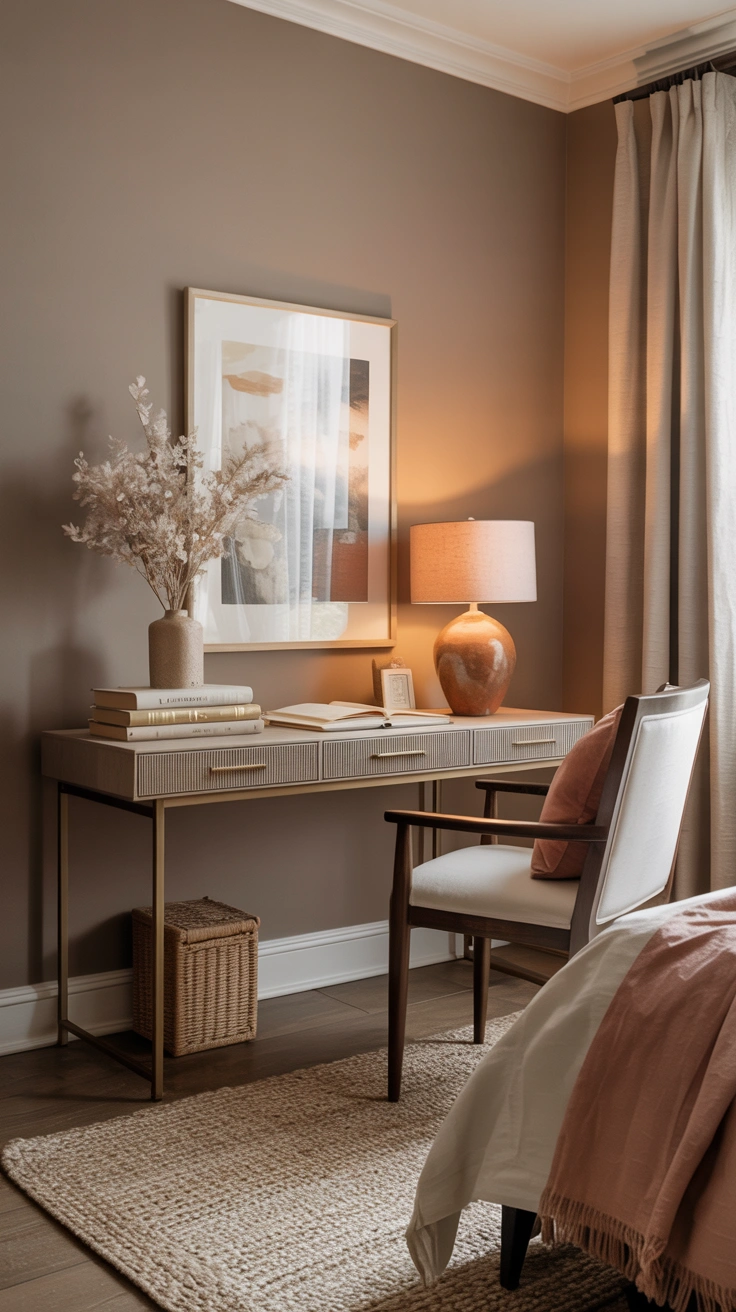
A slim console-style desk pushed against the wall looks like a genuine piece of furniture rather than an obvious office fixture, which keeps the room feeling like a proper guest space even when no one is actively working in it. Choose one with drawers or a closed cabinet section to hide cables, chargers, and loose paperwork completely out of sight.
This is one of the easiest single swaps for making the room feel hospitable rather than purely functional. A console desk with a lamp and a small stack of books on top reads as bedroom furniture. The same desk piled with monitors and cable clutter reads as an office that happens to have a bed in it.
5. Keep the Color Palette Identical Throughout
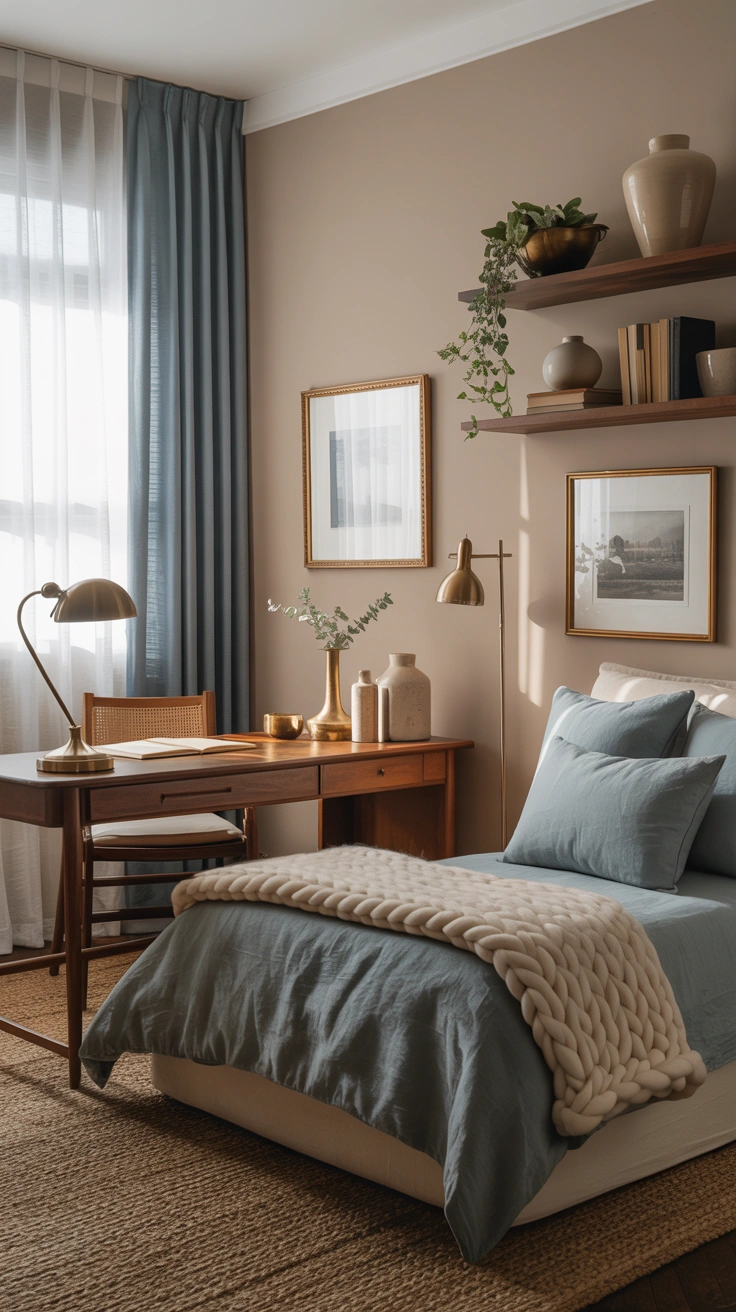
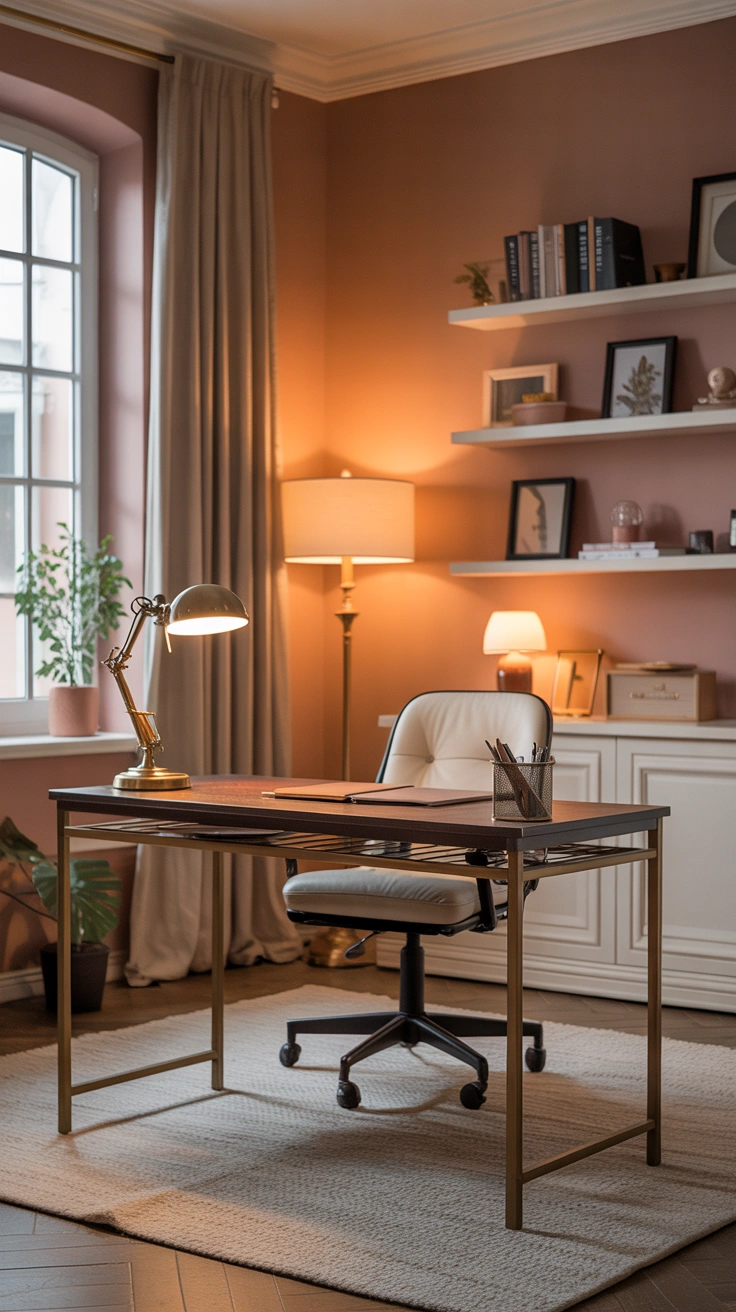
Splitting the room into “office colors” on one side and “bedroom colors” on the other is exactly what makes these dual-purpose spaces feel disjointed and unfinished. Stick to one cohesive palette across both zones — the same wall color, the same metal finishes on hardware and lighting, the same general tone running through textiles — and the whole room reads as one considered space instead of two competing ones stitched together.
Warm neutrals with a single accent color tend to work the most reliably here, since they flatter both a focused workday and a relaxed overnight stay. Think warm white walls with brass accents throughout, or soft greige paired consistently with matte black fixtures on both the desk side and the bed side.
6. Add Blackout Curtains for Guest Comfort
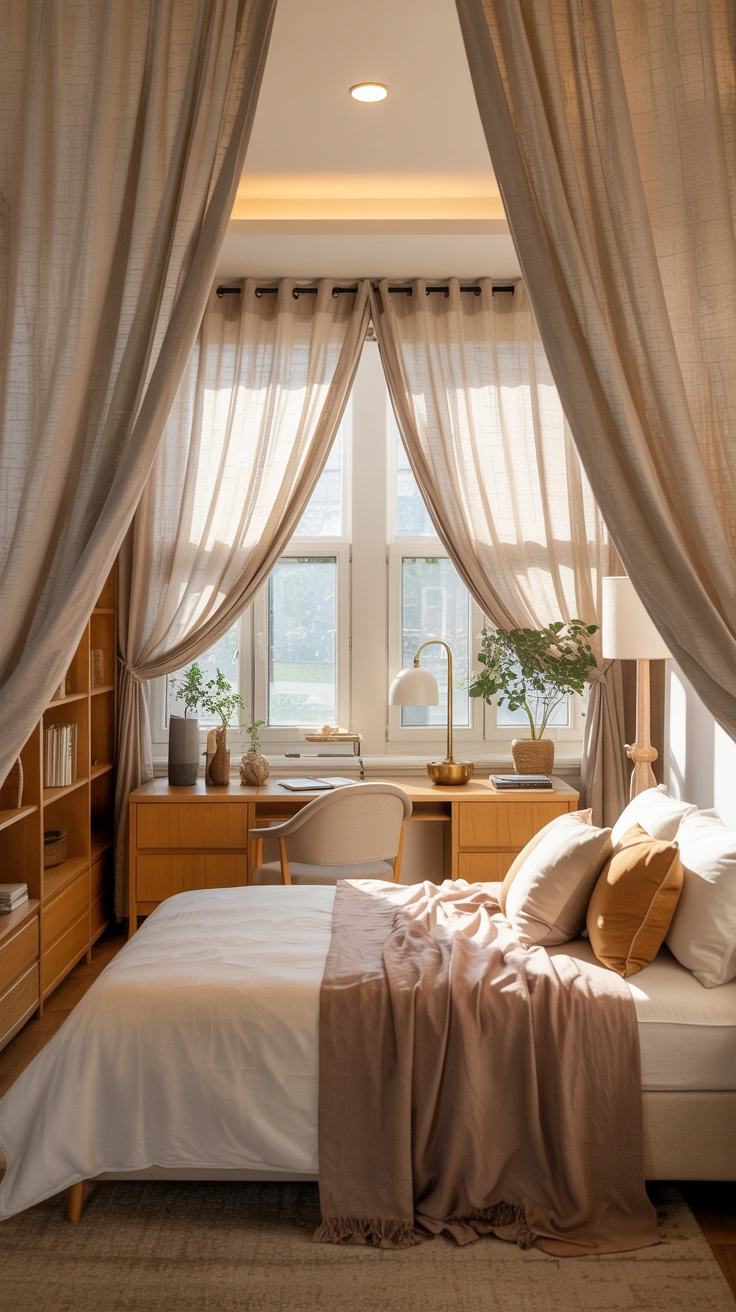
Your desk setup might genuinely benefit from bright natural light pouring in during the morning, but a guest trying to sleep in past sunrise will not thank you for that same light flooding the room at six in the morning. Blackout curtains, or a blackout lining tucked behind a lighter decorative curtain, solve this tension without sacrificing the room’s daytime style.
Layer a sheer panel underneath the blackout layer for soft, filtered light during your actual working hours, then close the heavier layer at night or whenever guests are staying. This two-layer approach gives you full control over the room’s lighting depending on which function it is currently serving.
7. Choose a Nightstand That Works as Desk Storage
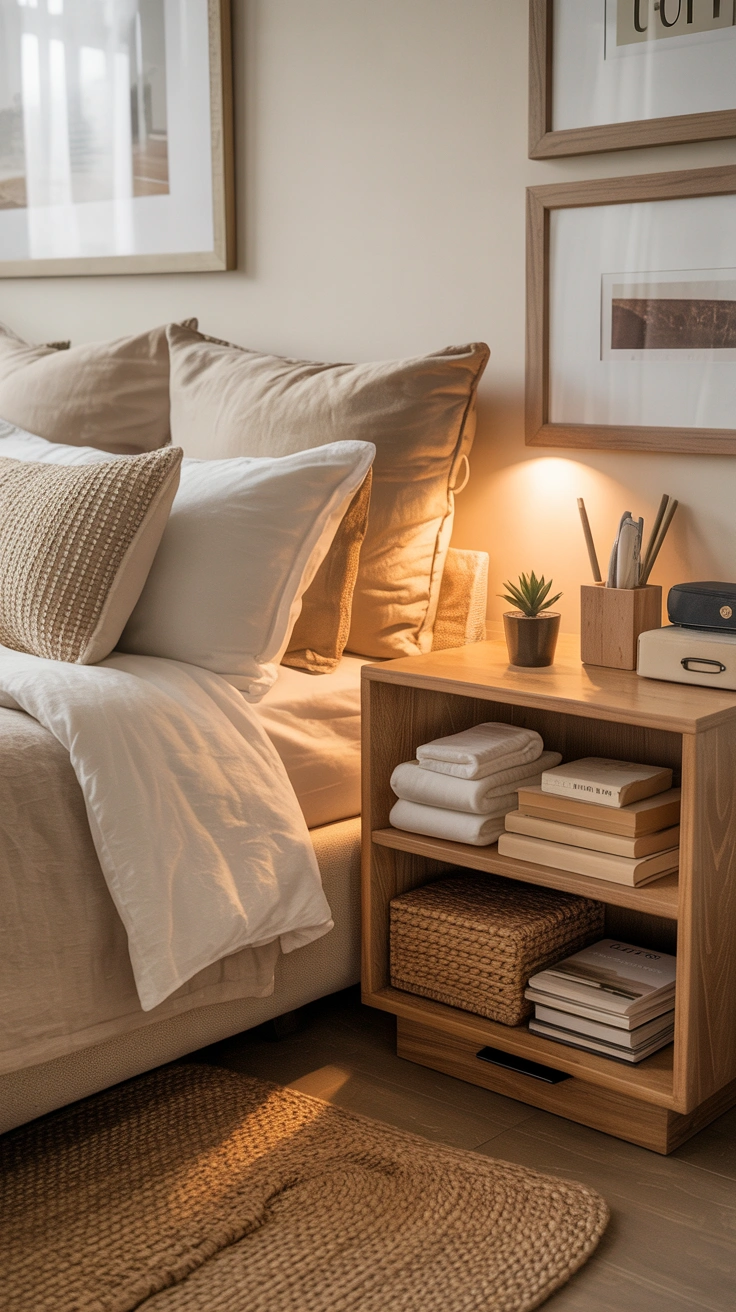
A small nightstand positioned beside the daybed can quietly double as extra desk storage during the day — holding pens, notebooks, a spare charger, or a small stack of files — and switch back to its expected role holding a lamp and a glass of water the moment guests arrive. Pick one with at least one drawer and an open shelf so it genuinely earns its place in both roles rather than just sitting there decoratively.
This is a small piece of furniture, but it solves a surprising amount of the dual-purpose puzzle on its own. It gives your desk supplies a home that does not clutter the work surface, while still looking completely at home beside a guest bed.
8. Mount a Fold-Down Desk for Maximum Flexibility
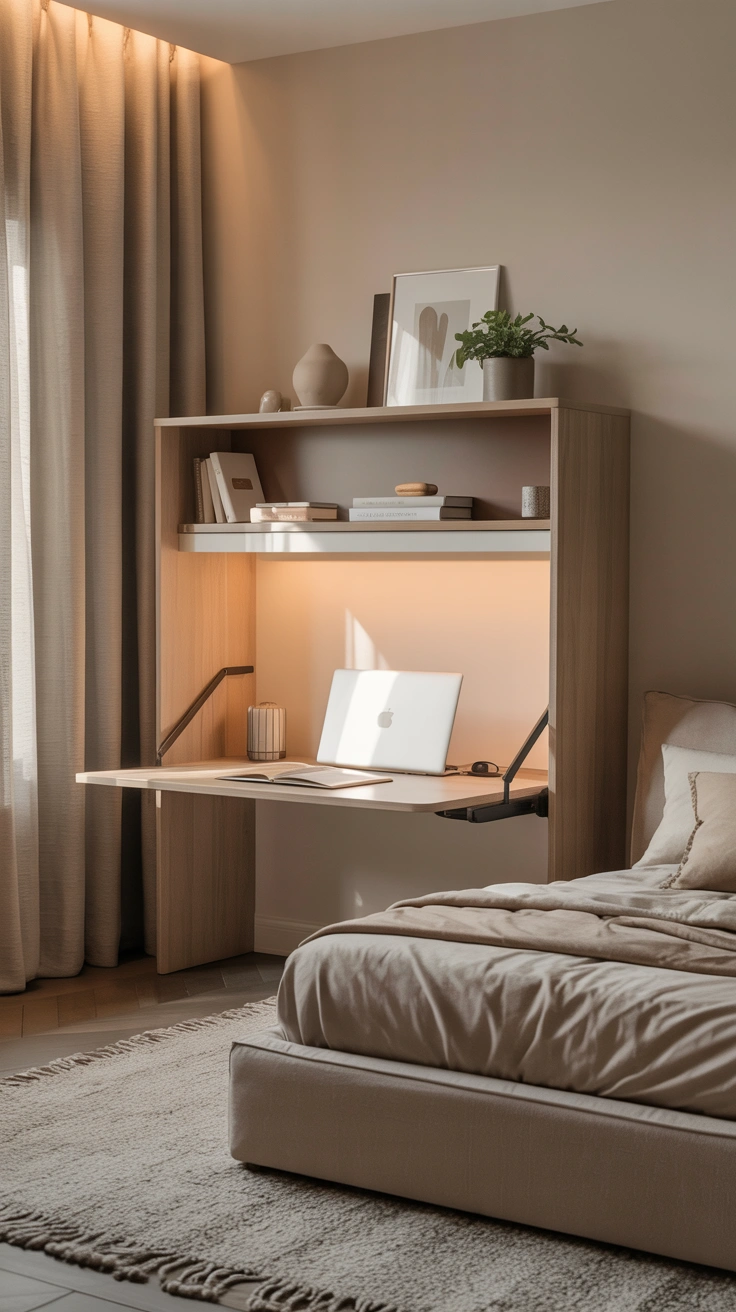
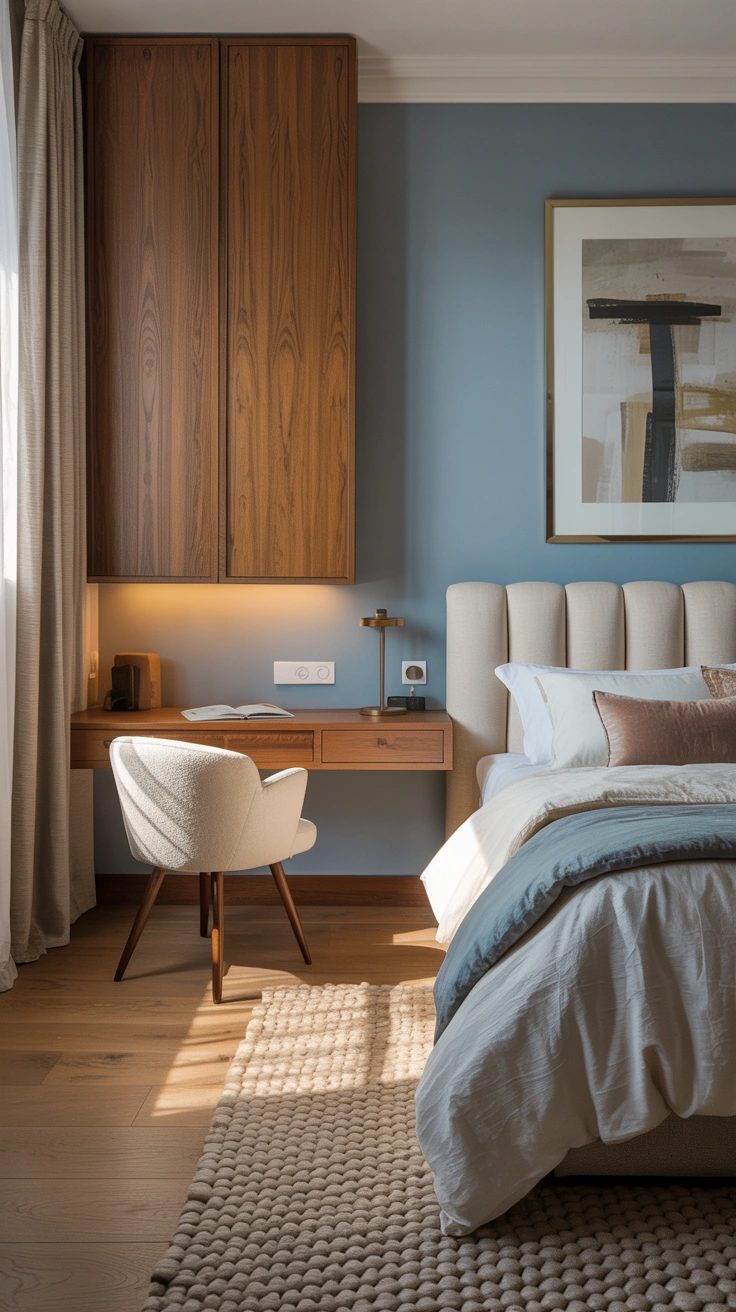
A wall-mounted fold-down desk takes up zero floor space when it is not in use, which matters enormously in a room that already needs to accommodate a bed comfortably. Fold it flat against the wall whenever guests stay over and the room instantly reads as a proper bedroom again, with no desk in sight to suggest otherwise.
Pair it with a simple floating shelf mounted above for a complete mini office setup that disappears in seconds. This combination works particularly well in genuinely tight rooms where a permanent desk footprint would make the space feel cramped the rest of the time.
9. Style the Closet as Office Storage
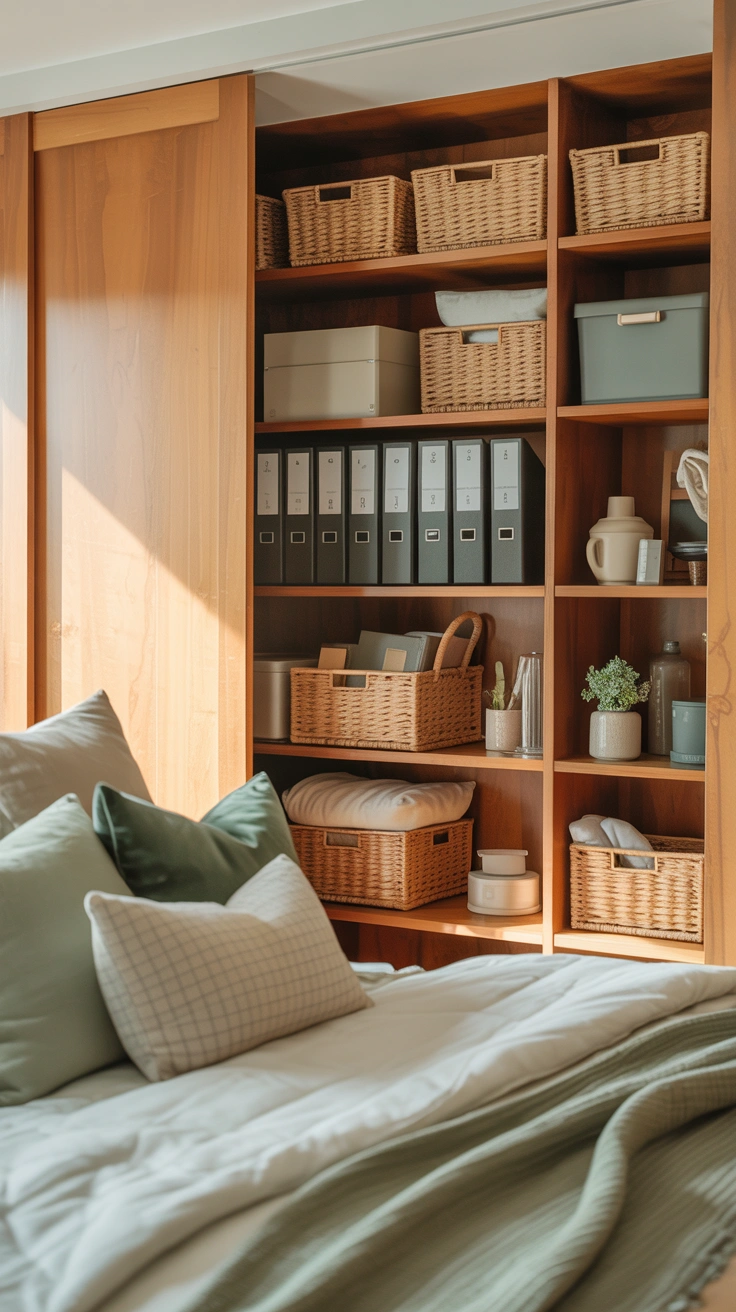
If the room has a closet, dedicate at least part of it to office supplies, files, and equipment rather than leaving the entire space for guest clothing storage that sits empty most of the year. A few labeled bins, a small filing system, and a shelf reserved for printer paper and supplies keep everything contained and completely out of sight when guests do arrive.
IMO, this is the most overlooked storage opportunity in any shared office-guest room. People remember to think about the bed and the desk, but the closet often gets ignored entirely, even though it is usually the single largest storage volume in the whole room.
10. Add a Comfortable Reading Chair
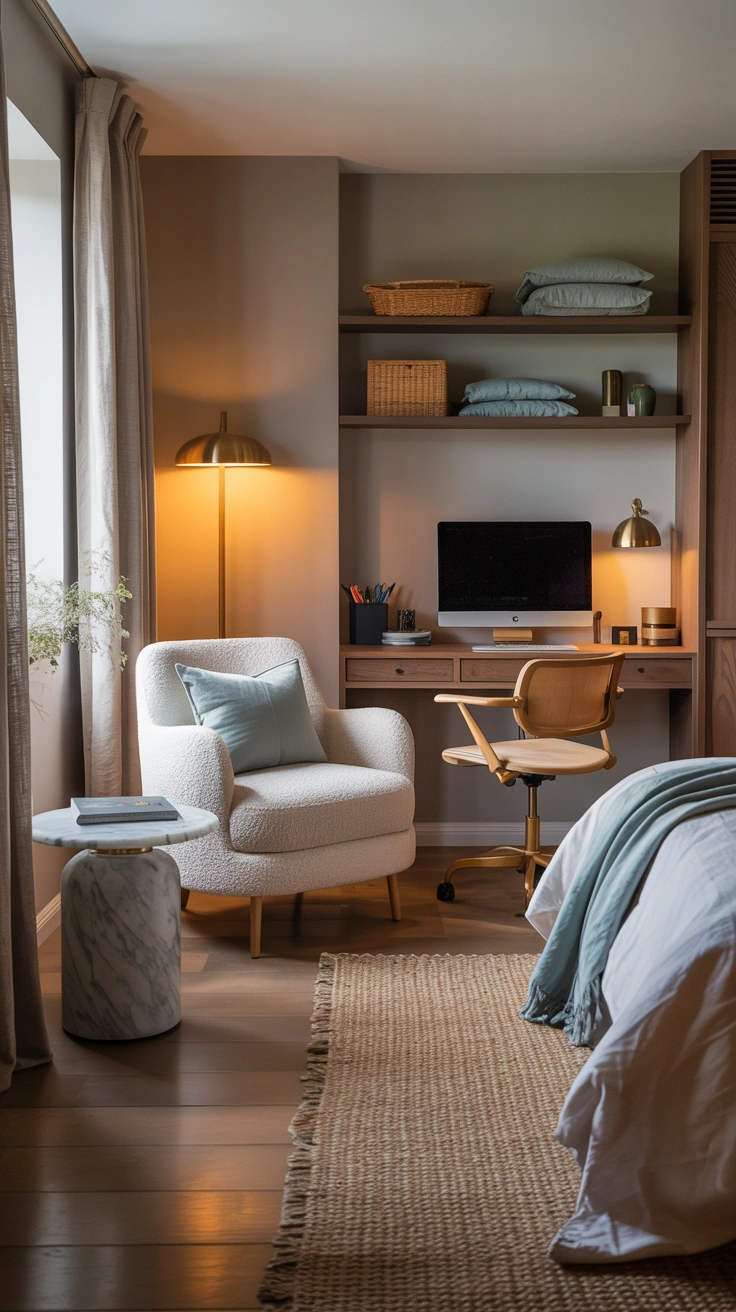
A single accent chair placed in the corner works double duty in a way that very few other furniture pieces manage. It becomes a spot for guests to sit and unpack their bag or put on their shoes, and during work hours it doubles as a thinking chair away from the desk for reading or planning. Choose a fabric that ties into the room’s existing textiles so it never looks like a stray piece dragged in from another room.
This small addition genuinely makes the room feel finished rather than purely transactional. A room with just a desk and a bed feels like two functions crammed together. The same room with a chair added feels like an actual space someone lives in or stays in comfortably.
11. Use a Paint Detail to Define the Office Corner
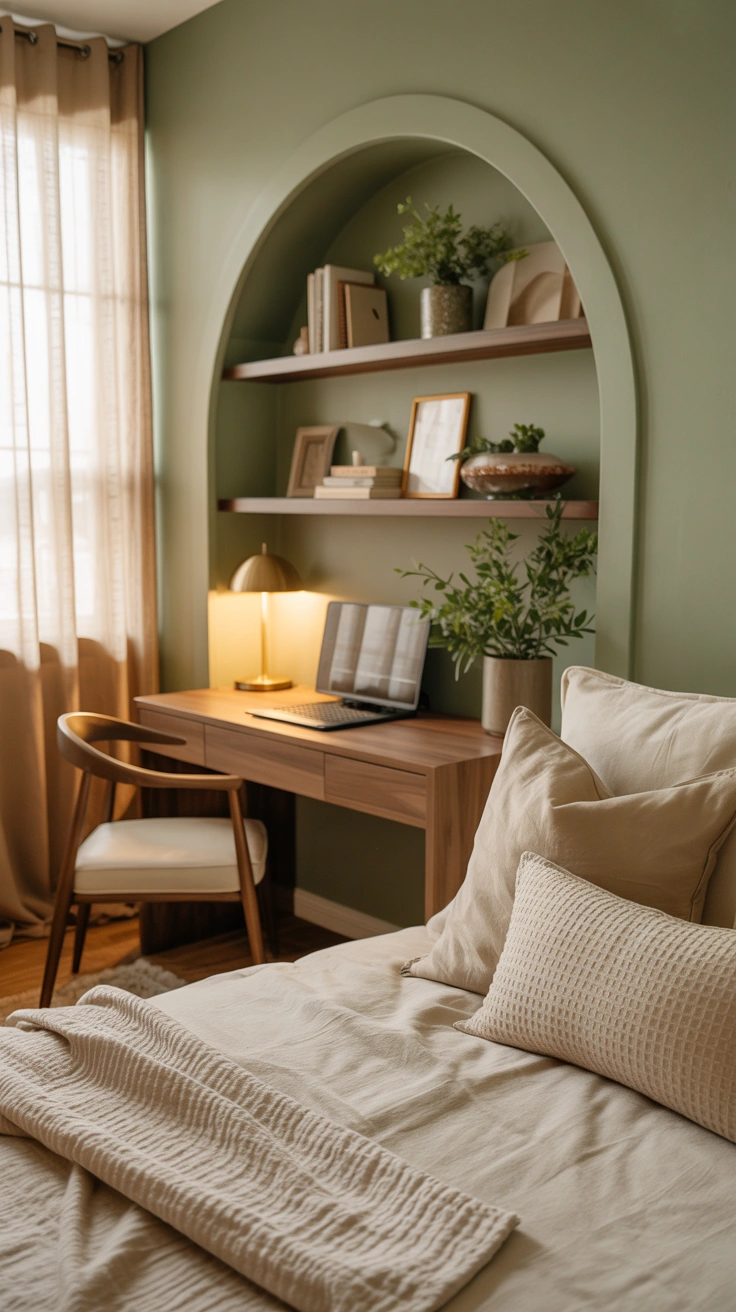
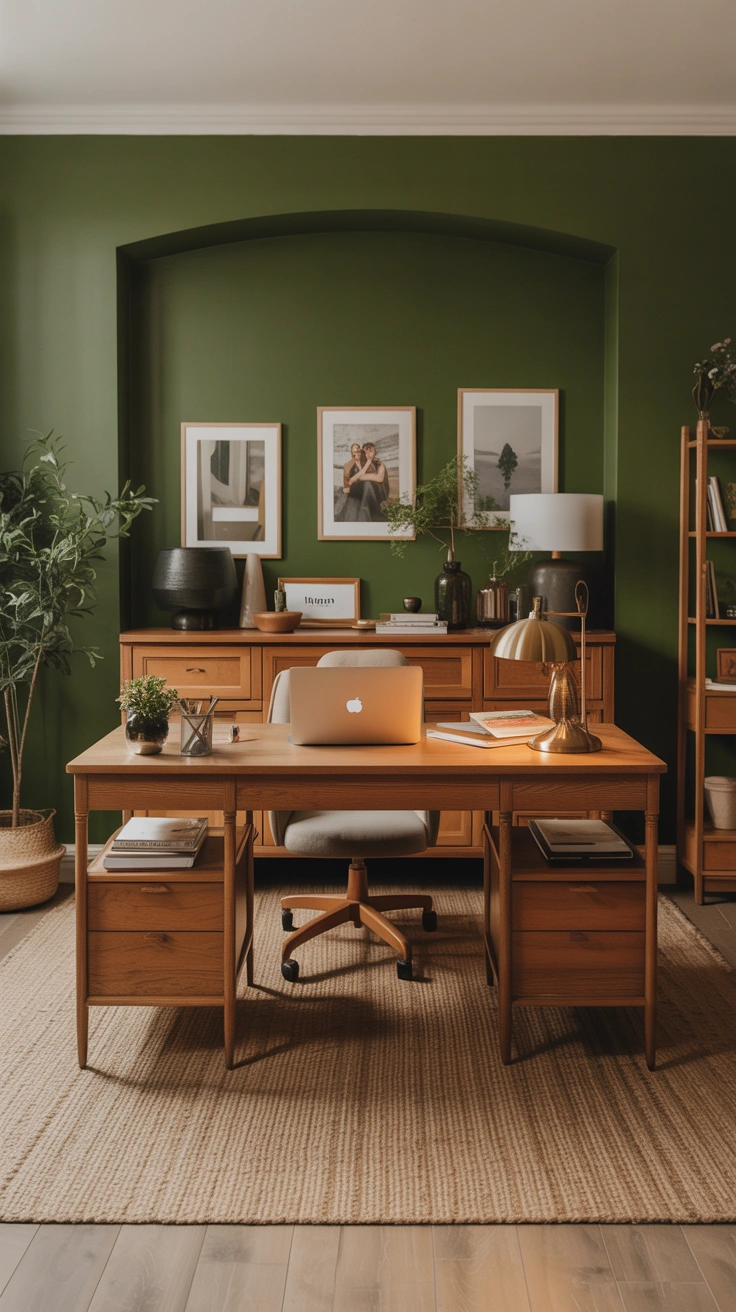
Painting a section of the wall, or even just the area directly behind the desk, a slightly different tone than the rest of the room creates a subtle zoning effect without needing a physical divider or any structural change. It signals “this is the work area” architecturally, even in a fully open room where the bed and desk share the same four walls.
A soft sage or warm clay accent behind the desk corner works particularly well against neutral walls elsewhere in the room. This approach also looks intentional from a guest’s perspective rather than makeshift — it reads as a deliberate design choice rather than evidence that two rooms got squeezed into one.
12. Keep a Guest Basket Ready and Visible
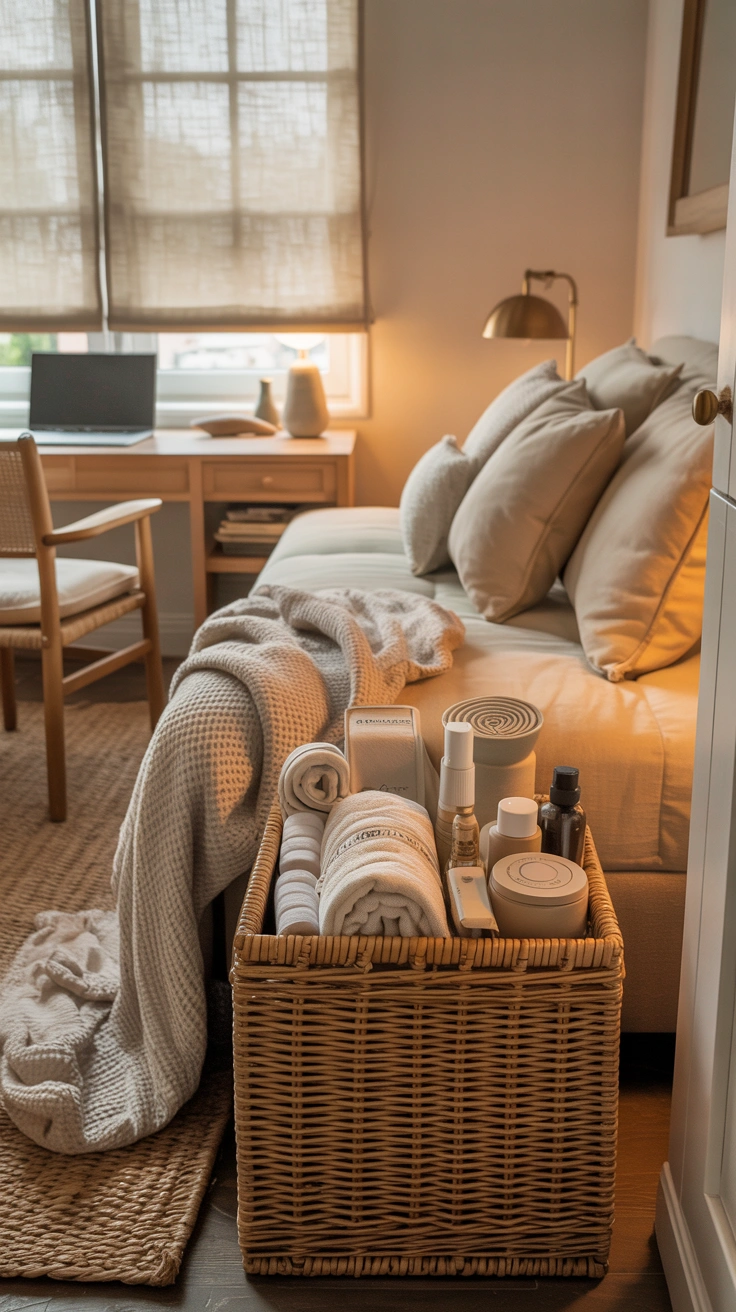
A small woven basket on a shelf or nightstand, stocked with a spare toothbrush, a phone charger, and a couple of basic toiletries, tells guests this room was genuinely thought through for them rather than repurposed at the last minute before they arrived. Keep it positioned near the daybed so it is easy to spot the moment someone walks in.
This costs almost nothing to put together and makes an outsized difference to how welcome guests actually feel staying in what is clearly also your workspace. It is the kind of small, thoughtful detail that people remember and mention afterward.
13. Choose Art That Works for Both Functions
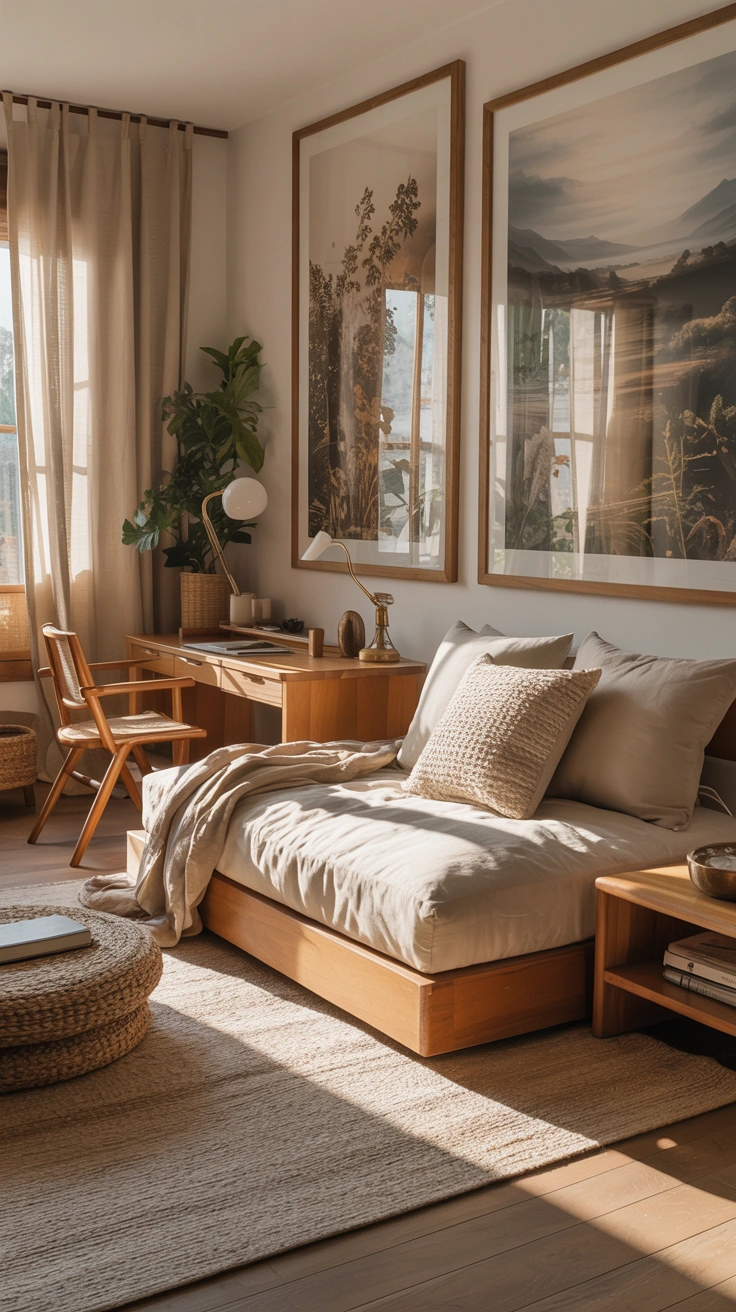
Motivational productivity prints and oversized deadline calendars feel distinctly awkward in a room where someone is also trying to relax and sleep. Soft botanical prints, simple line art, or a single calming landscape work comfortably for both a focused workday and a restful overnight stay. Pick pieces that would not feel remotely out of place in either context.
This single decision keeps the wall decor from telegraphing “office” the moment a guest walks through the door, while still giving you something pleasant to look at during long stretches at the desk.
14. Add a Floor Lamp Instead of Only a Desk Lamp
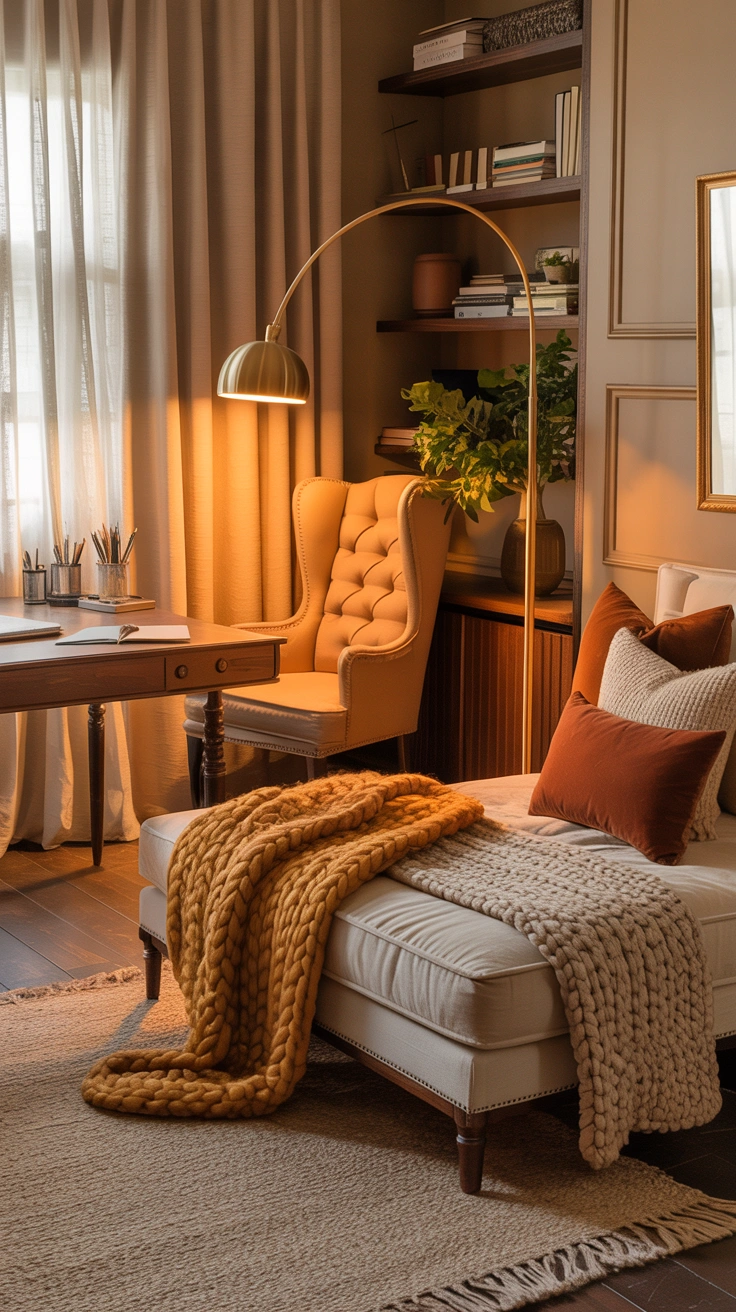
A floor lamp positioned in the corner of the room provides soft ambient light for guests in the evening and doubles as useful secondary task lighting during your working hours. It is one single fixture quietly solving two completely different lighting needs depending on the time of day and who is using the room.
Choose a warm-toned bulb so the room feels genuinely cozy at night for a guest settling in, while still being bright enough to work by during the day without needing every overhead light blazing.
15. Hide Cables and Equipment in a Cabinet
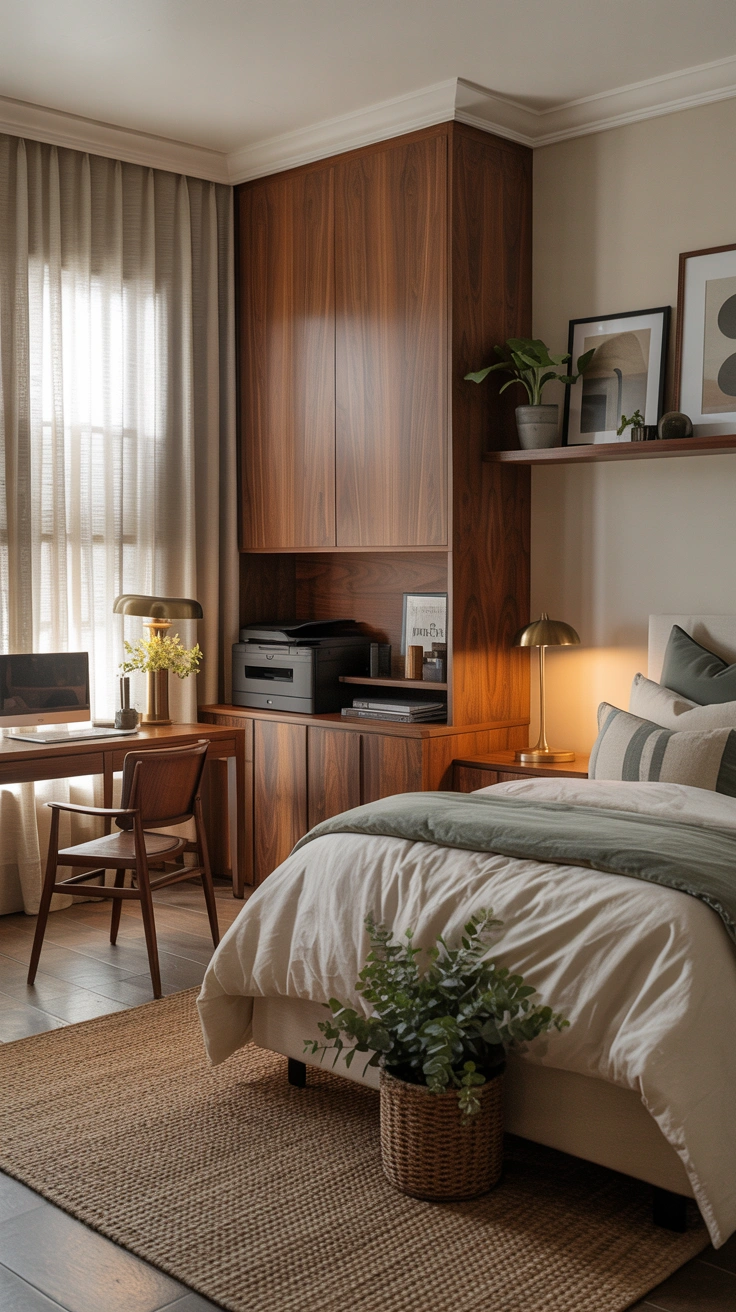
A small cabinet or low credenza with closed doors keeps your monitor cables, printer, and any extra equipment fully out of sight rather than visibly tangled across the floor or desk. Close the doors and the room looks like a guest bedroom with a tidy console rather than a workstation that happens to have a bed crammed in beside it.
This single piece of furniture does more for the room’s dual identity than almost anything else on this list, simply because cable clutter is the fastest way to make any space look unfinished and obviously functional rather than designed.
16. Set a Daily Reset Routine
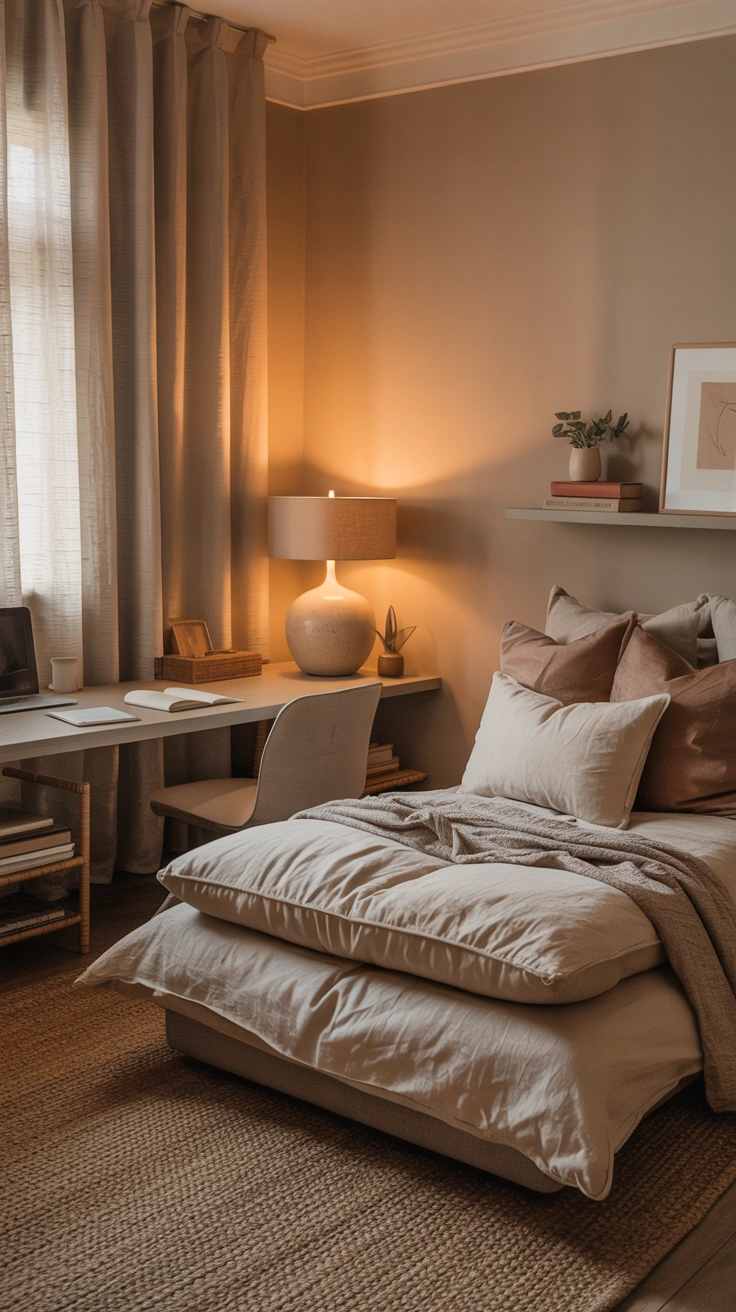
The real secret to a great office-guest room is not a product at all — it is a five-minute habit repeated consistently. Clear the desk surface completely, tuck away any loose cables, and fluff the daybed cushions at the end of each work day before you leave the room. That tiny daily reset keeps the space permanently guest-ready instead of requiring a frantic cleanup scramble the moment someone tells you they are coming to stay.
It is the cheapest, fastest idea on this entire list, and arguably the one that matters most for keeping everything else you have set up actually looking the way it is supposed to look.
Conclusion
Sixteen ideas, one genuinely flexible room — daybeds, dividers, fold-down desks, a cohesive color palette, smart hidden storage, and small thoughtful touches that all work together so your office and your guest room never have to compete for the same square footage. Pick a handful that fit your space and your budget, and build the rest in over time as you go.
Now go make that room earn its keep on both sides of the clock.