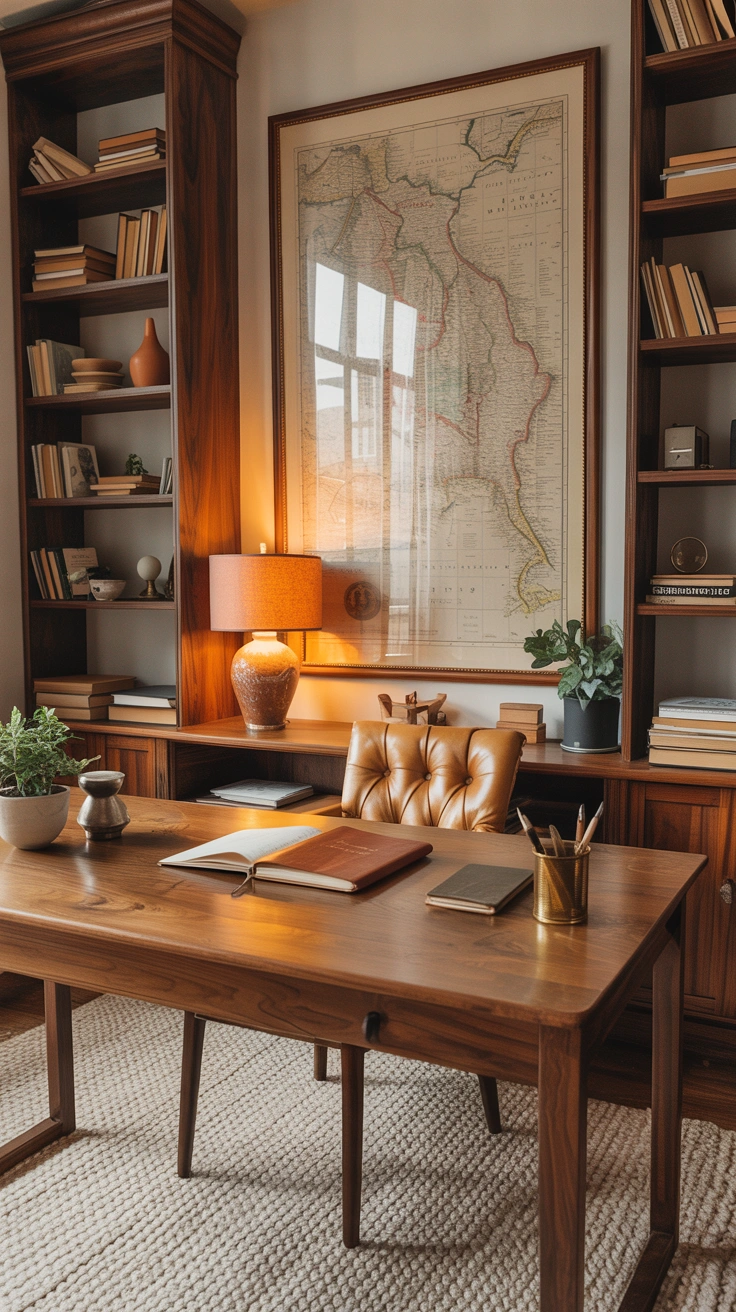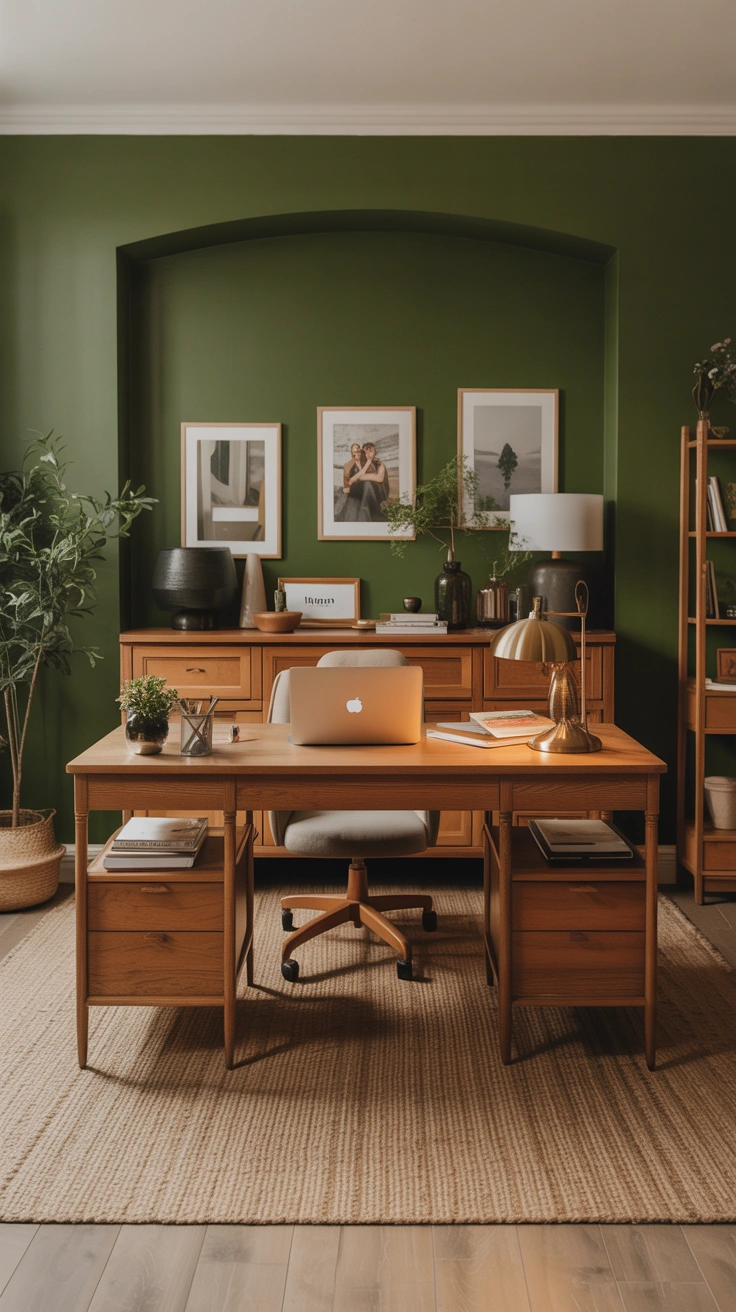
10 How to Set Up Home Office in Bedroom Without Sacrificing Comfort
Working from your bed felt like a fun novelty for about a week, right? Then your back started hurting, your sleep got weirdly tied to your inbox, and suddenly your bedroom stopped feeling like a place to relax. Sound familiar? If you’re short on space and the bedroom is the only option you’ve got for a home office, you are absolutely not alone in this struggle.
I spent the better part of a year working from a laptop balanced on my knees in bed before I finally admitted the setup was actively making both my work and my sleep worse. Once I committed to actually designing a proper little office corner in my bedroom instead of just tolerating the chaos, everything shifted — better focus during the day, and somehow, better sleep at night too. These 10 tips are exactly how I got there, and they’ll work in a room of almost any size.
1. Pick a Corner Far From the Bed
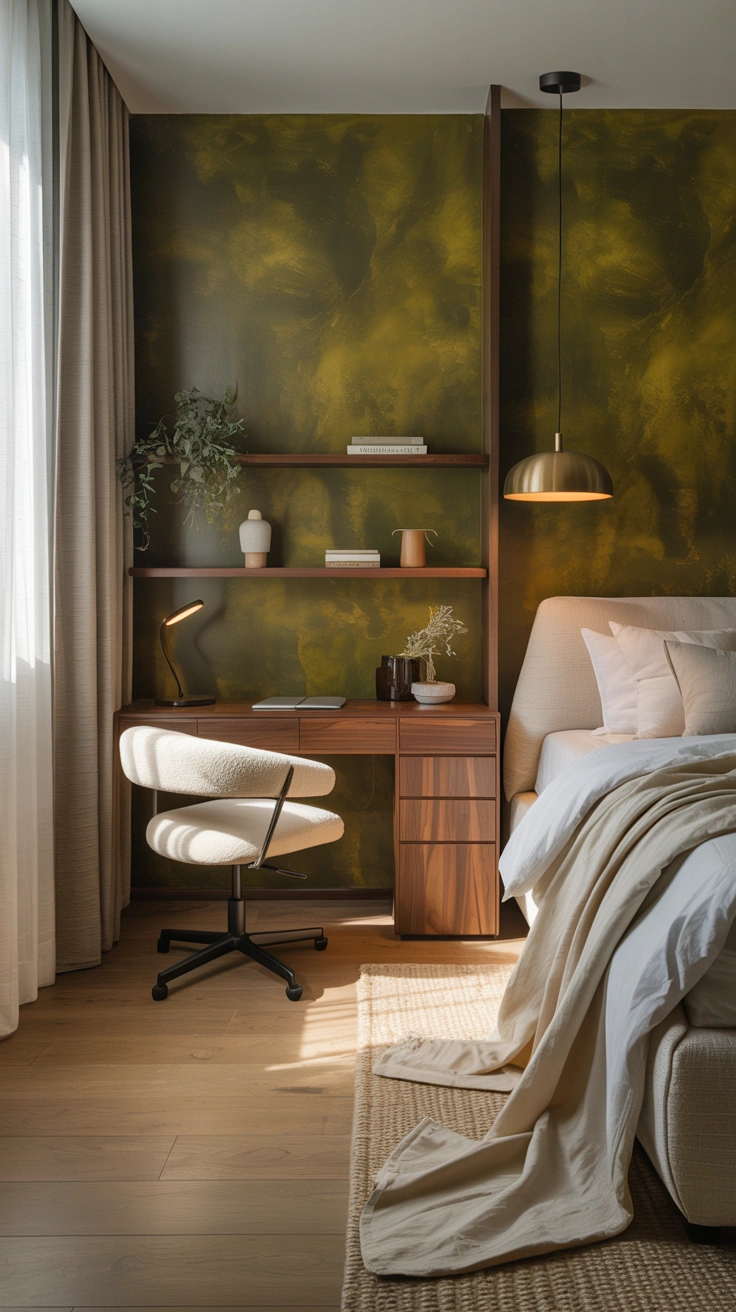
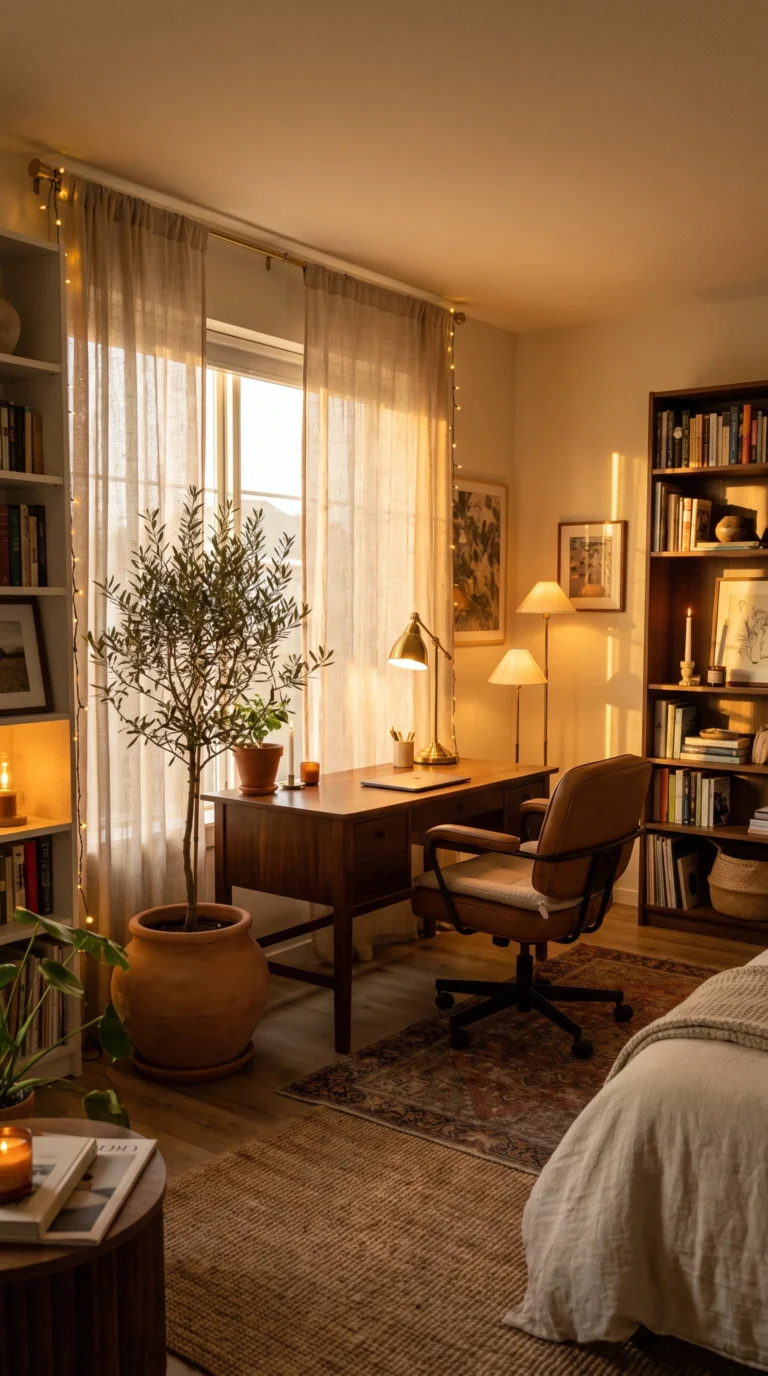
The single most important decision in this whole setup is choosing where your desk actually goes, and “as far from the bed as physically possible” should be your guiding rule. Even a few extra feet of distance helps your brain separate “this is where I work” from “this is where I sleep.”
If your room genuinely doesn’t offer much distance, positioning the desk to face away from the bed — rather than directly toward it — still helps create some psychological separation. You want your eyeline during work hours landing on literally anything other than your pillow.
2. Choose a Compact, Multi-Purpose Desk
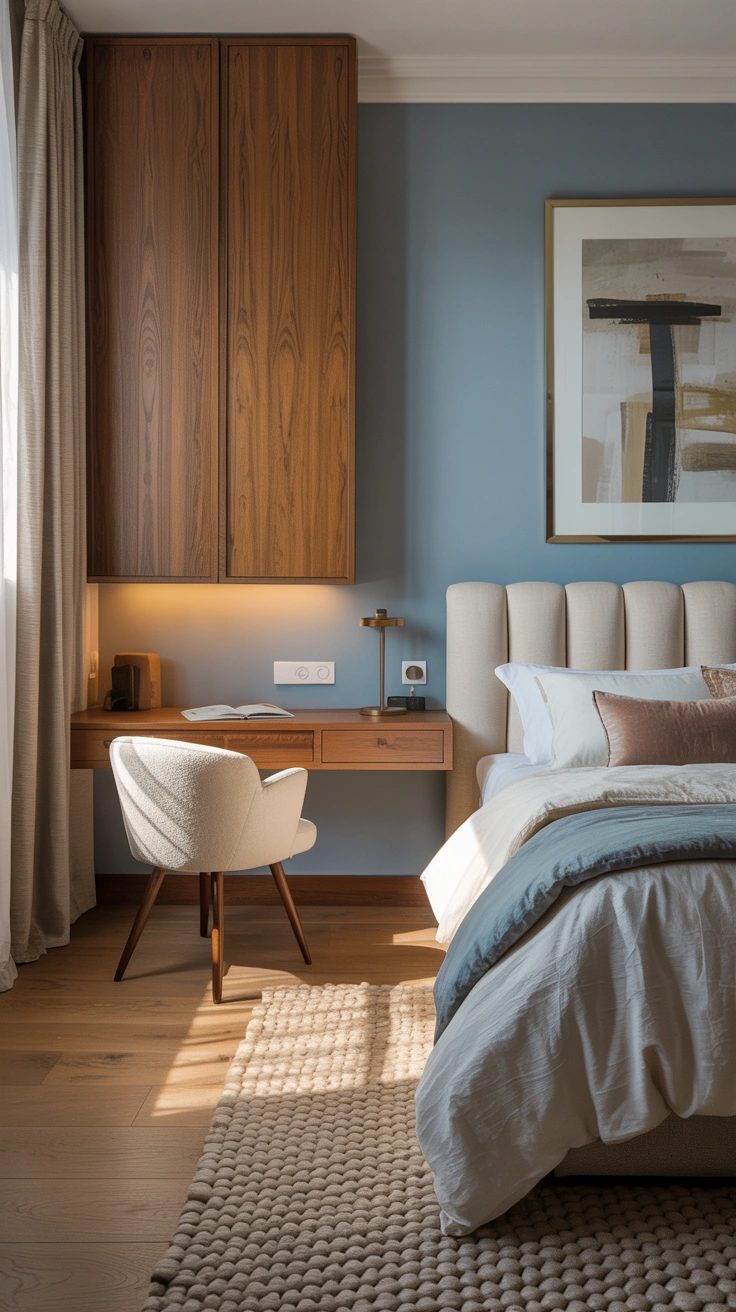
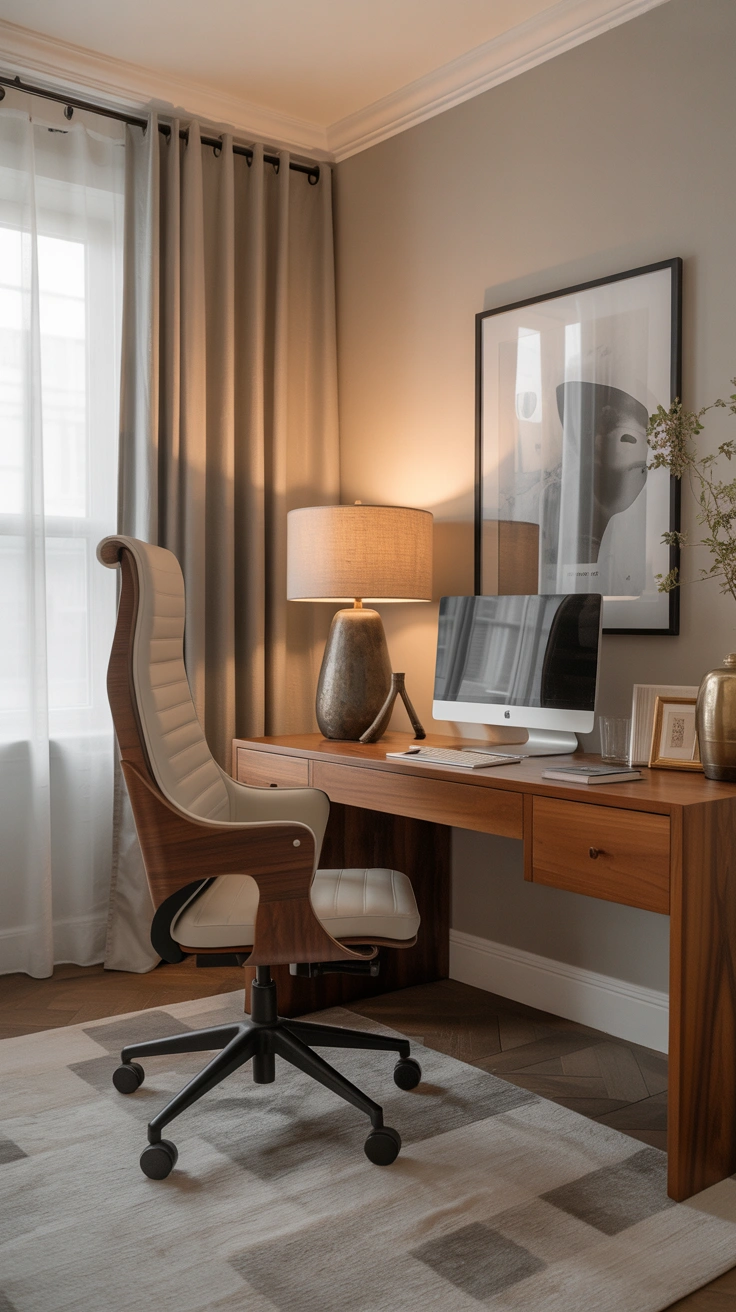
A bulky executive desk has no business in a bedroom-office setup, no matter how nice it looks in photos. Look for something slim, like a wall-mounted floating desk, a narrow writing desk, or a console-style table that can double as a nightstand-adjacent surface when you’re not working.
Desk Styles That Work Well in Small Bedrooms
- Floating wall-mounted desk — zero floor footprint, ideal for tiny rooms
- Narrow writing desk — slim profile that tucks neatly into a corner
- Fold-down desk — folds flat against the wall when not in use
- Vanity-style desk with drawers — doubles as a dressing surface too
Measure your space before buying anything. A desk that looks small in a showroom can still feel surprisingly large once it’s wedged between your bed and your wardrobe.
3. Use a Room Divider for Visual Separation
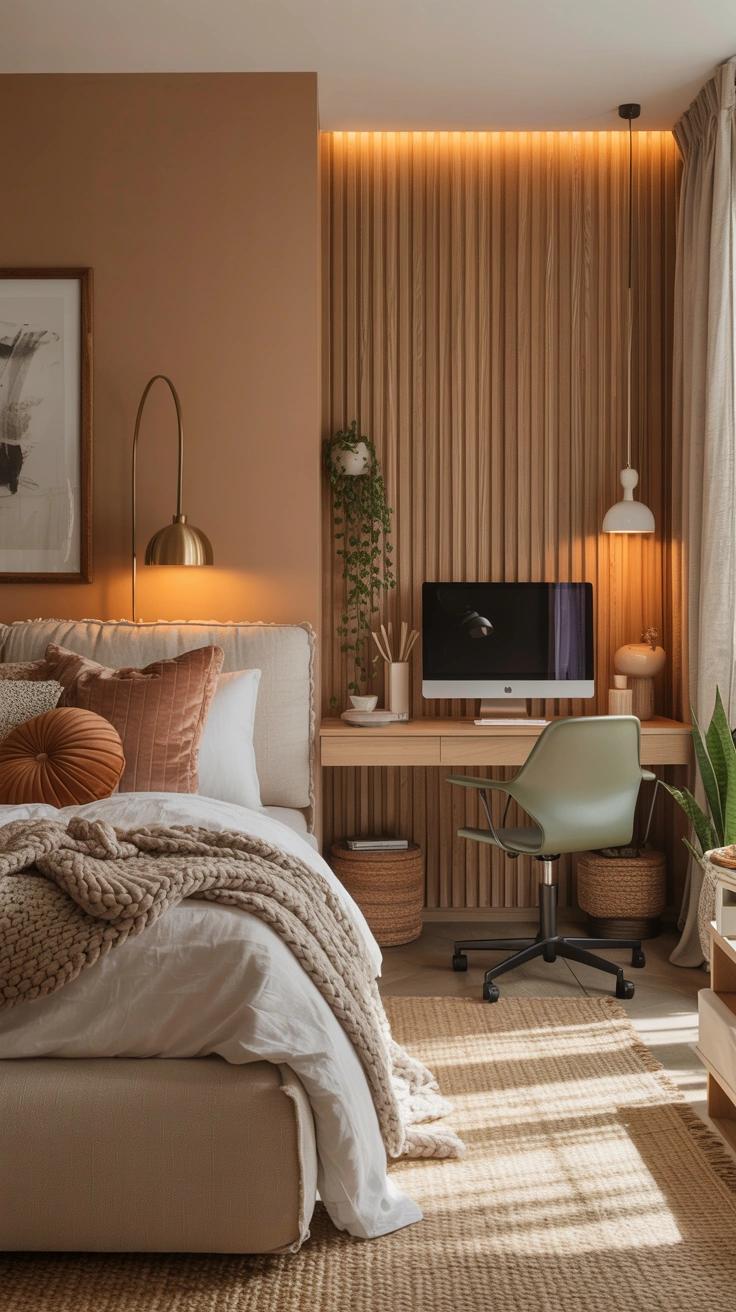
A folding screen, a tall bookshelf, or even a simple curtain on a tension rod can create a visual boundary between your sleeping area and your work corner. This matters more than people expect — being able to “leave” the office, even just by walking around a screen, helps signal the end of the workday.
FYI, this trick is especially useful on video calls too. A divider behind you means your background looks like an office, not a bedroom, which is a small but genuinely appreciated bit of professionalism.
4. Get Proper Task Lighting
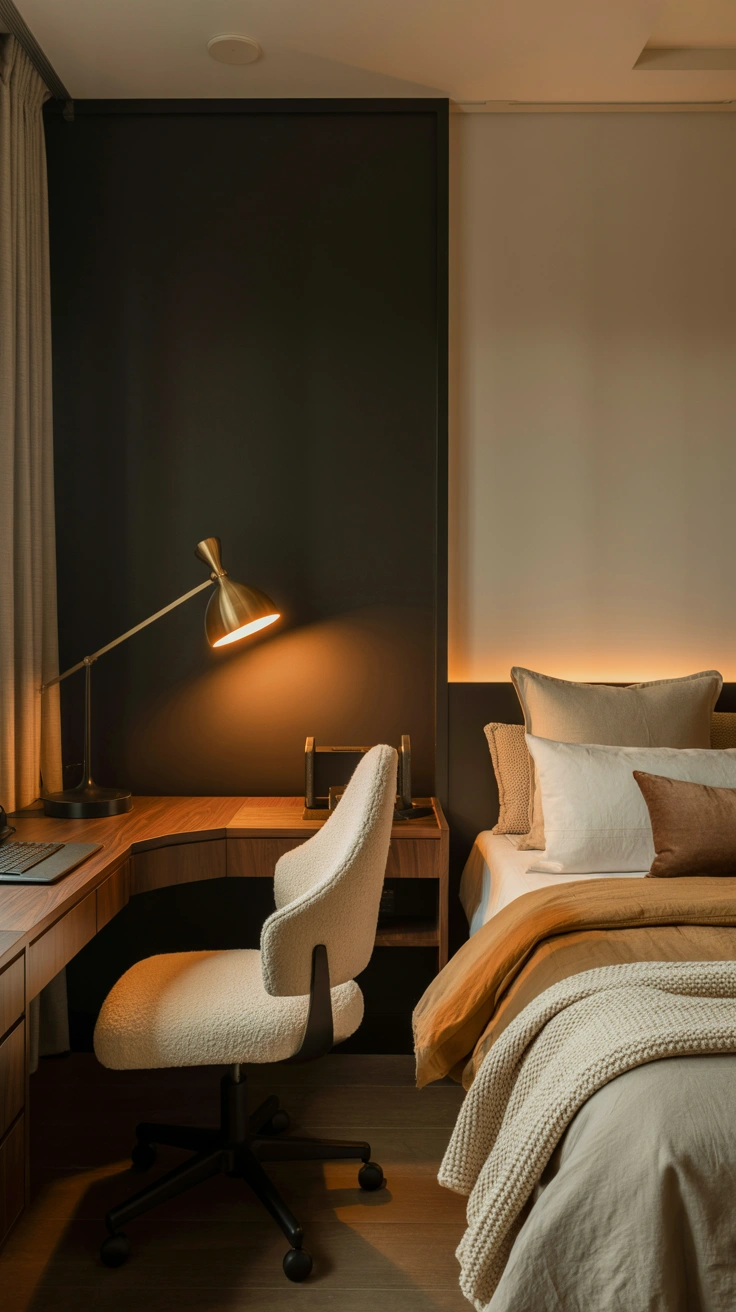
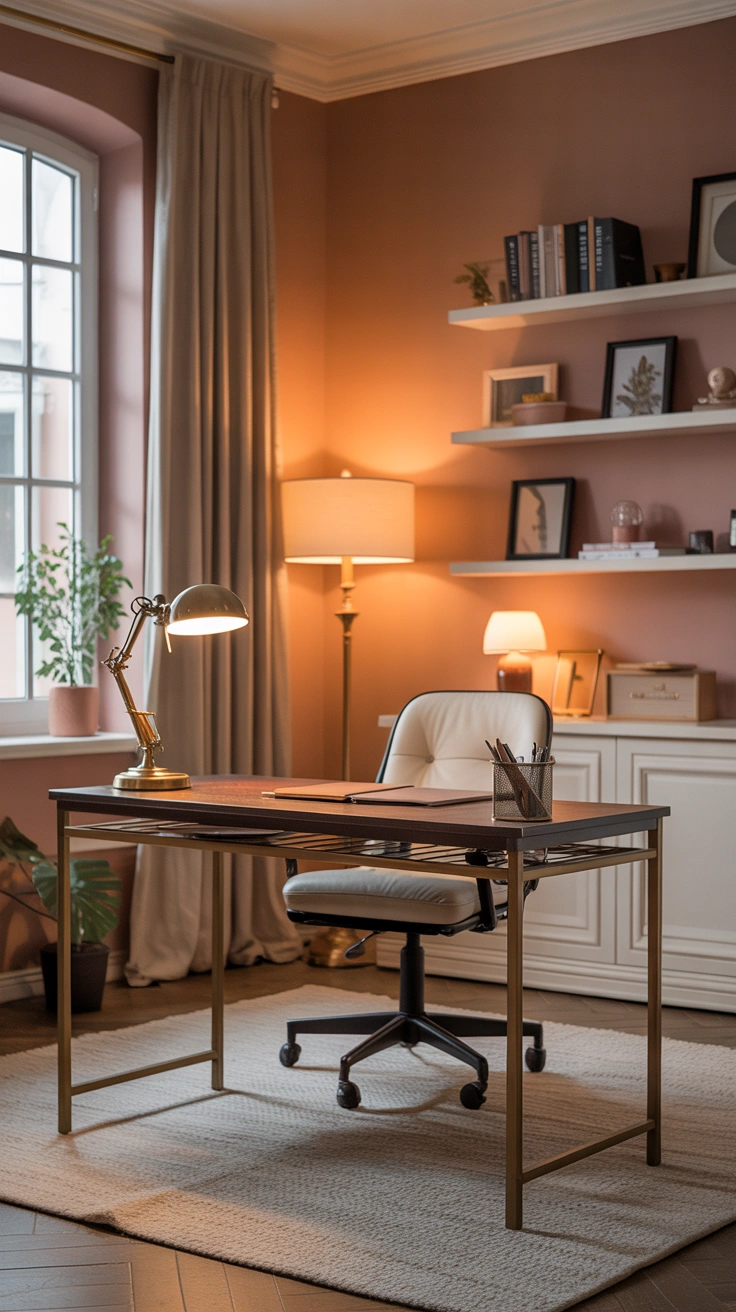
Bedrooms are typically lit for ambiance, not productivity, which means the soft lamp on your nightstand is doing absolutely nothing for you during a spreadsheet-heavy afternoon. A dedicated desk lamp with adjustable brightness makes a massive difference to both your focus and your eyes.
Position the lamp so it lights your work surface directly without casting glare onto a nearby screen. A clip-on or adjustable-arm lamp is especially useful in tight bedroom corners where a standard lamp base would eat up valuable desk space.
5. Invest in a Real Office Chair
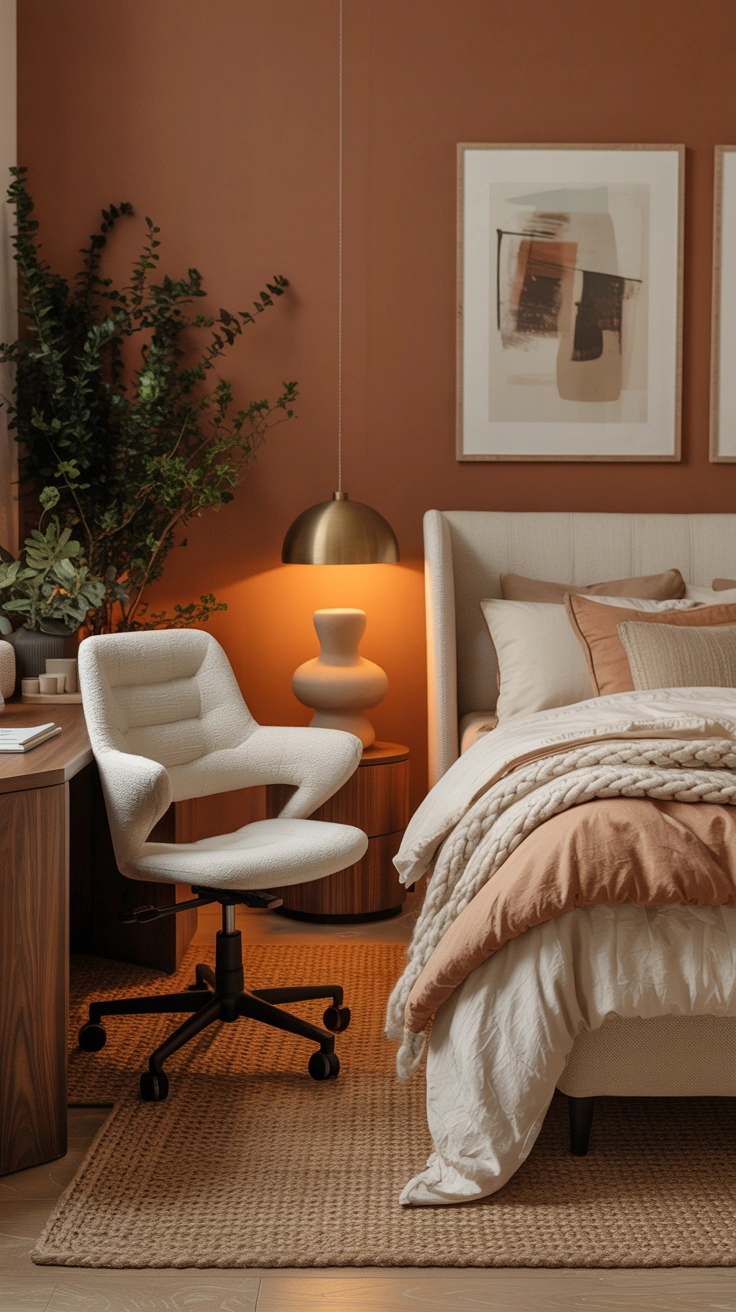
This is the tip people skip most often, and it’s the one your body will make you regret skipping. Sitting on the edge of your bed or on a decorative bedroom chair for hours a day leads to genuinely bad posture and discomfort over time.
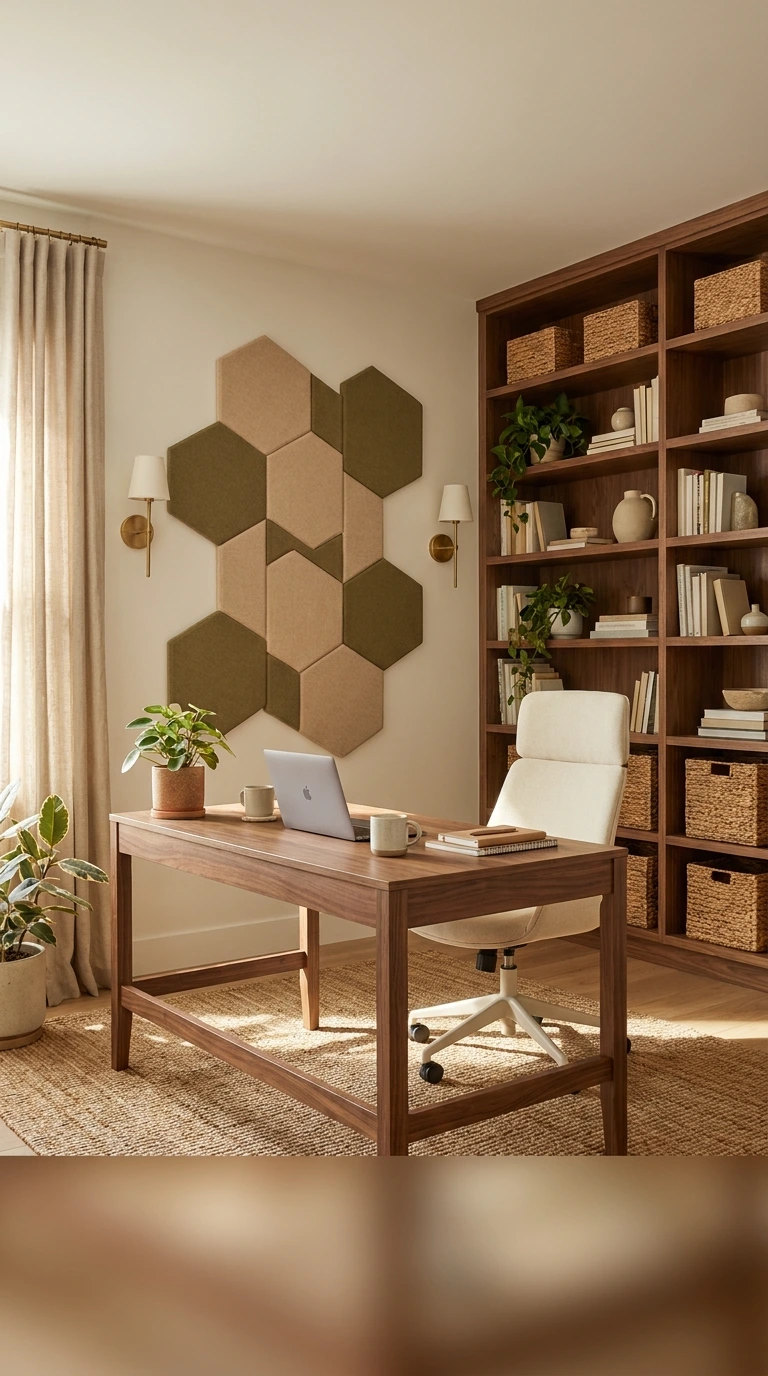
Even a compact, bedroom-friendly office chair with proper back support is worth the investment. Look for one in a fabric or finish that doesn’t scream “office furniture” if you want it to blend more naturally into the room’s overall look.
6. Keep Cables and Equipment Contained
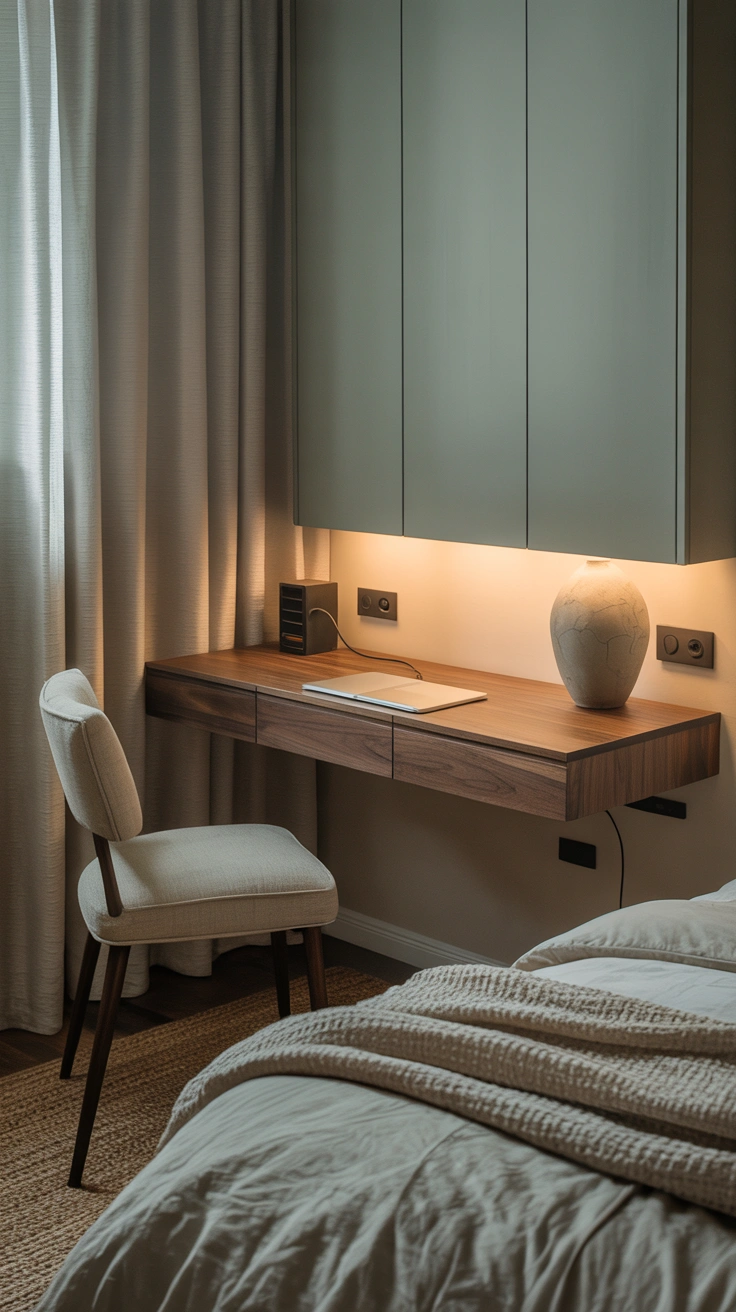
Nothing kills the calm, restful vibe of a bedroom faster than a tangle of charging cables and a humming printer sitting in plain view. Use a small cable organizer box, a basket, or a drawer specifically dedicated to corralling all your work equipment out of sight.
IMO, this single habit does more for keeping the room feeling like an actual bedroom than almost any other tip on this list. Hide the cords, hide the printer, and the rest of the setup automatically looks more intentional.
7. Choose Furniture That Matches Your Bedroom Decor
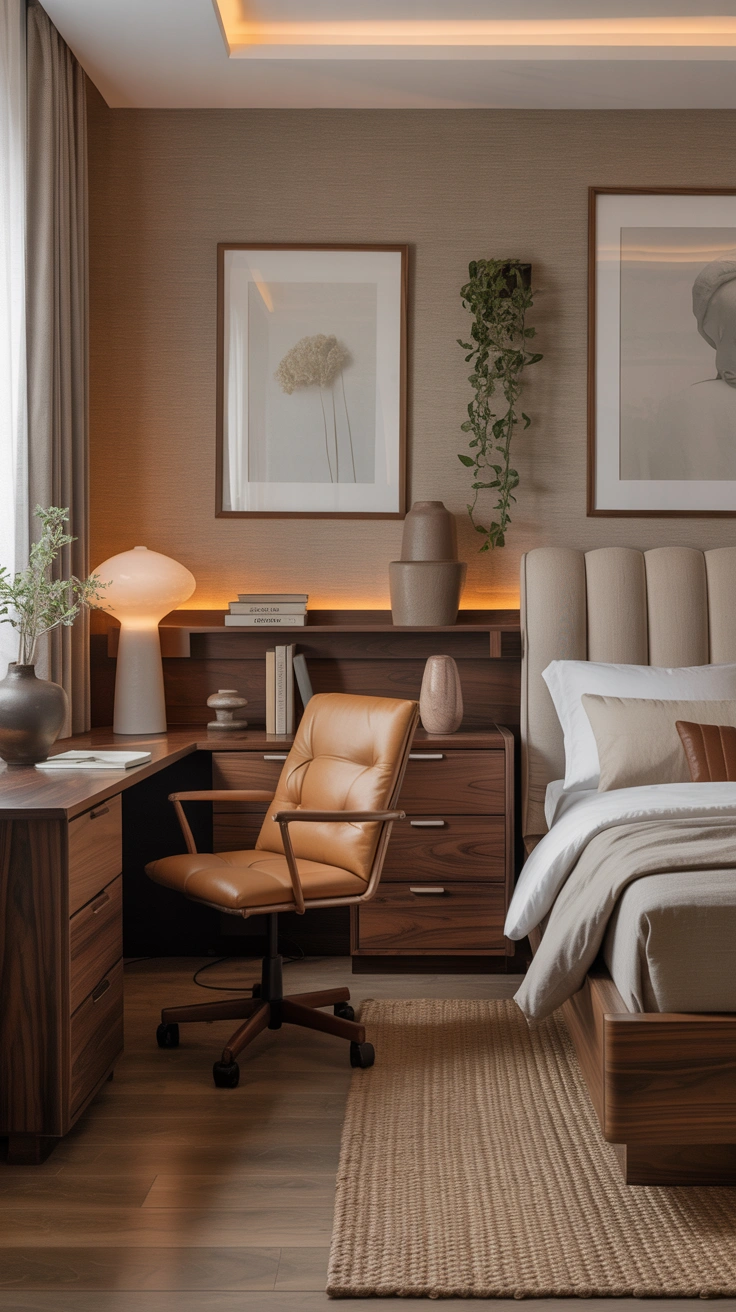
Your desk and chair don’t need to look like they were dropped in from a corporate office supply catalog. Choosing pieces that match your bedroom’s existing color palette and style keeps the whole room feeling cohesive rather than like two unrelated spaces awkwardly sharing a floor.
A desk in the same wood tone as your nightstand, or a chair upholstered in a fabric that echoes your bedding, ties the work corner into the room visually. This small styling choice makes a surprisingly big difference to how relaxed the space feels overall.
8. Add Closed Storage for Work Supplies
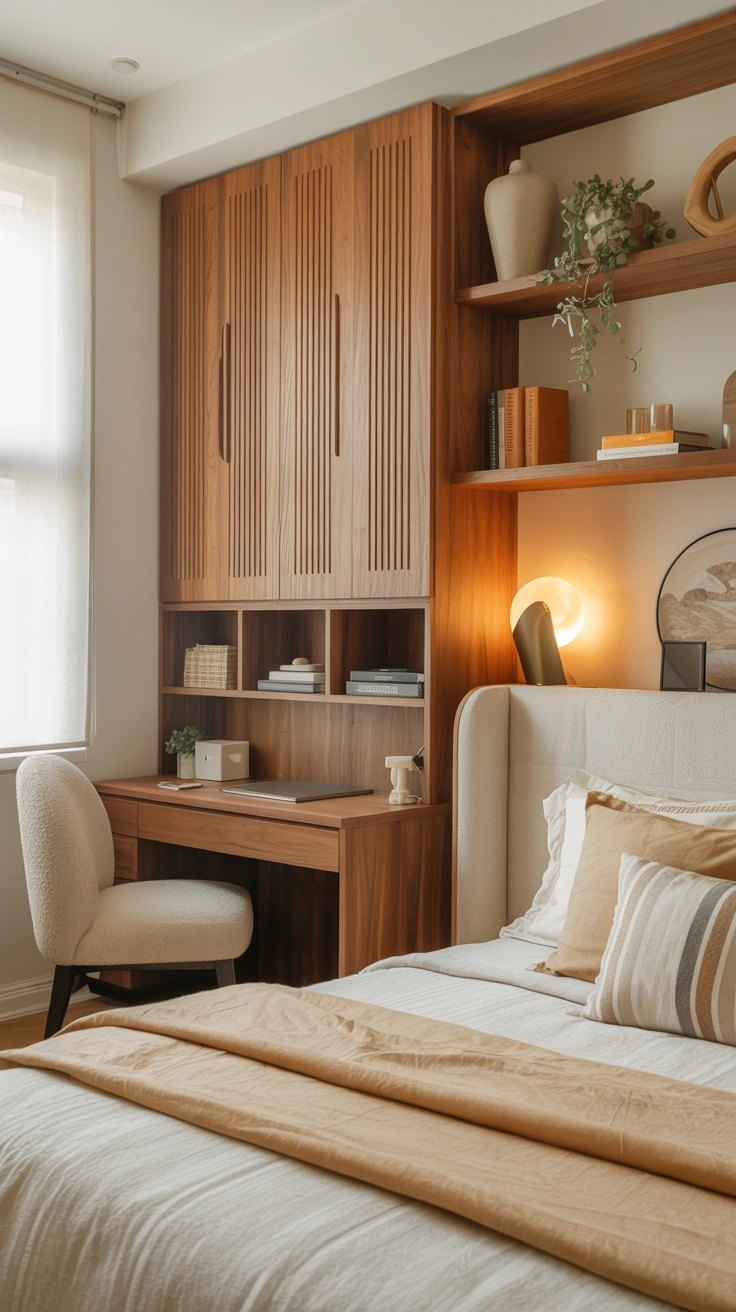
Open shelving might look great in a dedicated home office, but in a bedroom, all that visible paperwork and office clutter competes with your need for a calm, sleep-friendly environment. Closed storage — drawers, cabinets, or a small filing box with a lid — keeps work supplies contained and out of sight.
This matters especially at night. A desk covered in visible to-do lists and open folders is a lot harder to mentally “switch off” from than one that’s been tidied away behind closed doors before bed.
9. Use a Curtain or Blind to Hide the Desk Entirely
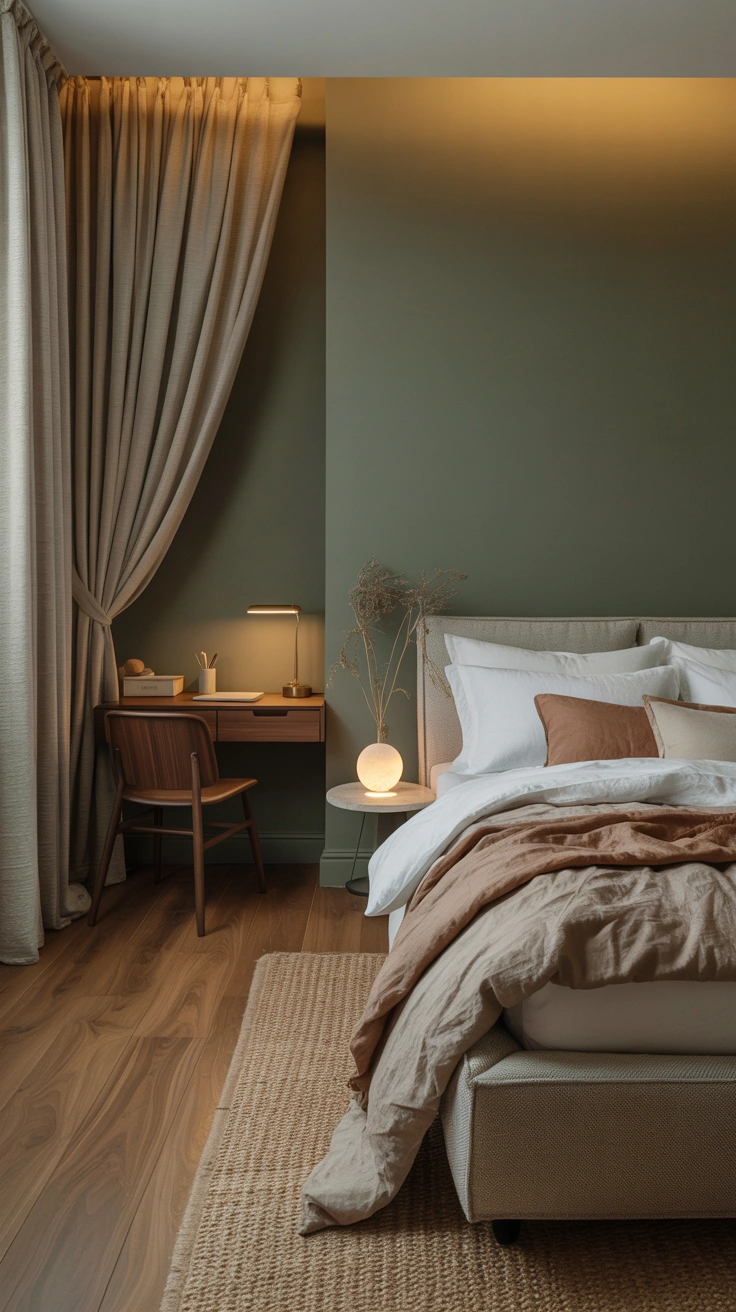
For genuinely tight spaces, consider mounting a simple curtain on a rod that can be drawn across your desk area entirely once the workday ends. This turns your office corner into a literal closed-off nook, hiding the whole setup from view during the hours you’re actually trying to relax or sleep.
This trick works particularly well for desks tucked into a closet nook or an alcove, where a curtain can close off the entire workspace in seconds. Out of sight really does mean out of mind here.
10. Set a Clear Start and End Ritual
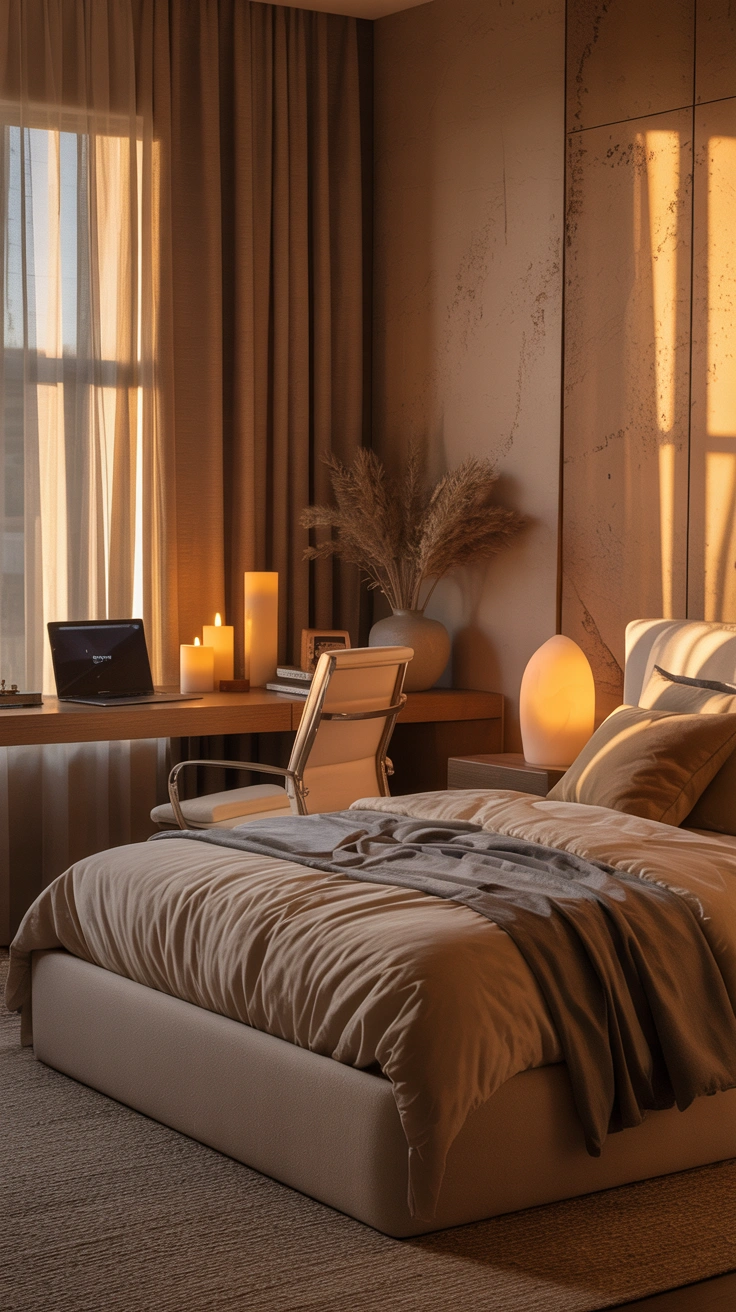
The hardest part of working from your bedroom isn’t the furniture — it’s the lack of a commute or any physical signal that the workday is actually over. Create your own version of that signal. Light a candle when you sit down to work and blow it out when you’re done. Close the curtain over your desk. Change your lamp setting.
A consistent little ritual, no matter how small, helps draw a clear line between “office hours” and “bedroom hours” in a space where the two would otherwise blur together completely. Your sleep will genuinely thank you for it.
Conclusion
Ten tips, one bedroom that finally works double duty without sacrificing your sleep or your sanity. Distance from the bed, the right compact furniture, proper lighting, and a clear end-of-day ritual all work together to make this setup actually sustainable long-term.
You don’t need to tackle all ten at once. Start with positioning your desk away from the bed, invest in a real chair, and create one small shutdown ritual. Those three changes alone will make the biggest difference almost immediately.
Now go reclaim your bed for sleeping only. Your back, and your sleep schedule, will both thank you.