14 Steps to Build an Outdoor Living Room That Becomes Your Favorite Space
Most people have outdoor space. Very few people have an outdoor room. The difference between a patio with some furniture on it and a genuine outdoor living room is not budget or square footage — it’s the understanding that outdoor spaces follow the same design principles as indoor ones, and that applying those principles transforms a neglected exterior into somewhere you actually choose to spend your time. I built my first proper outdoor living room three summers ago from a concrete slab, a few good pieces of furniture, and a clear design plan — and it immediately became the most used space in the entire property. People who saw the before and after couldn’t reconcile the two images. These 14 steps take you through the complete process of building an outdoor living room from scratch, in the right order.
1. Assess Your Outdoor Space Honestly
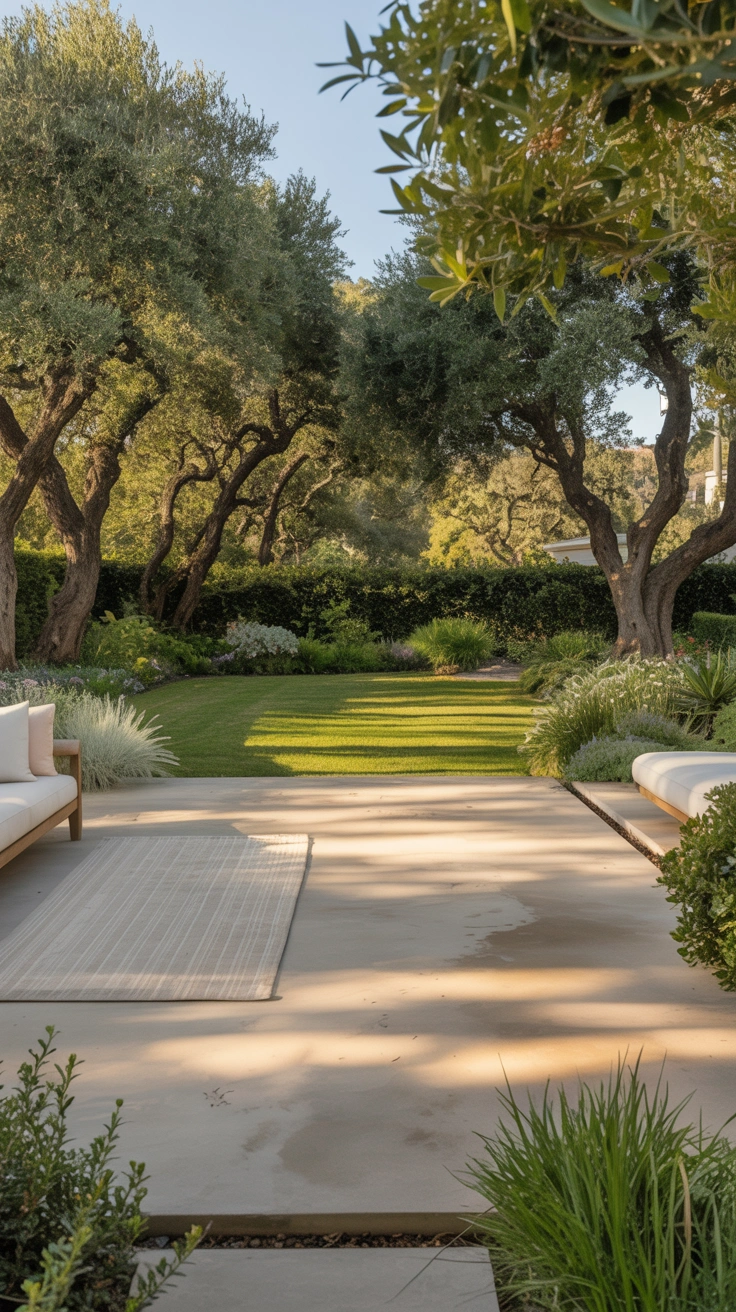
Before spending anything, spend time simply observing the space you’re working with. Where does the sun sit at different times of day? Which areas are shaded and when? Where does wind come from? Which views are worth facing toward and which should be screened?
These observations directly determine where seating should be positioned, where shade is needed, where screening is essential, and where the natural environment is already doing work you don’t need to replicate. A space designed without this observation stage almost always requires expensive corrections later. Walk the space at different hours across several days — it will tell you everything you need to know before a single design decision is made.
2. Define the Room’s Boundaries
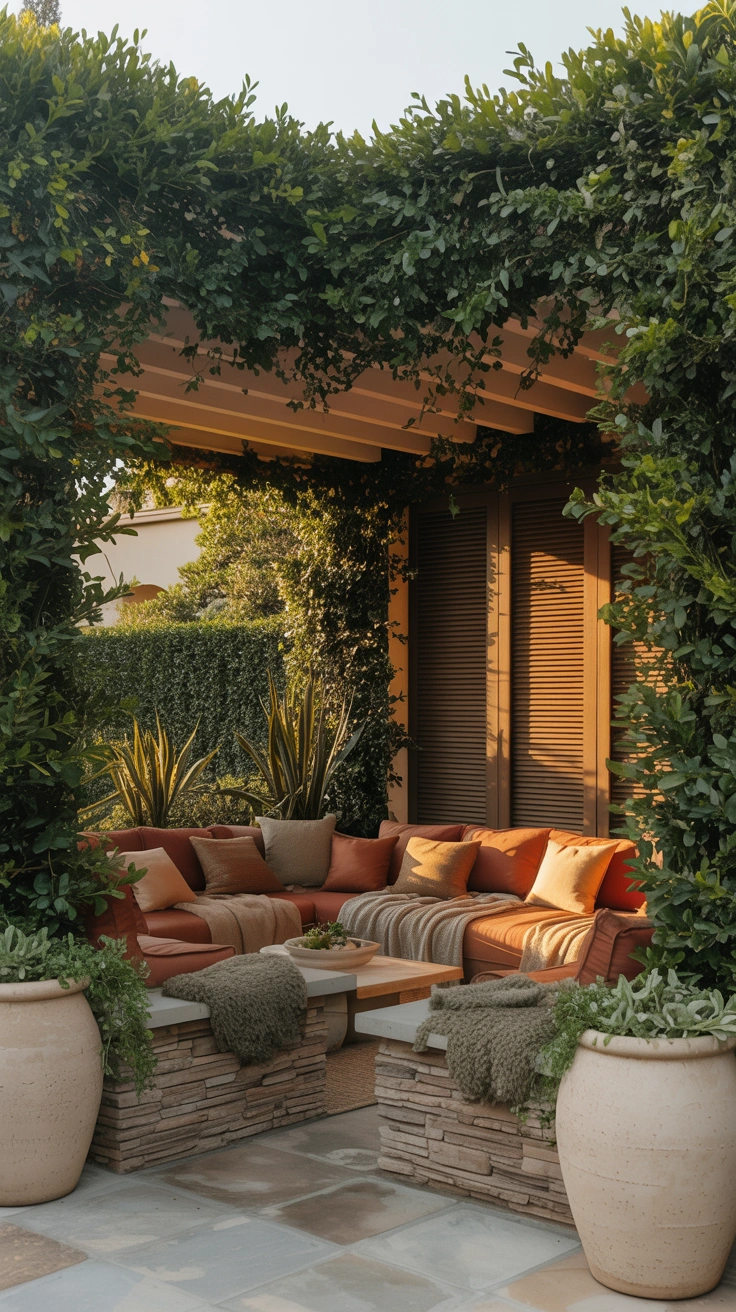
An outdoor living room needs edges — not necessarily walls, but visual and physical boundaries that create the sense of enclosure that distinguishes a room from an open space. Without boundaries, outdoor furniture looks like it wandered out of the house and stopped without purpose.
Define boundaries using hedging, planted borders, low walls, raised beds, timber screening, or even consistently placed large pots. The boundary doesn’t need to fully enclose the space — even two or three defined edges create sufficient enclosure. The zone created by defined boundaries changes the psychological experience of the outdoor space from exposed to contained, which is the fundamental shift that makes an outdoor space feel like a genuine room rather than simply an exterior area.
3. Choose Your Flooring Foundation
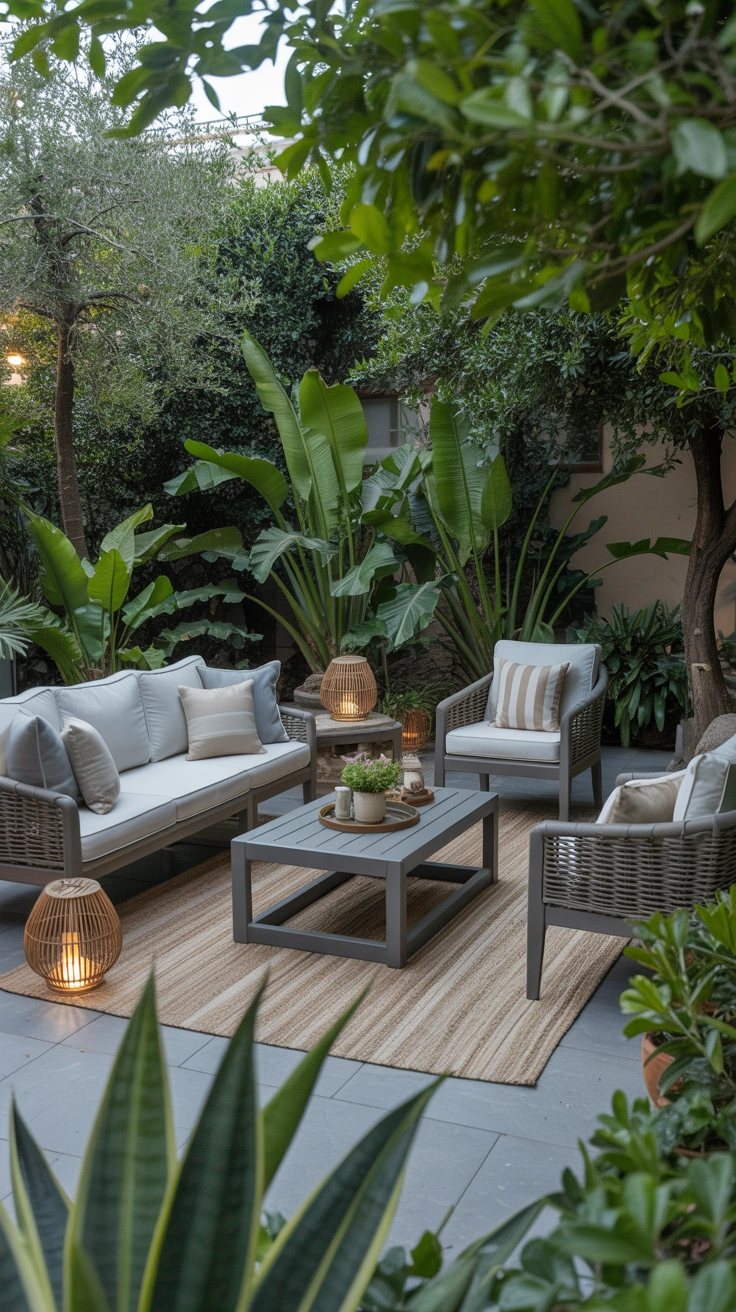
The floor surface beneath the outdoor living room is the element that most immediately communicates whether the space was designed or simply placed. A beautiful furniture arrangement on bare concrete or sparse grass looks transitional. The same arrangement on a proper outdoor floor looks permanent and intentional.
Outdoor Flooring Options:
- Porcelain or natural stone paving — the most durable and most design-forward choice
- Timber decking — warm, natural, and highly livable underfoot
- Composite decking — the low-maintenance alternative to real timber
- Outdoor porcelain tiles — enormous range of formats, textures, and tones
- Gravel with stepping stones — the most relaxed and most affordable option
Choose a floor material that connects architecturally to the house and practically to how the space will be used. This is the decision most worth spending on — it forms the permanent foundation everything else rests on.
4. Anchor It With an Outdoor Rug
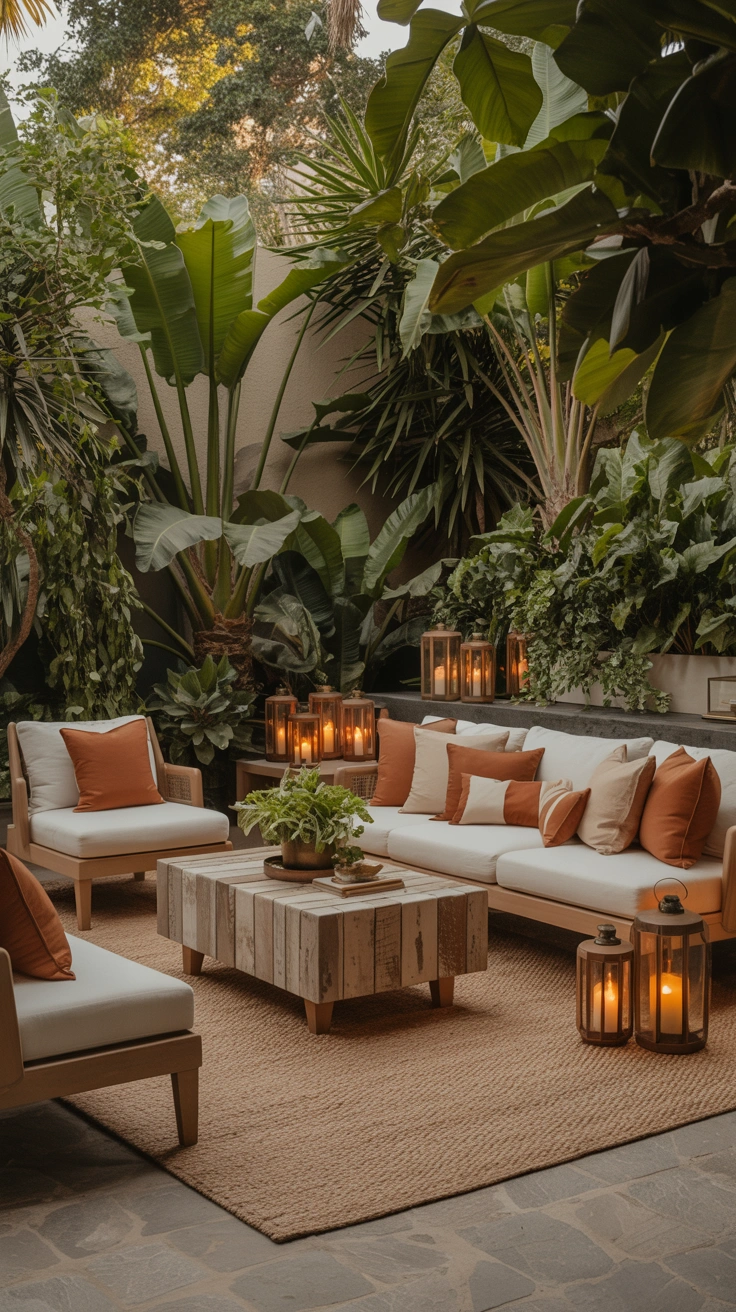
An outdoor rug placed on top of the hard floor surface creates the specific quality of an interior room within the exterior space — a layer of domestic comfort and visual definition that hard surfaces alone don’t provide. The rug signals “living area” in a way that the floor beneath it cannot.
Choose a flatweave or low-pile outdoor rug in a weather-resistant synthetic material that tolerates UV exposure, rain, and outdoor conditions without deteriorating rapidly. Size generously — the rug should extend well beyond the furniture footprint so the seating arrangement sits within the rug rather than on its edge. Natural-toned, subtly patterned rugs age best in outdoor conditions and suit the widest range of furniture styles.
5. Invest in Real Outdoor Seating
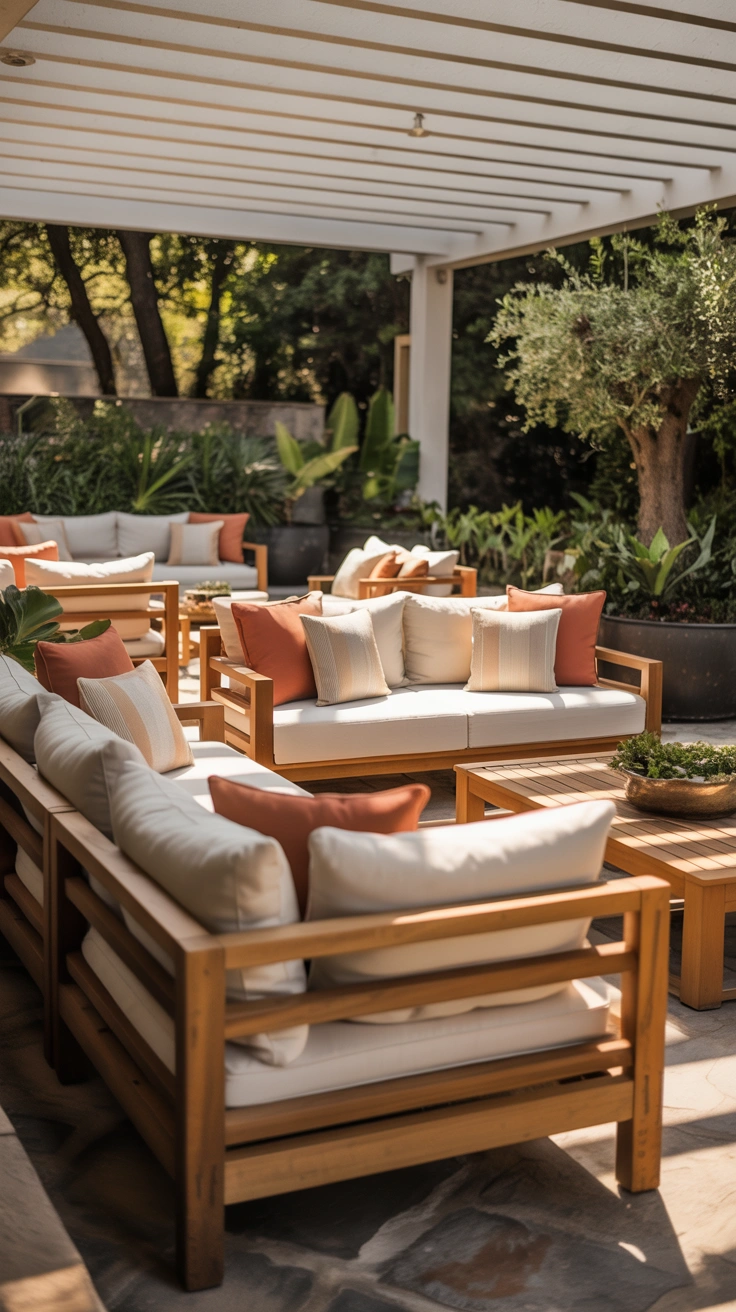
The seating is where the outdoor living room is experienced most directly — and compromising on it compromises everything. Outdoor furniture that isn’t genuinely comfortable is outdoor furniture nobody actually sits in, which defeats the purpose of building the space entirely.
Invest in deep-seated outdoor sofas and armchairs with high-quality, quick-dry cushions in weather-resistant performance fabric. Look for frames in powder-coated aluminium, teak, or FSC-certified hardwood that tolerate outdoor conditions without requiring constant maintenance. The outdoor seating arrangement should be designed for actual lounging — deep seats, adequate back support, armrests at the right height — not simply for looking good in a garden photo.
6. Sort the Shade Situation First
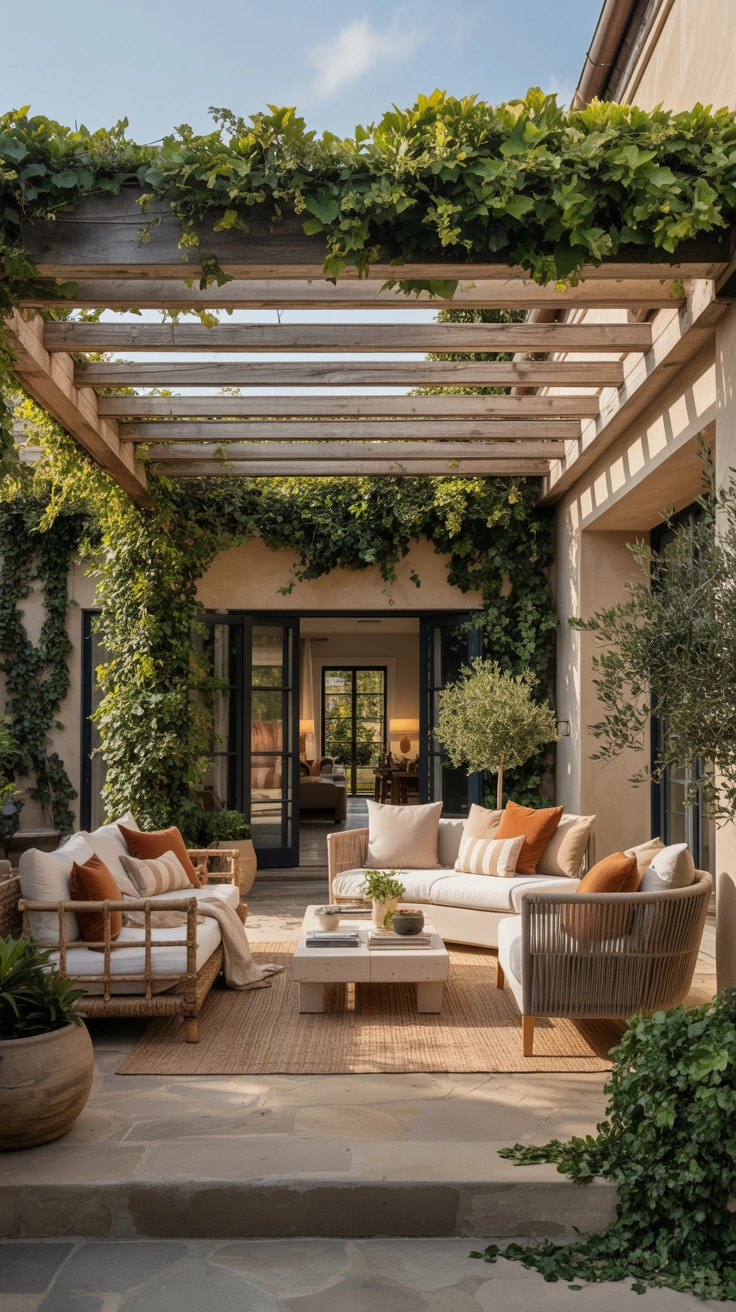
An outdoor living room without adequate shade is only usable in specific weather windows — and limiting the space’s usability limits its value and your actual use of it. This is the infrastructure decision that most directly determines how many hours per year the outdoor room is genuinely useful.
A large-format market umbrella provides flexible, adjustable shade at modest cost. A fixed pergola creates permanent architectural shade and a proper sense of overhead structure. A shade sail provides minimal cost overhead coverage across a wider area. A retractable awning attached to the house provides the most controllable and most weather-responsive shade solution. Choose based on your specific situation — the permanence you want, the budget available, and the aesthetic that suits the house and garden.
7. Design the Lighting From the Start
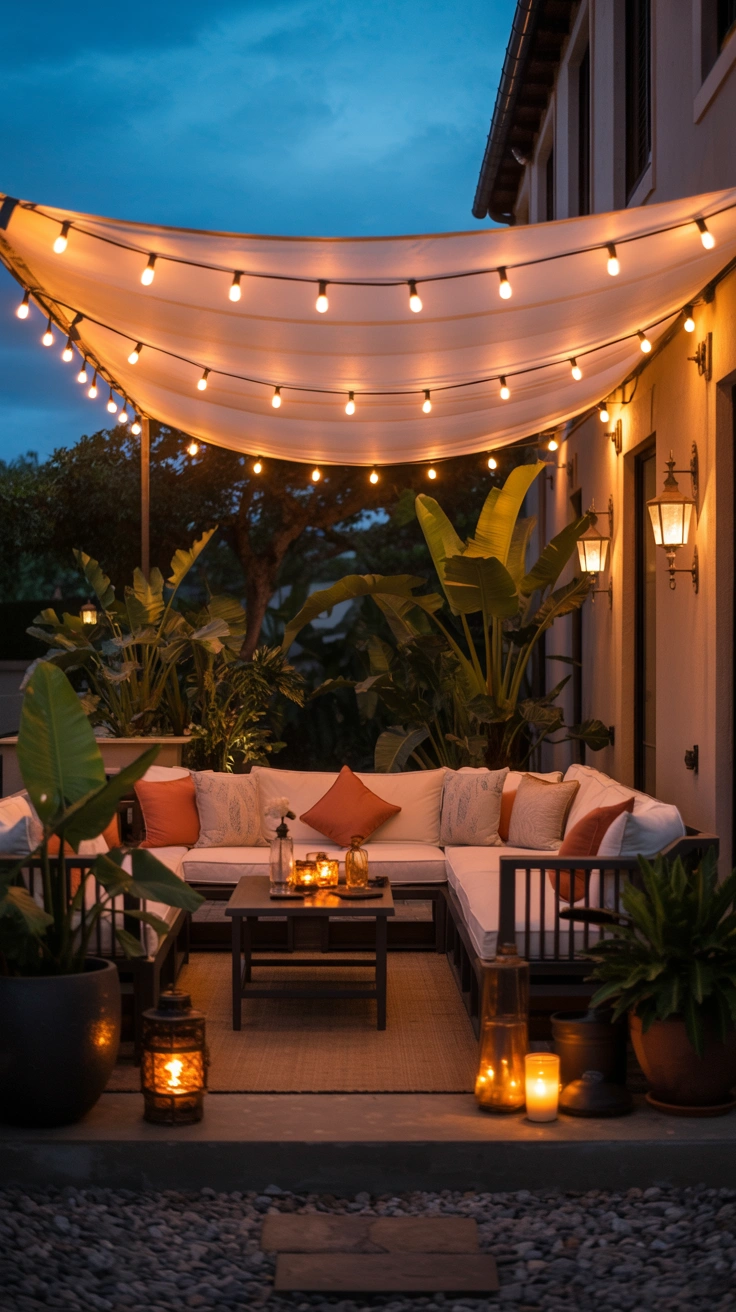
FYI — outdoor lighting planned from the beginning is significantly more effective and significantly less expensive than outdoor lighting retrofitted after everything else is in place. Power sources, cable routes, and fixing points all need to be considered before furniture, planting, and structures are installed.
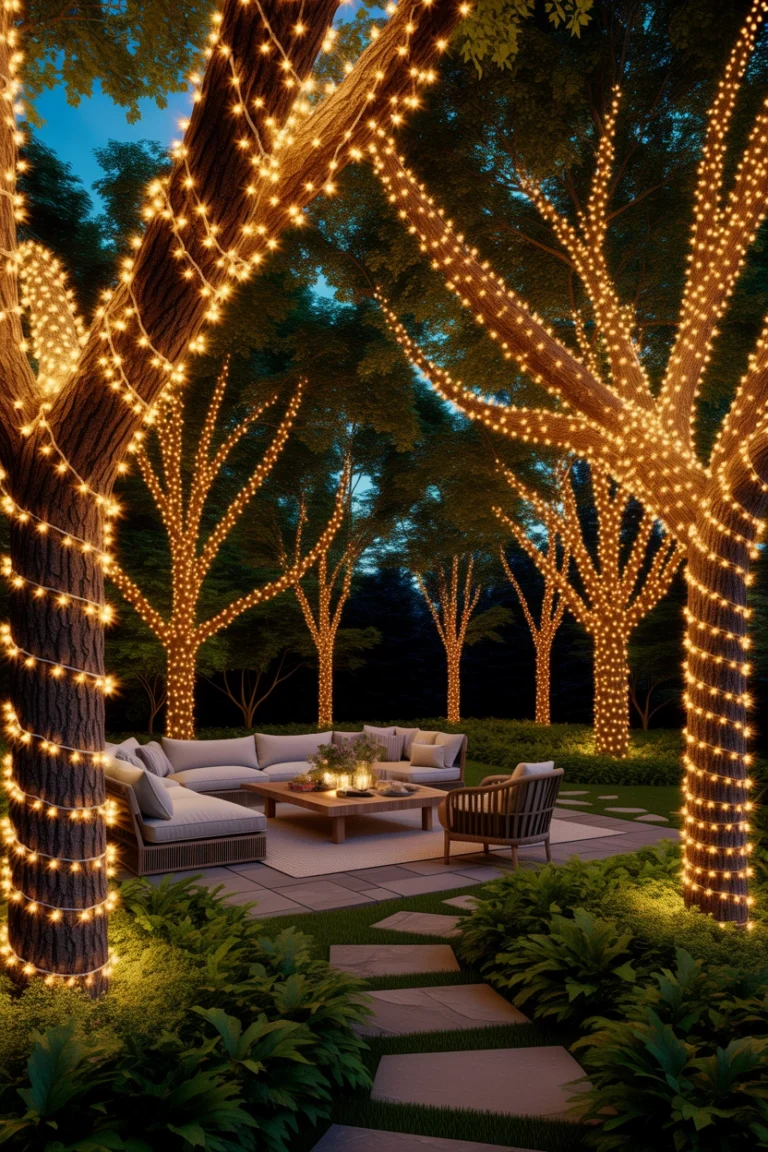
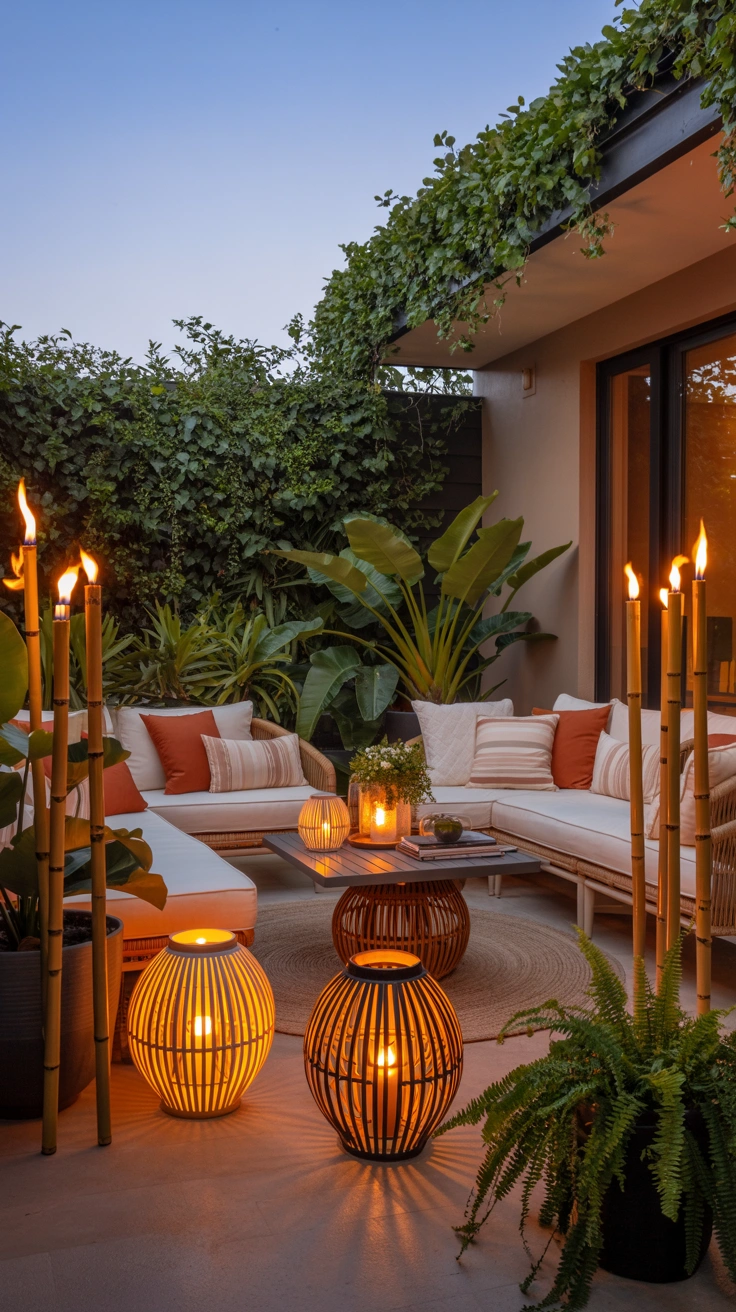
String lights between posts, trees, or pergola beams create the most atmospheric and most loved outdoor lighting effect available. Solar-powered lanterns provide flexible, cable-free ambient light at ground level. Wall-mounted sconces on adjacent walls create architectural outdoor lighting without requiring separate power runs. Every light source should be warm-toned — 2700K bulbs throughout — because warm light against an outdoor evening sky creates the specific quality of intimate, atmospheric beauty that makes outdoor living rooms impossible to leave at the end of the day.
8. Build a Central Surface
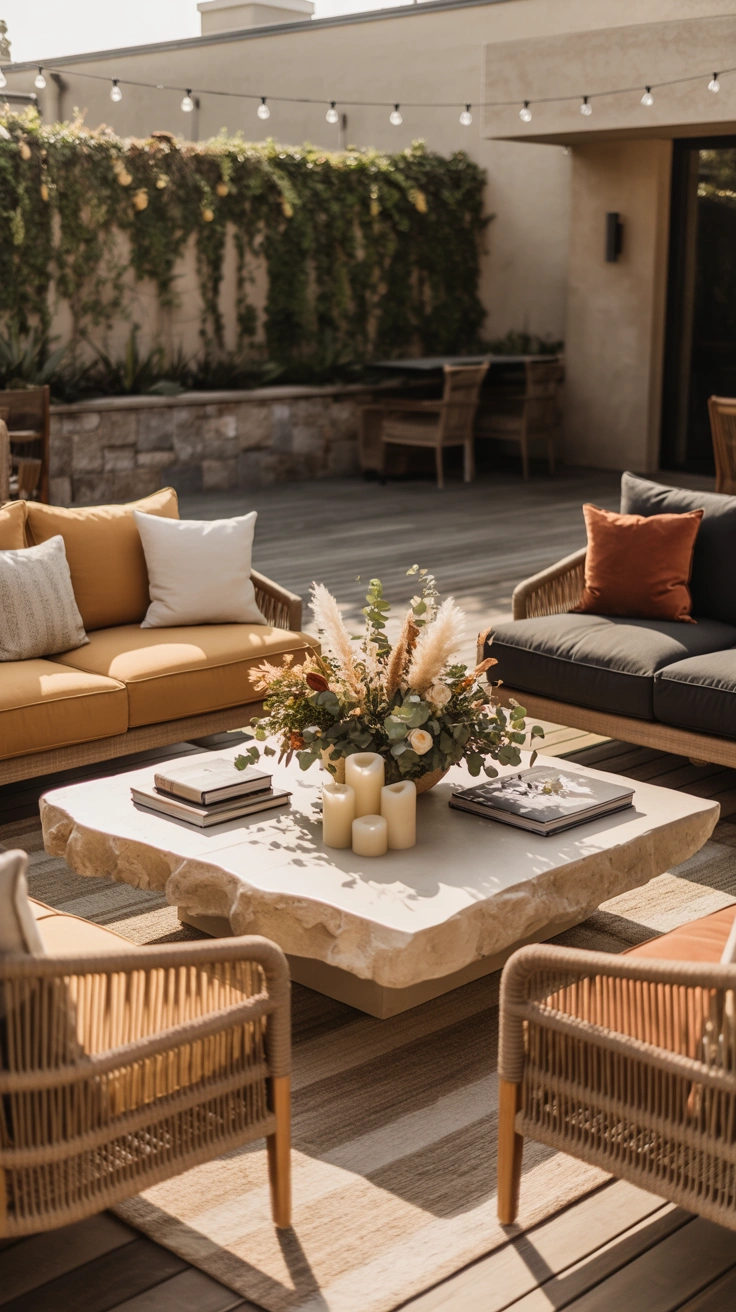
Every living room needs a central surface — and the outdoor living room is no exception. A coffee table or equivalent surface at the center of the seating arrangement provides the practical and visual anchor that makes a seating group feel like a composed room rather than a collection of chairs.
A weather-resistant outdoor coffee table in teak, concrete, powder-coated steel, or stone creates a central object of genuine design quality. A large, flat stone or concrete slab raised on simple supports creates a rustic, characterful alternative. A repurposed wooden cable reel adds organic character. Whatever the specific choice, the central surface should be at the right height for the surrounding seating and large enough to function practically as a shared surface for everyone in the group.
9. Create Enclosure With Plants
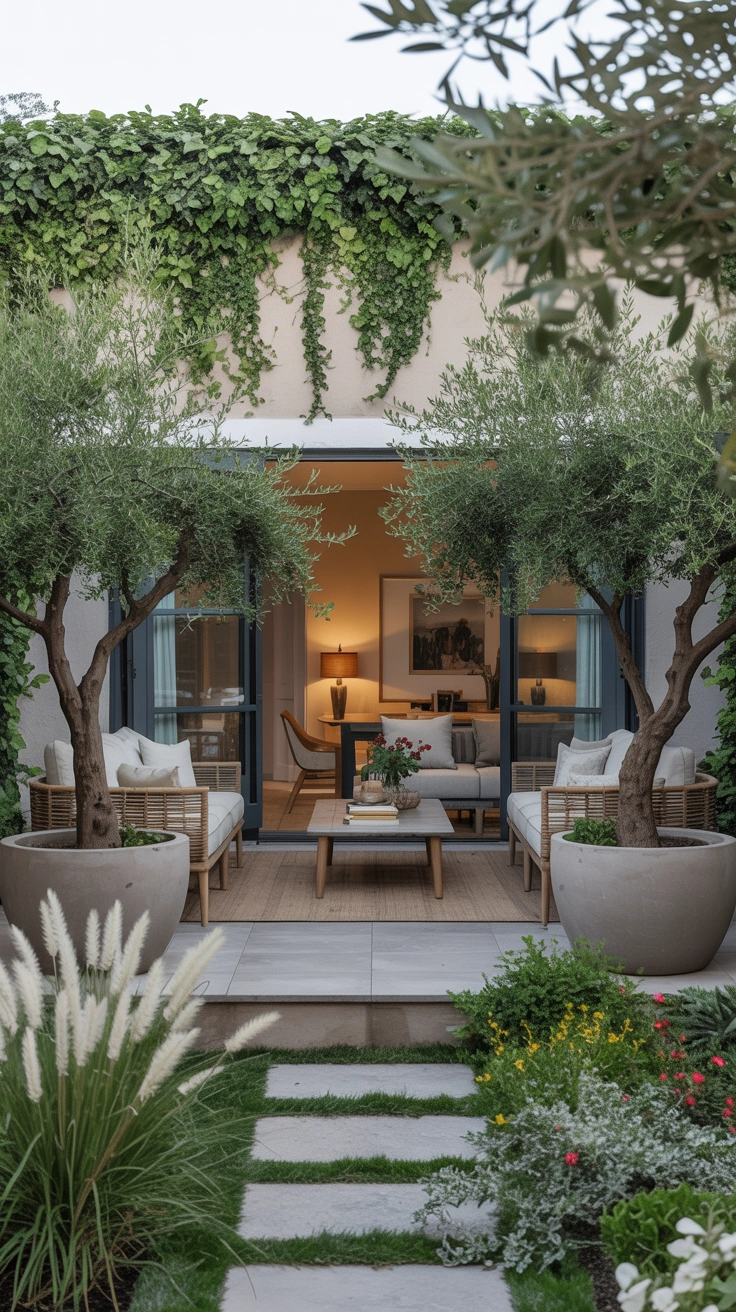
Plants create the specific quality of living enclosure that manufactured boundaries can’t replicate — and the deliberate use of planting as a design element throughout the outdoor living room creates a space that feels genuinely integrated with the garden rather than placed within it.
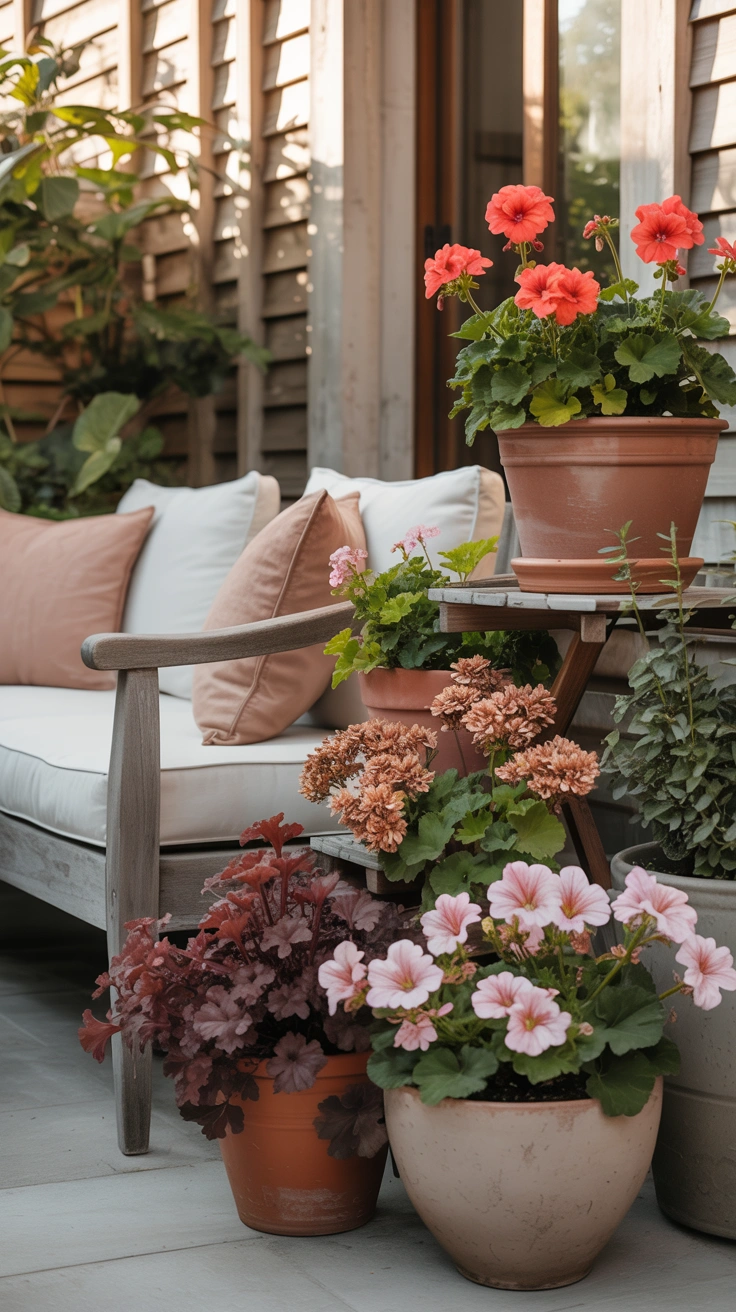
Tall planted pots flanking the seating area create a sense of framed, contained space. Climbing plants on a pergola create a living ceiling. Rows of grasses, lavender, or rosemary along the room’s edges define boundaries with organic, scented character. Grouped potted plants in coordinating ceramics create flexible, rearrangeable greenery that can be moved and updated seasonally. The outdoor living room with generous planting looks and feels completely different from the same space without it.
10. Add a Fire Element for Year-Round Use
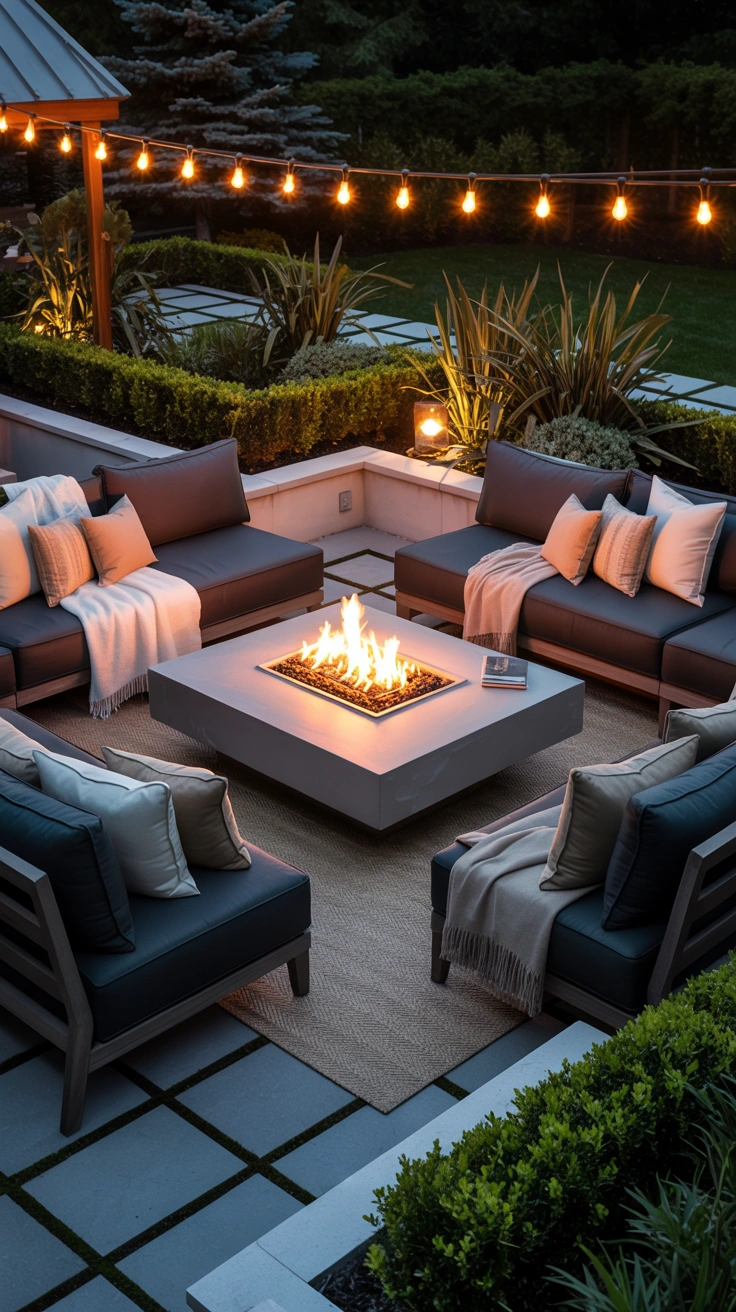
A fire pit, fire table, or outdoor fireplace is the single upgrade that most dramatically extends the outdoor living room’s usable season — transforming it from a warm-weather space into somewhere genuinely inviting from early spring through late autumn.
A central fire pit with seating arranged around it creates the most communal and most atmospheric outdoor gathering configuration available. A fire table that combines a coffee table surface with an integrated gas element creates a practical, low-profile alternative that suits modern outdoor rooms. Any fire element creates the specific social gravity of a gathering point — people orient toward it, conversations extend longer around it, and the outdoor room becomes genuinely somewhere rather than simply somewhere outside.
11. Consider a Dining Zone Separately
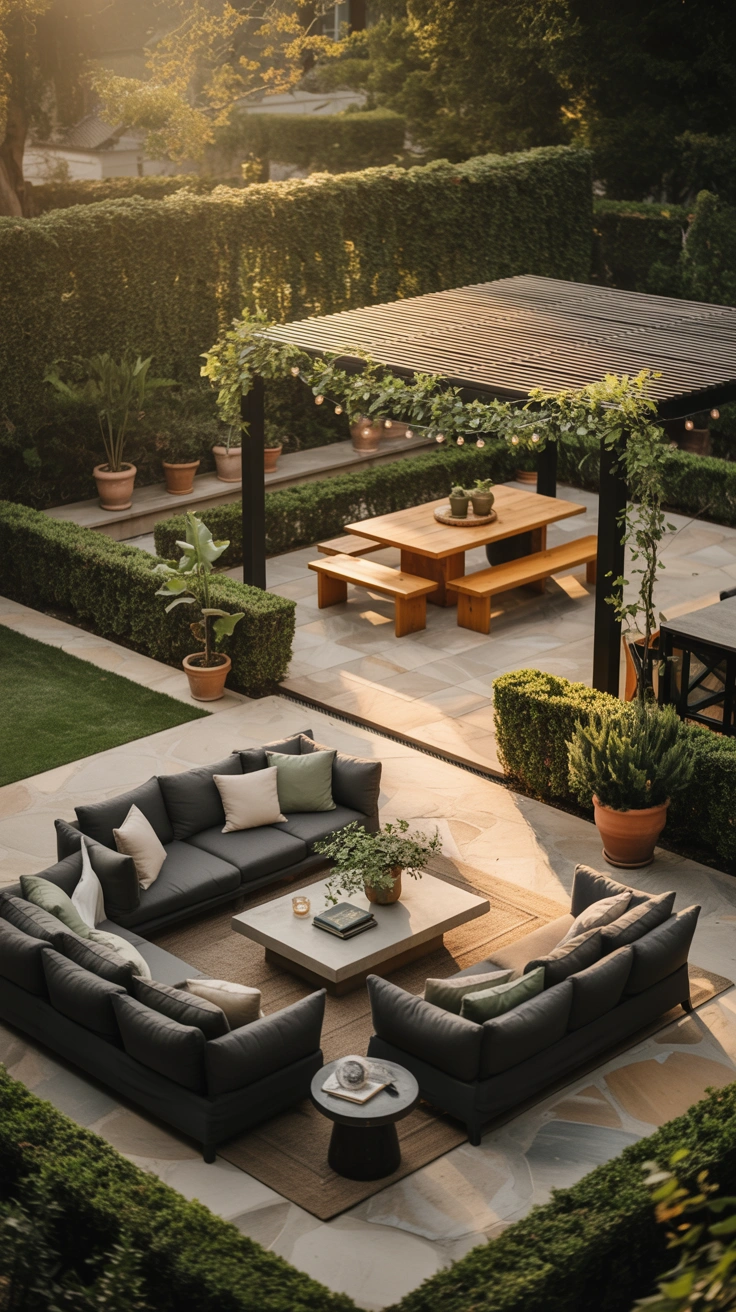
Attempting to combine dining and lounging in a single undifferentiated outdoor space usually serves both functions poorly. A separate dining zone — even if adjacent — creates two distinct outdoor rooms that each serve their purpose properly.
A dining table and proper dining chairs in a defined, shaded area accessible to the house creates the outdoor dining room. The lounge area — sofas, coffee table, fire pit — creates the outdoor sitting room. The two zones together create an outdoor entertainment space of genuine completeness. They don’t need physical separation — simply enough positional distance and visual distinction that each reads as its own purposeful zone.
12. Weatherproof Your Investment
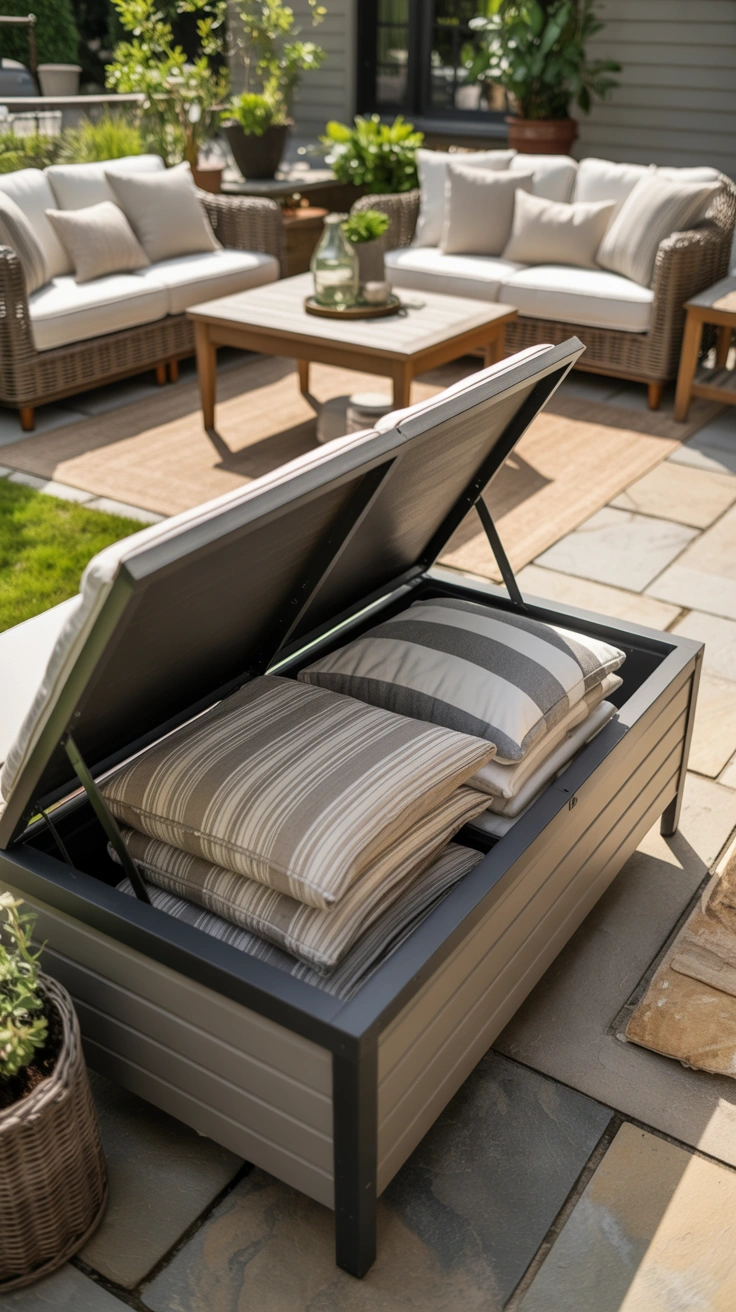
The outdoor living room is a significant material investment — and protecting that investment through proper weatherproofing ensures it remains beautiful and functional across multiple seasons rather than deteriorating within the first year.
Invest in properly fitted, breathable furniture covers for the seating during extended periods of non-use or heavy rain. Treat timber furniture annually with the appropriate oil or sealant. Bring cushions inside or store them in a weatherproof box when not in use. Choose accessories — lanterns, trays, vases — in materials appropriate for outdoor conditions rather than bringing indoor accessories outside. These maintenance habits are straightforward and low-effort when planned from the beginning.
13. Style It Like an Interior Room
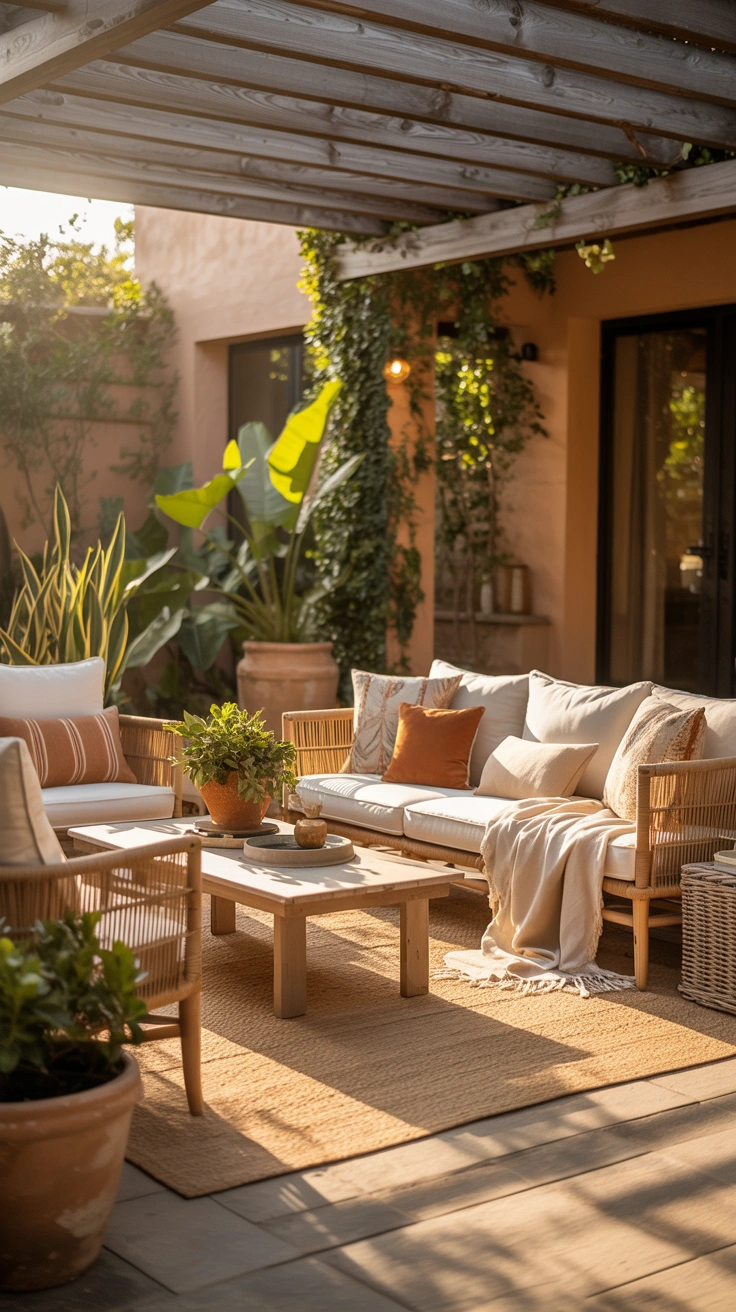
The outdoor living room that looks genuinely extraordinary is almost always the one styled with the same level of care and intentionality as the most beautiful room inside the house. Outdoor styling is not a soft add-on — it’s the design layer that communicates genuine care and completes the room.
Coordinating ceramic pots in consistent glazes. Quality outdoor lanterns in a complementary metallic finish. A botanical arrangement on the central surface — seasonal flowers, herbs, or dried botanicals in a weather-appropriate vessel. Outdoor cushions in a consistent colour palette. These styling details transform a well-furnished outdoor area into a genuinely designed outdoor room that looks and feels extraordinary.
14. Use It Daily
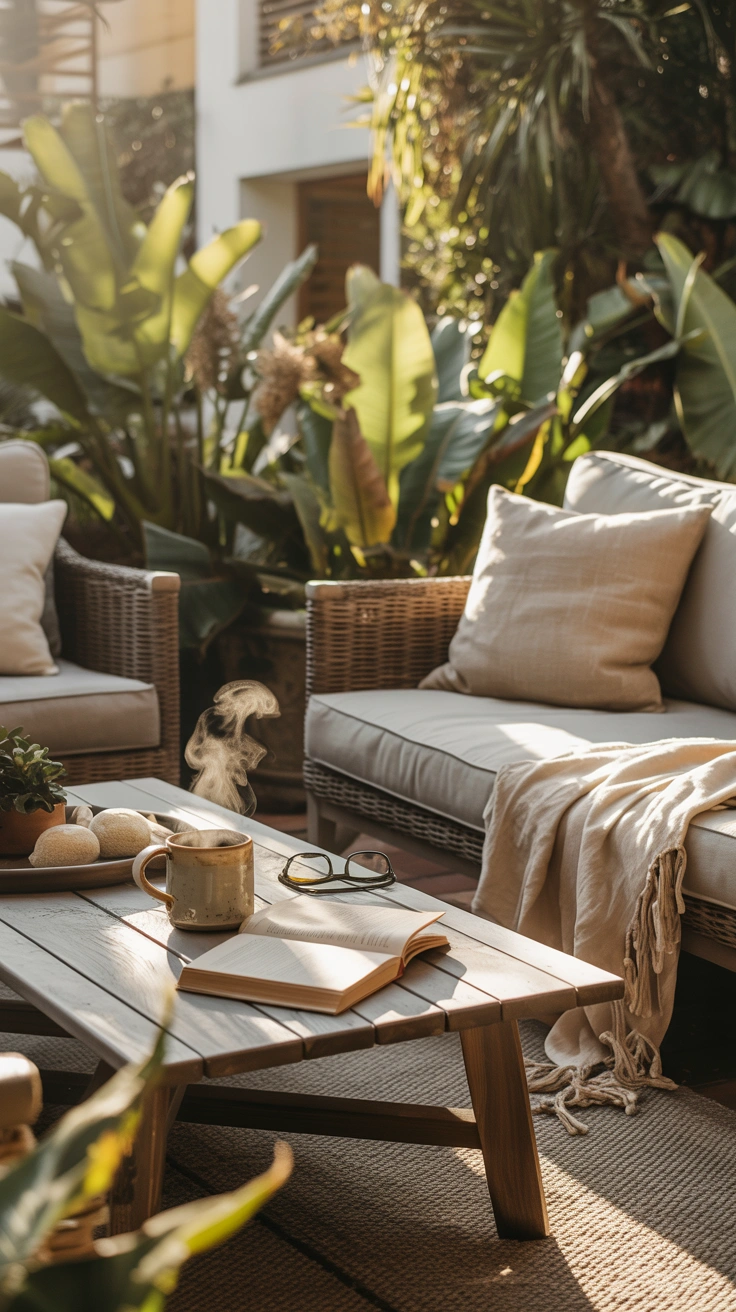
IMO, the most important step in building an outdoor living room that genuinely becomes your favourite space is simply committing to using it as often as the weather allows — because an outdoor room that’s kept pristine and rarely used is not a living room, it’s an outdoor showpiece.
Bring your morning coffee outside. Work from the outdoor space one afternoon a week. Have dinner there whenever the weather is remotely cooperative. The outdoor room that is genuinely, habitually used develops the specific quality of worn-in comfort and organic warmth that only real use creates. And once it becomes habitual, you’ll find yourself checking the weather forecast not to know what to wear, but to know how much time you can spend outside.
Wrapping Up
Fourteen steps that build the outdoor living room properly and in the right order — from honest site assessment and boundary definition through flooring, seating, shade, lighting, fire, plants, styling, and the daily habit that transforms an outdoor space from a design project into a genuine room you live in.
The outdoor living room rewards the quality of thinking you bring to it at least as much as the budget you apply. A modest space designed with genuine intention consistently outperforms an expensive space that hasn’t been properly planned.
Build yours this season. Then spend the rest of the year wondering why you waited as long as you did.