10 Small Minimalist Bedroom Ideas That Prove Less Really Is More
There’s something quietly revolutionary about a small bedroom done right. Not crammed with furniture and apologies for its size, but intentionally edited, beautifully calm, and genuinely restful in a way that larger, busier rooms rarely achieve. The minimalist bedroom in a small space isn’t a compromise — it’s actually the ideal application of minimalist principles, because the philosophy of keeping only what matters is most powerful when space is genuinely limited. I lived in a tiny apartment bedroom for two years and spent the first six months fighting the size before finally embracing it — and the shift from cluttered and claustrophobic to calm and considered changed how I slept, how I felt waking up, and how the rest of my day started. If your small bedroom has been feeling more stressful than restful, these 10 ideas will show you exactly how to change that.
1. Get the Small Bedroom Layout Right First
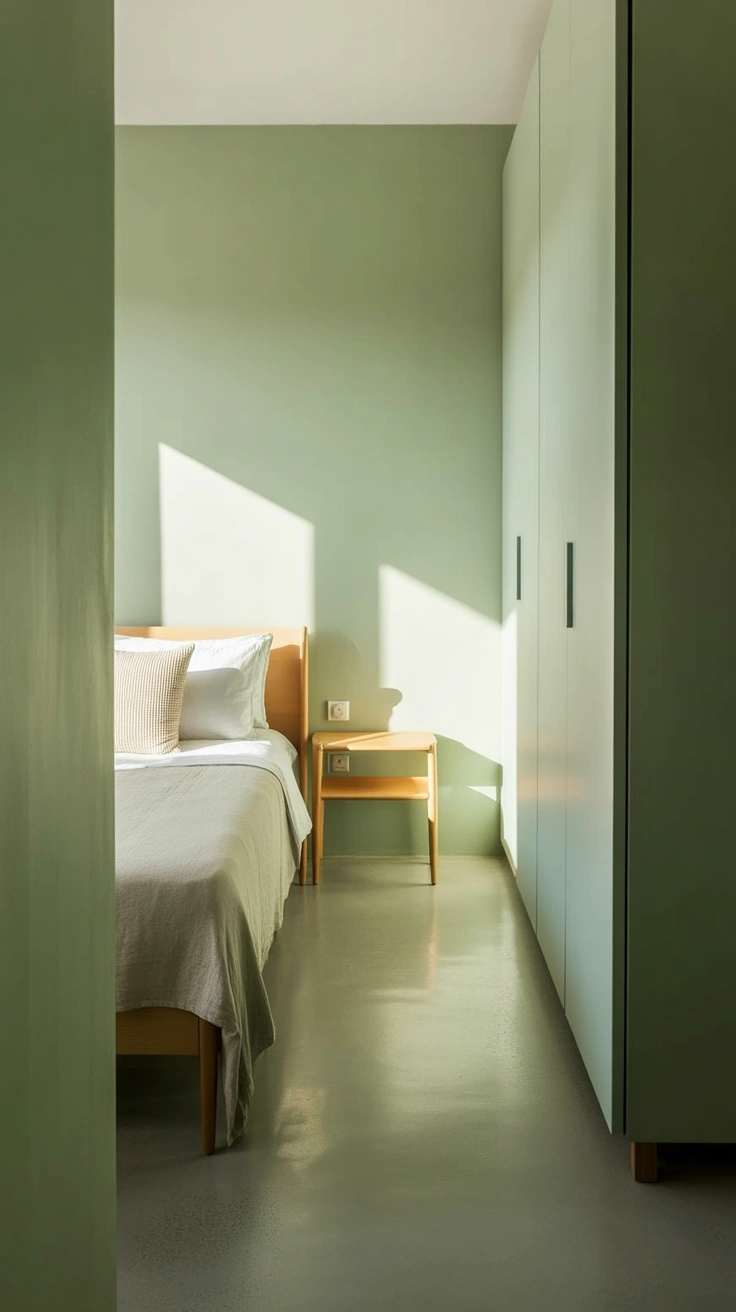
Before any design decisions are made, the small bedroom layout minimalist approach begins with furniture arrangement — and getting this right is the single most impactful decision available to a small bedroom. The wrong layout makes a small room feel chaotic and cramped. The right one makes it feel intentional and spacious.
In most small bedrooms, the bed should be positioned against the longest wall or in a corner — freeing the maximum amount of clear floor space in front of it. This visible floor space is not wasted space; it’s visual breathing room that makes the entire room feel more generous. Keep the path from the door to the bed and from the bed to the wardrobe completely clear. In a truly tiny minimalist bedroom, clear floor is a design feature as much as a practical one.
2. Choose a Platform Bed With Storage
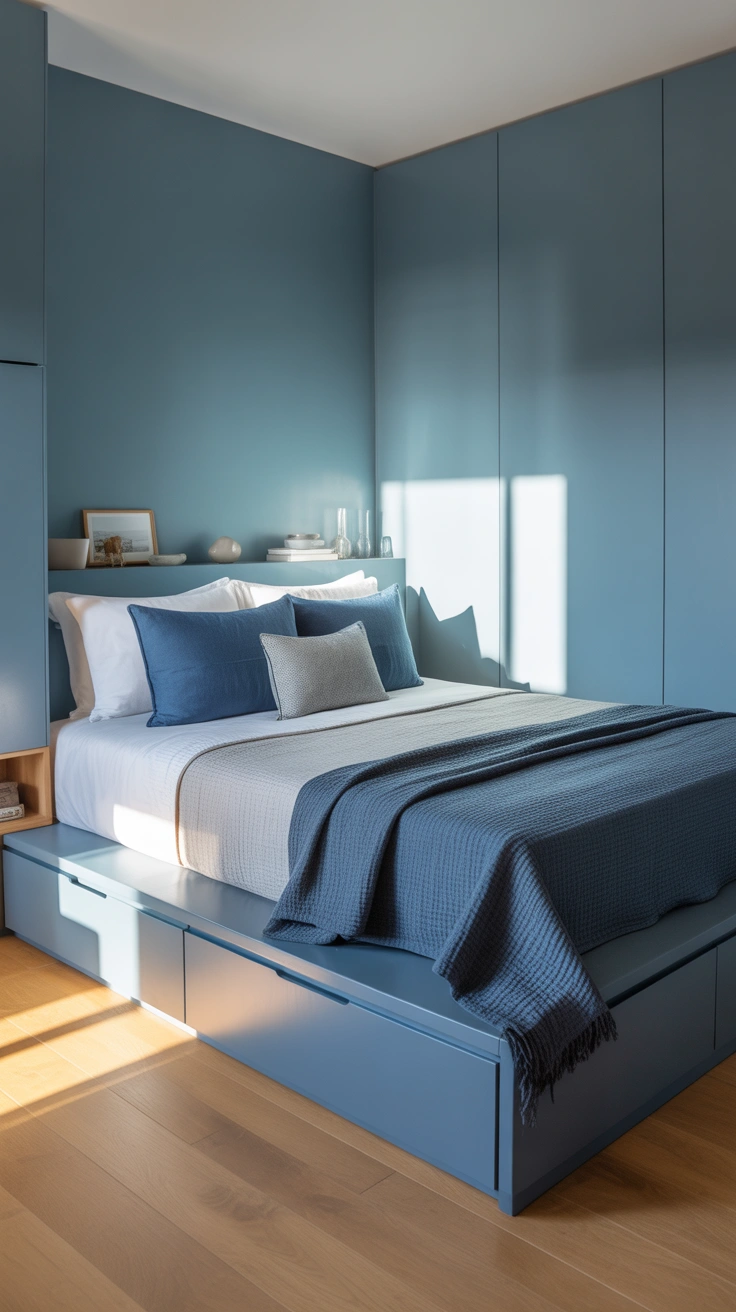
The bed in a small space minimalist bedroom does double duty — it’s the room’s primary piece of furniture and, in the best configurations, its primary storage solution too. A platform bed with integrated storage drawers beneath removes the need for a separate dresser or chest of drawers, dramatically reducing the room’s overall furniture footprint.
Platform beds also sit close to the ground, which creates a visual lowering effect that makes ceilings feel proportionally taller in compact rooms. Choose a simple, clean-lined frame without ornate headboard detailing — the minimal small bedroom ideas philosophy applies as much to the bed’s aesthetic as to everything around it. A bed that is both visually restrained and functionally generous is the ideal choice for any apartment bedroom minimalist configuration.
3. Embrace a Pale, Warm Neutral Palette
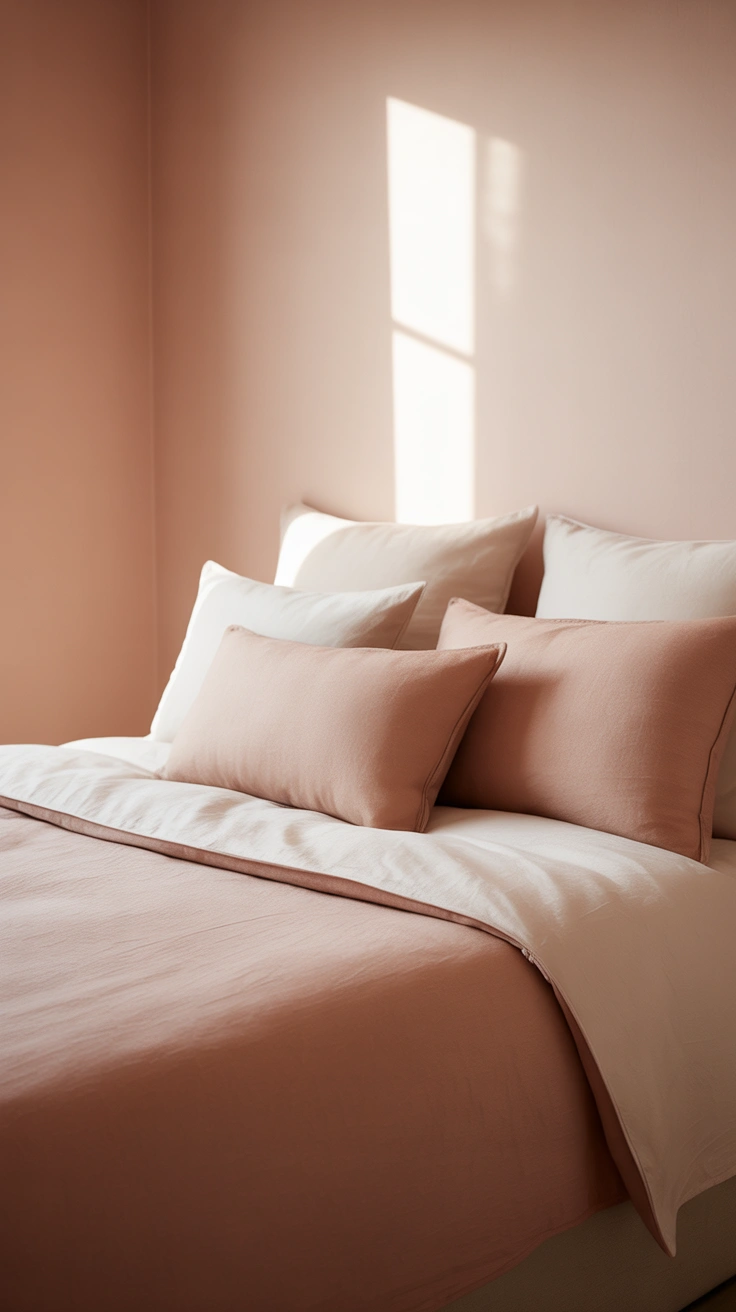
Color is one of the most powerful tools in any minimal bedroom design small spaces project — and the right palette can make a small bedroom feel significantly larger and more open than its actual dimensions. Pale, warm neutral tones reflect light back into the room from every surface, creating a luminosity that visually expands the space.
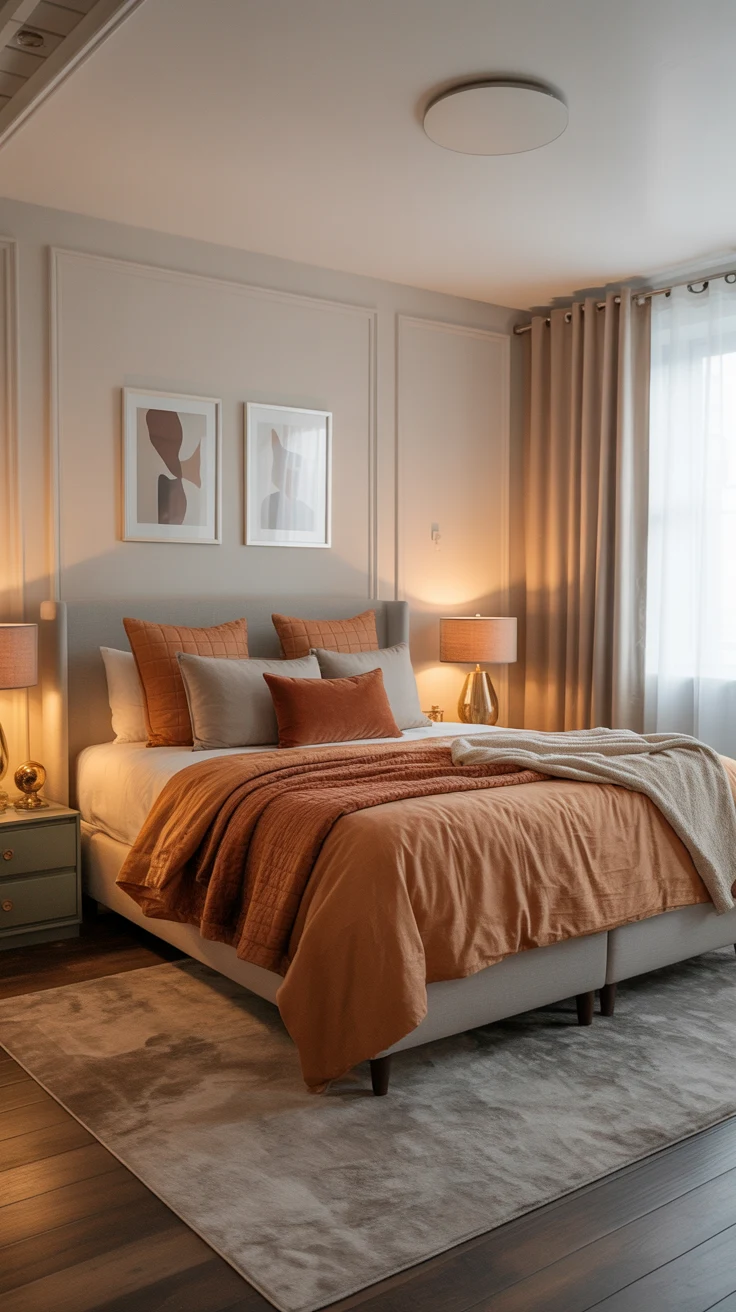
Warm white, soft cream, pale sand, and warm greige are the most effective colors for a tiny bedroom ideas minimalist scheme. The warmth in these tones prevents the room from feeling cold or clinical — a common concern with pale palettes in small spaces. Apply the same or closely related tones to walls, ceiling, and bedding for a tonal continuity that eliminates the visual fragmentation of high contrast and makes the room feel seamlessly generous.
4. Use Vertical Space Aggressively
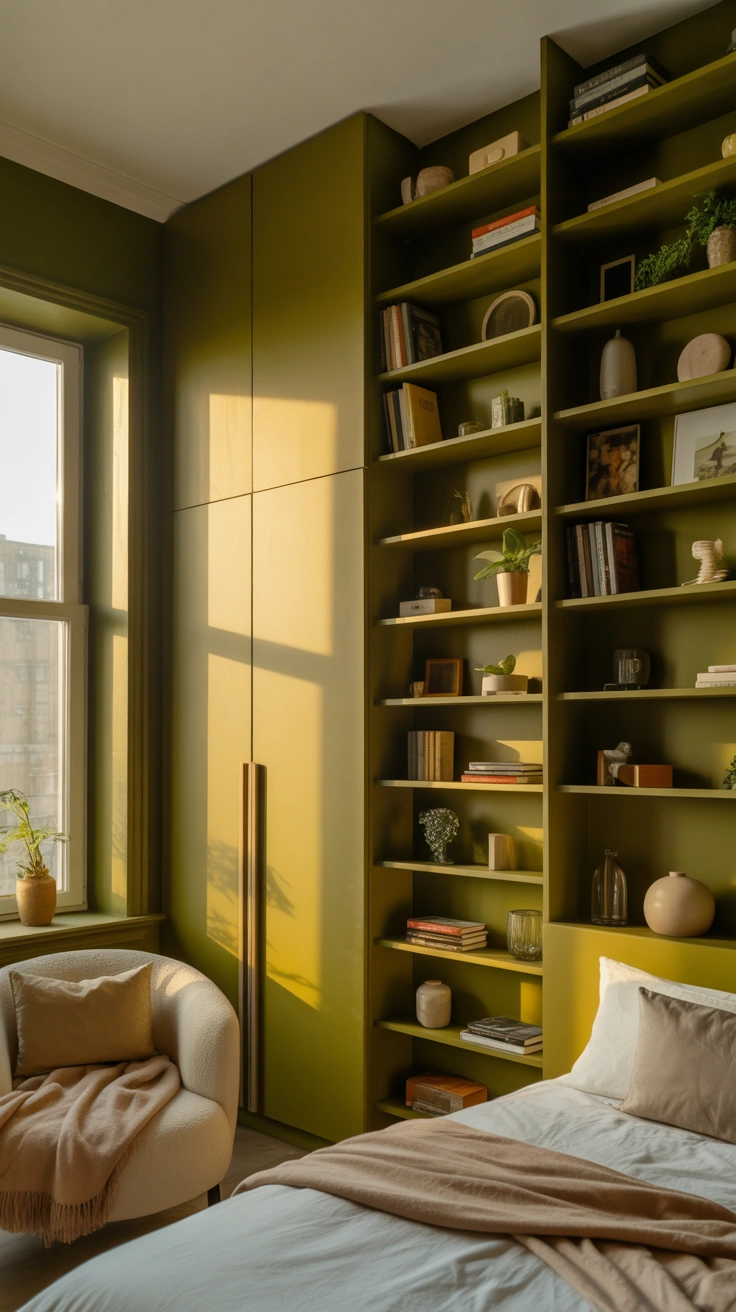
In any small room design ideas minimalist project, horizontal floor space is the scarcest resource — and vertical wall space above standard furniture height is the most underutilized one. Directing storage and design energy upward rather than outward is the principle that unlocks the small bedroom’s hidden potential.
Floor-to-ceiling shelving on one wall creates a library effect that adds significant storage and genuine visual character simultaneously. Wall-mounted floating shelves above the bed replace bedside tables without using any floor space. A tall, slim wardrobe that reaches the ceiling maximizes hanging and shelf storage within a minimal floor footprint. FYI — the visual effect of vertical storage also draws the eye upward, which makes the ceiling feel higher and the room feel more spacious than standard-height furniture arrangements allow.
5. Keep the Bed Dressed Simply
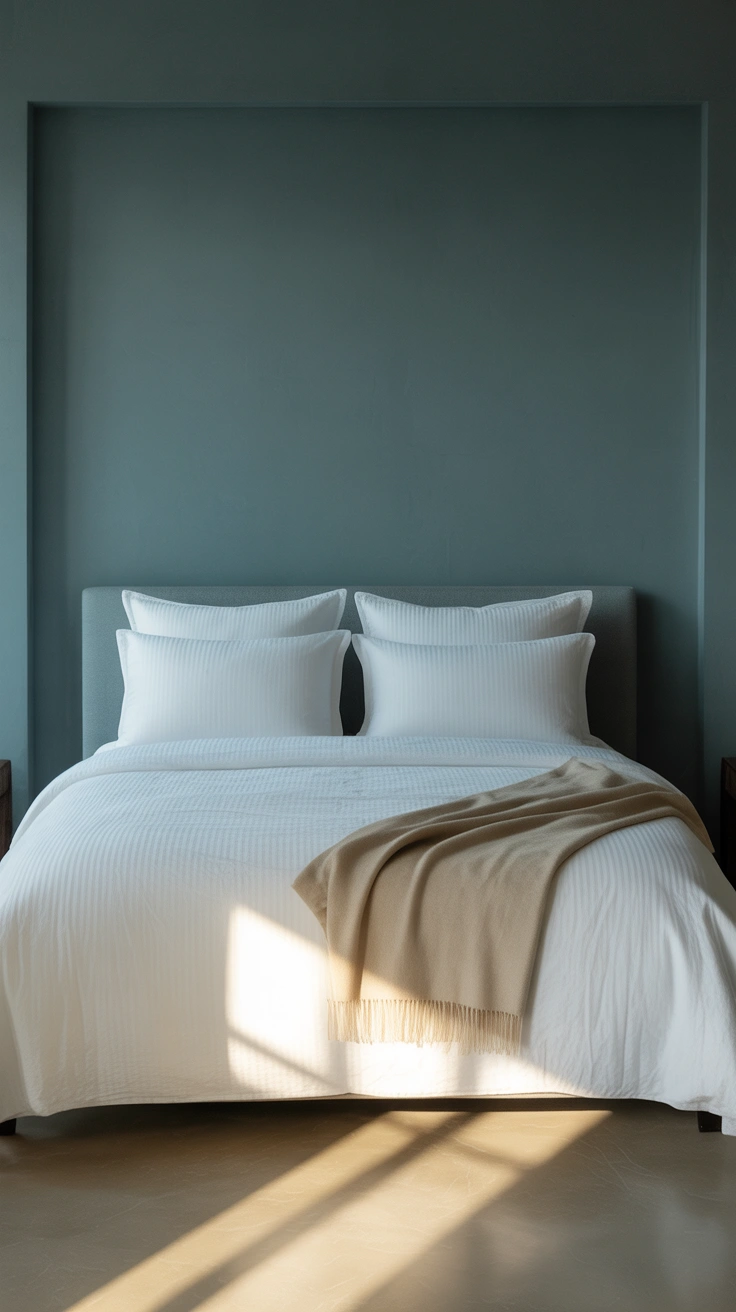
The bed in a minimalist bedroom small simple aesthetic should look calm, clean, and deliberately understated rather than abundantly cushioned and layered. The impulse to add multiple decorative pillows, complex layered bedding, and patterned throws is understandable — but in a small minimalist bedroom, it creates visual noise that makes the room feel busier and smaller than it actually is.
A Minimal Bed Dressing Formula:
- Two sleeping pillows in plain white or warm neutral pillowcases
- One duvet in a natural linen or cotton cover in a warm neutral tone
- One folded throw at the foot of the bed in a complementary tone
- Nothing else
This restraint is the specific visual discipline that makes minimalist bedroom design work — and the simplicity of a well-made, simply dressed bed in a small room creates a calm that guests always comment on and that you feel every morning upon waking.
6. Choose Floating Furniture Where Possible
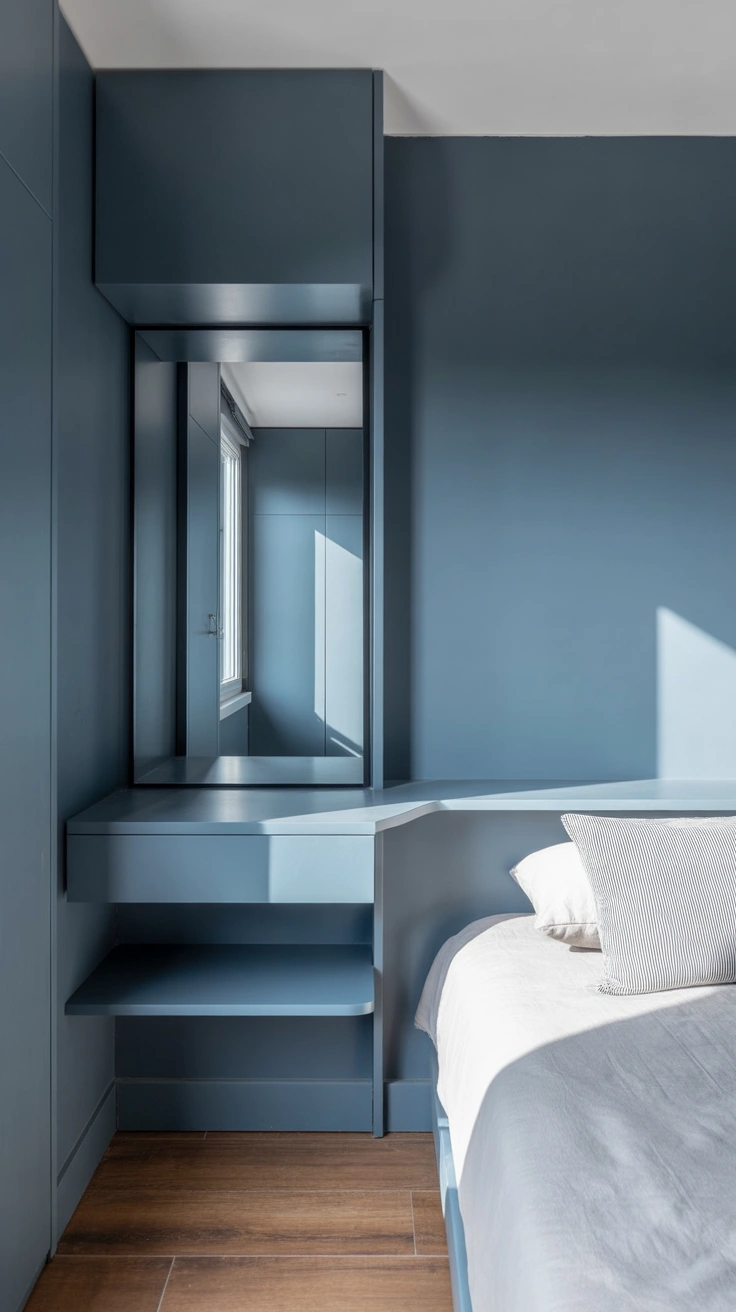
One of the most effective small bedroom layout minimalist strategies is replacing floor-standing furniture with wall-mounted floating alternatives wherever possible. Floating furniture eliminates the visual weight of legs and bases, allows the floor to read as a continuous uninterrupted surface, and creates the sense of the room being lighter and more spacious than it physically is.
Floating bedside shelves instead of nightstands. A wall-mounted desk that folds away when not in use. Floating shelving in place of a bookcase. Each floating element returns visible floor space to the room and contributes to the clean, uncluttered aesthetic that defines the tiny minimalist bedroom at its most effective. Even removing one piece of floor-standing furniture and replacing it with a wall-mounted alternative makes a measurable difference to how the room reads.
7. Edit Down to What Genuinely Belongs
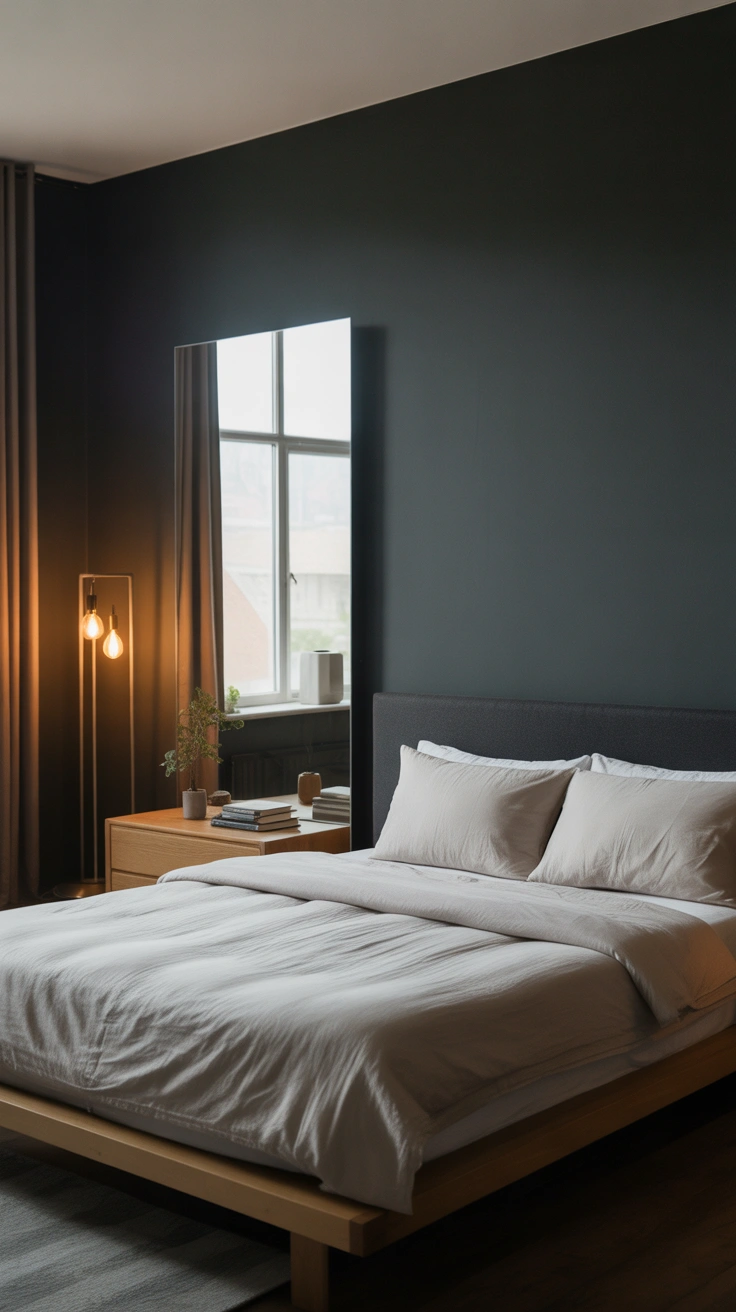
The minimalist bedroom philosophy has one core practice that underlies every other design decision: editing. Removing everything from the room that doesn’t serve a clear function or contribute genuine visual beauty — and maintaining that standard actively over time rather than allowing gradual accumulation to undo the work.
Walk through your bedroom right now and assess every visible object honestly. The pile of books you haven’t touched in months. The decorative objects that don’t make you feel anything when you look at them. The extra chair that holds clothes rather than serving anyone. Remove them. The small room design ideas minimalist approach is not about deprivation — it’s about the specific, daily pleasure of a room that contains exactly what matters and nothing else. That feeling is genuinely different from anything clutter allows.
8. Maximize Natural Light

Natural light is the most effective and most affordable space-expanding tool in any minimal small bedroom ideas project — and maximizing every available source of it makes a measurable difference to how large, how warm, and how genuinely pleasant a small bedroom feels throughout the day.
Keep window treatments minimal and light — sheer linen curtains that filter light softly without blocking it, or a simple roller blind that retracts fully when not needed. Avoid heavy curtains or dark window treatments in a small minimalist bedroom unless blackout for sleep is a genuine priority, in which case use a discreet blackout roller concealed behind a sheer. Position a mirror on the wall opposite or adjacent to the window to reflect natural light deeper into the room — this single addition can visually double the amount of light in a compact space.
9. Create a Single Styled Surface
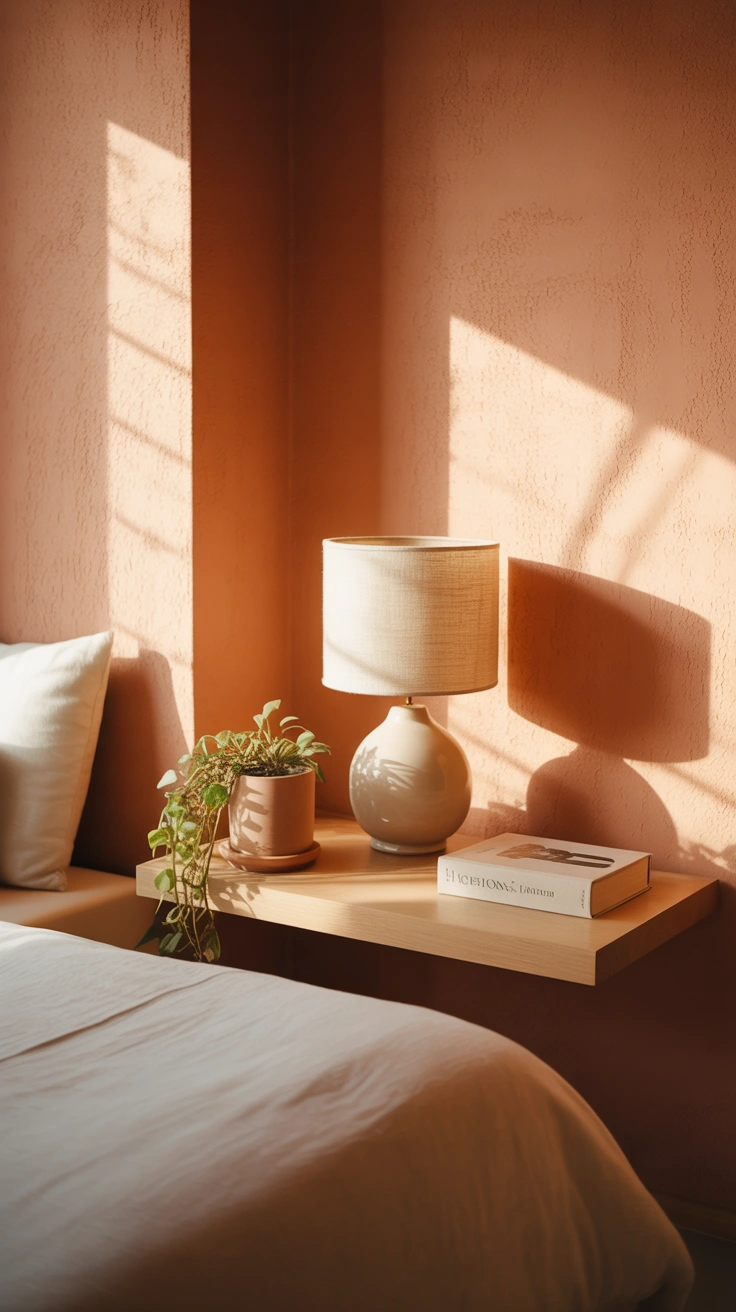
In a minimalist bedroom, every visible surface is prominent — which means every object on every surface matters significantly. The solution in a small space minimalist bedroom isn’t to clear every surface completely (which can feel sparse and impersonal) but to curate one or two surfaces with genuine intentionality and keep everything else completely clear.
The nightstand or floating bedside shelf is the ideal surface for this curation. One lamp that provides warm, functional light. One small plant or a dried botanical stem in a simple vase. One book that’s currently being read. Nothing more. This single styled surface adds warmth, personality, and the quality of genuine human habitation to the minimal bedroom without introducing the visual noise that additional objects would create.
10. Treat Every Detail as a Design Decision
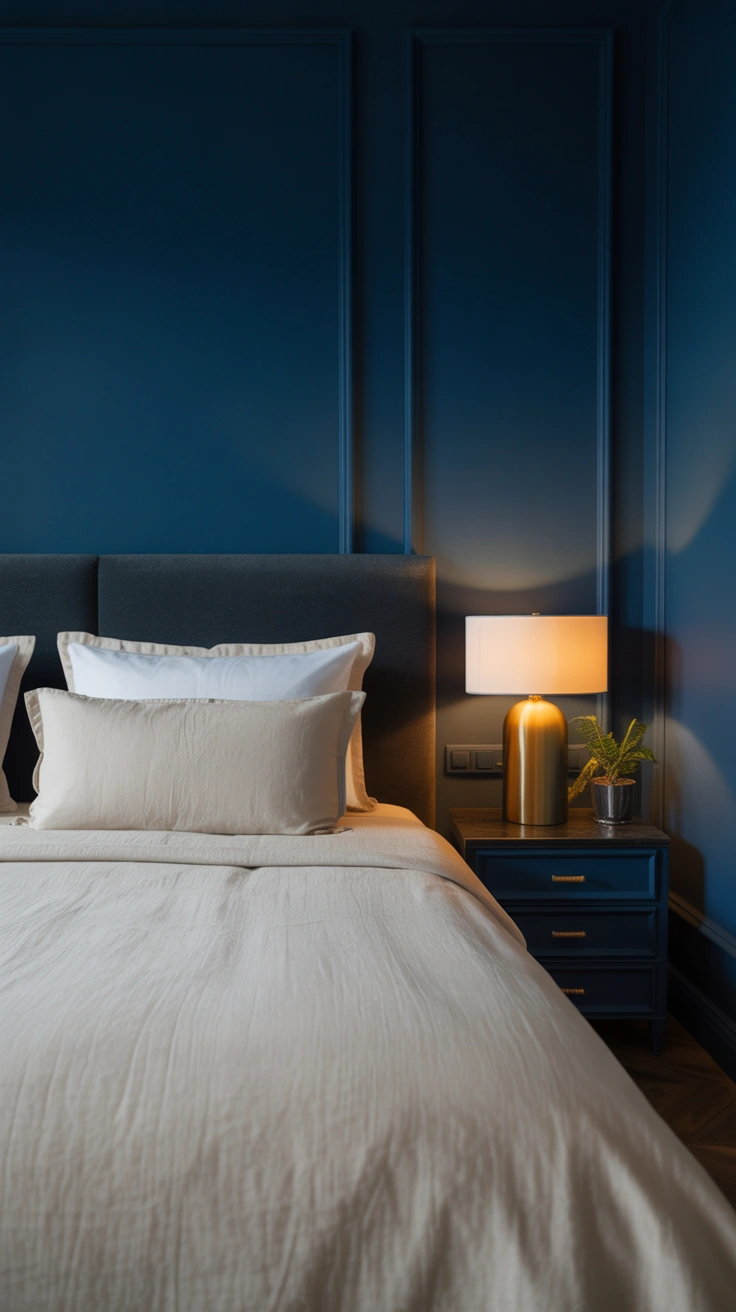
The tiny bedroom ideas minimalist philosophy reaches its fullest expression when even the smallest, most easily overlooked details have been actively considered rather than defaulted to. The door handle. The light switch. The lamp shade. The hanger style in the wardrobe. In a small room where everything is visible and prominent, these details contribute meaningfully to the overall quality of the space.
IMO, the most underappreciated detail in any apartment bedroom minimalist project is the quality and consistency of the room’s light sources. A warm-toned bedside lamp with a shade that diffuses light gently creates a completely different evening atmosphere from a bare bulb or a harsh white light. The lamp doesn’t need to be expensive — it needs to create the right quality of light. In a minimal small bedroom, that light quality is the difference between a room that feels calm and one that just feels empty.
Small Minimalist Bedroom Final Checklist:
- Bed positioned to maximize clear floor space
- Platform bed with storage drawers replacing separate storage furniture
- Pale warm neutral palette applied consistently across all surfaces
- Vertical storage used to free floor space and draw the eye upward
- Bed dressed simply — two pillows, one duvet, one throw
- At least one floor-standing piece replaced with a floating wall-mounted alternative
- Every visible object actively chosen rather than accumulated
- Natural light maximized through minimal, light window treatments
- One curated bedside surface containing three intentional objects only
- Every detail — lamp quality, switch style, hardware — actively considered
These ten elements together create a small bedroom that doesn’t feel like it’s making do. It feels like it’s doing exactly what a bedroom should do: providing the most restful, most calming, most genuinely restorative environment possible within the space available.
Wrapping Up
The small minimalist bedroom is not a consolation prize for people who wish they had more space. It’s a design challenge with a deeply satisfying solution — one that requires genuine discipline, genuine editing, and the confidence to live with only what matters. The ten ideas in this article address every dimension of that challenge: layout, furniture, color, light, storage, surface styling, and the ongoing practice of removing what doesn’t belong.
What makes minimalist design so particularly powerful in a small bedroom is the compounding effect of restraint. Each thing you remove makes everything remaining look better. Each clear surface makes the room feel more generous. Each considered detail makes the overall space feel more intentional. Build these ten ideas together and the small bedroom stops being something you apologize for and becomes something you genuinely show off.
And honestly? A small bedroom done this well makes a large, cluttered one look like it’s trying too hard.