How To Style A Coffee Table That Make Your Living Room Look Designed
The coffee table is the most looked-at surface in the living room — and yet most people treat it as a dumping ground for remote controls, last week’s magazines, three coasters that don’t match, and a candle that’s been there so long it’s become invisible. The coffee table sits at the exact centre of the room’s primary seating arrangement, at the exact height most visible from the sofa, and in the exact position that the eye naturally rests when sitting in the room. What it looks like matters disproportionately. A beautifully styled coffee table transforms the impression of the entire living room — making the room look considered, curated, and genuinely designed. A neglected one undermines even beautiful furniture and great paint choices. I restyled my coffee table from scratch one Sunday afternoon and the result changed how the whole room felt. These 17 tips cover every principle of getting it exactly right.
1. Clear Everything Off First
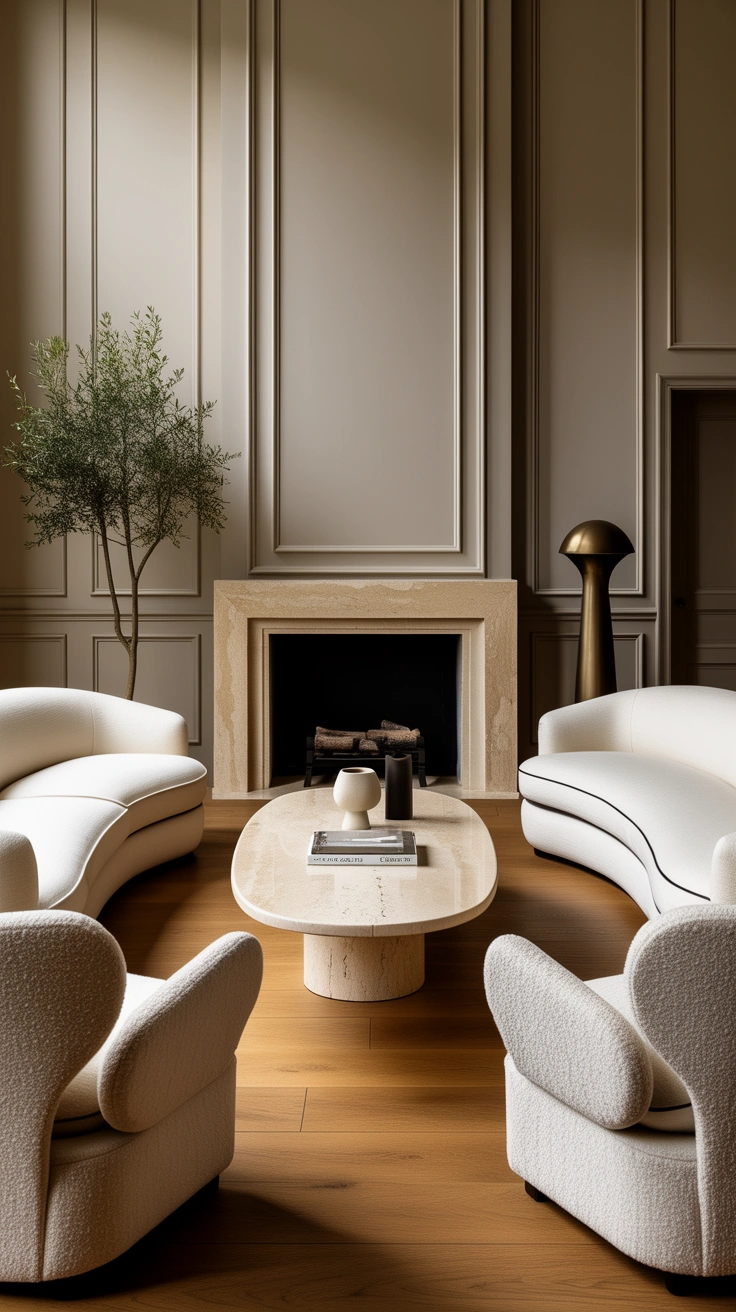
Before any styling decision is made, the coffee table needs to be completely empty. Every remote, every magazine, every random object that has accumulated needs to be removed entirely — because you cannot create a styled arrangement by working around clutter that’s already there.
Remove everything. Look at the empty surface. This is your blank canvas. The objects that return to this surface will be actively chosen rather than passively left there — and that distinction between chosen and abandoned is the entire difference between a styled coffee table and a crowded one. The empty surface is already an improvement on most coffee tables in most living rooms.
2. The Rule of Three
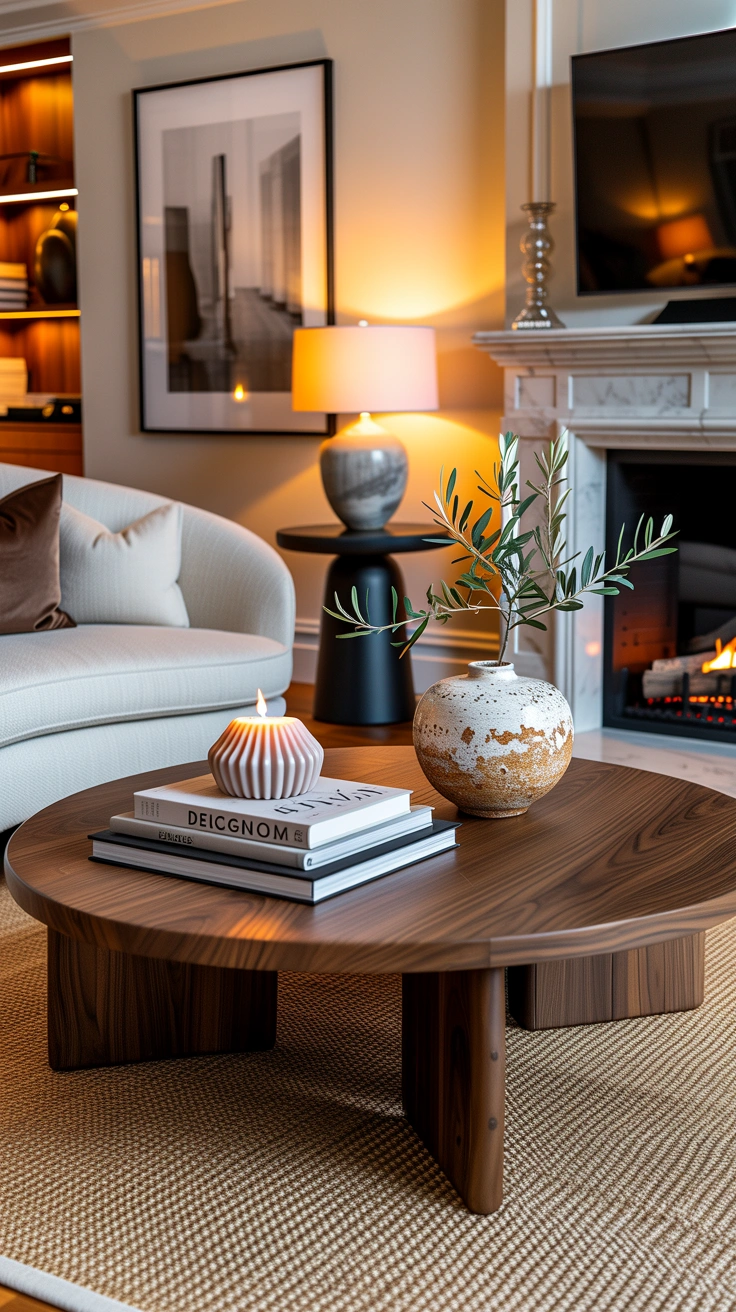
The most reliable compositional principle in coffee table styling is working in odd numbers — specifically groups of three objects. Three objects create a dynamic, visually interesting composition that feels balanced without being symmetrical. Two objects can feel paired and static. Four can feel busy. Three is the working number for any individual group on the table surface.
Apply the rule of three to the entire table surface as well as within individual groups. A living room coffee table typically looks best with two or three clearly defined object groups rather than a single large collection or many small individual items scattered independently. Odd numbers create the visual rhythm that makes a styled surface look curated rather than arranged.
3. Height Variation Creates Composition
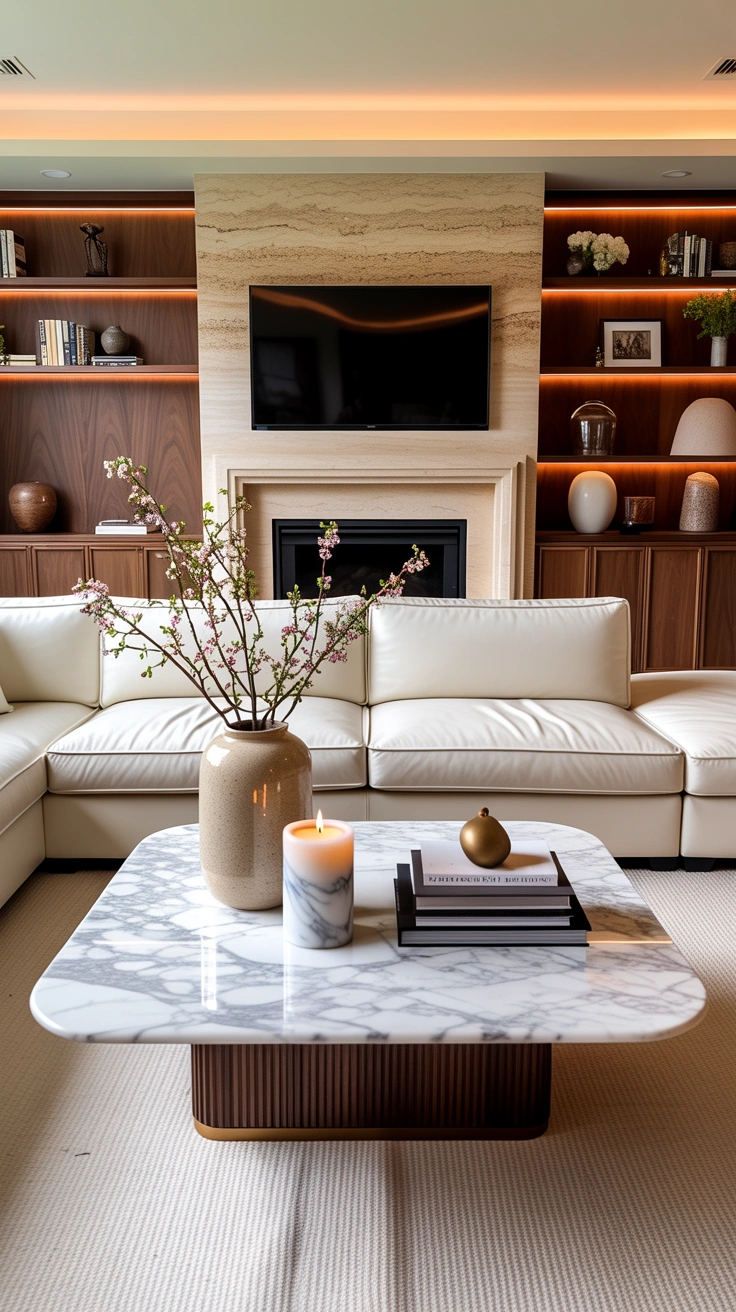
A coffee table with all objects at the same height looks flat and staged — like objects placed rather than composed. The principle that most immediately elevates any coffee table styling from adequate to genuinely beautiful is creating distinct variation in height across the arrangement.
Work with three heights: tall, medium, and low. A tall element provides vertical interest — a vase with stems, a tall candle, a stack of books with a tall object on top. A medium element — a substantial candle, a decorative bowl, a plant — sits at the central height layer. A low element — a flat book, a small dish, a single stone — anchors the arrangement at the table’s surface level. This three-tier height approach creates the visual depth and rhythm that makes a coffee table look genuinely designed.
4. The Tray as Anchor
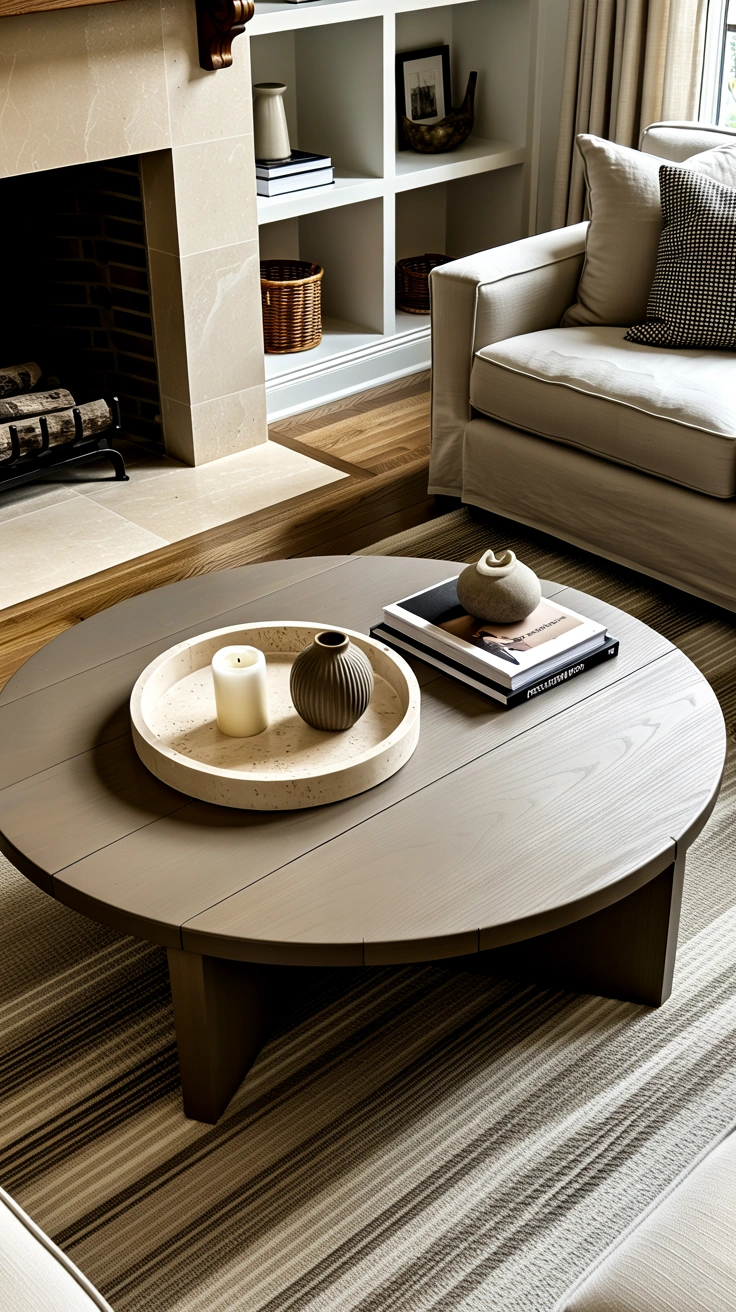
A tray is the single most effective styling tool on any coffee table — because it creates a visual and physical boundary within which objects exist as a composed unit, while the rest of the table surface outside the tray remains deliberately clear. The tray makes the styling look intentional rather than simply present.
A marble, wooden, lacquered, or woven tray in a material that complements the coffee table and room palette. Position it to one side of the table rather than centrally — this creates visual asymmetry that is more dynamic and more interesting than a centred tray. Within the tray, the three-object height rule applies: one tall element, one medium, one low. Outside the tray, perhaps one or two additional objects with clear space between them.
5. Books as Foundation Objects
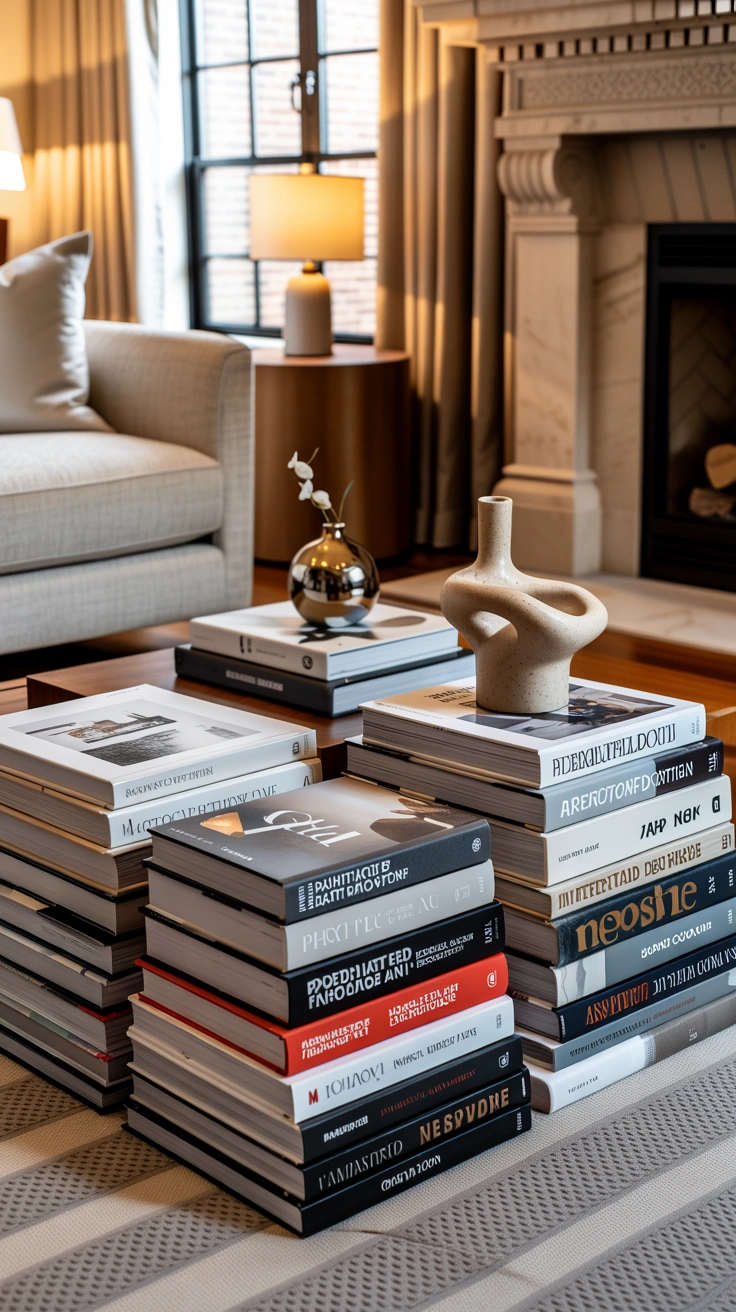
Stacked books are the most versatile and most widely applicable coffee table styling element available — they provide height variation, introduce personality through their subject matter and cover design, create a natural platform for objects placed on top of them, and communicate that the person who lives here has genuine interests.
A stack of two or three books with beautiful covers or spines placed horizontally creates the low-to-medium height layer in any coffee table arrangement. A single book stood vertically adds a different format for variety. Books with complementary spine colours create the most visually cohesive result — though books genuinely relevant to your interests are always more authentic and more interesting than decorative-only selections. The stack also provides a platform for a small object placed on top — elevating it slightly above the surface for visual interest.
6. The Plant or Botanical Element
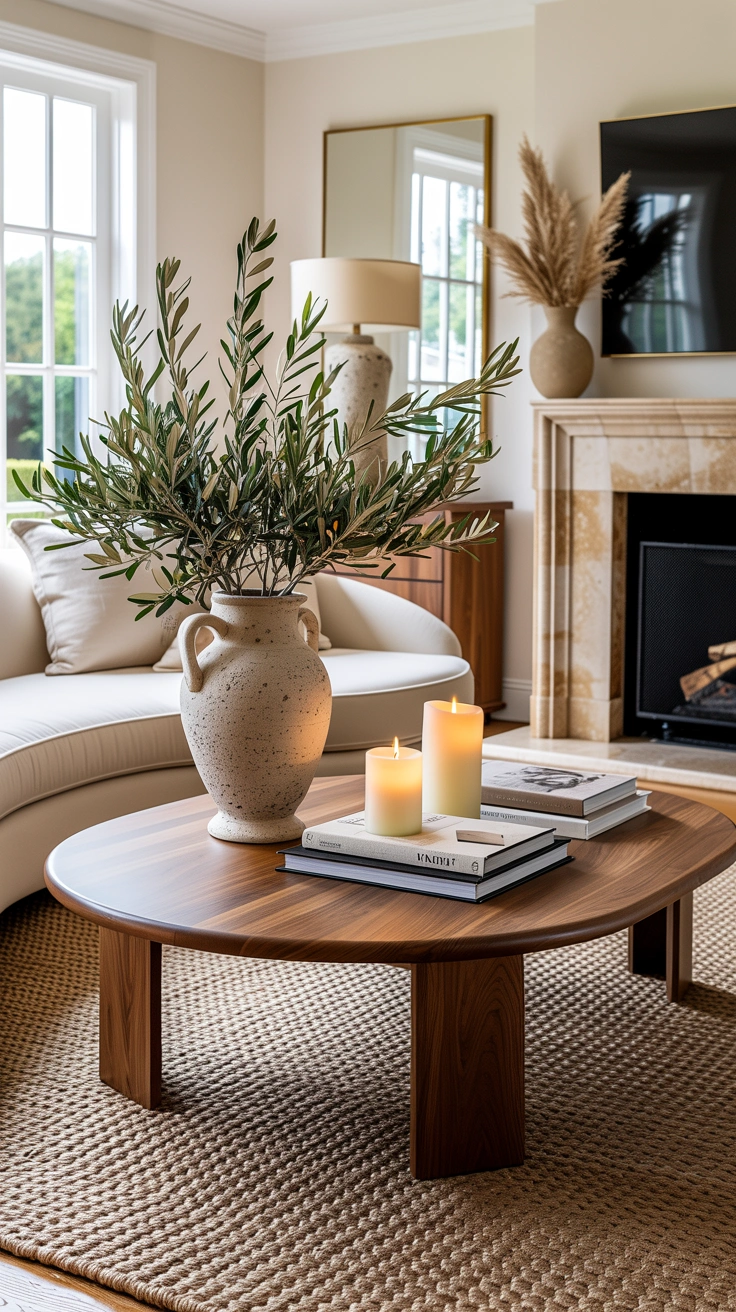
A living plant or fresh botanical stem is the coffee table element that most powerfully transforms the arrangement from a collection of objects to something that feels genuinely alive and cared for. A real plant on a coffee table communicates daily attention and warmth that manufactured objects can’t replicate.
A small, low-profile succulent or air plant in a quality ceramic pot suits a coffee table’s scale. A single fresh stem in a small, slim vase — a garden rose, a branch of eucalyptus, a sprig of seasonal botanicals — creates maximum elegance with minimum surface footprint. Dried botanicals — dried grasses, preserved flower stems — add organic character without requiring maintenance. Any one of these brings the organic warmth that lifts a coffee table arrangement from styled to genuinely beautiful.
7. Candles — Function and Beauty Combined
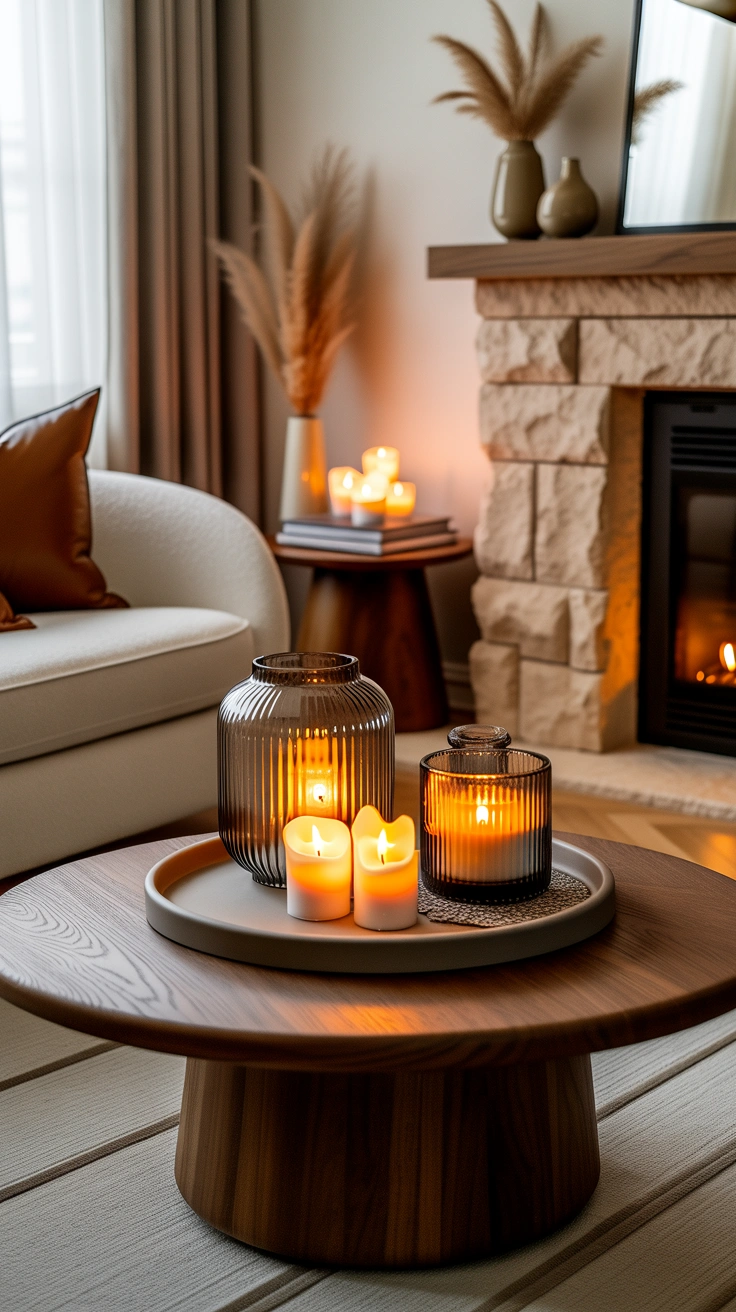
A quality candle on the coffee table is simultaneously a decorative object, a scent element, and a functional lighting source for evening atmosphere — making it one of the highest-return styling additions available. The coffee table candle in use in the evening creates the warm, intimate living room atmosphere that ambient lighting and good furniture alone can’t fully achieve.
Choose a candle in a beautiful vessel — ceramic, glass, or stone — rather than a basic paraffin candle in a plain glass. Position it at the medium-height layer of the arrangement. Light it during the evening hours to add flickering warmth to the room’s atmosphere. Choose a warm, complementary fragrance that belongs to the room’s overall sensory palette — amber, sandalwood, warm citrus, or clean linen. The lit candle transforms the coffee table from styled to atmospherically alive.
8. Proportion to the Table
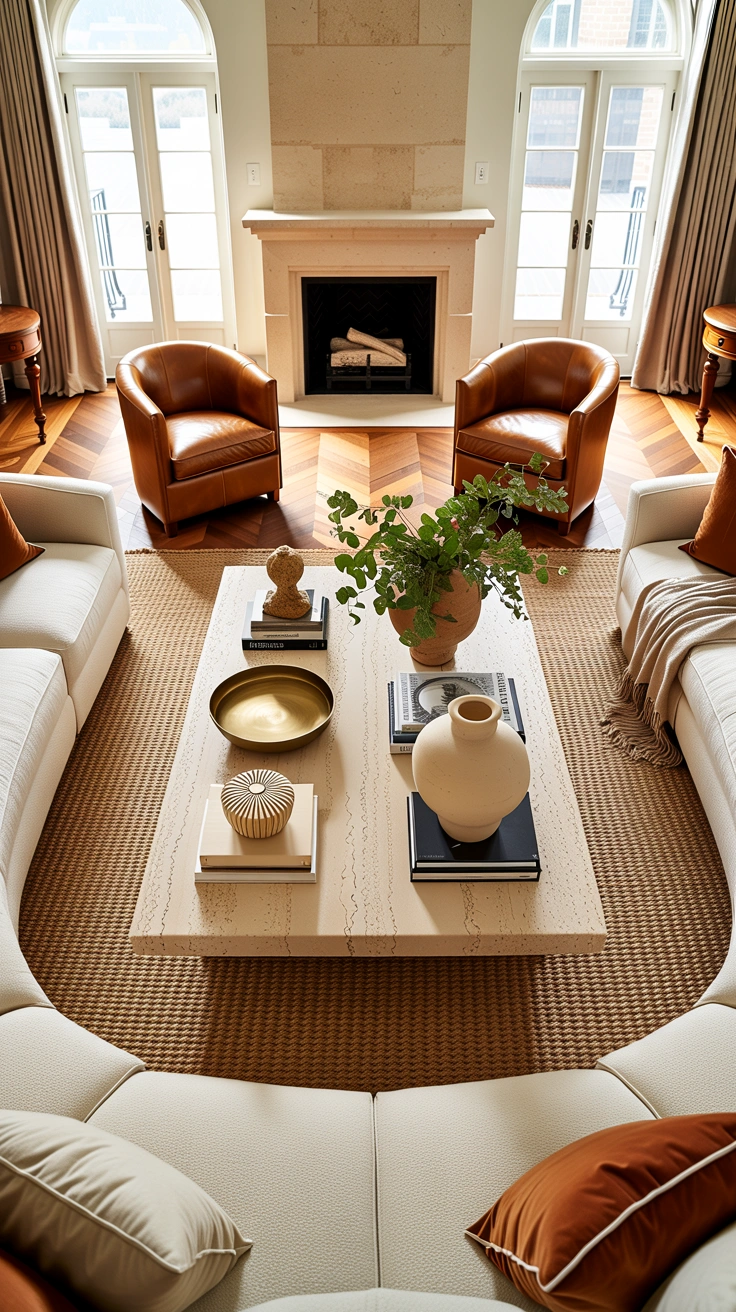
The scale of objects on a coffee table should be proportionate to the table’s size — and this proportion question is one that most coffee table styling guidance ignores. Objects that are too small for the table disappear. Objects that are too large dominate and crowd. Objects correctly proportioned to the table create the sense that everything belongs and was chosen for this specific space.
A large coffee table — above 120cm length — can support a generous tray arrangement, a substantial plant, and several additional objects without looking sparse. A smaller coffee table — under 80cm — needs fewer, carefully chosen objects with more visible surface space between them. A too-crowded small coffee table always looks more cluttered than a generously filled large one.
9. The Negative Space Principle
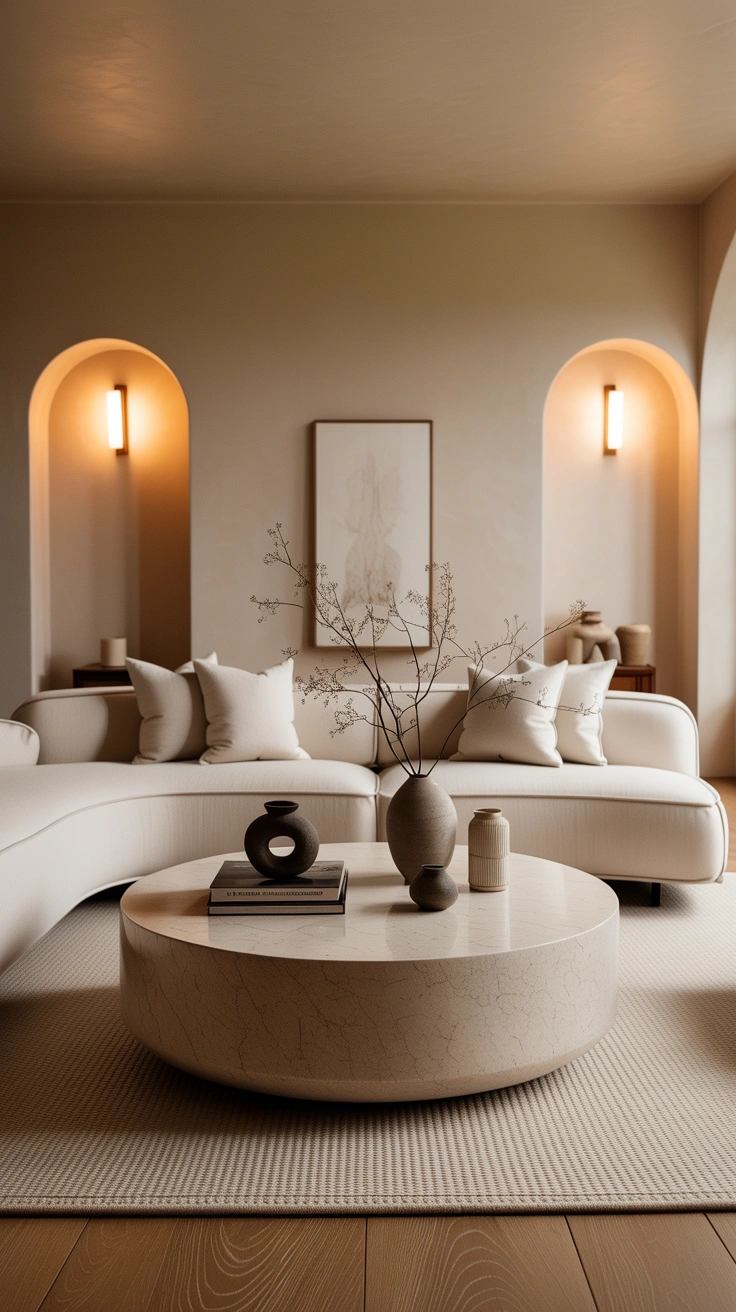
The empty surface visible on a coffee table is not wasted space — it is the negative space that makes every object placed on the table look better and more intentional. A coffee table with clear, visible surface between its styled groupings looks significantly more considered than the same table with objects filling every inch.
Aim for at least 40% of the coffee table’s surface to remain clearly visible after styling. The eye needs this space to rest between the object groups — and without it, the arrangement looks crowded rather than curated. The negative space is a designed element as deliberate as any object on the surface.
10. Seasonal Updates Keep It Fresh
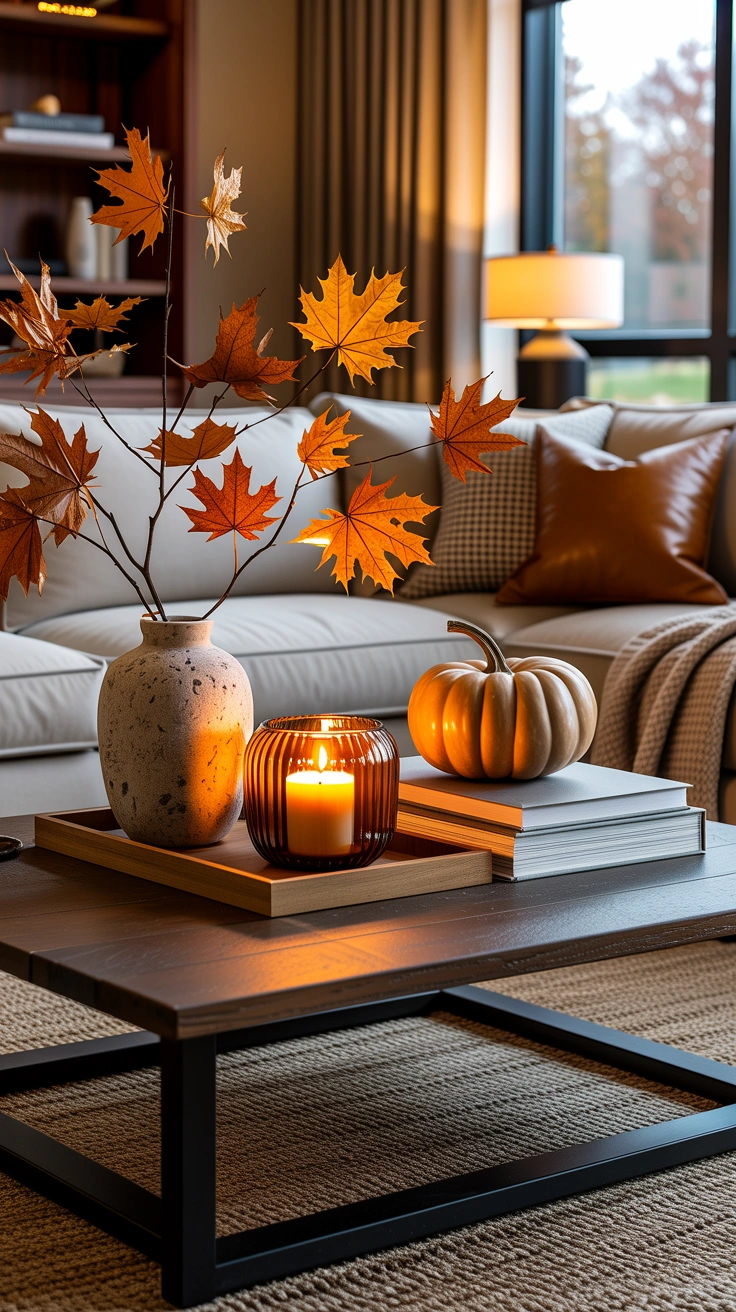
A coffee table styled once and never changed gradually becomes invisible — the eye adapts to it and stops registering it as a designed element. Seasonal updates to one or two elements keep the styling fresh, maintain its visual impact, and communicate that the arrangement is actively maintained rather than simply left in place.
Swap the vase stem seasonally — a cherry branch in spring, sunflowers in summer, dried orange slices and cinnamon in autumn, evergreen stems in winter. Change the candle fragrance to match the season. Add one seasonal object — a small pumpkin in autumn, a pinecone in winter — and remove it when the season passes. These small seasonal touches cost very little and keep the coffee table feeling current and cared for throughout the year.
11. Matching Materials Create Coherence
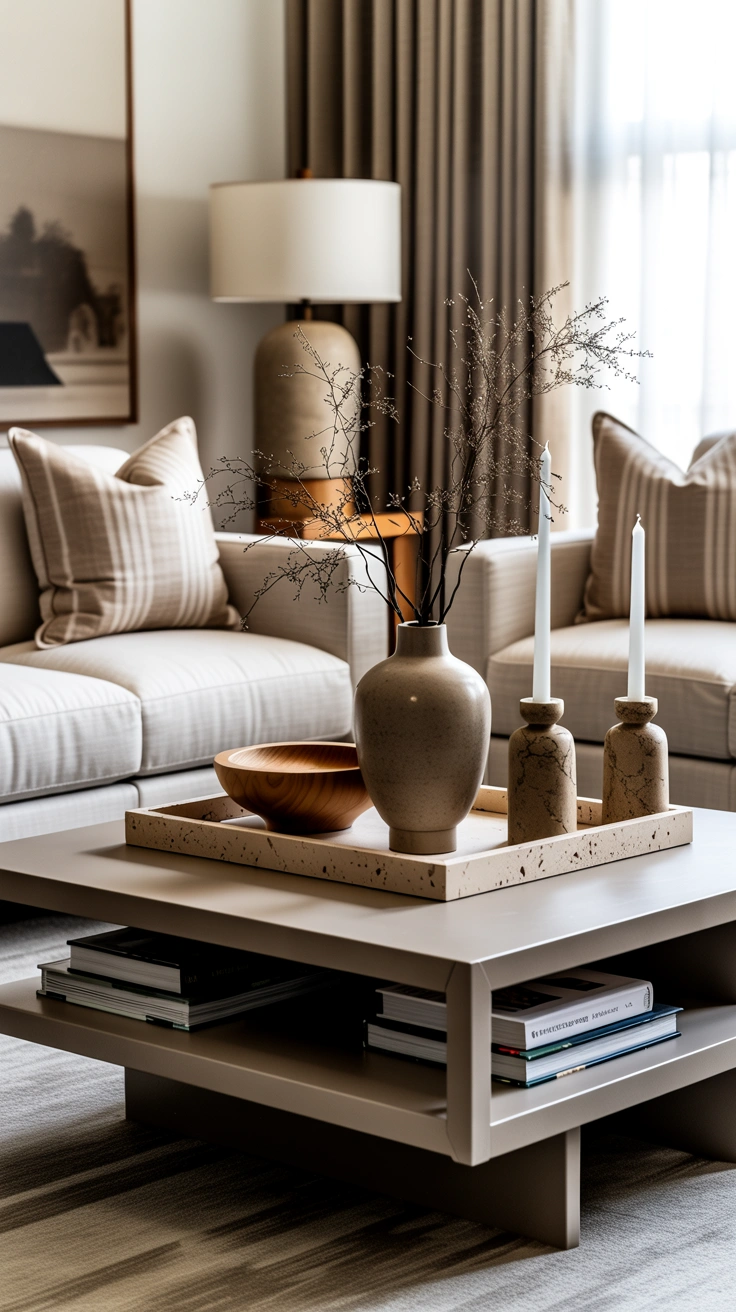
Objects on a coffee table that share a material language — all natural textures, or all ceramics in coordinating tones, or all natural wood alongside stone — create a visual coherence that makes the arrangement look deliberate and considered. Objects in entirely different materials without any connecting thread look randomly assembled rather than styled.
Choose one or two primary materials for the coffee table arrangement and apply them consistently across the objects. Natural ceramic alongside natural wood. Marble tray with marble accessories and white ceramic candle vessel. Warm brass alongside warm-toned ceramics. These material connections tie the arrangement together into a composed unit rather than a collection of individually nice things.
12. Remote Controls — The Eternal Problem
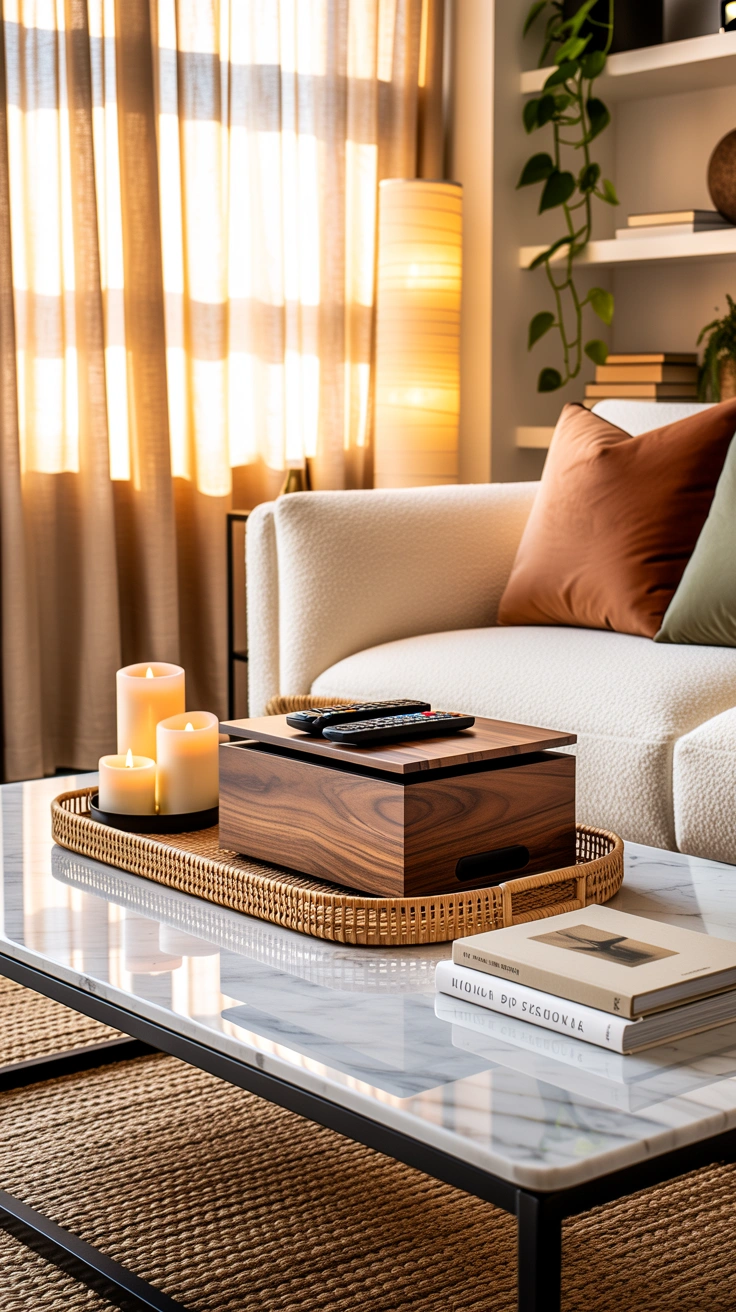
Remote controls on coffee tables are the styling element that every guide mentions and most people fail to solve — because remotes need to be accessible and available but are visually difficult to incorporate into a styled arrangement.
A small, beautiful box with a lid is the most effective remote solution — one that holds all remotes, sits as a defined object on the tray or table, and conceals their utilitarian appearance behind a more attractive exterior. A fabric-covered box, a wooden box with a sliding lid, or a small woven basket all work effectively. The remotes are accessible when needed and invisible when not — which is exactly the right balance for a coffee table that aspires to look designed rather than functional.
13. Books as Personalisation
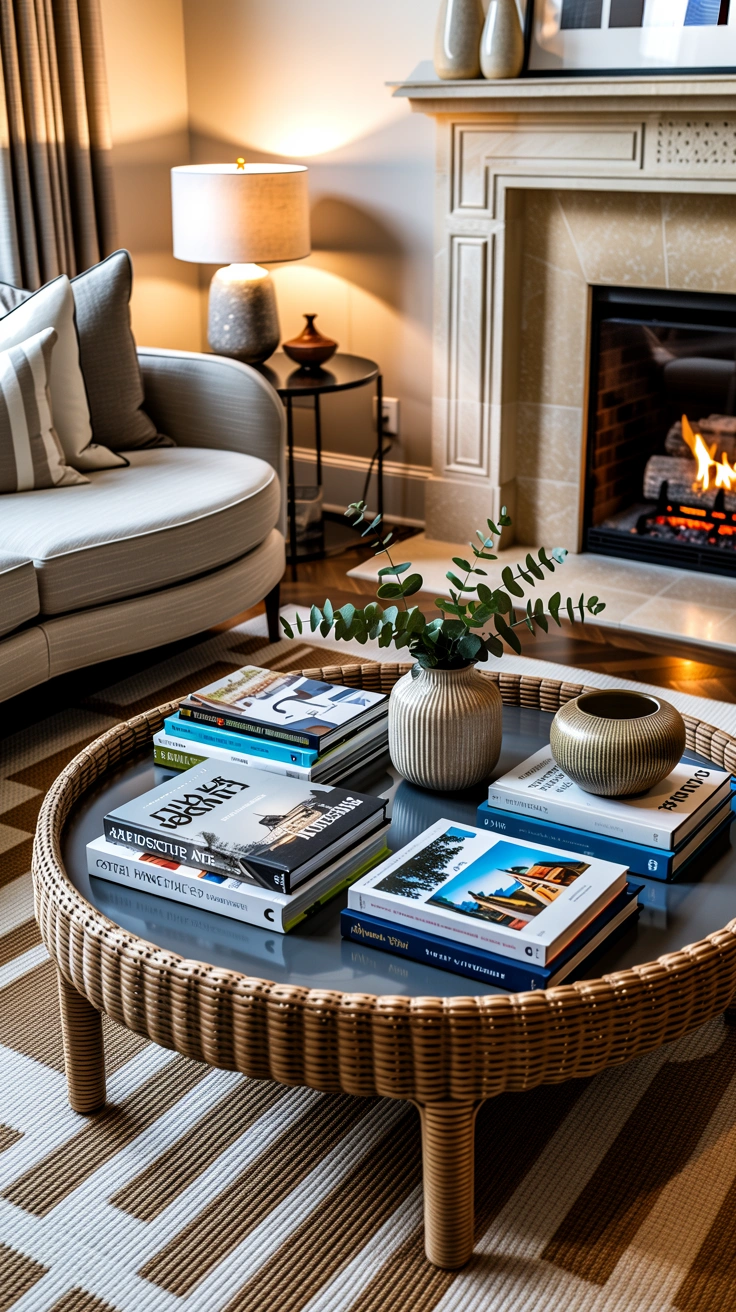
The books on a coffee table are one of the most communicative personal styling elements in any living room — and choosing them with genuine care creates a coffee table that tells something true about the person who lives there rather than simply looking good.
Coffee table books with beautiful covers in design, travel, photography, nature, or art are visually strong and reflect genuine interests. Arrange them with the most visually striking cover facing upward. Stack two or three in complementary sizes — a large format book at the bottom, smaller volumes above. Books on the coffee table should feel genuinely yours — not borrowed from someone else’s aesthetic vision — because that authenticity is what makes the arrangement truly compelling.
14. The Single Statement Object
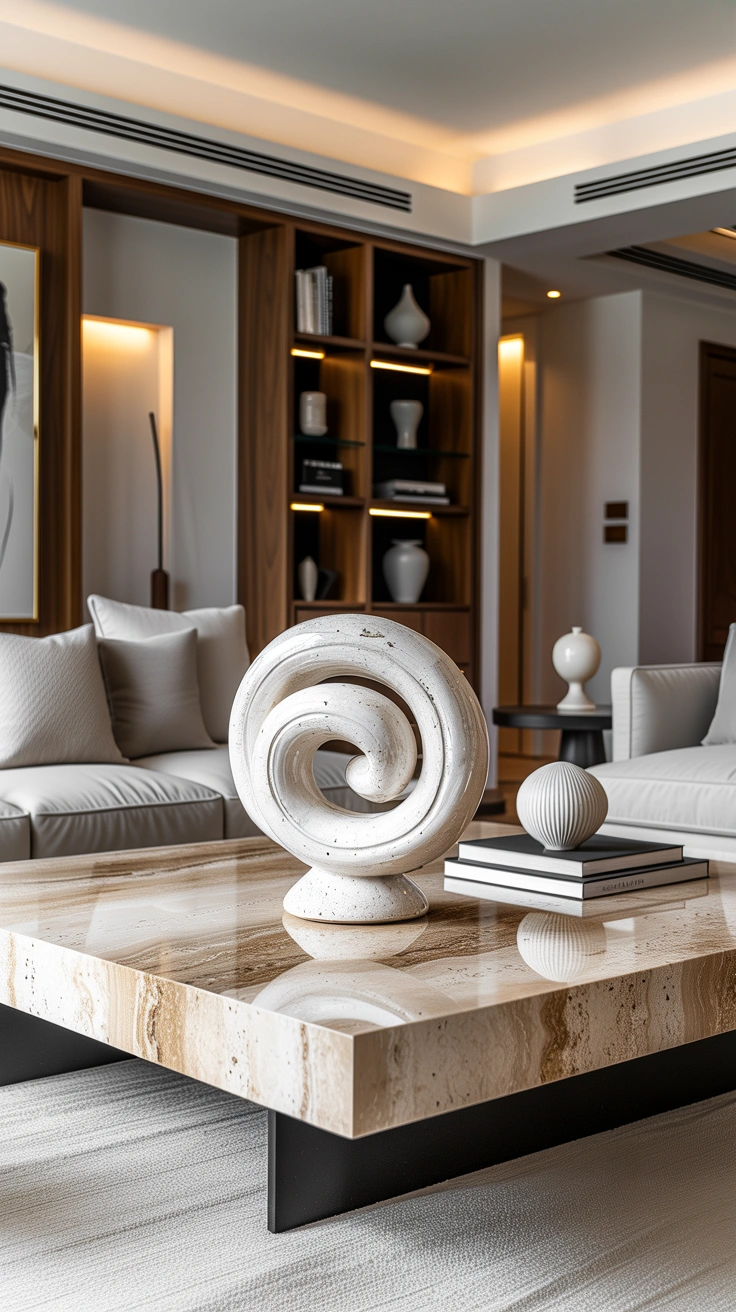
A single, genuinely exceptional object on the coffee table — one piece of significant quality, interesting form, or genuine personal meaning — creates a focal point that elevates the entire arrangement. This might be a beautifully made ceramic piece, a sculptural found object, a piece of raw crystal, or a small sculpture.
The statement object earns its position at the top of the height hierarchy in the arrangement — the tallest, most prominent, most deliberately visible element. It should be the object that people ask about when they visit — and when they do, it has something to say. A coffee table with one genuinely interesting object looks more thoughtfully designed than one with many mediocre ones.
15. Coasters — Beautiful and Functional
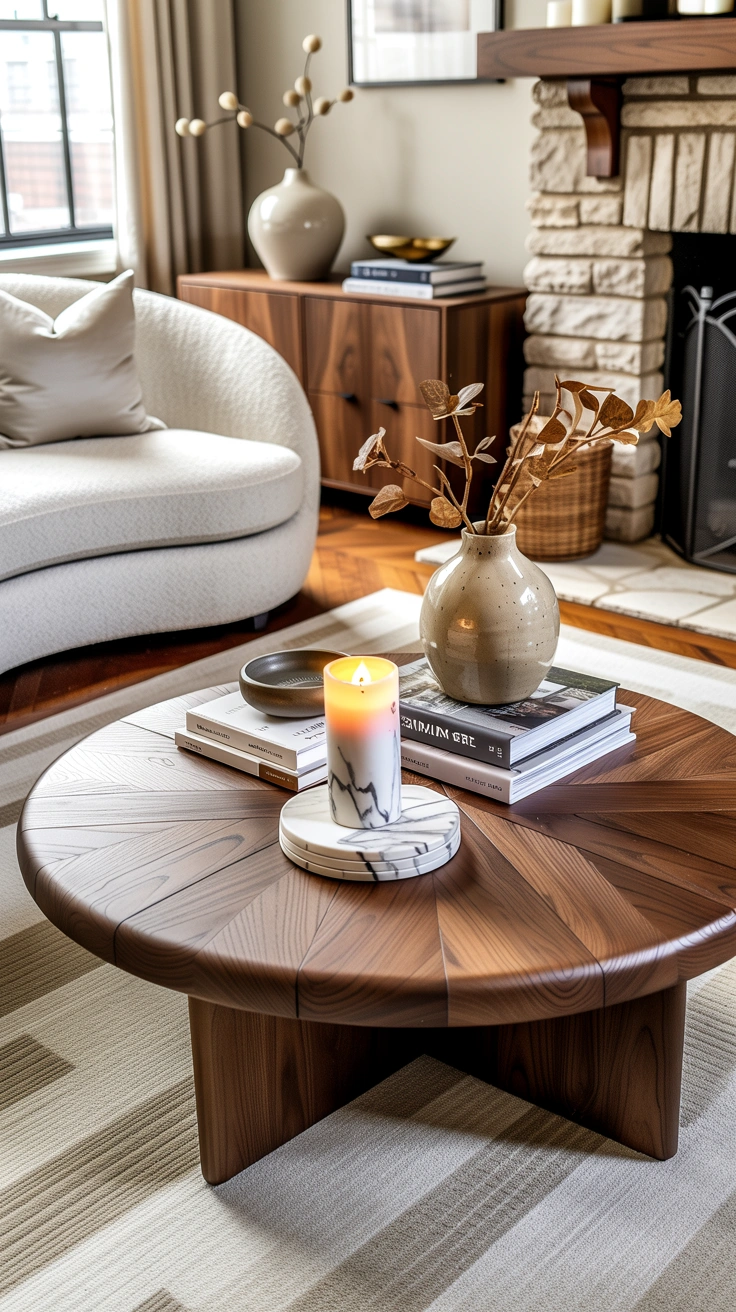
Coasters are a functional necessity on any coffee table that is actually used — and choosing beautiful coasters rather than purely functional ones creates a styling element that contributes to the arrangement’s visual quality while solving a practical problem simultaneously.
Marble coasters, stone coasters, ceramic coasters, leather coasters, or woven coasters in a coordinating material and tone. Stack them as a group of three or four on the tray or beside it — the stack becoming a small sculptural element in its own right. Beautiful coasters stacked on the coffee table look designed. A random assortment of promotional coasters looks like the coffee table’s styling has been overruled by practicality. They don’t need to cost a fortune — just to be genuinely considered.
16. Asymmetry Is More Interesting Than Symmetry
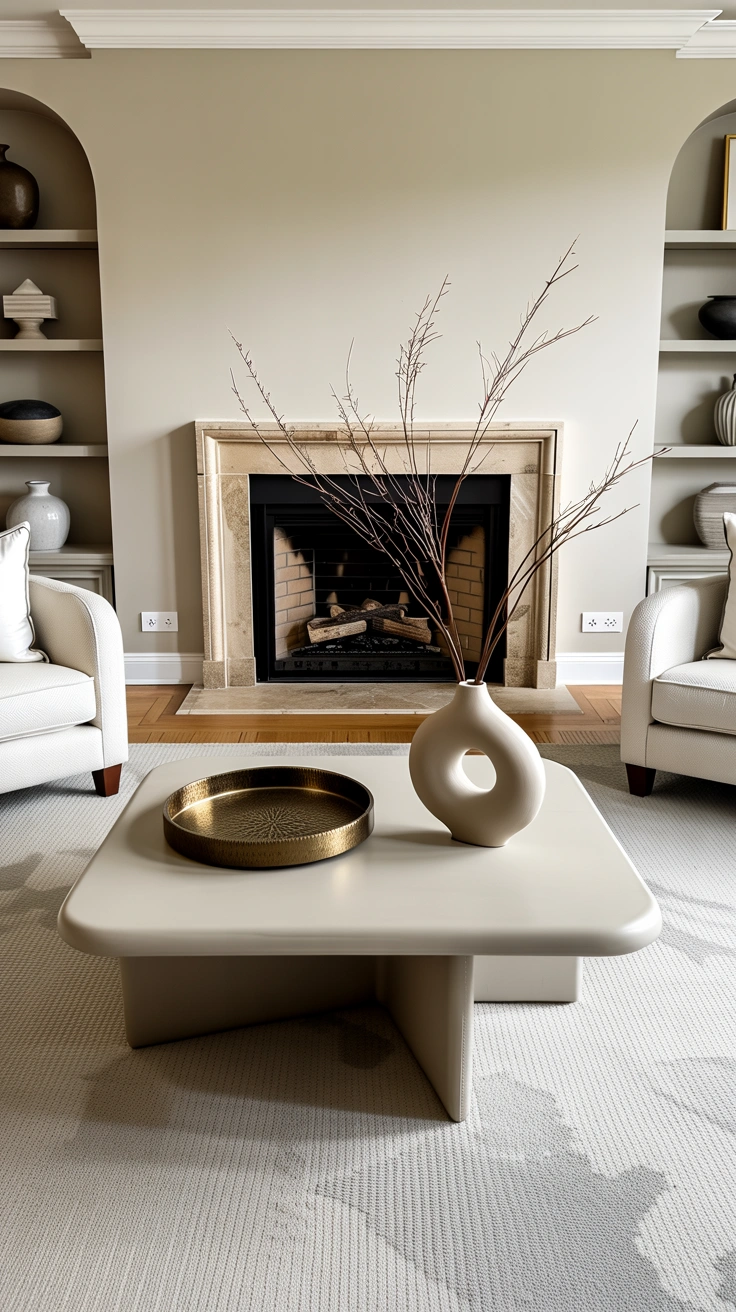
Symmetrical coffee table arrangements — identical objects on each side, centred tray, equal spacing throughout — look formal and slightly staged. Asymmetrical arrangements with different groupings on different sides, varying heights and positions, and deliberate imbalance look more organic, more genuinely styled, and more dynamically interesting.
FYI — the most beautiful coffee table arrangements in any design publication are almost always asymmetrical. A tray with three objects on one side. A single plant or statement object on the other side with more visible negative space around it. This asymmetry creates visual tension and interest that perfect symmetry resolves too neatly, leaving nothing for the eye to move between.
17. The Daily Reset Habit
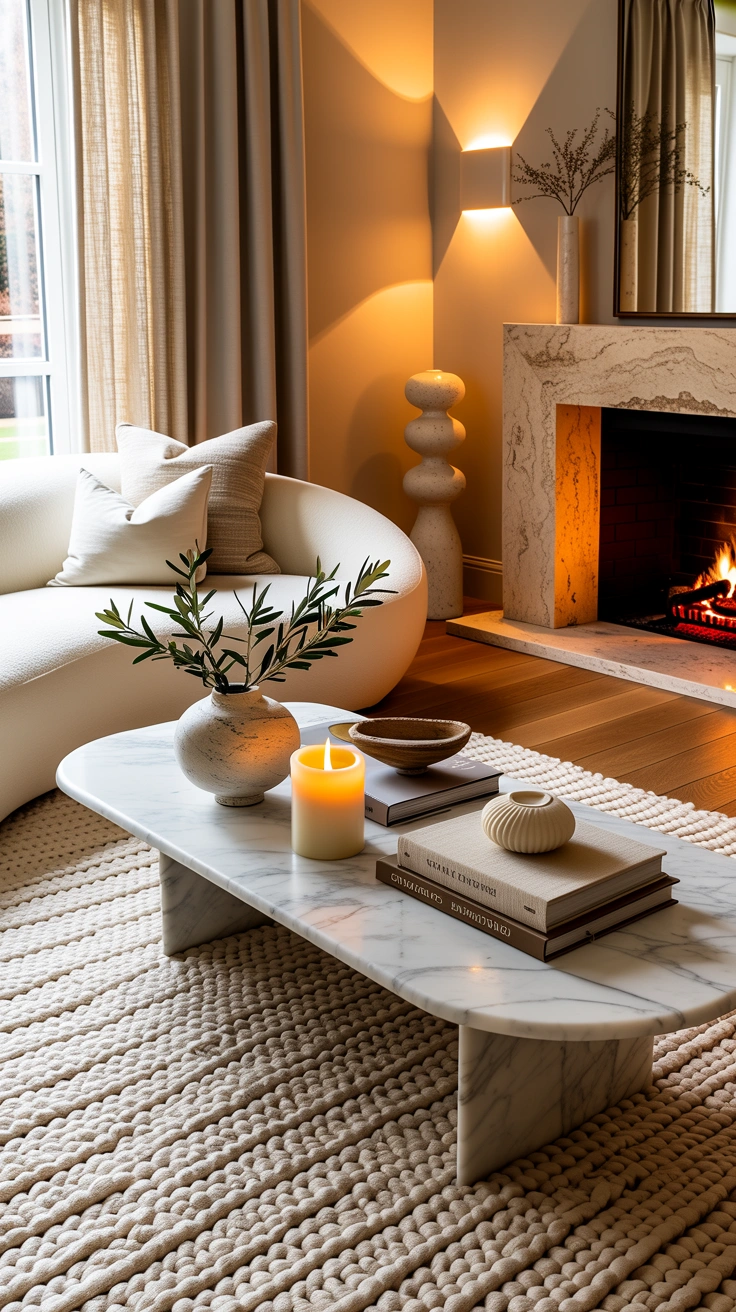
IMO, the coffee table that looks styled and beautiful every day rather than only immediately after a deliberate styling session is maintained by one simple daily habit: the two-minute reset that returns everything to its intended position and removes anything that’s accumulated that doesn’t belong there.
Daily Coffee Table Reset:
- Remove any cups, glasses, or food items from the previous evening
- Return the remote controls to their box or designated position
- Straighten any books or objects that have shifted
- Check the candle is in position and the wick is trimmed
- Confirm the plant or botanical element still looks healthy
These five actions take under two minutes and maintain the coffee table at styling quality indefinitely — the difference between a living room that always looks good and one that only looks good when you’ve just tidied it.
Conclusion
Seventeen tips that build a beautifully styled coffee table from every angle — the initial clear, the rule of three, height variation, the tray anchor, books as foundation, plants and botanicals, candles, proportion, negative space, seasonal updates, material coherence, remote controls, personalisation through books, statement objects, beautiful coasters, asymmetry, and the daily reset habit.
The coffee table is a small surface doing enormous visual work at the centre of your living room. Styling it well takes thirty minutes. Maintaining it well takes two minutes daily. The return is a living room that looks and feels genuinely considered at every moment — which is exactly what good styling is supposed to deliver.
Clear the table. Apply the principles. Then sit back on the sofa and look at what you’ve made. That specific satisfaction is entirely yours.