13 Ways to Make Your Bed Look Like a Hotel That Will Change Your Mornings Forever
You know that moment you walk into a hotel room and the bed stops you? That specific combination of crisp white linen, perfectly placed pillows, a precisely folded throw at the foot, and an overall impression of such complete, considered comfort that you immediately want to fall into it — that moment. And then you go home and your bed looks like something that survived a small natural disaster overnight. The gap between a hotel bed and a home bed is not about thread count or expensive linen alone. It’s about technique, layering, and a specific set of habits that hotel housekeeping teams use every single day. I spent considerable time researching exactly what creates the hotel bed look and then systematically implementing it at home — and the result is a bed that now gets commented on every time someone sees it. These 13 techniques will get your bed there too.
1. Start With a Quality Mattress Protector
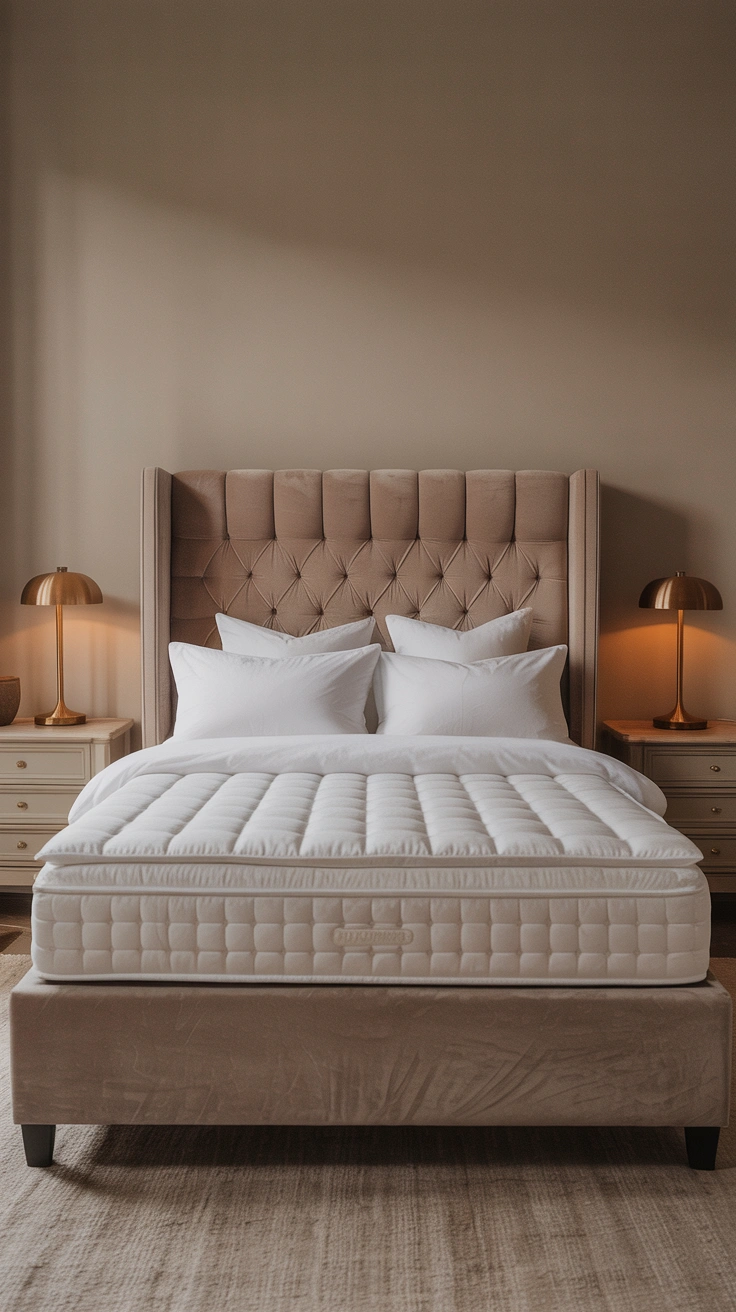
Nobody talks about this as the foundation of the hotel bed — but every luxury hotel uses a high-quality, well-fitted mattress protector that keeps the mattress clean, extends its life, and creates an even, smooth surface for the layers above it. A lumpy, uneven mattress surface will undermine every beautiful layer placed on top of it.
A deep-fitted, quilted mattress protector in white creates a clean, even base that makes the fitted sheet lie flat and smooth — which directly affects how the entire bed looks when made. This is the invisible infrastructure of the hotel bed aesthetic, and skipping it means working against yourself from the first layer upward.
2. The Fitted Sheet Non-Negotiable
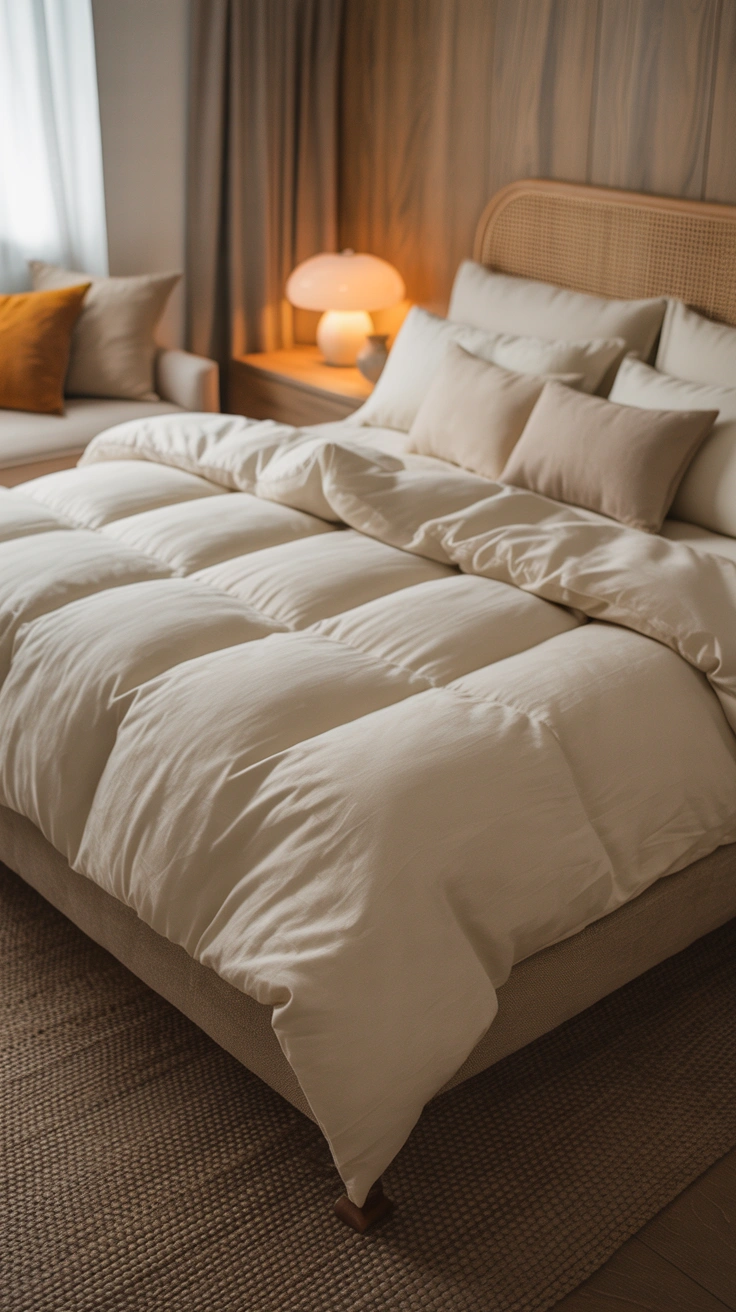
The fitted sheet in a hotel bed is pulled taut across every corner and tucked with absolute precision — no wrinkles, no bunching, no fabric pooling at the sides. This sounds obvious but it’s the detail that most home beds get wrong, and it’s the detail that creates or destroys the entire foundation of the hotel look.
A deep-pocket fitted sheet in a high thread count cotton — 400 to 600 thread count is the hotel standard — creates the smooth, crisp base surface that every subsequent layer rests on. Pull it completely taut across all four corners, smoothing outward from the center of each side to eliminate any bunching. The fitted sheet should feel almost drum-tight across the mattress surface before you begin the rest of the process.
3. The Flat Sheet Layer Hotels Never Skip
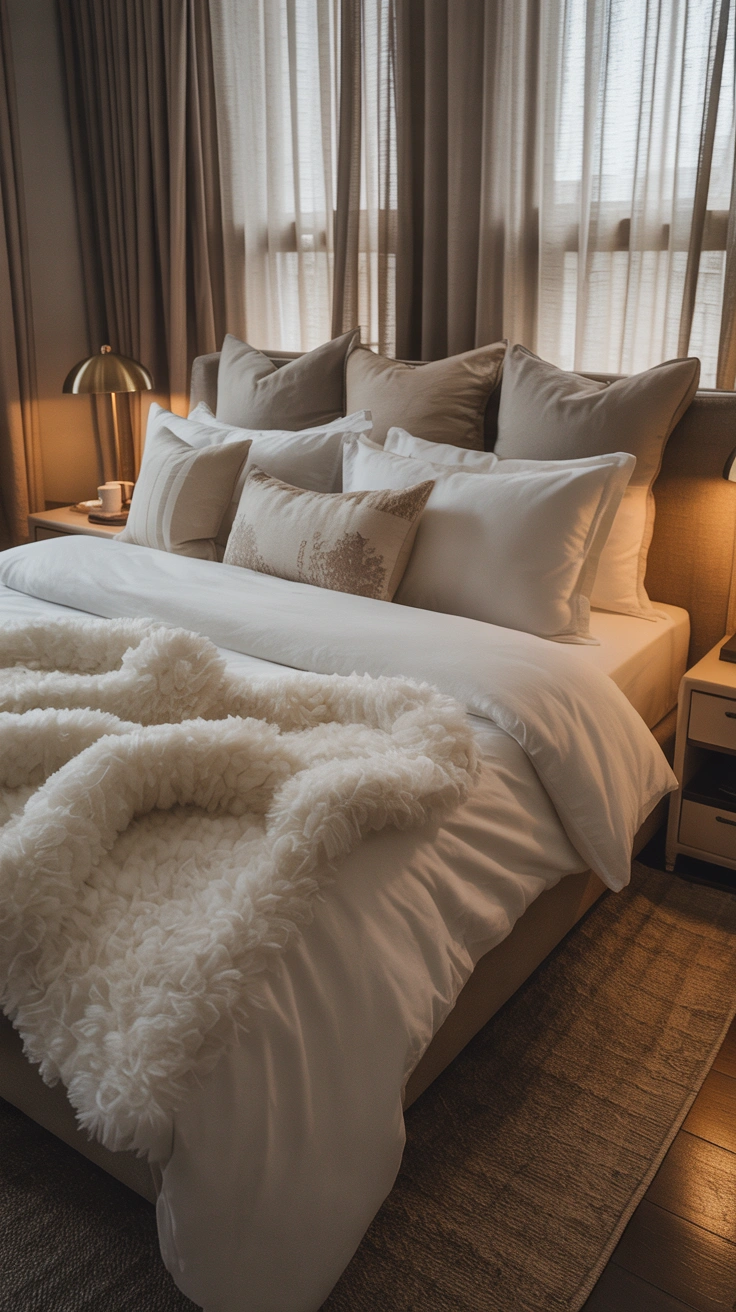
The flat sheet is the element most commonly skipped in home bed-making — and most commonly used in hotel beds. The flat sheet sits between the sleeper and the duvet, keeps the duvet cover fresher for longer, and creates the specific layered, tucked quality that is the most immediately recognisable characteristic of the hotel bed look.
Place the flat sheet right-side down on the mattress so the right side faces you when it’s folded back over the duvet. Tuck it firmly under the mattress at the foot and sides, then fold the top edge down approximately 40cm over the duvet. This fold — the flat sheet cuffed over the top of the duvet — is the specific visual detail that immediately communicates “hotel bed” to anyone who sees it.
4. Hospital Corners at the Foot
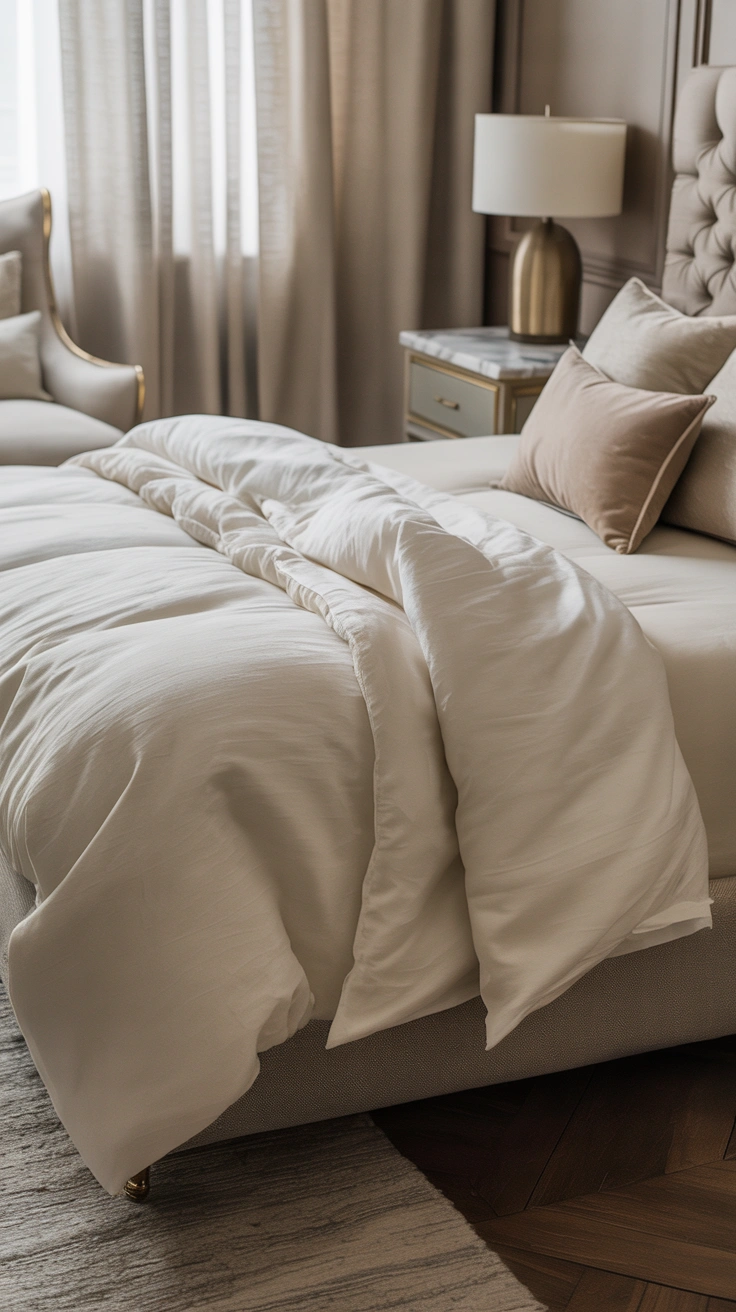
Hospital corners — the precise, diagonal fold used at the corners of the flat sheet and duvet at the foot of the bed — are the single most technically distinctive element of professional hotel bed-making. They create a clean, tightly geometric corner finish that looks completely different from any casual tucking alternative.
Pull the sheet or duvet edge straight down from the mattress corner. Lift the side of the sheet at 45 degrees to create a diagonal fold, hold it against the mattress side, then fold the hanging section under the mattress. The diagonal fold should lie flat and tight against the mattress corner. This technique is easier than it looks — ten minutes of practice creates a result indistinguishable from professional hotel housekeeping.
5. The Duvet — Weight and Fill Matter
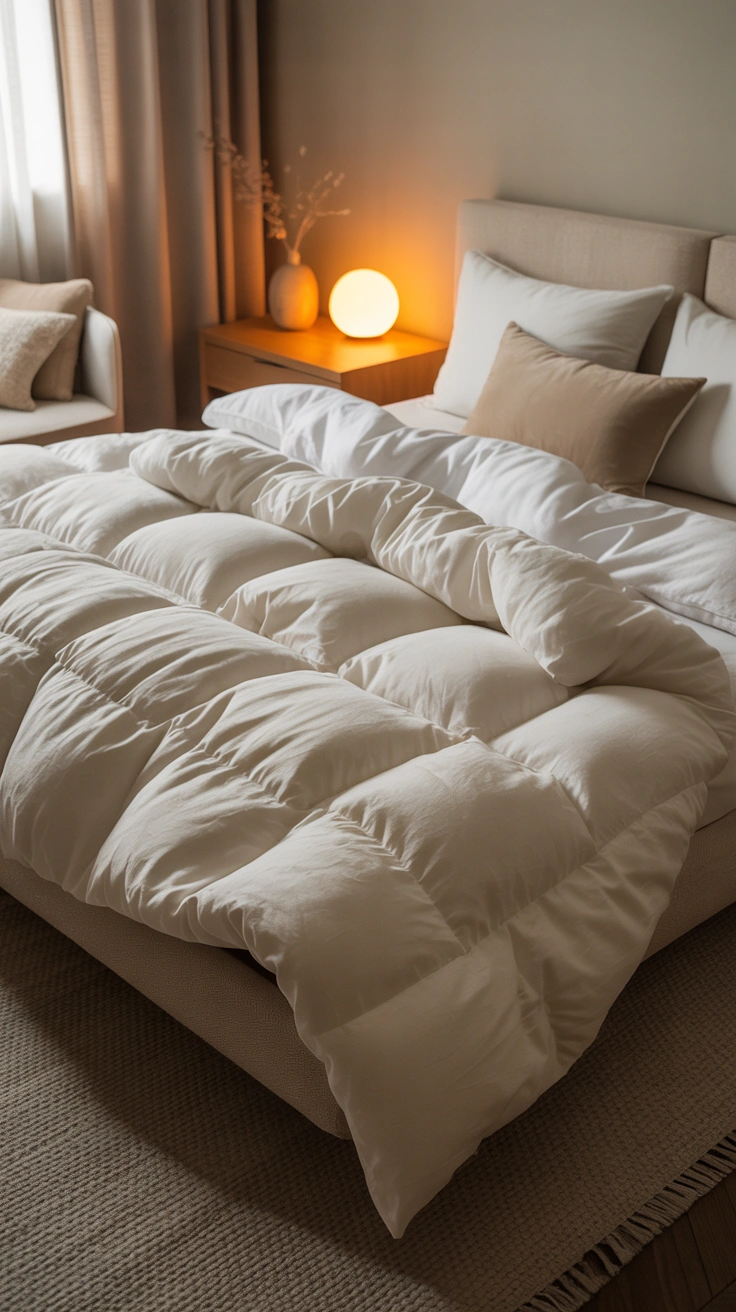
The duvet itself is where most home beds fall short of the hotel standard — not because of price but because of fill weight and cover quality. A hotel duvet has substantial weight and loft that creates the specific cloud-like, inviting visual quality that photographs as beautifully as it feels.
A duvet with a tog rating appropriate to the season — 10.5 tog year-round, or a higher tog in winter — with a natural fill (down or a quality down alternative) creates the full, rounded loft of a hotel duvet. The duvet cover should be in a crisp, high thread count white cotton that lies flat rather than bunching or pulling. Shake the duvet through its cover vigorously before placing it on the bed to distribute the fill evenly and restore the full, rounded loft.
6. European Shams — The Depth Creators
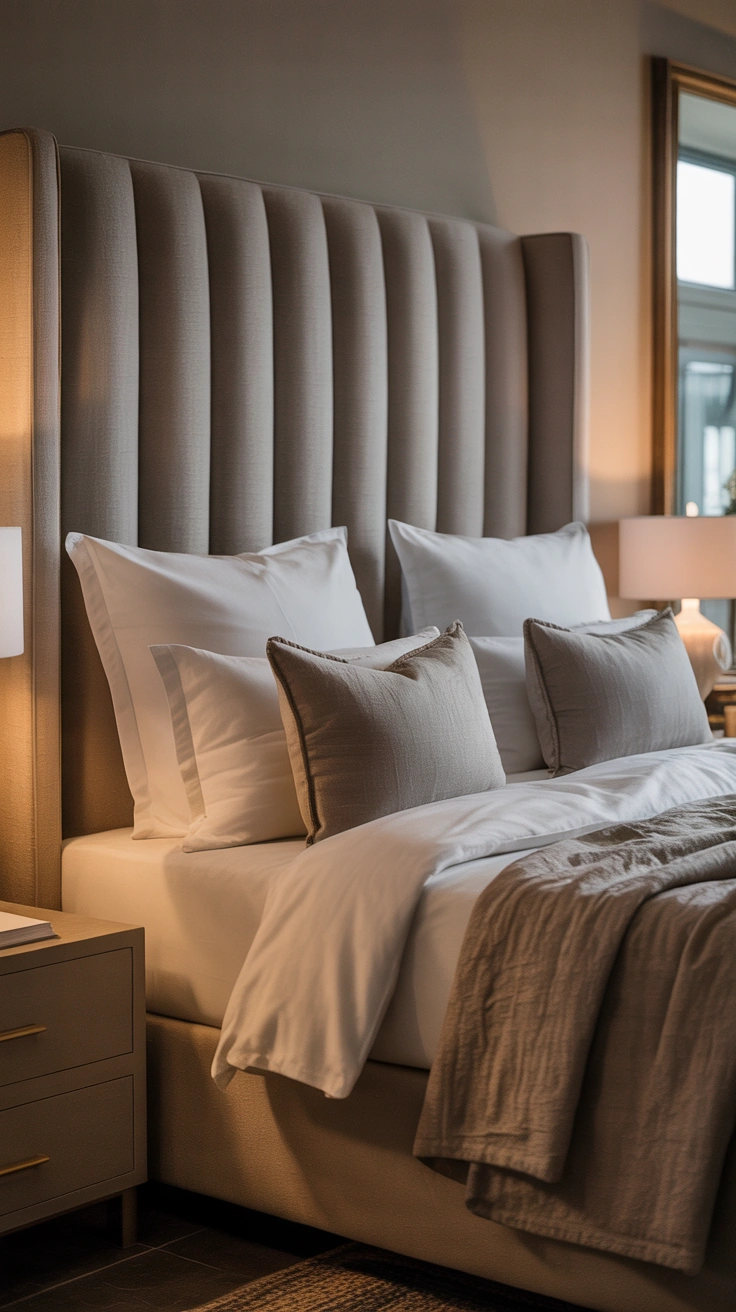
European shams — the large, square pillowcases used to create the back row of the hotel pillow arrangement — are the element that gives the hotel bed its specific quality of visual depth and generosity. Without them, even a beautiful bed arrangement looks slightly flat.
Two European shams (65x65cm) positioned upright against the headboard create an immediate, hotel-standard backdrop to the standard pillow arrangement in front of them. FYI — you don’t need to sleep on European shams; they exist purely for the visual architecture of the made bed. Keep them in white or a warm neutral that coordinates with your bedding, and ensure the pillow inserts are firm and full enough to hold them upright without flopping.
7. Standard Pillows — Placement and Presentation
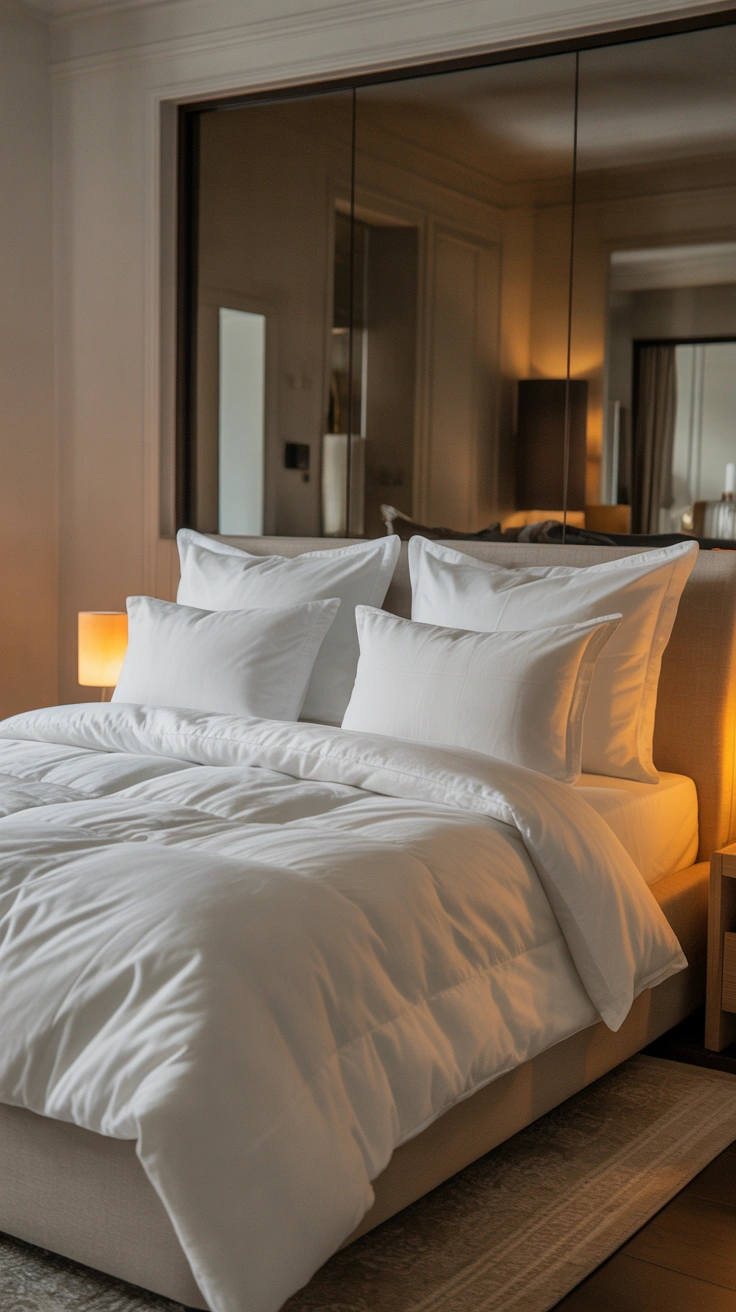
The standard pillows sit directly in front of the European shams — and their placement, the quality of their cases, and the crispness of the presentation determine whether the pillow arrangement reads as hotel-standard or simply as pillows on a bed.
Two standard pillows in crisp white pillowcases placed horizontally in front of the shams. For a king bed, three standard pillows. The pillowcases should be ironed or have a deliberately pressed crease at the opening edge — this detail is small but consistently visible and consistently contributes to the overall impression of precise care. The pillows should be plump, freshly fluffed, and centred symmetrically within the overall arrangement.
8. Accent Pillows With Purpose
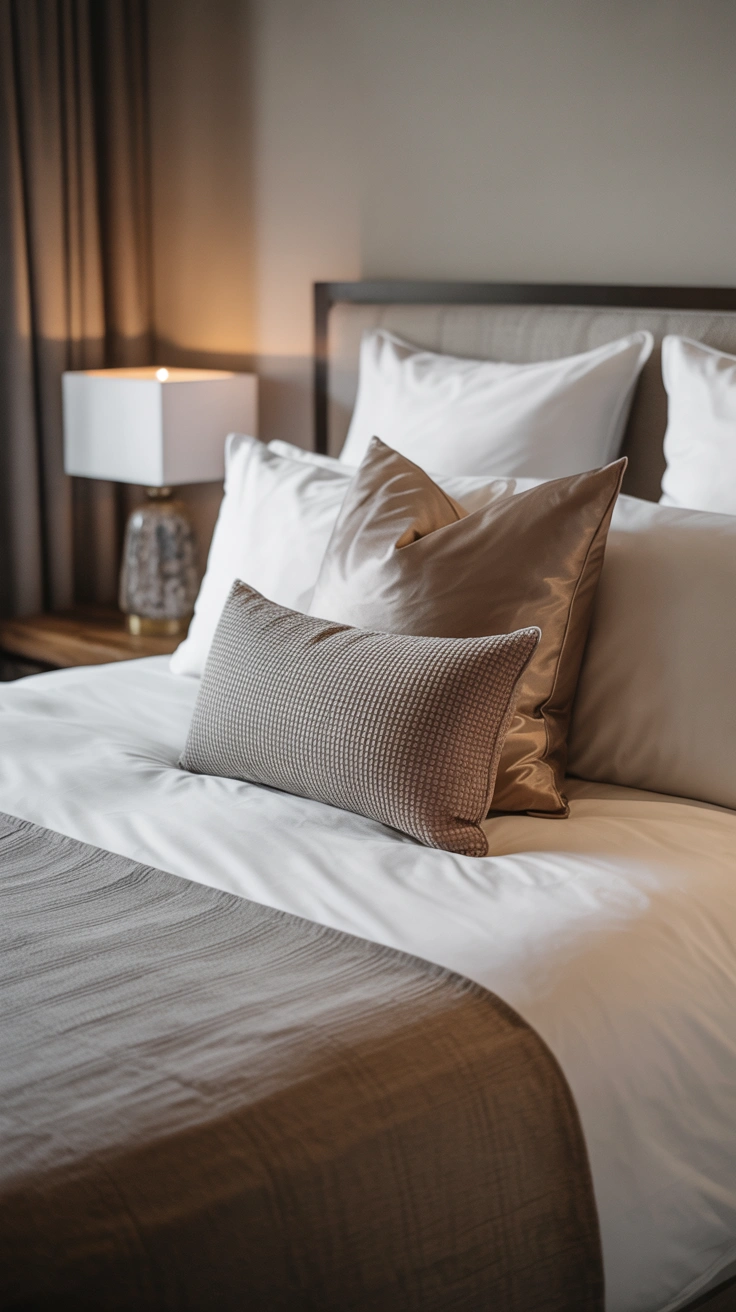
Accent or decorative pillows complete the pillow arrangement at the front — and in a hotel-inspired bed, they exist to add a final layer of visual detail and colour without overwhelming the clean, white primary arrangement behind them.
One or two accent pillows in a complementary tone placed at the very front of the arrangement. These should be smaller than the standard pillows — either square or rectangular bolster style. A simple, quality fabric in a warm neutral, a subtle texture, or a quiet pattern. Resist the temptation to add too many decorative cushions: the hotel bed is defined by restraint and precision, not abundance.
9. The Throw — Foot of Bed Perfection

The throw or blanket at the foot of the bed is one of the most visually significant elements of the hotel bed — and it’s also the most frequently executed poorly in home settings. A beautifully placed throw creates the finished quality that completes the bed composition. A thrown-on throw creates visual noise that undermines everything above it.
Fold the throw into a neat rectangle approximately one third the width of the bed. Position it across the foot of the bed, centred on the width, with the fold facing outward toward the foot. Smooth it completely flat across the surface below it. The throw should look placed rather than draped — precise and intentional rather than casually positioned.
10. White Is Non-Negotiable for the Primary Layers
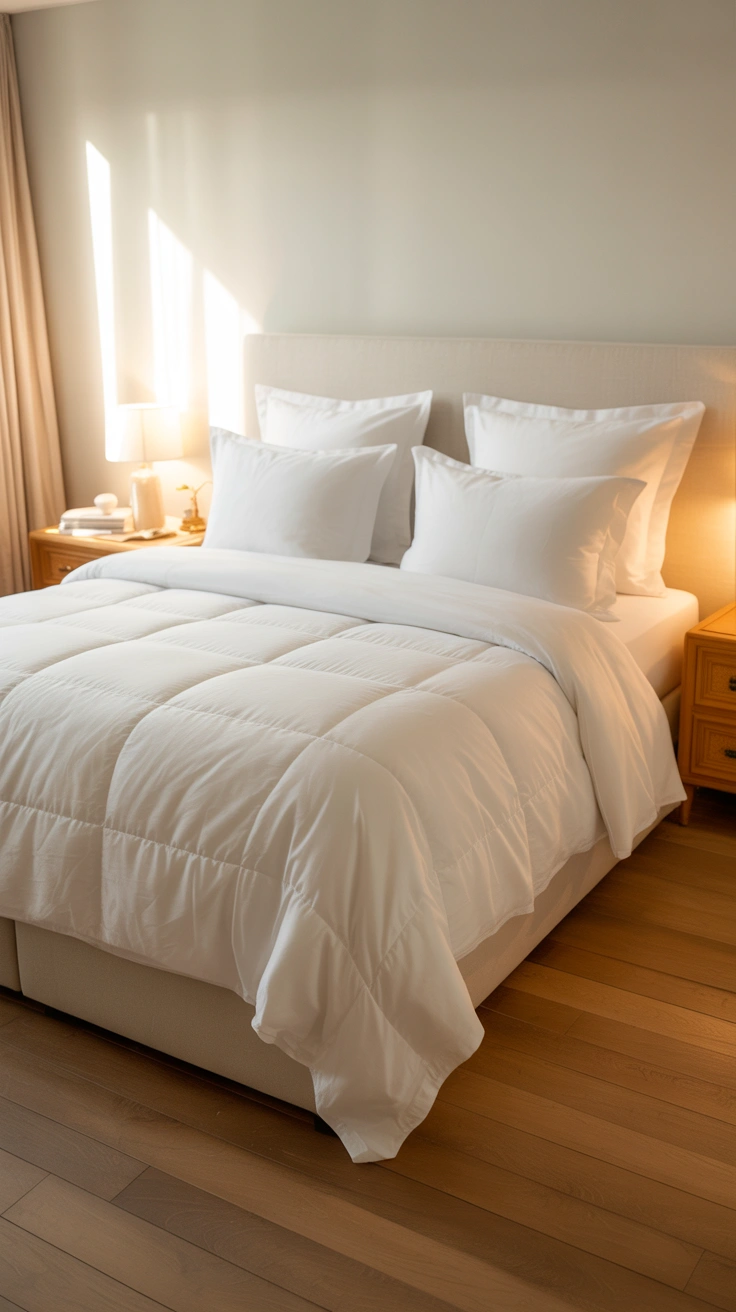
The white bed is the hotel bed. Not cream, not grey, not patterned — white. The specific quality of a white bed in a well-lit room creates a luminosity and freshness that no other color achieves, and it’s the visual signature of the luxury hotel sleeping environment more than any other single element.
White fitted sheet, white flat sheet, white duvet cover, white European shams, white standard pillowcases. The entire primary bed structure in crisp, clean white. The accent pillows and throw can introduce subtle color or texture — but the primary layers should be uniformly white for the hotel look to read correctly. A single non-white element in the primary layers immediately dilutes the specific quality of clean, hotel-standard completeness that all-white achieves.
11. Ironing and Pressing — The Professional Detail
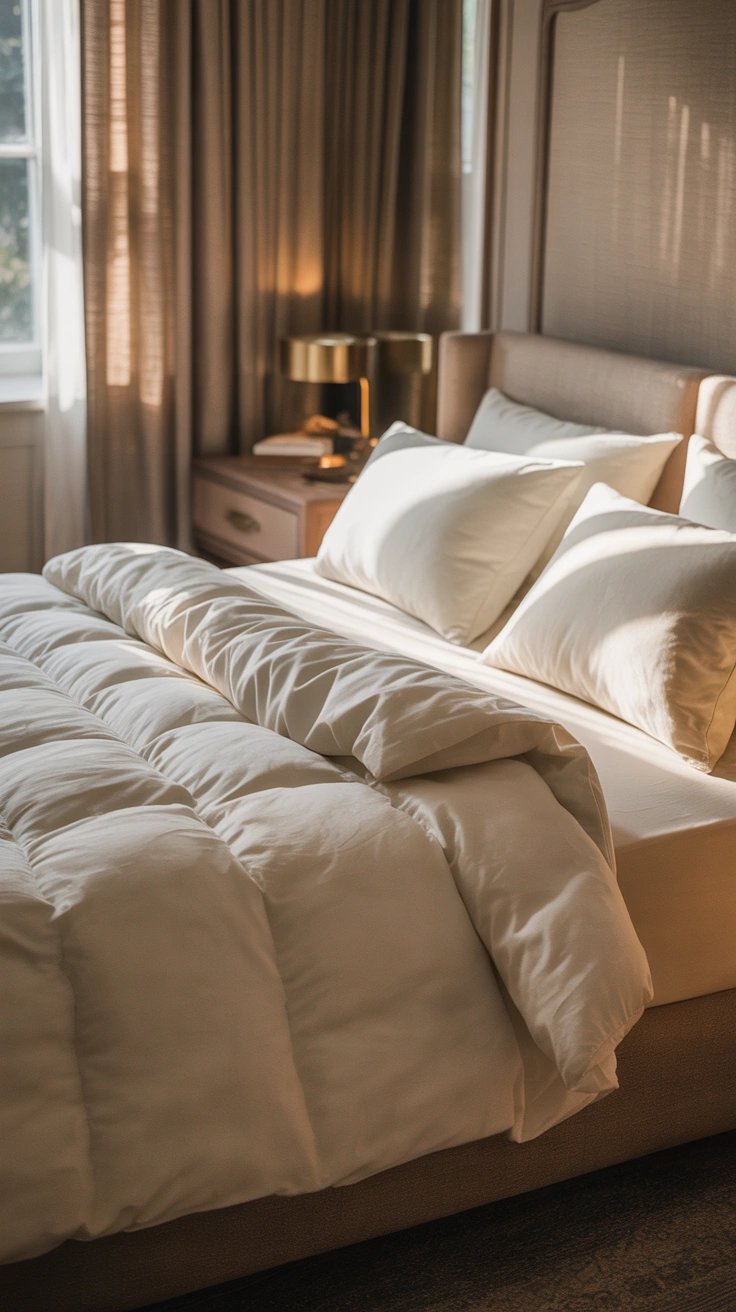
Hotel beds are ironed. Not every layer, but the key surfaces — the flat sheet fold visible above the duvet, the duvet cover upper surface, the European sham fronts, and the standard pillowcases. The pressed, smooth quality of these surfaces creates the specific crispness that distinguishes professional hotel bed presentation from home bed-making however carefully done.
A quick pass with a steam iron over the flat sheet fold, the top of the duvet, and the pillow front surfaces takes less than five minutes and creates a visible difference that the eye registers immediately, even without consciously identifying what has changed. IMO, this is the single technique that most dramatically raises a home bed to hotel standard with the smallest time investment.
12. The Symmetry Principle
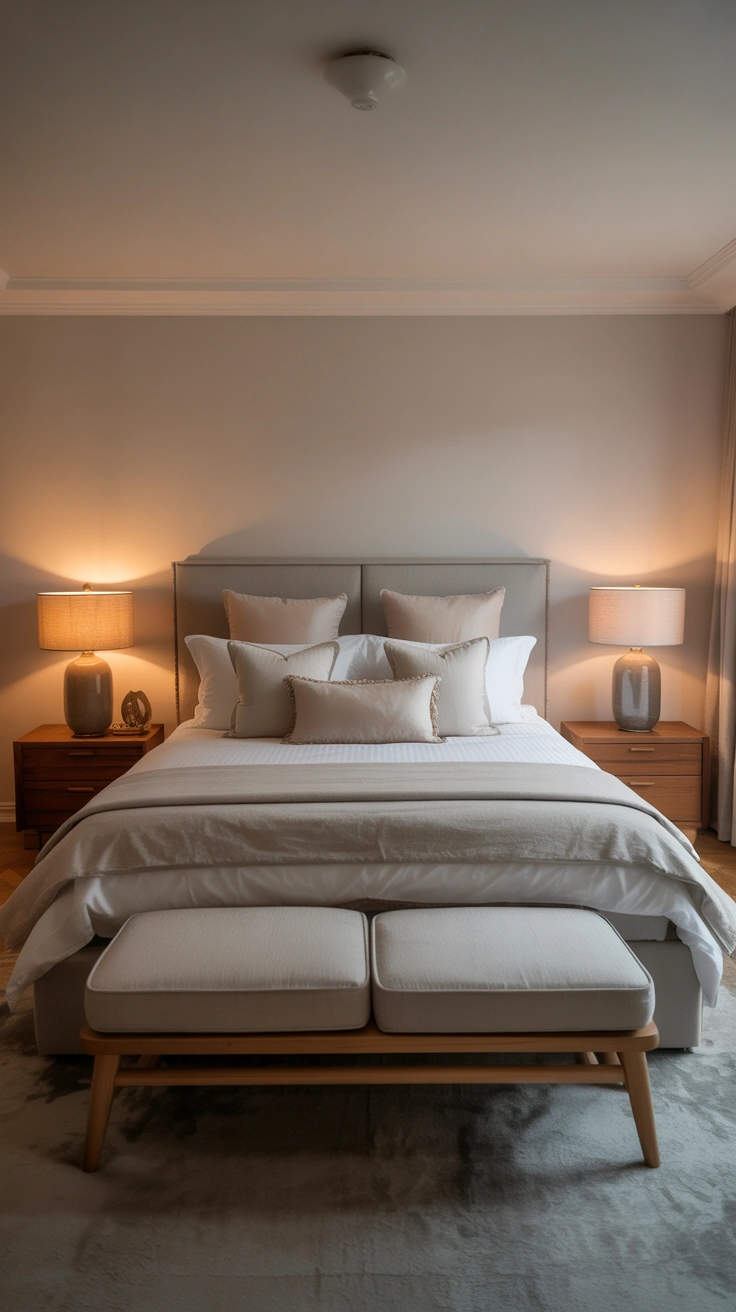
Hotel beds are symmetrical — and this symmetry is not accidental but actively maintained throughout the making process. Pillows centered on the width of the bed. Throw centered precisely at the foot. Turndown fold at exactly the same depth across the full width. Nightstands matching in height and styling on each side.
Stand at the foot of the bed and look straight toward the headboard before you finish. The entire bed composition should read as perfectly symmetrical from this position. Any pillow slightly off-center, any throw slightly skewed, any fold uneven across the width — these asymmetries are visible and they undermine the hotel-quality precision of everything else. The two-second symmetry check at the end of bed-making is the quality control step that professional hotel housekeeping builds into the process automatically.
13. The Daily Reset Habit
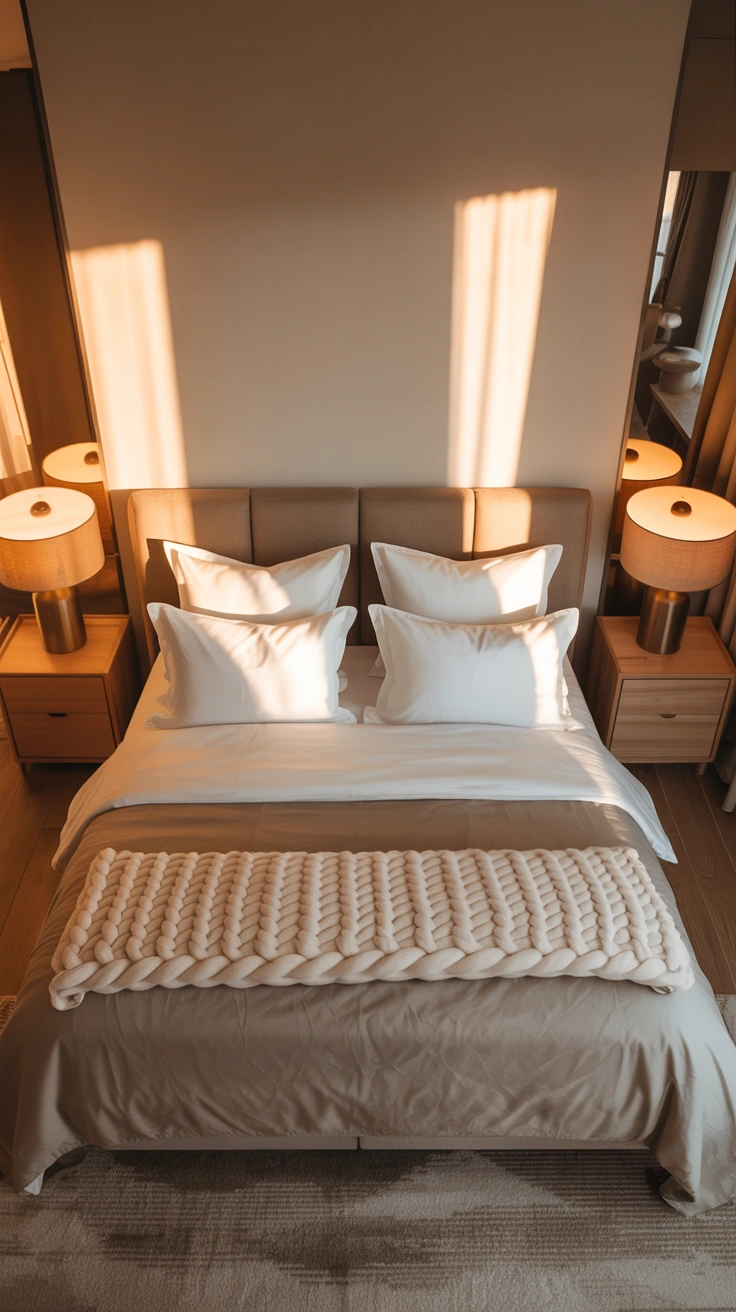
The hotel bed that looks extraordinary every morning exists not because of a weekly effort but because of a daily two-minute reset that maintains the precision of the making over time. This is the habit that separates a bed that occasionally looks hotel-standard from one that looks hotel-standard every single day.
The Daily Two-Minute Hotel Bed Reset:
- Shake and re-center the duvet
- Refluff and reposition all pillows symmetrically
- Smooth the flat sheet fold to the correct depth
- Refold and reposition the foot throw
- Check symmetry from the foot of the bed
These five actions take under two minutes and maintain the hotel bed look indefinitely — transforming the morning ritual of bed-making from a chore into a two-minute daily investment in a bedroom that looks genuinely beautiful every time you walk in.
Wrapping Up
Thirteen techniques that build the hotel bed from its foundations — the fitted mattress protector, the taut fitted sheet, the flat sheet that hotels never skip, hospital corners, duvet loft, European shams, precise pillow placement, a restrained accent layer, the perfectly folded foot throw, all-white primary layers, pressed surfaces, symmetry, and the daily two-minute reset that keeps everything looking extraordinary.
The hotel bed is not magic. It’s a repeatable system of precise, layered technique applied consistently — and once you’ve built that system into your daily routine, your bed will look hotel-standard every morning for as long as you maintain it.
Try the full technique this weekend. Stand at the foot and assess your work. Then spend the rest of the day finding reasons to walk past the bedroom just to look at it.