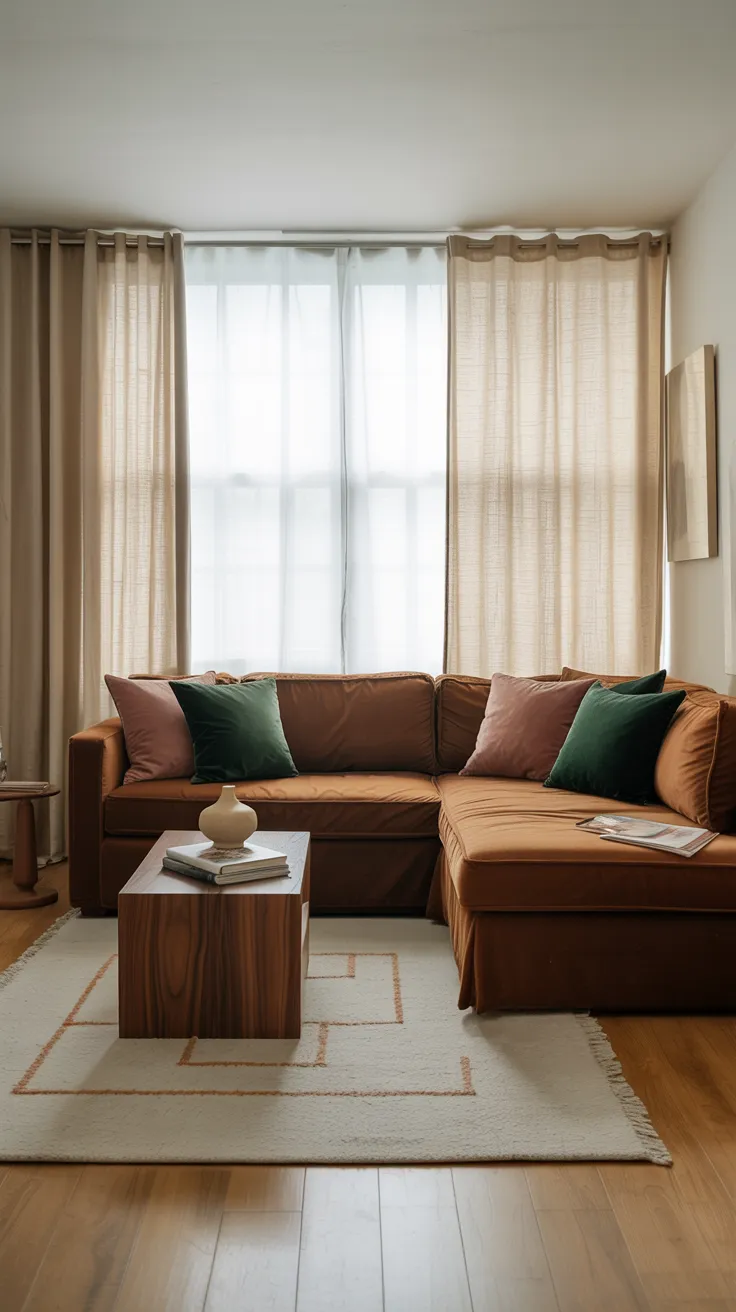
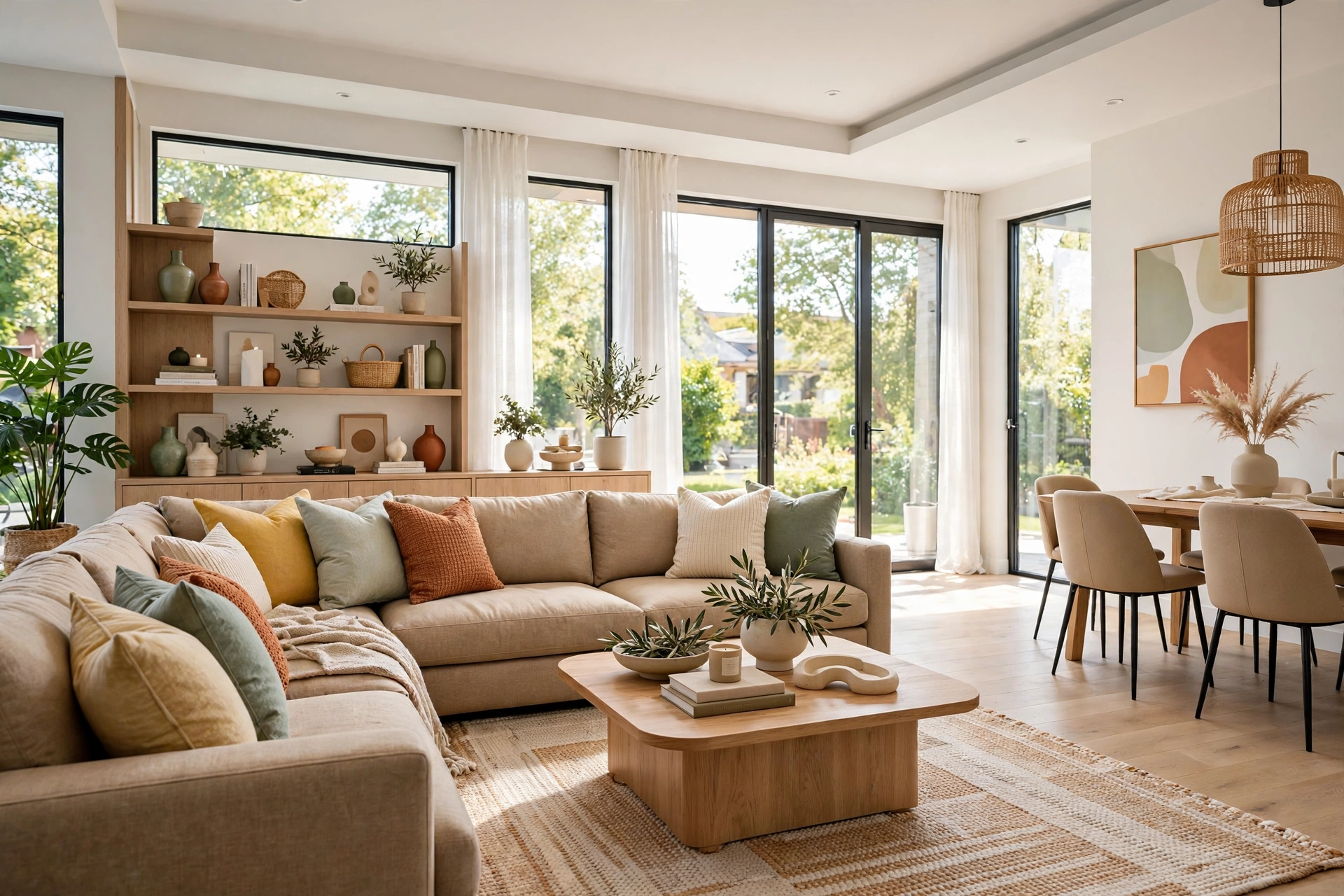
Sectional Sofa vs. Regular Sofa: Which is Right for Your Living Room?
Introduction
The sofa is the anchor of every living room, and choosing between a sectional and a regular sofa is one of the most consequential decorating decisions you will make. Get it right and the whole room falls into place — seating feels generous, walkways stay clear, and the layout finally makes sense. Get it wrong and you will spend years working around a piece that is too big, too small, or simply wrong for the way you live.
A sectional sofa wraps seating around a corner in an L or U shape, offering sprawling lounge space and a natural zone-definer for open rooms. A regular sofa — the classic two- or three-seater — is the flexible all-rounder: easier to place, easier to move, and at home in rooms of almost any size. Both can be beautiful, comfortable, and long-lasting, which is exactly why the choice feels so difficult.
This guide settles the sectional vs regular sofa living room debate once and for all. We will compare the two on seating capacity, comfort, room size, layout flexibility, traffic flow, style, budget, and real everyday life with kids and pets — so you can buy with total confidence. If you are also weighing which sofa styles suit a compact space, our roundup of the best sofas for small living rooms is a useful companion read.
1. What Exactly Is a Sectional Sofa?
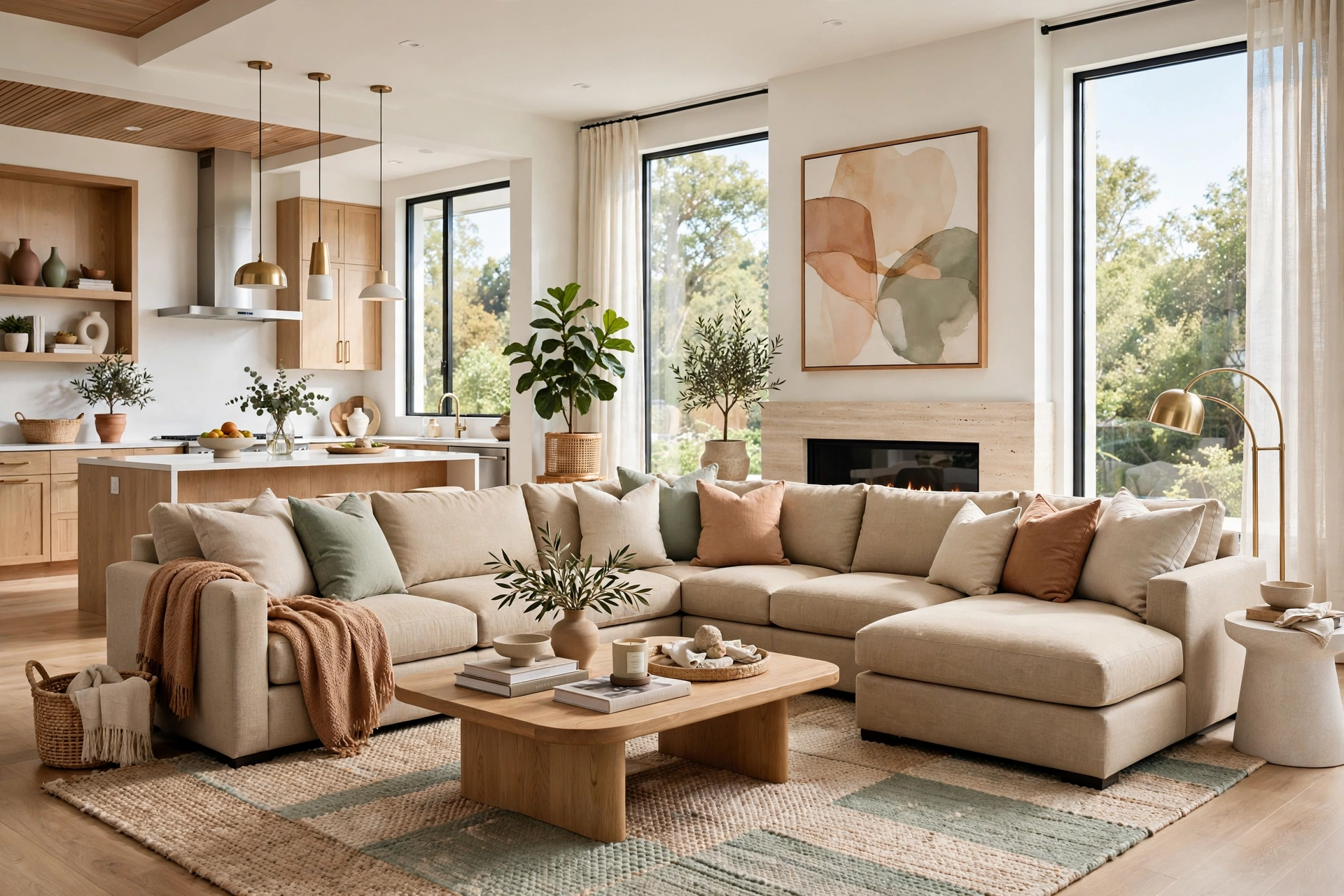
A sectional sofa is a multi-piece sofa sold as a connected set, usually in an L-shape or U-shape, that seats three or more people across two or more joined segments. The classic L-shaped sectional pairs a standard sofa section with a chaise lounge or a corner return; larger U-shaped versions add seating on both ends. Many sectionals are modular, meaning the individual seats, corners, and chaises lock together and can sometimes be rearranged.
What sets sectionals apart is how they claim space. Instead of sitting against a single wall like a regular sofa, a sectional turns a corner and reaches into the room, creating a defined seating zone all by itself. That makes it a favorite for open-plan living rooms, where the sectional’s back can act as a soft room divider between the lounge area and the dining or kitchen space.
Sectionals come in a huge range of footprints, from compact apartment-scale L-shapes barely longer than a loveseat to sprawling six-seat U-shapes built for dedicated media rooms. The key thing to understand is that a sectional is a commitment: its shape dictates your layout far more than a regular sofa ever will.
2. What Exactly Is a Regular Sofa?

A regular sofa is the classic standalone piece — typically a two-seater (loveseat), three-seater, or occasionally a four-seater — with a single straight frame, one back, and a uniform seat depth. It sits against a wall or floats in the room as one clean rectangle, and it pairs with armchairs, ottomans, or a chaise to build out the seating arrangement piece by piece.
The regular sofa’s superpower is flexibility. Because it is one compact rectangle, it works against any wall, under any window, and in rooms from tiny apartments to grand living rooms. Rearranging is easy — one person can often shift a loveseat or apartment sofa — and if you move homes, a regular sofa fits through more doorways and into more floor plans than any sectional.
Regular sofas also offer the widest style range of any seating type. From tailored tuxedo backs to relaxed slipcovers to low-profile mid-century frames, there is a regular sofa for every aesthetic, and at every price point. When people picture “a sofa,” this is the piece they picture — the timeless default that never looks dated.
3. Seating Capacity: How Many Can You Actually Fit?
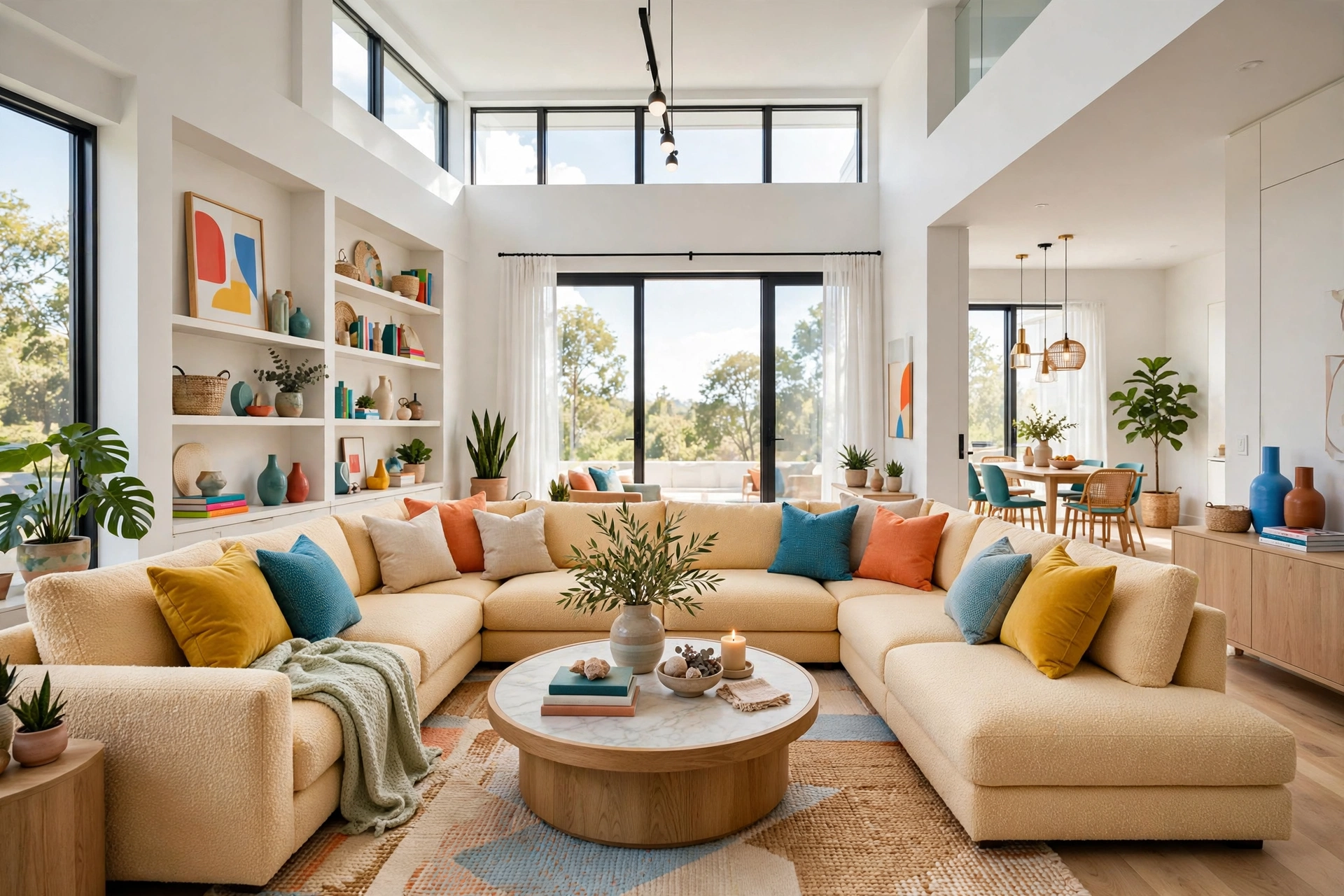
On raw seating numbers, the sectional usually wins. A standard L-shaped sectional comfortably seats four to five adults, and a U-shaped sectional can seat six or more — all within one connected piece. A regular three-seater sofa seats three adults, and seating a fourth or fifth person means adding an armchair or loveseat, which needs its own floor space.
But the honest comparison is seating per square foot of floor, not per piece. A sectional concentrates four to five seats into one corner-hugging footprint, which is extremely efficient in a medium or large room. In a small room, though, that same sectional can swallow the floor plan whole, while a regular sofa plus one well-chosen armchair seats four people with far less visual bulk.
Think about how you actually host. If your typical evening is four to six people sprawled for a movie, a sectional’s continuous lounge surface is unbeatable. If you usually host two to three guests who sit and talk, a regular sofa plus chairs gives everyone their own defined seat — and many people prefer that to squeezing onto a shared sectional bench.
💡 Pro Tip: Tape the footprint on your floor before you buy. Use painter’s tape to outline the sectional’s full L or U shape at its real dimensions, then live with the outline for a day. You will instantly feel whether the room still breathes or whether the sectional eats the walkways.
Sectional vs. Regular Sofa Quick-Start Checklist
- ✅ Measure the wall AND the full floor footprint — a sectional’s depth matters more than its length.
- ✅ Count your real guests: how many people sit in your living room on a typical evening?
- ✅ Map the walking lanes with tape — keep 30 inches clear on every main path.
- ✅ Measure the delivery path: doorways, hallway turns, and stairwells, not just the room.
- ✅ Decide your priority: maximum lounge seating (sectional) or layout flexibility (regular sofa).
- ✅ Check the chaise orientation — left or right facing — against your actual room layout.
- ✅ Match the sofa scale to your rug using our guide to choose the right rug size.
4. Comfort and Lounging: Stretch Out or Sit Upright?
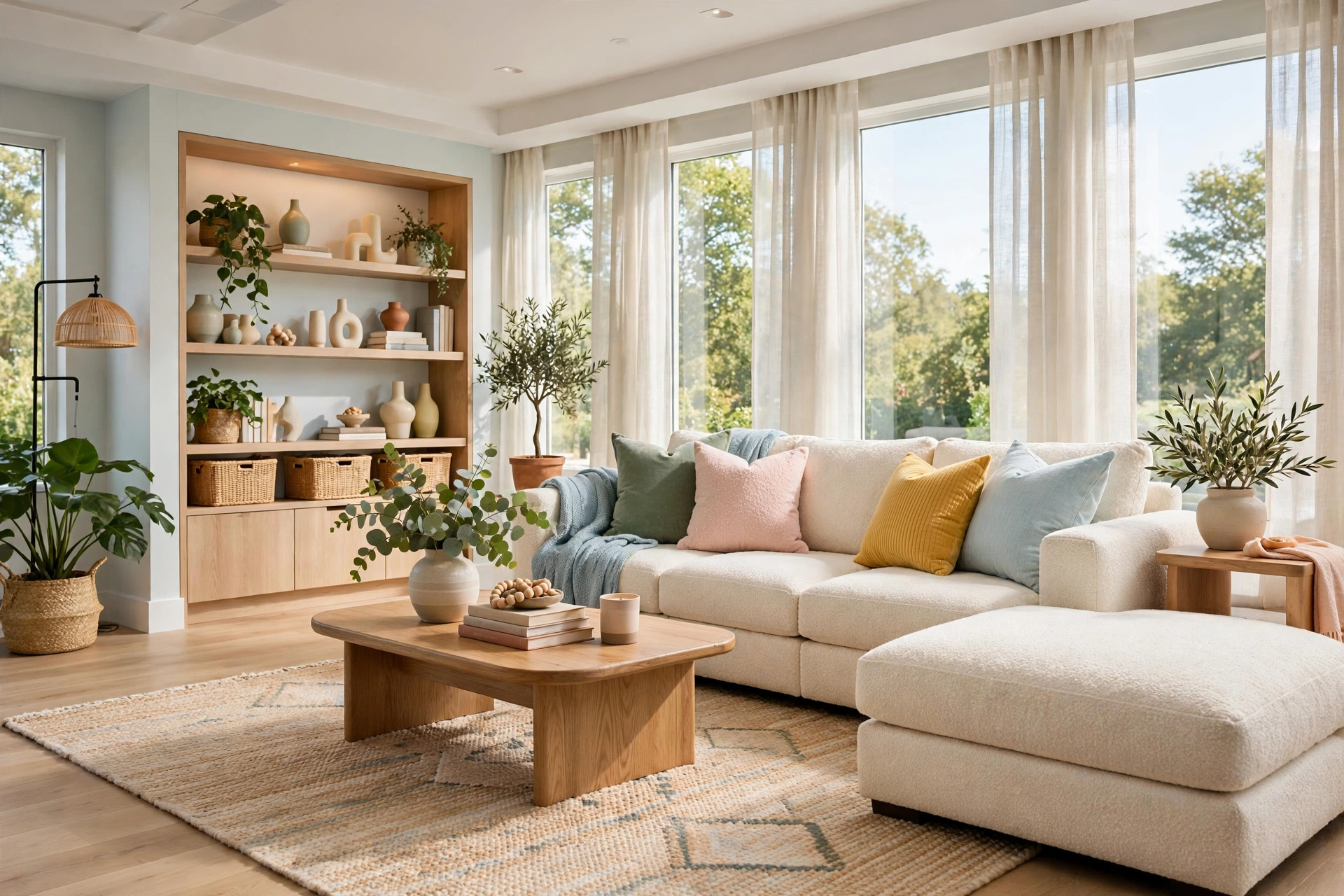
Comfort is where personal preference takes over, and it is the reason many sectional owners become sectional owners for life. The chaise section — that extended leg rest built into most L-shaped sectionals — gives you a permanent stretch-out spot with no ottoman to drag around. On a sectional, lounging is the default posture: feet up, sprawled sideways, half-reclined for a film.
A regular sofa offers a different kind of comfort: upright, supportive, and social. The uniform seat depth suits sitting and talking, reading with good posture, and working on a laptop. Pair it with an ottoman and you get the foot-up option too — just not the full-body sprawl that a chaise delivers. Many people find regular sofas better for conversation, because everyone faces forward at the same height instead of sinking into a corner.
The honest test is your evening routine. If your living room is primarily a lounge — films, gaming, naps, Sunday sprawling — the sectional’s comfort is purpose-built for you. If the room is primarily social — talking, entertaining, working — a regular sofa’s upright comfort serves that life better. Neither is objectively more comfortable; they are comfortable in different ways.
5. Room Size: The Make-or-Break Measurement

Room size is the single biggest factor in this decision, and it has a fairly clear dividing line. As a rule of thumb, sectionals shine in living rooms of about 200 square feet and up, where the L-shape has room to breathe without touching every wall. In rooms under about 150 square feet, a regular sofa is almost always the smarter choice — a sectional will dominate the floor and leave no room for anything else.
The shape of the room matters as much as the size. A square or open-plan room gives a sectional’s L-shape a natural corner to claim, and the sectional can actually improve the layout by defining the seating zone. A long, narrow room fights the sectional: the L’s return juts into the walkway, and the piece ends up blocking the room’s natural flow. Narrow rooms belong to regular sofas, full stop.
Ceiling height and window placement play a role too. A sectional’s long, unbroken back can block low windows or make a low-ceilinged room feel compressed. A regular sofa’s smaller profile keeps sightlines open and lets light travel. When in doubt, our furniture arrangement formulas show how each sofa type behaves in real small-room layouts.
Quick Comparison: Sectional vs. Regular Sofa by Cost and Effort
6. Layout Flexibility: Rearranging Without Regret

Here the regular sofa wins by a mile. A regular sofa can go against any wall, under a window, floated in the middle of the room, or angled into a corner — and you can change your mind next season without hiring movers. Rearranging a room with a regular sofa is a Saturday afternoon project; rearranging around a sectional is a logistics operation.
A sectional locks your layout in place. The L-shape only works in one or two orientations, the chaise has a fixed left or right side, and the corner piece dictates where everything else goes. Modular sectionals soften this — you can split some into a sofa plus chaise, or reconfigure the modules — but even modular pieces are heavier, bulkier, and fussier to rearrange than a single regular sofa.
Think about your future, not just your present. If you rent, move often, or simply love refreshing your layout, a regular sofa keeps every option open. If you own your home, know your floor plan is settled, and want the layout decided once and done well, a sectional’s permanence becomes a feature rather than a limitation.
7. Traffic Flow: Keeping Walkways Clear
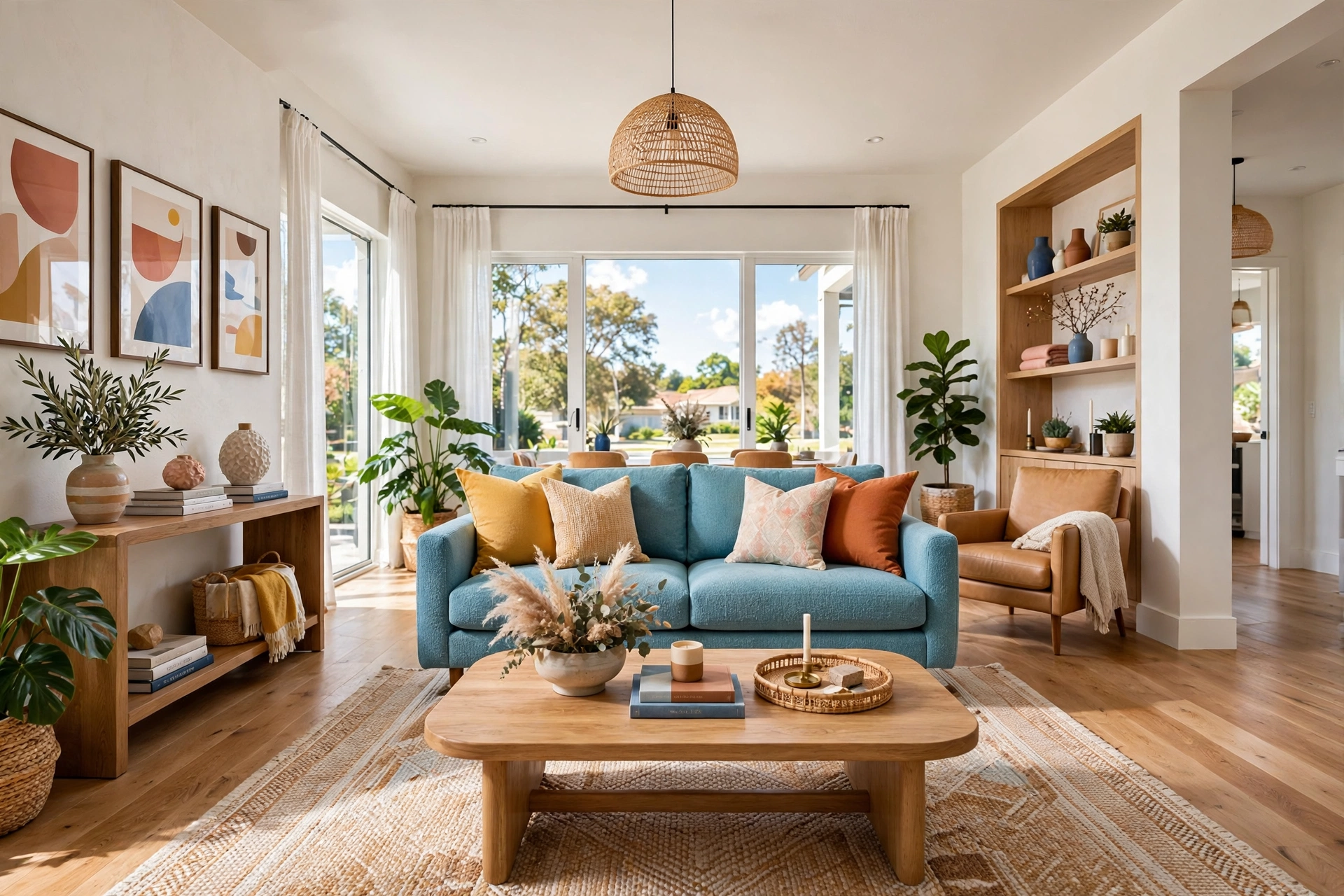
Every living room has walking lanes — doorway to window, hallway to kitchen, sofa to TV — and the sofa is usually the largest obstacle in them. A regular sofa, hugging one wall, typically interferes with just one lane. A sectional, reaching into the room with its return, can block two lanes at once if placed carelessly.
The fix for sectionals is corner placement: tuck the L into the room’s strongest corner so the long arm runs along the longest wall and the return turns into the room without crossing a walkway. Done right, the sectional actually improves flow by consolidating seating into one zone and leaving the rest of the floor open. Done wrong — floated in the middle of the traffic pattern — it becomes a very expensive roadblock.
Our living room furniture arrangement ideas break down exactly how to map walking lanes around each sofa type before you commit. The thirty-inch rule is non-negotiable: every main path needs about thirty inches of clear width, and no sofa — sectional or regular — gets to violate it.
📌 Important: Never let a sectional’s chaise or corner return block the path to the room’s main doorway. Guests should be able to enter, cross, and sit down without squeezing past furniture — if the tape outline forces a sideways shuffle, the sectional is too big for the room.
8. Open-Plan Living: Defining Zones Without Walls

Open-plan living rooms are the sectional’s home turf. Without walls to define where the lounge ends and the dining area begins, the sectional’s long back becomes architecture — a soft, upholstered room divider that says “this side is for relaxing” more elegantly than any bookshelf or screen. Designers reach for sectionals in open plans precisely for this zoning power.
A regular sofa can zone an open plan too, but it needs help: a large rug underneath, a console table behind it, or a pair of chairs completing the boundary. It works — many beautiful open-plan rooms are built around a regular sofa — but the zone reads as a furniture grouping rather than a defined space. The sectional draws the line more decisively.
If your living room shares its footprint with a dining table or kitchen island, lean sectional. The L-shape wraps the seating zone into a clear destination, and the visual boundary makes the whole open space feel organized instead of sprawling. In a closed, single-purpose living room, this advantage disappears — and the regular sofa’s flexibility takes the lead again.
9. Style and Visual Weight in the Room

A sectional is a lot of sofa to look at. Its long, continuous mass carries serious visual weight, which can be magnificent in a large room — grounding, generous, intentional — or overwhelming in a small one, where it reads as one giant upholstered wall. Light colors, raised legs, and low backs reduce a sectional’s visual weight; dark, skirted, overstuffed sectionals maximize it.
A regular sofa is visually lighter by nature. Its compact rectangle leaves wall and floor visible around it, which keeps the room feeling open and gives your other pieces — art, plants, the rug — room to breathe. If your style leans airy, minimal, or eclectic-with-lots-of-pieces, a regular sofa supports that layered look better than a sectional’s single statement mass.
There is also the question of balance. A sectional tends to become the room’s undisputed star, and everything else plays supporting roles. A regular sofa shares the stage: pair it with a statement armchair, a bold rug, or dramatic curtains, and the room feels composed rather than sofa-dominated. Neither approach is wrong — it depends whether you want one hero or an ensemble cast.
10. Fabric, Upholstery, and Customization Options

Both sofa types come in every fabric imaginable — performance linen, velvet, leather, bouclé, slipcovered cotton — but the practical math differs. A sectional has significantly more yardage, which means upgrading to a premium fabric costs noticeably more, and a bold pattern or color is a bigger commitment when it covers that much surface. Neutral, textured fabrics are the safe sectional play; save the wild velvet for a smaller piece.
Reupholstering tells a similar story: recovering a sectional costs far more than recovering a regular sofa, simply because there is more sofa. If you love changing your room’s look every few years, a regular sofa with a slipcover is the budget-friendly chameleon — wash it, swap it, done. A sectional in a trendy color can feel dated faster, and fixing it costs real money.
Modularity is the sectional’s customization advantage. Many sectional lines let you add seats, swap a corner for a chaise, or extend the L as your needs change — the sofa grows with you. Regular sofas cannot grow, but they can be joined: two matching loveseats or a sofa-plus-chaise pairing approximates sectional flexibility with more placement freedom.
11. Budget Breakdown: What You’ll Actually Pay
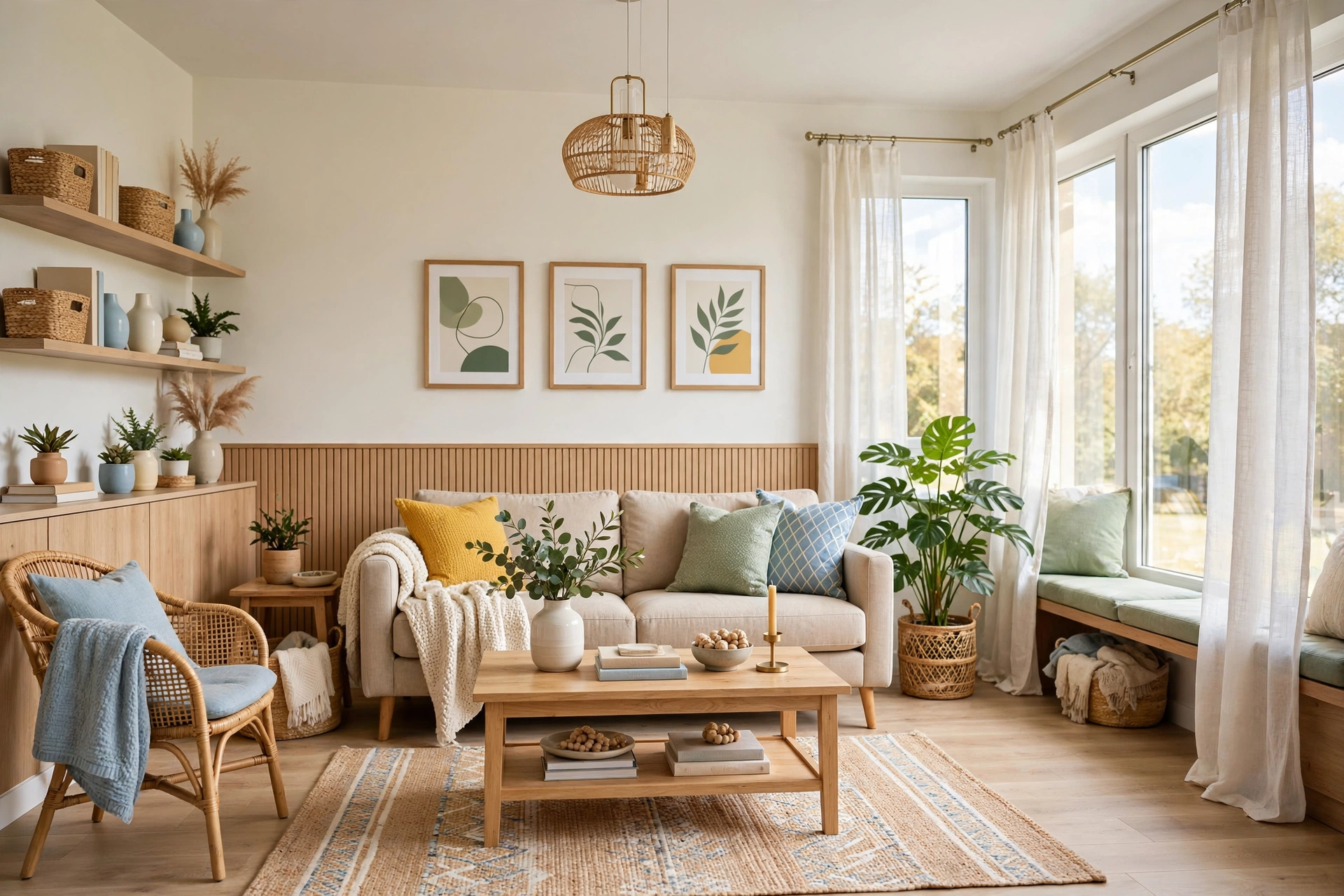
At entry level, a decent regular sofa costs less than a decent sectional — there is simply less of it. A quality apartment-scale regular sofa starts in the low hundreds, while a quality compact sectional typically starts several hundred higher. The gap widens as quality rises: more frame, more cushions, more fabric, more labor.
But compare seating for seating and the math flips. Furnishing seats for five with regular sofas means a three-seater plus two armchairs — three frames, three deliveries, three price tags. A single five-seat sectional often costs less than that three-piece equivalent, with one delivery and one style to coordinate. Per seat, sectionals are frequently the better value.
Watch the hidden costs either way. Sectionals may need professional delivery and assembly, a larger rug to anchor them, and more fabric cleaner over their lifetime. Regular sofas paired with chairs need side tables and possibly extra lighting for each seat. Budget the whole seating zone, not just the sofa — and if every dollar counts, our cozy living room ideas show how to get a rich look without a rich budget.
⚠️ Warning: Do not buy a sectional just because the per-seat price looks good. A bargain sectional that overwhelms your room is not a deal — it is an expensive mistake you will live with daily. Fit first, price second, always.
12. Durability and Long-Term Value

A well-built sofa lasts seven to fifteen years regardless of type — what matters is the frame, suspension, and cushions, not the shape. Look for kiln-dried hardwood frames, sinuous spring or eight-way hand-tied suspension, and high-resilience foam cushions in both sectionals and regular sofas. The shape does not determine lifespan; construction does.
Where they differ is wear patterns. A sectional’s corner seat and chaise get disproportionate use — everyone fights for the corner spot — so those cushions compress faster while the far end stays pristine. Rotating and flipping cushions helps, but the corner will always lead the wear. A regular sofa wears more evenly, since all three seats get roughly equal use.
Modular sectionals have a repairability edge: if one module’s frame breaks or a cushion dies, you can sometimes replace just that module. A damaged regular sofa is an all-or-nothing proposition. On the other hand, a regular sofa is easier to sell secondhand and easier to move without damage — both real factors in long-term value.
13. Kids, Pets, and Everyday Real Life
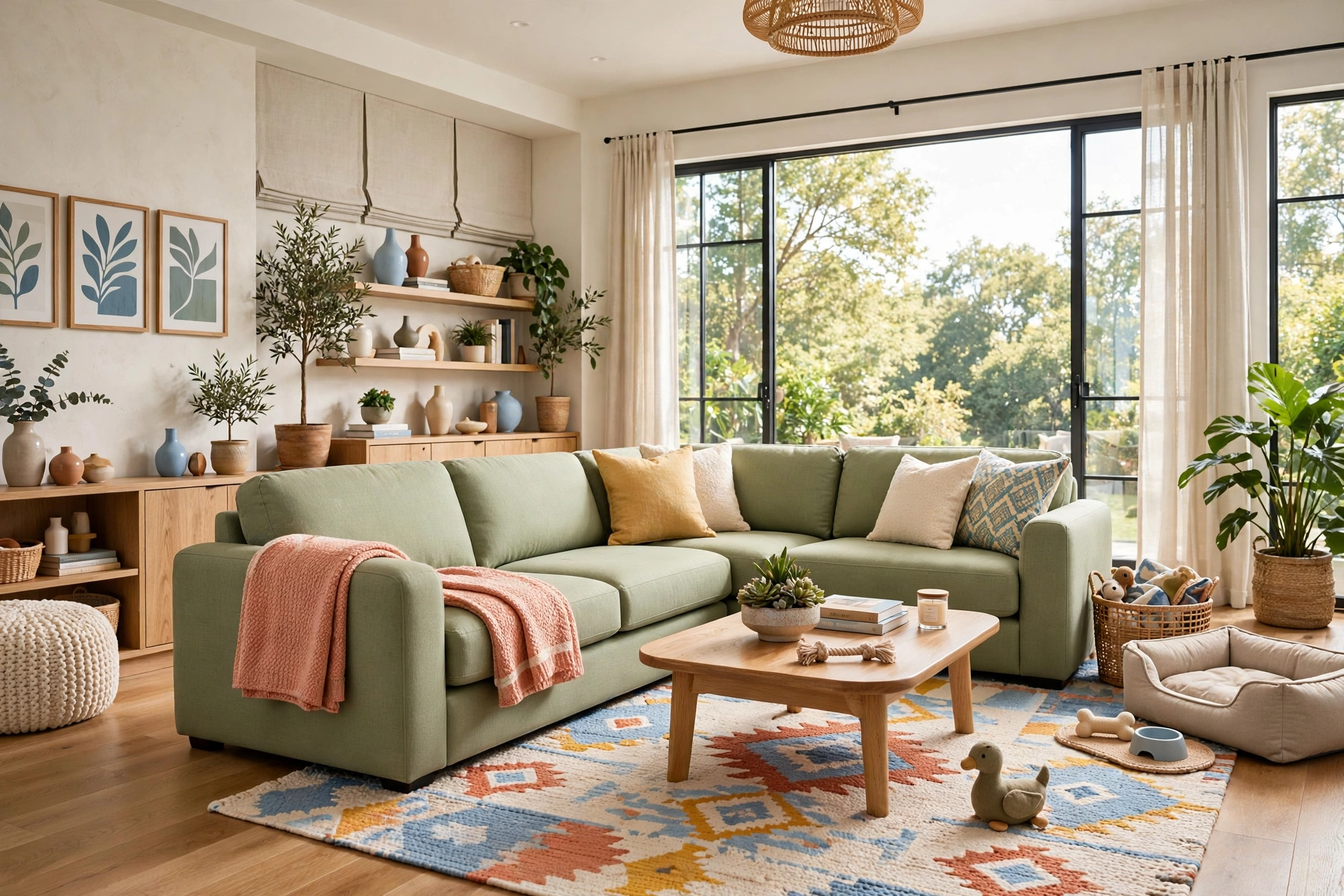
Family life stress-tests every sofa, and the two types fail differently. Sectionals are kid magnets in the best way: the sprawling surface becomes a fort base, a reading nest, a wrestling ring. But all that surface is also more fabric to stain, more crevices to lose toys in, and a chaise that collects crumbs like a canyon. With kids, a sectional demands performance fabric — non-negotiable.
Pets love sectionals too, especially the chaise, which becomes the dog’s claimed territory within a week. The upside is that pets tend to colonize one section, leaving the rest relatively fur-free. The downside is that one section takes a beating. Washable slipcovers or a tightly woven performance fabric make sectional life with pets dramatically easier.
A regular sofa is simply less sofa to maintain: fewer cushions to vacuum, fewer crevices, less surface to protect. For households with young kids or multiple pets, the smaller, simpler piece is often the saner choice — easier to clean, easier to cover with a throw, and cheaper to replace if disaster strikes. Choose your fabric for your real life, not your fantasy life.
💡 Pro Tip: With kids or pets, order fabric swatches and abuse them first — spill coffee, drag a key across, wash one. The swatch that survives your test is the only fabric that belongs on your sofa, sectional or regular.
14. Hosting Guests and Movie Nights
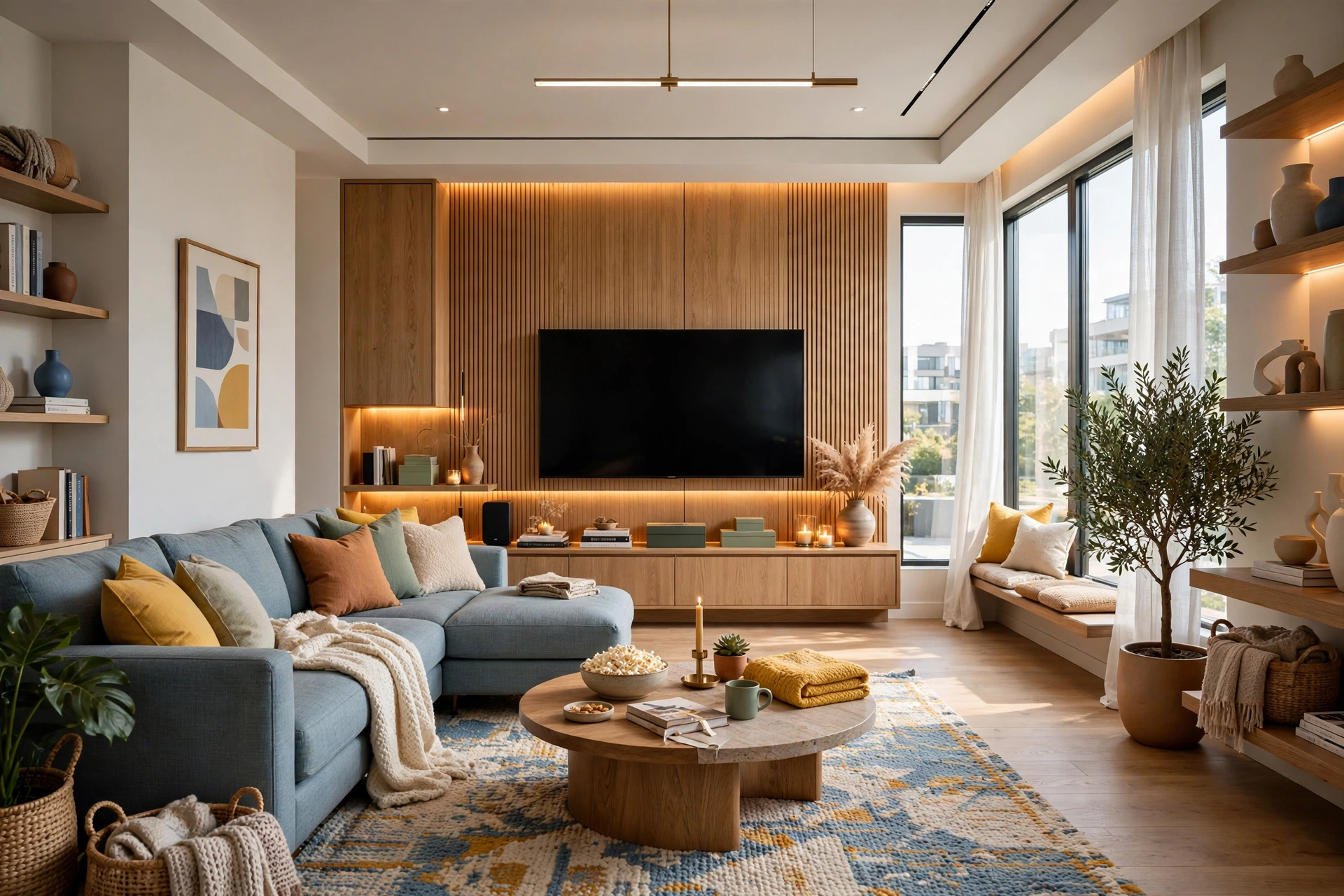
For movie nights, the sectional is undefeated. Four to six people can sprawl across a U-shape with everyone facing the screen, feet up, nobody perched on an arm or the floor. The continuous surface means no gaps, no fighting over the good chair, no one stuck in the awkward side seat. If your living room is a home theater in disguise, buy the sectional.
For talking-centered gatherings — dinner parties that migrate to the living room, book clubs, long conversations — the regular sofa plus chairs often works better. Everyone gets a defined seat at a similar height, facing inward, at conversational distance. A sectional’s corner seat is a social dead zone: whoever lands there is half-turned away from half the group.
Consider your hosting ratio honestly. If eighty percent of your gatherings are films and games, optimize for the sectional. If eighty percent are conversation, optimize for the sofa-and-chairs arrangement. The right answer is the one that matches your actual social life, not the one that photographs best.
15. The Final Verdict: Which Sofa Wins for Your Living Room?
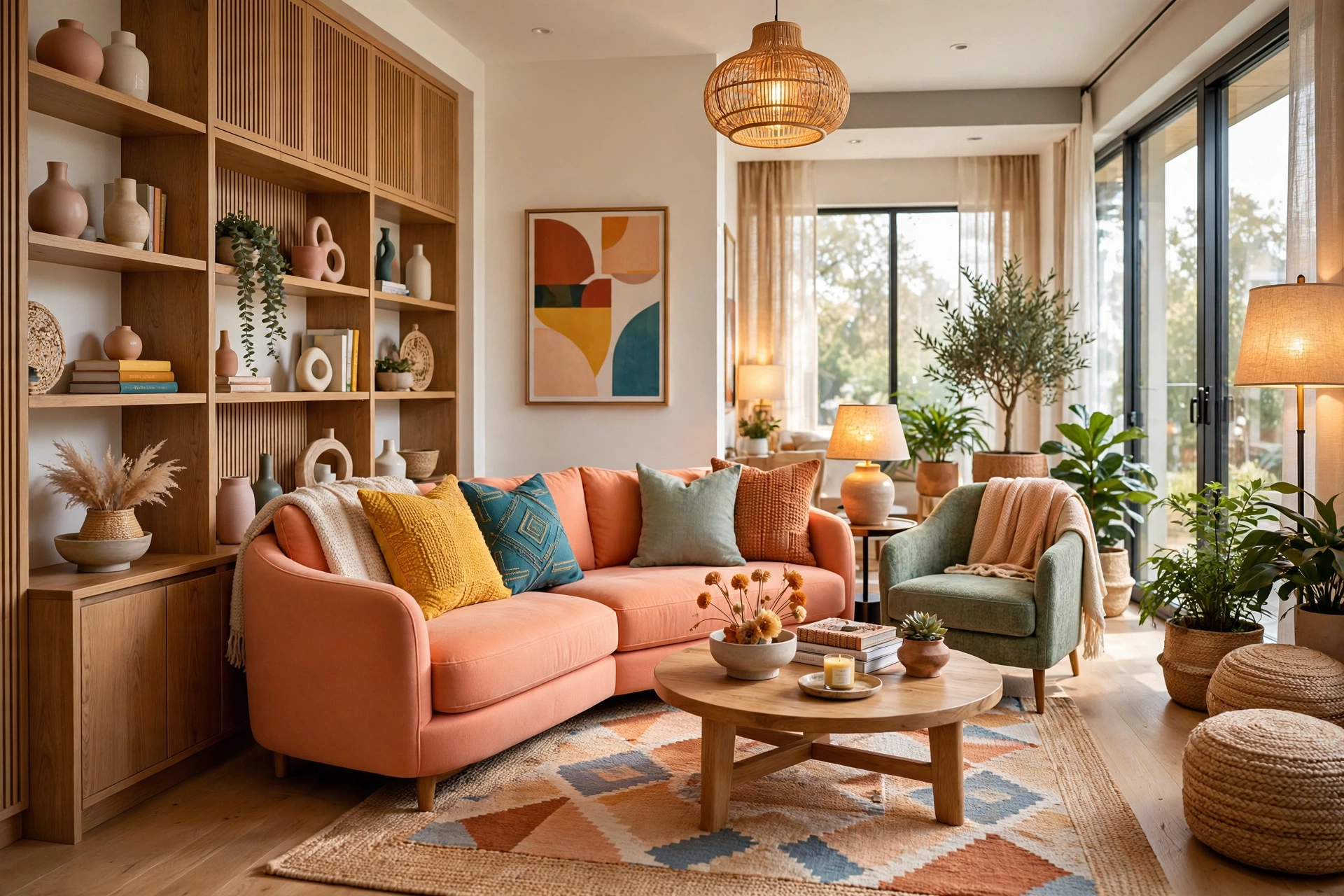
After fifteen rounds, here is the honest summary: choose the sectional if your living room is medium to large, your household loves lounging, you host movie nights, or your open plan needs a zone-definer. Choose the regular sofa if your room is small or narrow, you move or rearrange often, your gatherings are conversation-first, or you want maximum flexibility for the money.
There is also a middle path worth considering: a regular sofa paired with a chaise lounge or an ottoman gives you much of the sectional’s stretch-out comfort with the regular sofa’s placement freedom. And a compact apartment-scale sectional — the loveseat-plus-chaise style — splits the difference beautifully for medium rooms that want lounge seating without the full sectional commitment.
Whichever you choose, measure twice, tape the footprint, sit-test before you buy, and invest in the best frame and fabric your budget allows. The right sofa — sectional or regular — disappears into your life so completely that you stop thinking about the decision at all. And that is exactly the point.
Common Sectional vs. Regular Sofa Mistakes
Mistake 1: Buying for the Showroom, Not Your Room
Showroom floors are vast, ceilings are high, and every sofa looks reasonably sized under those lights. Your living room is none of those things. Always translate showroom impressions through your taped floor outline and your real measurements — the sofa that looked “cozy” in a 2,000-square-foot showroom can be a monster in a 180-square-foot living room.
Mistake 2: Ignoring the Delivery Path
The most heartbreaking sofa story is the one that fits the room but not the hallway. Measure every doorway, turn, elevator, and stairwell on the delivery route before you order — especially for sectionals, whose corner pieces are the hardest shapes to maneuver. A sofa that cannot reach your living room is not a bargain at any price.
Mistake 3: Letting a Sectional Block the Traffic Flow
The classic sectional regret is the beautiful L-shape that turns the living room into an obstacle course. If the chaise return forces everyone to squeeze past single-file, or the corner blocks the path to the kitchen, the layout has failed no matter how good the sofa looks. Tape the walking lanes first; choose the sofa second.
Mistake 4: Picking Fabric for Looks Alone
That ivory bouclé sectional is stunning in the product photo and a tragedy with a toddler and a labrador. Match the fabric to your household’s reality: performance weaves for kids and pets, tightly woven fabrics for heavy daily use, and washable slipcovers if you want light colors without the anxiety. Comfort means nothing if you are afraid to sit on it.
Mistake 5: Forgetting the Rug and Table Scale
A sectional needs a bigger rug than you think — the front legs of every section should sit on it, which often means sizing up. A regular sofa paired with chairs needs the rug to unify the whole grouping, not just the sofa. Get the rug wrong and even the perfect sofa looks adrift; our guide to living room color schemes can help you tie the palette together once the scale is right.
Frequently Asked Questions
1. Is a sectional or a regular sofa better for a small living room?
A regular sofa is better for a small living room in almost every case. It hugs one wall, leaves walkways open, and can be paired with a single armchair for flexible extra seating. A sectional needs roughly 200 square feet to breathe; below that, it dominates the floor and makes the room feel smaller, not cozier.
2. Are sectionals more expensive than regular sofas?
Per piece, yes — a sectional typically costs more than a comparable-quality regular sofa because there is more frame, fabric, and labor involved. Per seat, though, sectionals are often the better value: one five-seat sectional usually costs less than a three-seater sofa plus two armchairs bought separately.
3. Can you separate a sectional into individual pieces?
Modular sectionals can — their seats, corners, and chaises unclip and rearrange, and some can even split into a standalone sofa and loveseat. Fixed L-shaped sectionals generally cannot; the corner wedge only makes sense as part of the whole. If separability matters to you, shop specifically for modular designs and confirm how the pieces connect.
4. Do sectionals work in apartments?
Compact apartment-scale sectionals work well in medium-sized apartment living rooms, especially the loveseat-plus-chaise style that delivers lounge comfort in a modest footprint. Measure carefully, confirm the chaise orientation matches your layout, and check the delivery path — apartment hallways and elevators are where sectional purchases most often fail.
5. Which lasts longer, a sectional or a regular sofa?
Lifespan depends on construction, not shape — a well-built frame with good suspension lasts seven to fifteen years either way. Sectionals do wear unevenly, with the corner and chaise compressing faster from heavy use, while regular sofas wear more evenly. Modular sectionals have a slight edge in repairability since single modules can sometimes be replaced.
6. How do I choose between an L-shape, U-shape, or chaise sectional?
Match the shape to your room and household: L-shapes suit most medium rooms and corner placement; U-shapes need large rooms and big households to justify their footprint; a chaise sectional (sofa plus chaise, no corner) is the most versatile and fits the most rooms. When in doubt, the chaise sectional is the safest first sectional.
7. Should my sofa match my rug size?
They should be scaled to each other, not matched exactly. The rug should extend 8 to 12 inches beyond each end of the sofa, with the front legs of all seating on the rug. For sectionals, that usually means sizing up to 9×12; for a regular sofa, 8×10 is the sweet spot in most rooms. Our guide to choose the right rug size walks through the exact measurements.
Conclusion
The sectional vs. regular sofa debate has no universal winner — only the winner for your room, your household, and your life. Sectionals deliver unbeatable lounge seating, natural zone-defining, and per-seat value for medium and large rooms. Regular sofas deliver flexibility, easy placement, and timeless versatility that works almost anywhere. The right choice is the one you will stop second-guessing within a week of delivery.
Measure your room, tape the footprint, count your real guests, and be honest about how you actually spend your evenings. Do that homework and the decision nearly makes itself — and whichever sofa you bring home, it will feel less like a compromise and more like the piece your living room was waiting for. And that is exactly the point.