10 Best Sofas for Small Living Rooms: Top Picks Under $800
Introduction
The sofa is the single largest piece of furniture in a small living room, which means it is also the single most consequential buying decision. Choose right and the whole room clicks into place — the walking paths stay open, the seating fits the way you actually live, and the space looks designed instead of stuffed. Choose wrong and no amount of styling can save it: a bulky three-seater swallows the wall, blocks the light, and turns every other purchase into damage control.
The good news is that the market has finally caught up with small-space living. Apartment-scale sofas — pieces sized specifically for compact rooms rather than shrunk as an afterthought — are now widely available well within an $800 budget. The trick is knowing which styles genuinely save space and which only claim to, because a sofa’s footprint is decided by its arms, its depth, and its silhouette long before you look at the tape measure.
This guide walks through ten sofa styles that consistently work in small living rooms, each with the dimensions to check, the shoppers it suits best, and what to look for under $800. Every pick follows the same rule: nothing over 80 inches wide, nothing so deep it eats the walking lane, and nothing that needs a cavernous room to look right. If you are furnishing a compact space from scratch, pair these picks with our small living room ideas roundup, which covers right-sizing everything else around the sofa.
1. The Apartment-Size Sofa (68 to 78 Inches)
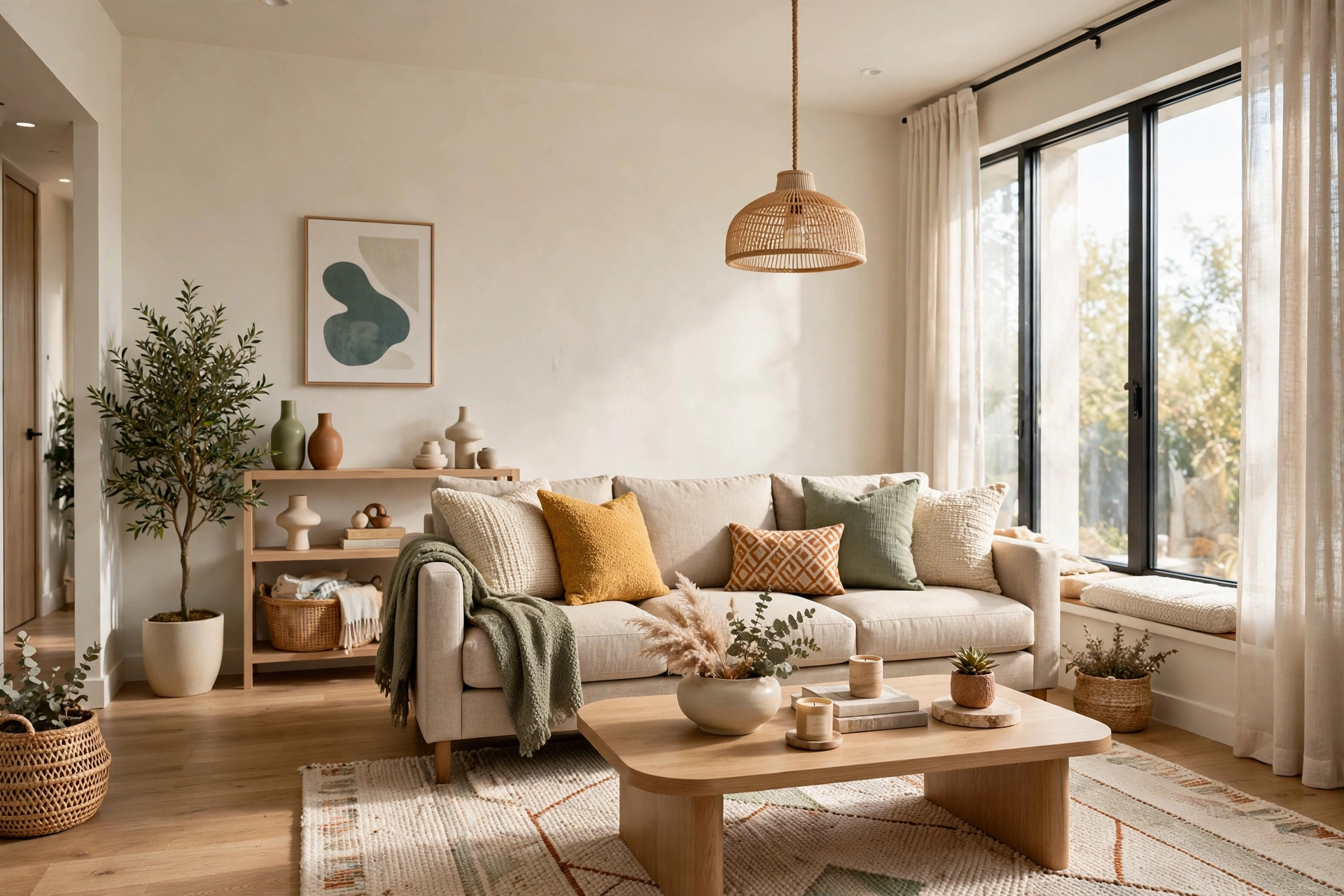
The apartment sofa is the most straightforward answer to the small-living-room problem: a true three-seater built on a smaller frame, usually 68 to 78 inches wide instead of the standard 84 to 96. It seats three real adults without devouring the wall, freeing up to two feet of precious room width — enough for a floor lamp, a side table, or simply visual breathing space. If your living room is between 10 and 13 feet across, this is almost certainly your category.
Comfort does not have to shrink with the frame. Look for apartment sofas with seat depths of 22 inches or more, high-resilience foam cushions, and a tight or semi-tight back that supports without bulk. Raised on tapered legs, the piece stays visually light, and the visible floor underneath makes the whole room read larger. This is the pick for couples, young families in apartments, and anyone who wants a normal-looking living room that happens to fit.
💡 Pro Tip: Before you fall in love with any sofa, measure the delivery path — doorways, hallway turns, elevator, and stairwells — not just the living room. In apartments, the path is almost always tighter than the room, and the delivery path is where most sofa purchases die. A piece that arrives in boxes and assembles in the room sidesteps the entire problem.
2. The Classic Loveseat
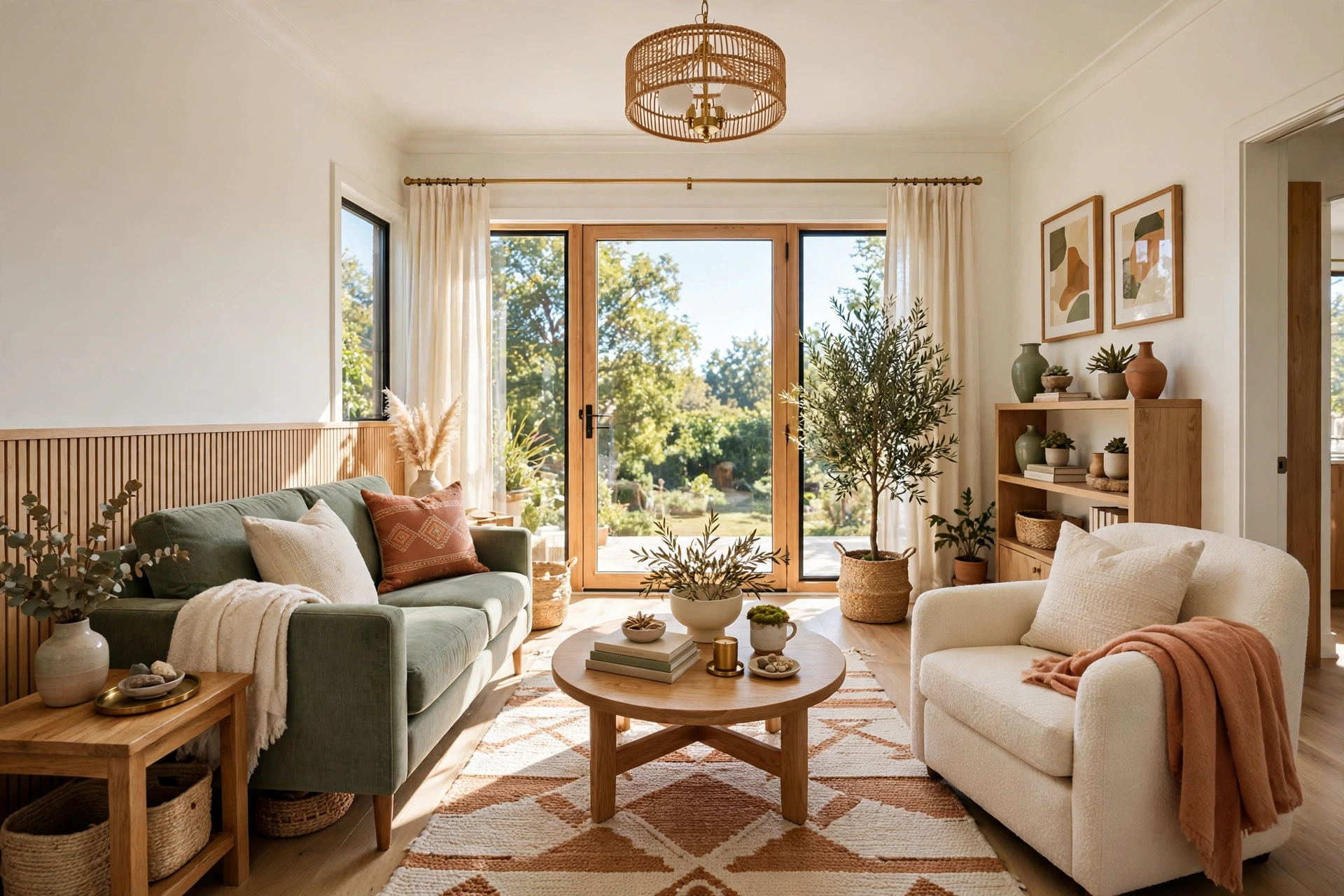
The loveseat is the small-space veteran: roughly 48 to 68 inches wide, it seats two adults in full comfort and asks for almost nothing in return. In a genuinely tight living room — under 120 square feet — a loveseat paired with one good armchair often seats three people more comfortably, and more stylishly, than a single oversized sofa ever could. The arrangement looks intentional instead of cramped, and the freed-up floor space lets the room breathe.
Because the footprint is small, you can afford to be generous on quality. Under $800, loveseats frequently land in better upholstery and frames than full-size sofas at the same price — kiln-dried hardwood frames, performance fabrics, and solid suspension systems show up here first. Slipcovered loveseats are especially smart for small rooms: the tailored-but-relaxed look suits compact spaces, the covers wash when life happens, and you can swap colors seasonally without buying new furniture.
3. The Slim-Arm Sofa
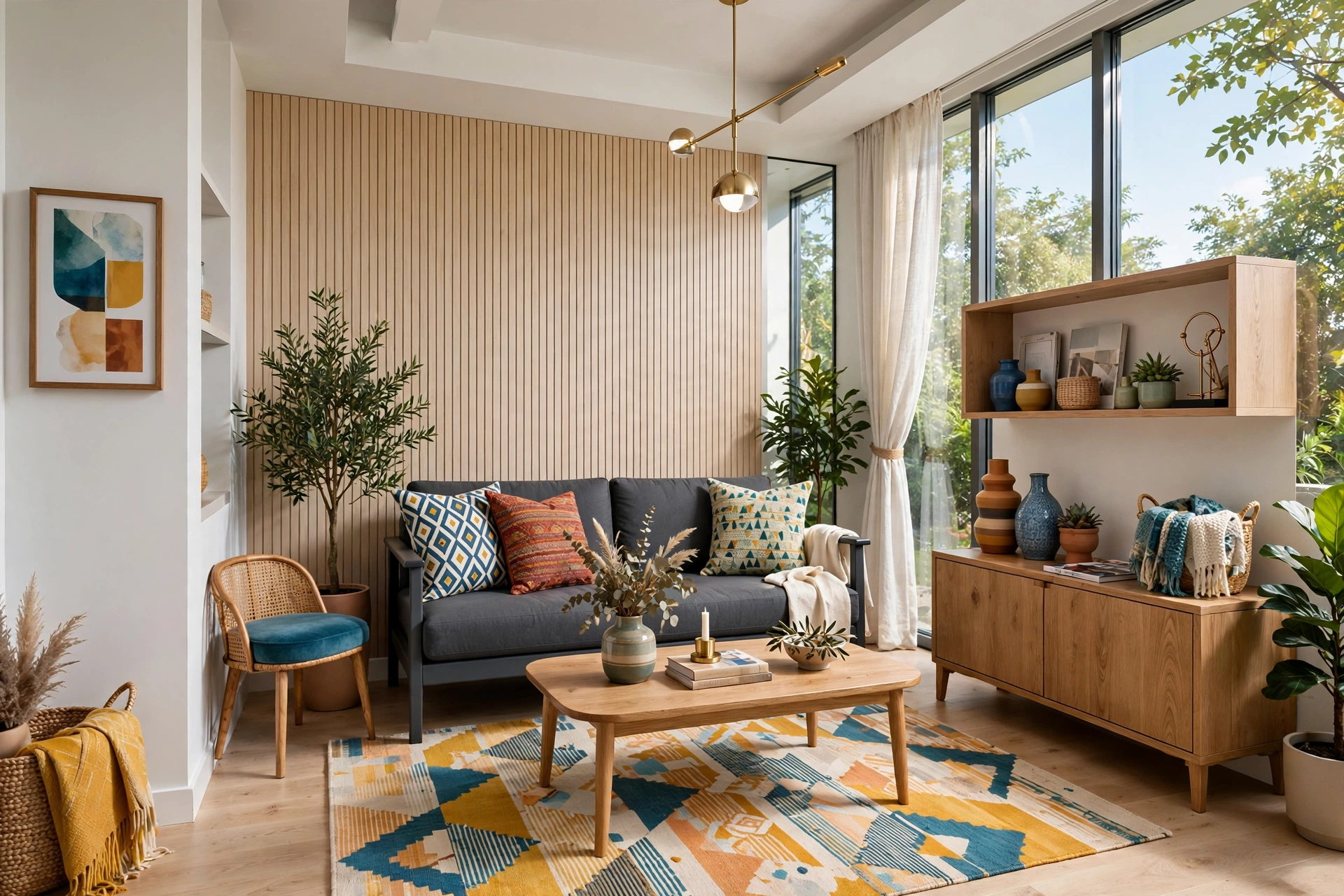
Arms are silent space thieves. A rolled arm can eat 8 to 10 inches of width per side — nearly two feet of the sofa’s total footprint given over to decoration you never sit on. Slim-arm sofas trade those bulky rolls for track arms, panel arms, or squared cushions that run 3 to 5 inches wide, instantly converting up to a foot of arm into usable seat. The result reads as a full-size sofa with a loveseat’s manners.
This is the style to choose when you want maximum seating per inch of wall. Measure the outside width against your wall space, then check the seat width separately — the difference tells you exactly how much the arms are costing you. Slim-arm designs also pair beautifully with cushions and throws, because the clean arm line gives pattern somewhere to land. For rooms where every inch matters, the slim arm is the highest-return detail you can buy.
📌 Important: Seat width matters more than overall width when you are buying for actual sitting. Two sofas can both measure 72 inches wide while offering 60 and 48 inches of real seat — the difference is all in the arms. Always compare seat width, not just the number on the spec sheet.
4. The Tuxedo-Back Sofa
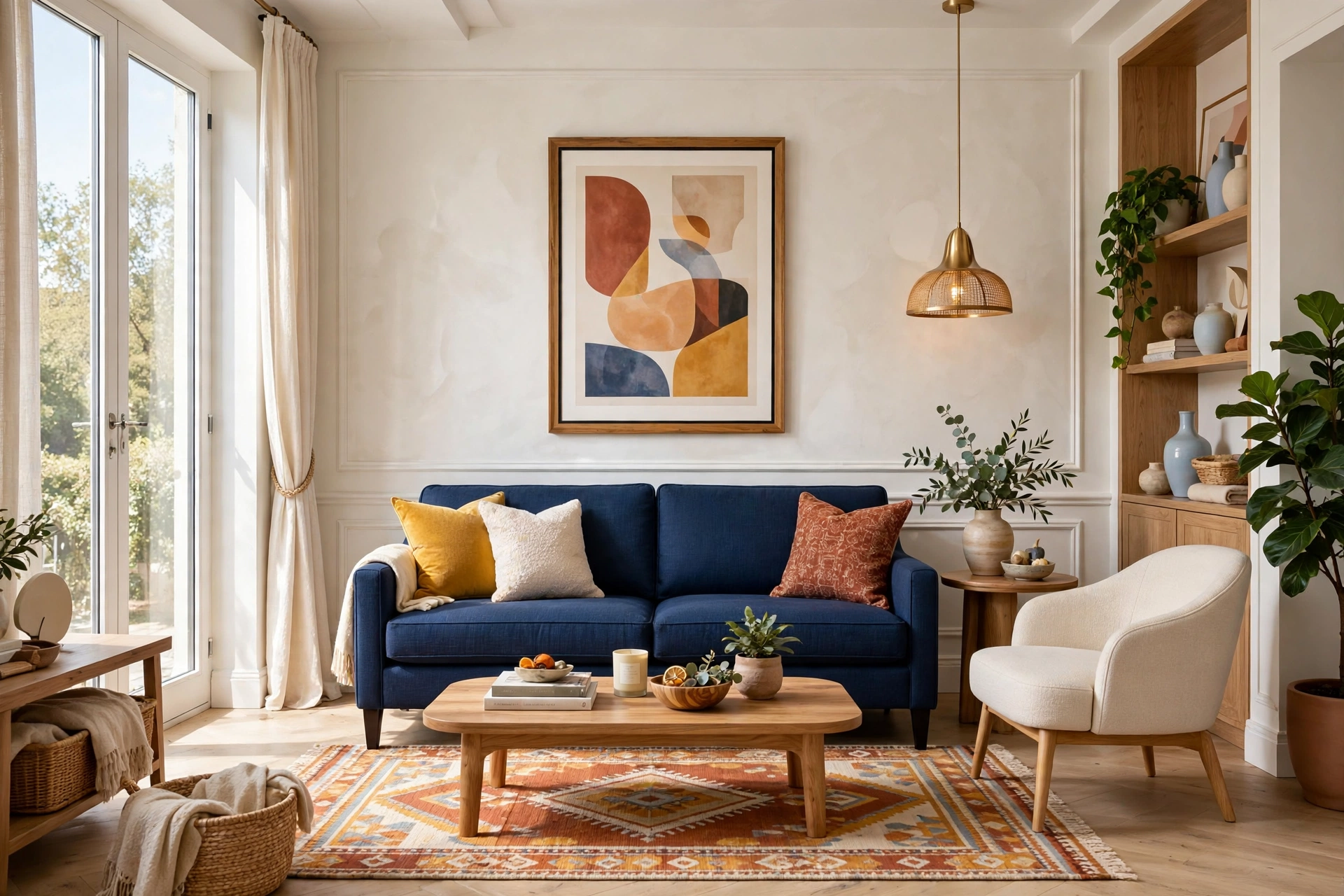
The tuxedo sofa — arms and back the same height, usually in a clean straight line — is the small room’s best visual trick. Because the silhouette is one unbroken rectangle, the eye reads it as a single block rather than a collection of bulky parts, and it tucks against a wall or under a window with zero wasted inches. No sloped backs poking out, no rolled arms ballooning into the walkway: every inch is inside the lines.
The straight, tailored profile also takes styling exceptionally well in compact spaces. The flat back is a natural shelf for the wall behind it — hang one piece of art centered above and the composition is done. Under $800, tuxedo sofas show up in velvet, performance linen, and faux leather, and the geometric shape makes even budget fabrics look deliberate. Choose low legs or a plinth base depending on your floor situation, and keep the cushion count simple: two seat cushions read cleaner than three on a small frame.
5. The Low-Profile Mid-Century Sofa
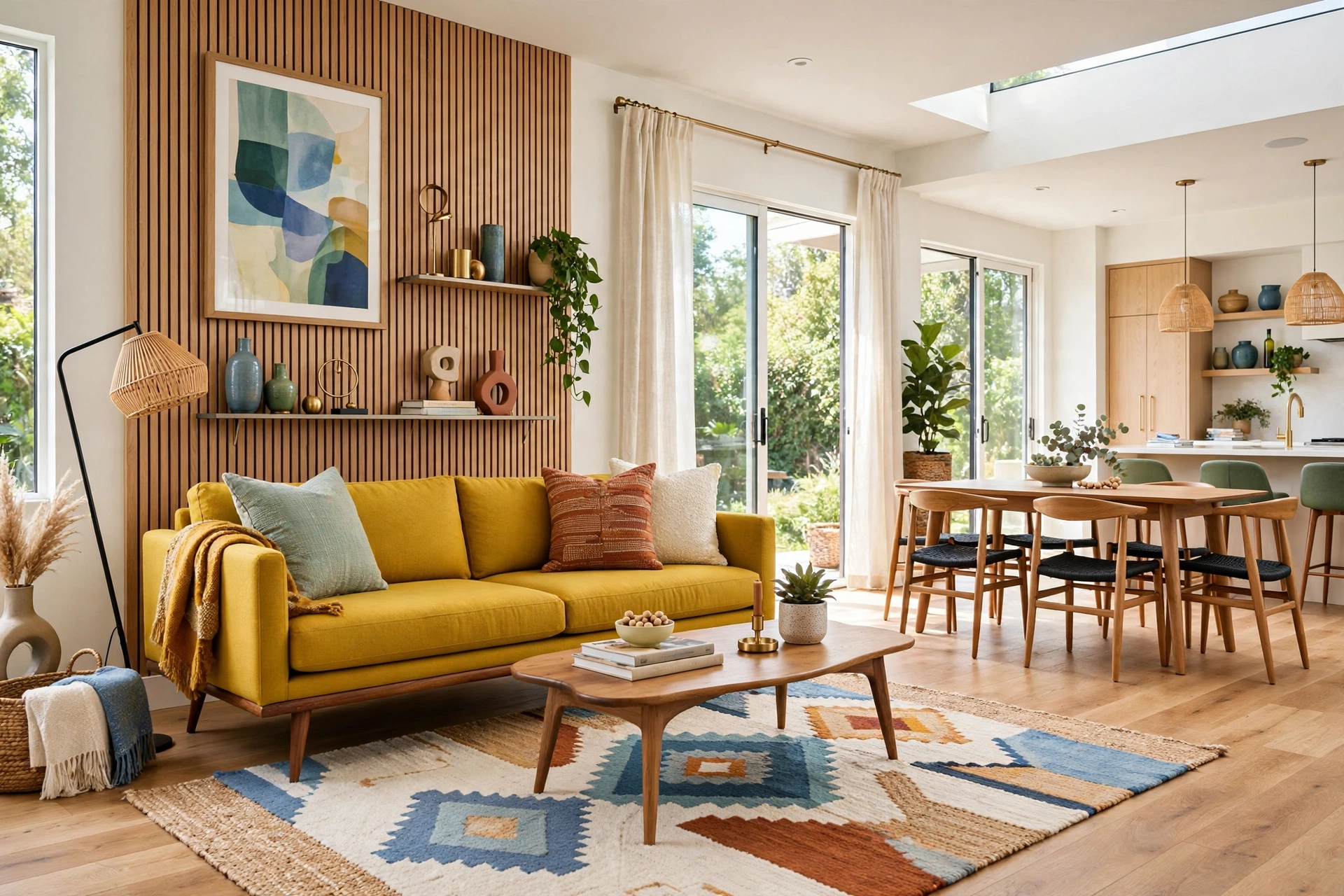
Mid-century-inspired sofas earn their small-space reputation honestly: low backs, raised tapered legs, and compact proportions are baked into the style, not added as an afterthought. The low back — often several inches below a traditional sofa’s — keeps sightlines open across the room, which makes the walls feel further apart than they are. The raised legs reveal floor underneath, adding visible square footage that a skirted sofa would hide.
The style has been produced at every price point for years, which means the under-$800 market is deep and competitive — good news for shoppers. What to check: cushion fill (foam over a spring base holds up; loose fiber alone goes flat), leg attachment (solid, not wobbly screw-ins), and the actual sitting comfort, since low-profile sofas vary wildly. The low arms typical of the style make excellent side-table substitutes too — a tray on the arm holds a coffee cup where a table will not fit. To keep the rest of the room in the same light, quiet language, our modern living room design ideas guide shows how to build a calm palette around this kind of centerpiece.
6. The Compact Sleeper Sofa
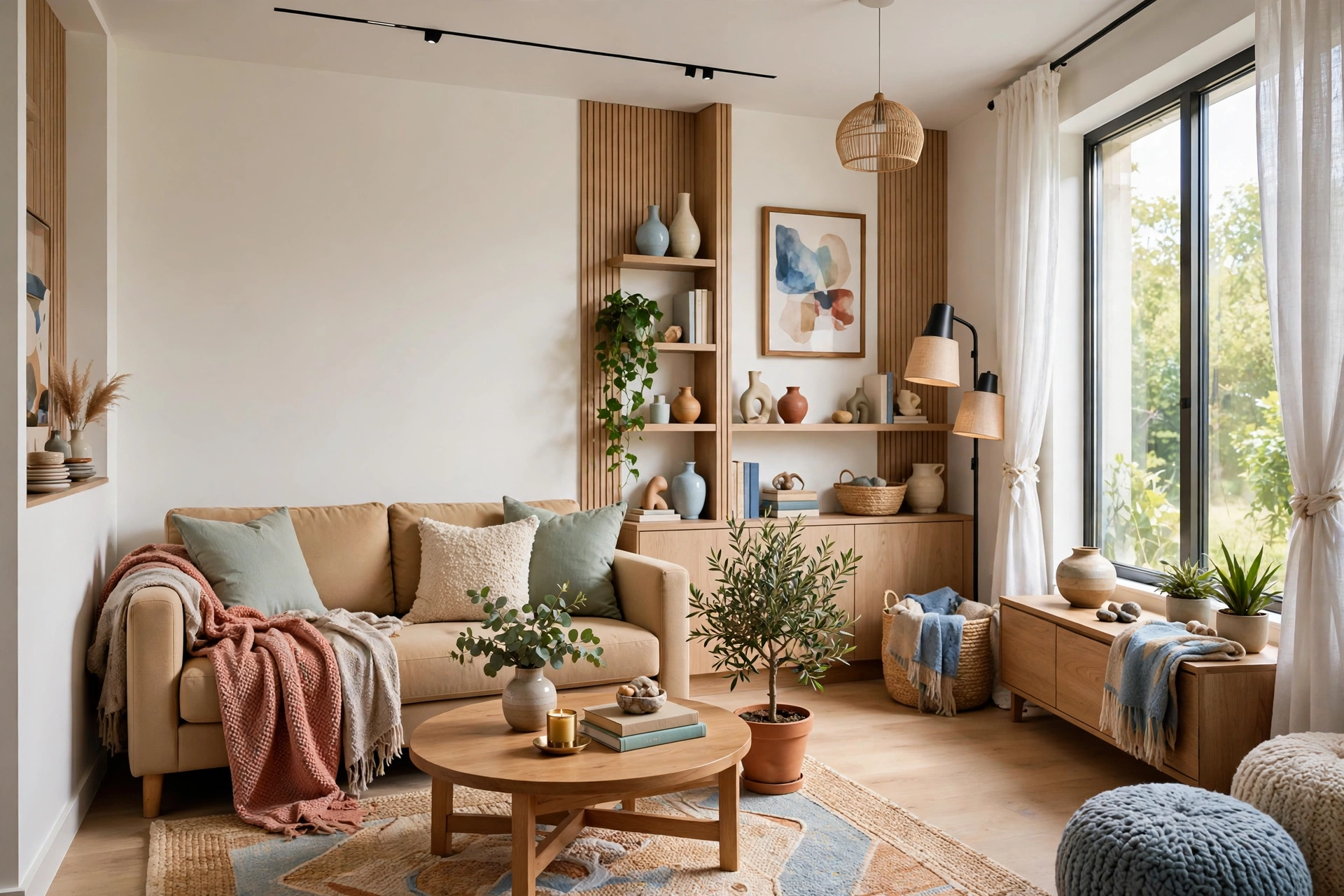
If your small living room doubles as the guest room — and in apartments, it almost always does — a compact sleeper sofa solves two problems with one footprint. Modern apartment-scale sleepers fold out to a full or queen sleeping surface while keeping the upright dimensions of a loveseat or small sofa, so the daytime room pays no penalty for the nighttime function. No air mattress in the closet, no sofa sacrificed to a guest bed.
Two things decide whether a budget sleeper is worth it. First, the mechanism: look for a smooth pull-out action you can operate alone, because a sleeper that needs two people and ten minutes will never get used. Second, the mattress: even at this price point, a decent foam mattress beats a thin coil one for occasional guests, and a mattress topper stored inside the sofa closes the comfort gap further. Prioritize the sitting comfort first — the sofa is a sofa 350 days a year and a bed for the other fifteen.
💡 Pro Tip: Test the sleeper mechanism in person or watch a real video of it before buying, never just the product render. The mechanism is the part that breaks, squeaks, or pinches — and a five-minute video tells you more about long-term satisfaction than any spec sheet.
7. The Chaise-Style Sectional (Compact L-Shape)
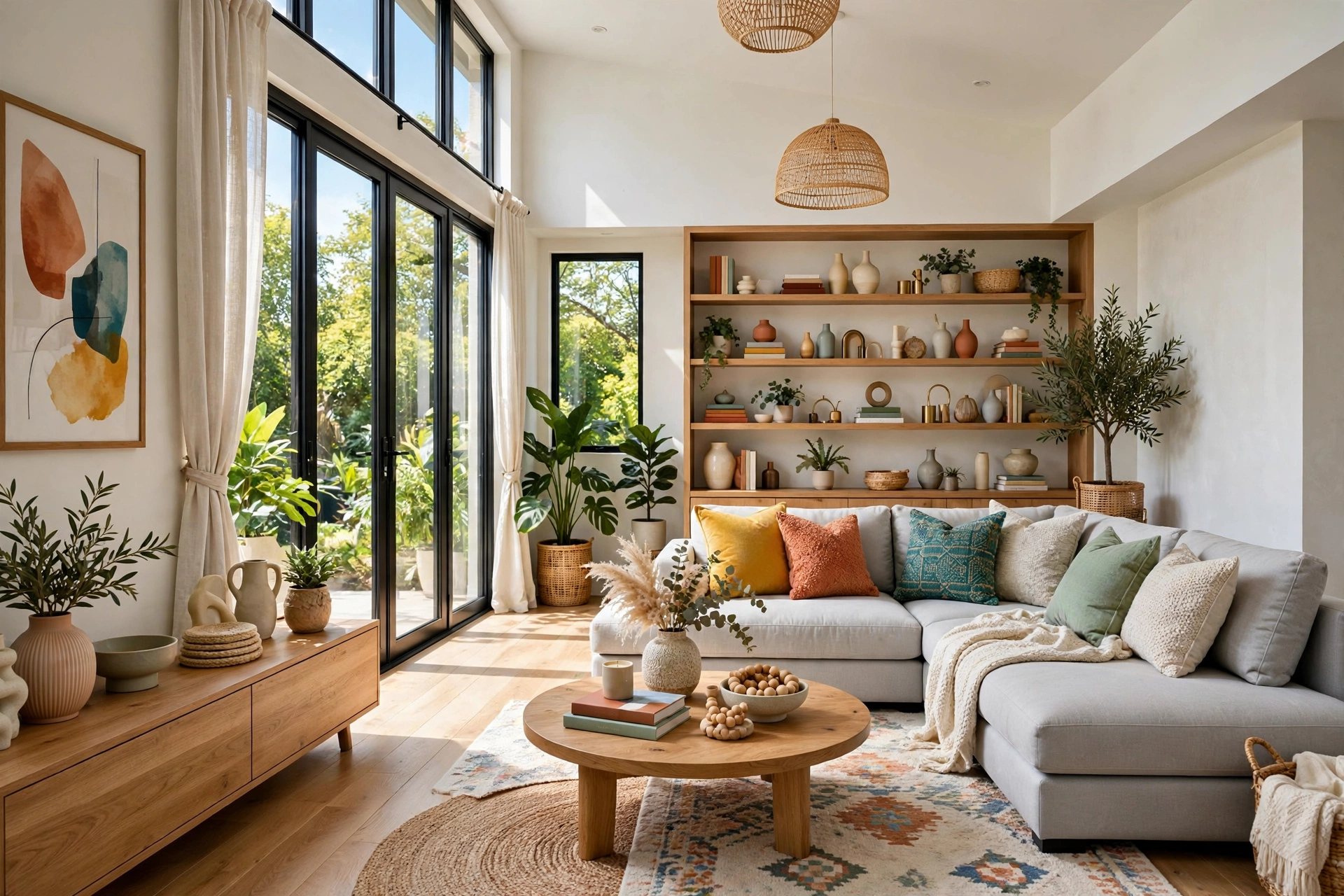
A sectional in a small living room sounds like a contradiction until you see the compact chaise version: one loveseat-length sofa with a single chaise extension, usually 60 to 75 inches along the long side. It delivers the lounge-everywhere comfort of an L-shape — the coveted stretch-out spot — in a footprint smaller than most full-size sofas. Placed in a corner, it defines the seating zone the way a rug does, anchoring the whole arrangement.
The corner placement is the key move. Pushed into the corner, the chaise sectional leaves the rest of the room completely open, while the same piece floated in the middle would chop the floor in half. Check whether the chaise is reversible — many budget sectionals let you flip the chaise to either side — because room layouts change and a reversible piece survives a future move. Keep the coffee table small or skip it for a C-table that slides over the chaise; the lounging spot replaces the need for a second chair.
8. The Armless Modular Sofa
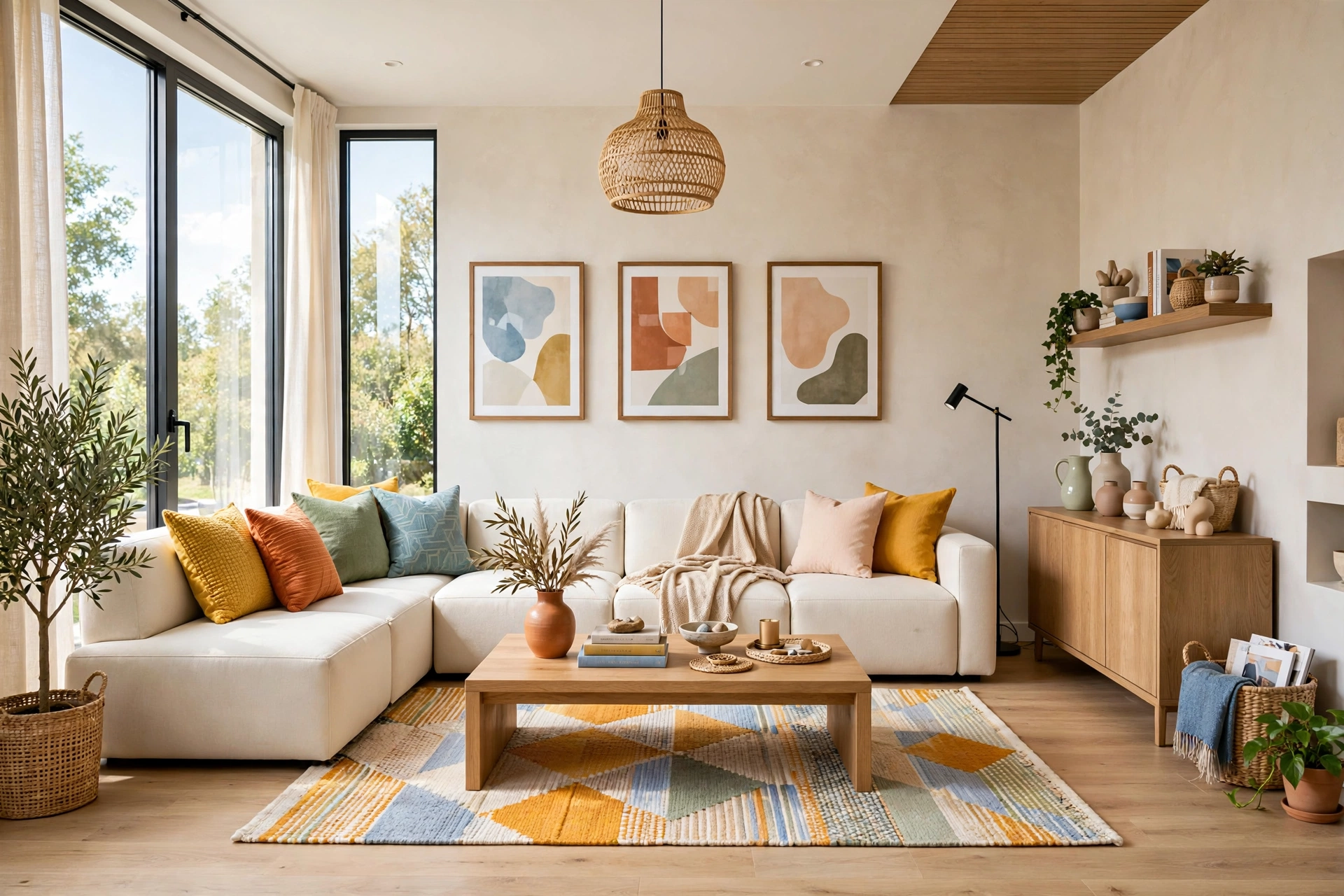
Modular sofas — armless seats and corners that connect and rearrange — are the most flexible way to furnish a small living room, because the configuration is never final. Start with two or three armless seats in a straight line for the classic look; split them into facing pairs when friends visit; push them together into a daybed for movie night. No other style adapts to a small room’s many jobs this gracefully.
The armless design is what makes it work spatially: without arms, each module is almost entirely seat, so a three-module row can match a traditional sofa’s seating in less width. Under $800, look for modules with sturdy interlocking connectors — the pieces should lock together and stay locked, not drift apart mid-evening. Removable, washable covers are close to essential at this price, since modular pieces get handled and rearranged constantly. For renters and movers, the knockdown-flat design is the final gift: it goes through any doorway ever built.
📌 Important: Count the connectors, not just the modules, when you compare modular sofas. A set where every joint locks is a sofa; a set where only some joints lock is a collection of ottomans that will migrate across your room. Ask specifically how the pieces attach before you buy.
9. The Storage Sofa
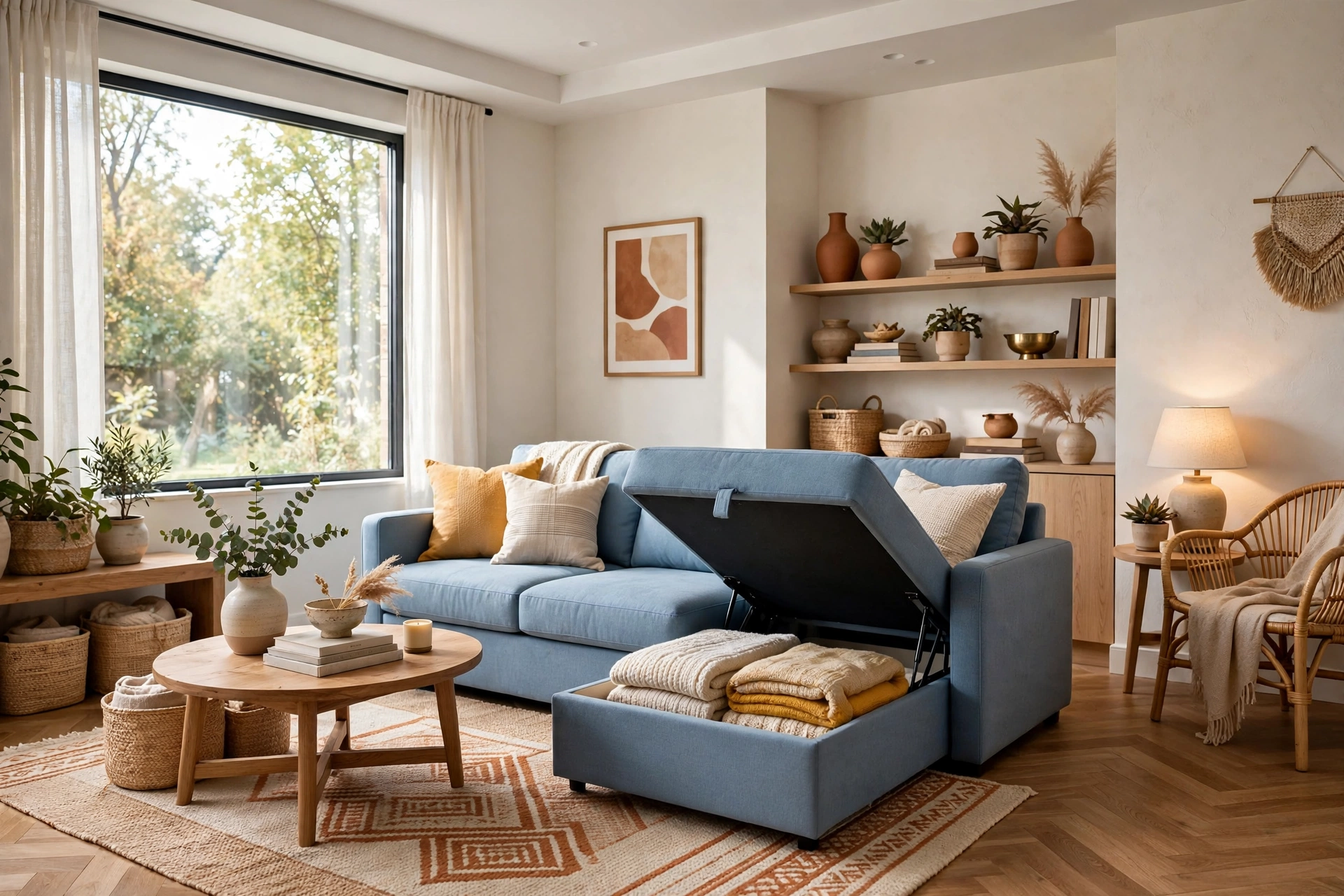
In a small living room, storage is always the scarce resource — and the storage sofa hides it inside the largest piece in the room. The common designs put lift-up compartments under the chaise section, drawers in the base, or a hollow ottoman-style seat that swallows throws, board games, remotes, and the clutter that has nowhere else to live. The second job is invisible: closed, it reads as a perfectly normal sofa.
This pick makes the most sense when your living room lacks a closet or your media area has no console. Before buying, open and close the storage in person or on video — the hinge or drawer action is the daily touchpoint, and flimsy hardware here ruins the whole piece. Check that the storage depth actually fits what you plan to store; a six-inch-deep compartment holds remotes and throws, not spare bedding. The right storage sofa can eliminate an entire storage ottoman or basket from the room, which is how it earns its floor space twice over.
10. The Curved or Barrel-Back Sofa
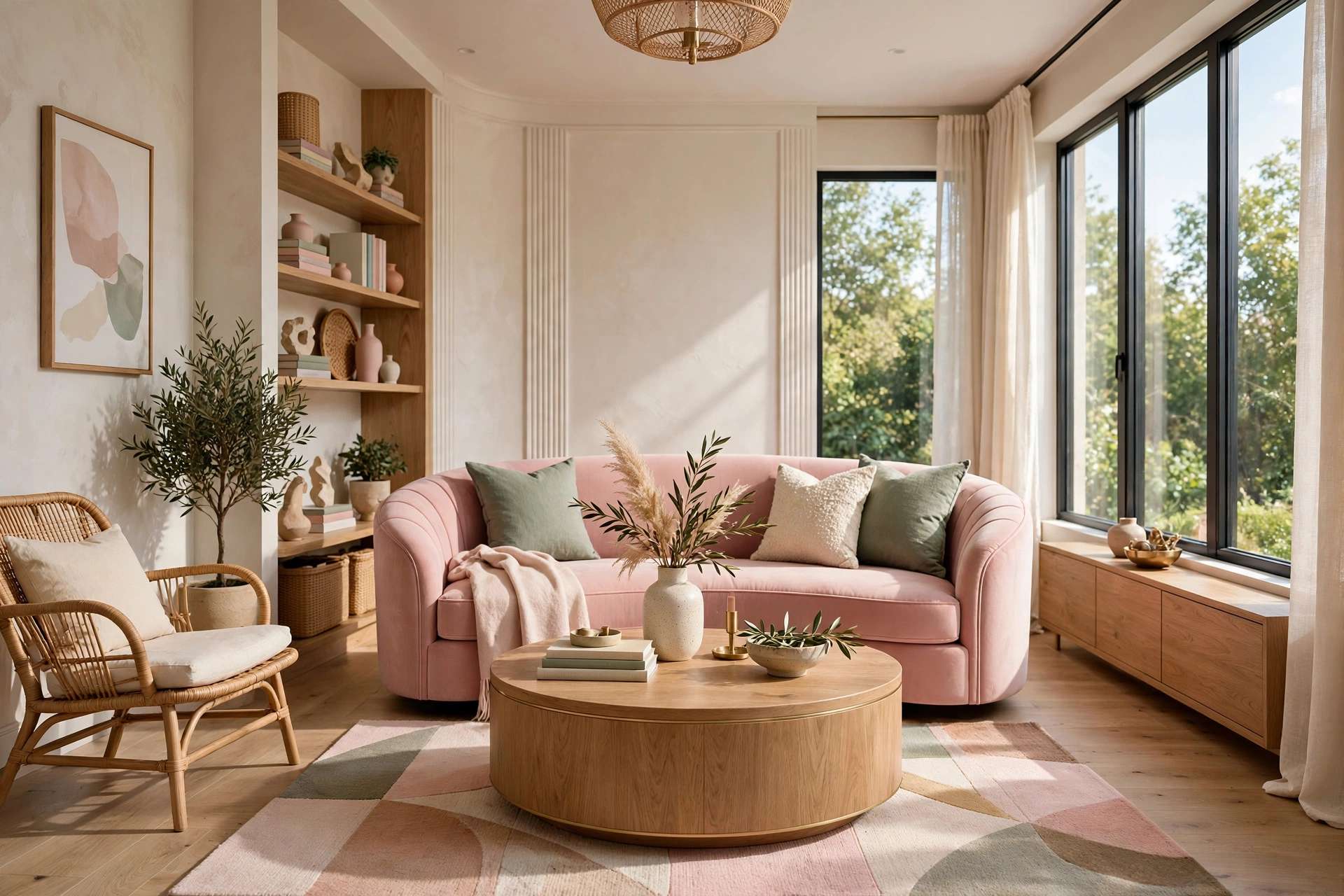
Curved sofas look like a luxury indulgence, but the barrel-back and gentle-curve styles are secretly excellent small-space citizens. The rounded silhouette has no sharp corners jutting into walkways — a real advantage in tight rooms where shins meet furniture daily — and the curve naturally angles sitters toward each other, which makes a two-person sofa feel like a conversation nook rather than a bench. The shape does social work that boxy sofas cannot.
Scale is everything here: the curve must fit the room’s actual geometry. A gentle arc works beautifully against a straight wall with a round coffee table echoing the shape; a deep barrel can fight a narrow rectangular room. Measure the depth at the curve’s widest point, not just the ends, since that is the number that decides whether the walking lane survives. In a small room, one curved piece is the statement — keep everything else in the room straight-lined and quiet, and let the sofa be the room’s single flourish. Our living room color schemes guide helps pick upholstery colors that let a curved silhouette shine without overwhelming a compact space.
Quick Comparison: 10 Small-Living-Room Sofas by Footprint and Flexibility
Small-Sofa Buying Quick-Start Checklist
- ✅ Measure the wall AND the delivery path before shortlisting anything.
- ✅ Cap the width at 80 inches — bigger almost never pays off in a small room.
- ✅ Compare seat width, not just overall width; arms can steal a foot of sitting space.
- ✅ Check seat depth (22+ inches is the comfort sweet spot) and cushion fill.
- ✅ Choose raised legs over skirts to keep floor visible and the room feeling larger.
- ✅ Sit-test or video-test the mechanism on sleepers, storage, and modular pieces.
- ✅ Pick performance or washable fabric — small rooms mean heavy daily use.
Common Small-Sofa Buying Mistakes
Mistake 1: Buying by the Room Photo, Not the Dimensions
Catalog photos are shot in generous rooms with wide-angle lenses, and every sofa looks apartment-friendly at that scale. The spec sheet is the truth: overall width, depth, seat width, and seat height tell you what the photo cannot. Shoppers who skip the numbers end up with a “compact” sofa that is 96 inches wide — standard size wearing a small-space costume. Tape the footprint on your floor before you order, and trust the tape over the photo.
Mistake 2: Ignoring Arm Width
Two sofas with identical overall widths can differ by a full foot of actual seat, and the difference lives entirely in the arms. Bulky rolled arms look plush in the showroom and steal sitting space you will miss every single day. Slim, track, or panel arms give that width back to the seat where it belongs. When comparing options, subtract arm width from overall width in your head — the sofa with the widest remaining seat is usually the better buy.
Mistake 3: Forgetting the Delivery Path
The most heartbreaking small-space story is the perfect sofa that cannot reach the living room. Apartments add hallway turns, narrow stairwells, elevator doors, and tight corners that the showroom never mentions. Measure every choke point, compare against the sofa’s packaged or assembled dimensions, and seriously consider designs that arrive in boxes and assemble in the room. A sofa that fits the space but not the journey is not a sofa you own.
Mistake 4: Choosing Dark, Heavy Fabric for a Dark, Small Room
A charcoal or espresso sofa can look stunning — in a room with the light and square footage to carry it. In a small, dim living room, a dark monolith of a sofa absorbs the remaining light and visually anchors the room to the floor. Lighter upholstery in warm neutrals, soft grays, or muted blues reflects light and keeps the big piece from dominating. If your heart is set on dark, balance it with a light rug and pale walls so the sofa is an accent, not an eclipse.
Mistake 5: Skipping the Sit Test on Comfort Details
Seat depth, cushion firmness, back height, and arm height decide whether you love the sofa in month six — and none of them appear in the marketing copy. A 19-inch seat depth feels perchy for taller sitters; a back under 30 inches leaves no head support; cushions that feel plush in the store can go flat in a season. Sit in the exact model when possible, read reviews that mention six-month comfort, and check the frame and suspension specs the way you would check an engine before buying a car.
Frequently Asked Questions
1. What size sofa is best for a small living room?
For most small living rooms, an apartment-size sofa between 68 and 78 inches wide hits the sweet spot — a true three-seater that leaves wall space for lamps, tables, and breathing room. In very tight rooms under 120 square feet, a loveseat in the 48 to 68 inch range paired with an armchair usually works better than squeezing in a full sofa. The ceiling for small rooms is about 80 inches wide; beyond that, the sofa starts dictating the room instead of serving it.
2. Can you really get a good sofa for under $800?
Yes — the under-$800 range is one of the most competitive segments in the furniture market, especially for apartment-scale and loveseat sizes. At this price you can find solid frames, decent foam cushions, and durable performance fabrics from many retailers. What the budget usually does not buy is top-grain leather, eight-way hand-tied springs, or designer labels — but none of those are what make a sofa comfortable or long-lasting in a small room. Spend the budget on frame, suspension, and fabric; skip the prestige markup.
3. Is a loveseat or a small sofa better for a small living room?
It depends on the room’s width and how you sit. A small sofa (68–78 inches) seats three and anchors the room like a traditional living room; a loveseat (48–68 inches) seats two and frees up to two feet of floor for other furniture. As a rule of thumb: rooms 10 feet and wider take the small sofa, rooms under 10 feet across usually live better with a loveseat plus an armchair. If you host often, the loveseat-plus-chair combo also seats three more comfortably than one sofa alone.
4. What sofa style makes a small room look bigger?
Styles with raised legs, low backs, and slim arms make the biggest visual difference: visible floor underneath, open sightlines above, and minimal bulk at the sides. Light-colored upholstery amplifies the effect by reflecting light instead of absorbing it. Low-profile mid-century styles, slim-arm sofas, and armless modular designs all use these tricks deliberately. The single most impactful choice is legs over a skirt — that few inches of visible floor changes how the whole room reads.
5. Should I get a sleeper sofa for a small living room?
If guests stay over more than a few times a year and you have no dedicated guest room, a compact sleeper earns its place — it replaces both the sofa and the air mattress. If guests are rare, skip it: sleeper mechanisms add weight, cost, and complexity to a sofa you will sit on daily but open yearly. A good middle ground is a compact chaise sectional or a deep loveseat that one guest can sleep on comfortably without a full mechanism.
6. How deep should a small living room sofa be?
Aim for an overall depth of 32 to 38 inches, with a seat depth of at least 22 inches for real comfort. Overall depth is the number that decides whether the walking lane in front of the sofa survives — in a 10-foot-deep room, a 40-inch-deep sofa plus an 18-inch coffee table gap leaves almost nothing for passage. Seat depth is the number that decides comfort: under 21 inches feels perchy for most adults, while 22 to 24 inches suits almost everyone. Measure both, not just the width.
7. What fabric is best for a small living room sofa?
Performance fabrics — tightly woven synthetics or synthetic blends engineered for stain resistance — are the practical winner, because a small-room sofa gets heavy daily use and sits close to food, pets, and traffic. Slipcovers are the runner-up: washable, replaceable, and naturally suited to relaxed small-space style. Avoid delicate fabrics like silk blends or loose-weave linens that show wear fast, and be cautious with very dark colors in dim rooms. Whatever you choose, check the cleaning code before buying so maintenance never becomes a surprise.
8. How do I arrange a small living room around a new sofa?
Start with the sofa against the longest clear wall or floated slightly off it, facing the room’s focal point — then build outward. Keep 30 to 36 inches of walking lane behind or beside it, place the coffee table 14 to 18 inches from the seat edge, and size the rug so the sofa’s front legs sit on it. Our guide to living room furniture arrangement ideas walks through the full method step by step, and pairing the right rug size with the new sofa — covered in our rug sizing guide — is what makes the arrangement look finished rather than placed.
Conclusion
The best sofa for a small living room is not the smallest sofa — it is the one whose every inch earns its place. Slim arms that convert width into seat, raised legs that reveal floor, a depth that respects the walking lane, and a width capped where the room stops benefiting: those four decisions matter more than any style label. Under $800, every one of the ten styles above is genuinely attainable, and the right choice is the one that matches how your room is shaped and how you actually live in it.
Buy the dimensions first and the look second. Tape the footprint on your floor, measure the delivery path, compare seat widths instead of overall widths, and sit-test the comfort details that decide month-six happiness. Do that, and the largest piece in your small living room becomes its hardest-working asset — the thing that makes everything else in the room make sense.