25 Budget Home Decor Ideas That Look Like They Cost 10x More
Introduction
A beautiful home does not need a big budget. Some of the most expensive-looking rooms you will ever see were put together with thrift store finds, a can of paint, and a little patience. The secret is not how much you spend, but where you spend it and how you style what you already have. A $15 thrifted chair with a fresh coat of paint and a well-chosen cushion can look like it came from a designer showroom, while a $500 sofa in a cluttered, poorly lit room can look tired and cheap.
The ideas in this guide all share one thing: they deliver a high-end look for very little money. Some cost nothing at all. Others cost less than a takeaway dinner. None of them require professional skills, a renovation, or a shopping spree at a luxury store. They work in rentals, small apartments, and family homes alike, because they are built on the principles designers use every day — good light, thoughtful layering, a few statement pieces, and ruthless editing.
This guide rounds up 25 budget home decor ideas that look expensive, from thrifted furniture flips to paint tricks, clever styling, and free rearrangements that change everything. Each idea includes what it costs, why it works, and how to get the look right the first time. Pick the three or four that fit your home best, start there, and watch the room transform.
1. Thrifted Furniture Makeovers
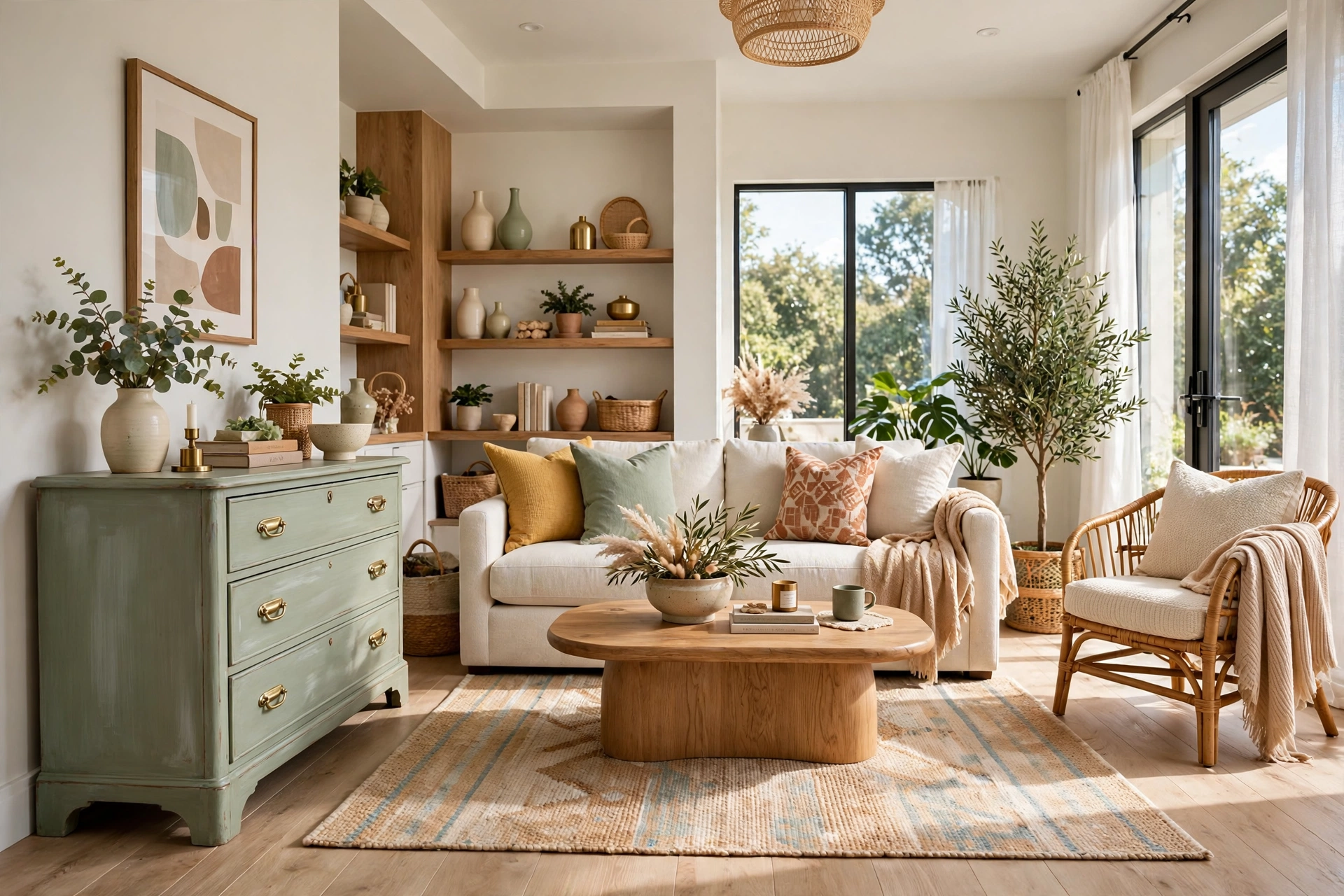
A thrifted solid-wood dresser, side table, or chair is one of the best bargains in home decor. Older furniture was often built from real wood with dovetail joints and sturdy frames, which is exactly the quality that new budget furniture lacks. A quick sand, a coat of paint or stain, and new hardware can turn a $20 find into a piece that looks like it cost ten times as much.
Start with pieces that have good bones: solid wood, no wobble, and drawers that slide smoothly. Skip anything with a musty smell that will not air out or veneer that is peeling badly. Chalk paint is forgiving for beginners because it needs almost no prep, while a simple stain refresh works beautifully on pieces with nice grain. For step-by-step inspiration, browse our DIY furniture makeover ideas for before-and-after thrift store flips.
The finishing touches are what sell the transformation. Swap dated brass pulls for modern matte black or brushed gold hardware, add a pretty tray or a small plant on top, and style the piece against a clean wall. Nobody will guess the price, and the piece will be one of a kind, which is something money alone cannot buy.
2. Paint: The Cheapest Room Transformer
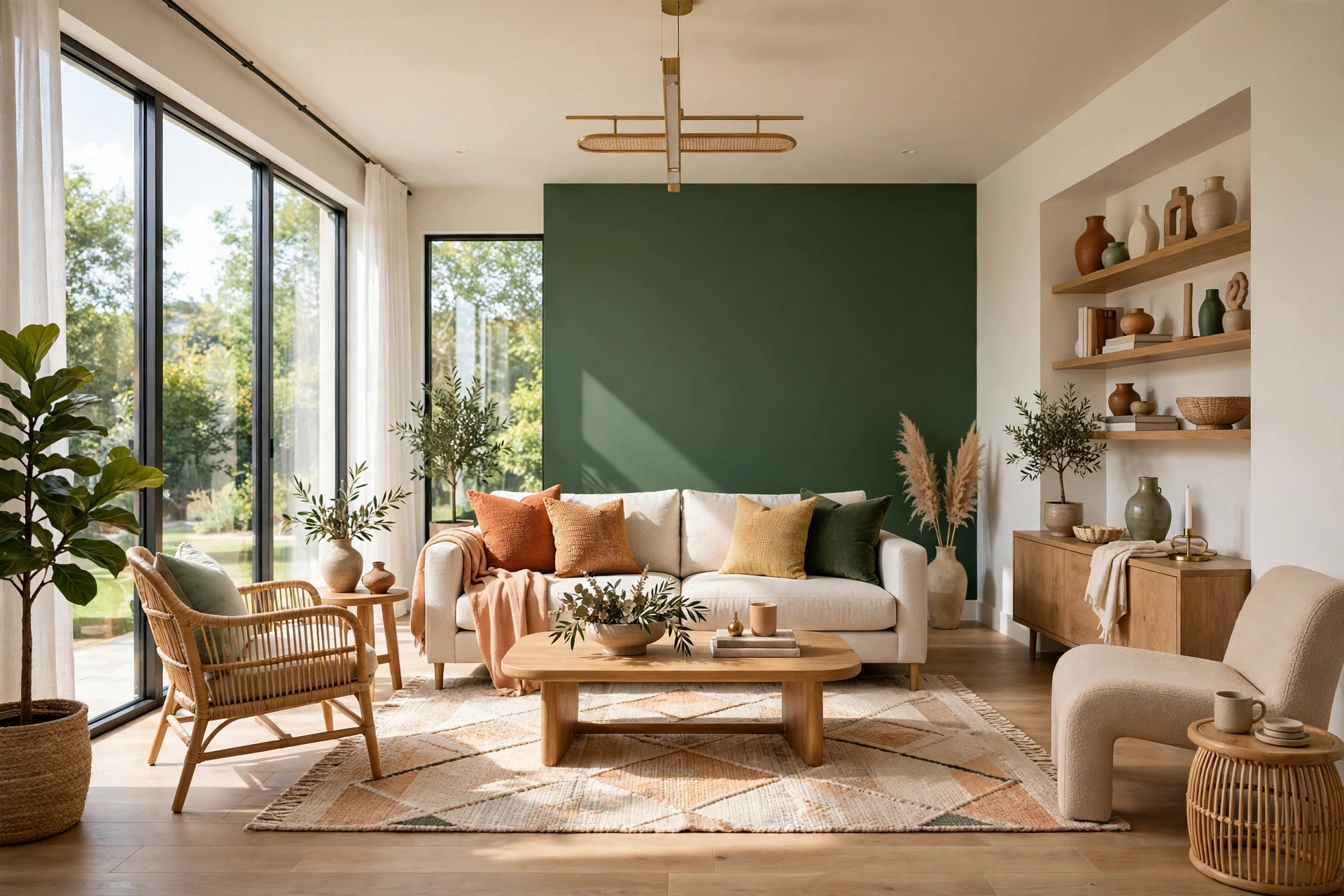
Nothing changes a room faster or cheaper than paint. A single gallon can transform tired walls, dated cabinets, a scuffed front door, or a whole piece of furniture, and it usually costs less than a new cushion. Color sets the mood of a room, so choosing the right shade is the closest thing to a magic trick in budget decorating.
Warm whites make small rooms feel bigger and brighter, while deep, moody colors like forest green or charcoal can make a bedroom or dining room feel rich and cocooning. If painting all four walls feels like too much, paint just one accent wall, or try the color-drenching trick of painting the walls and trim the same color for a seamless, expensive look. Even painting the inside of a bookshelf or the back panel of a cabinet adds depth and intention.
Prep matters more than the paint itself. Clean the surface, fill the holes, and use painter’s tape for crisp lines, because sloppy edges are what make a paint job look cheap. Two thin coats always beat one thick, gloopy coat. When the paint is dry, stand back and notice how the whole room suddenly feels finished.
3. Peel-and-Stick Wallpaper Accent Walls
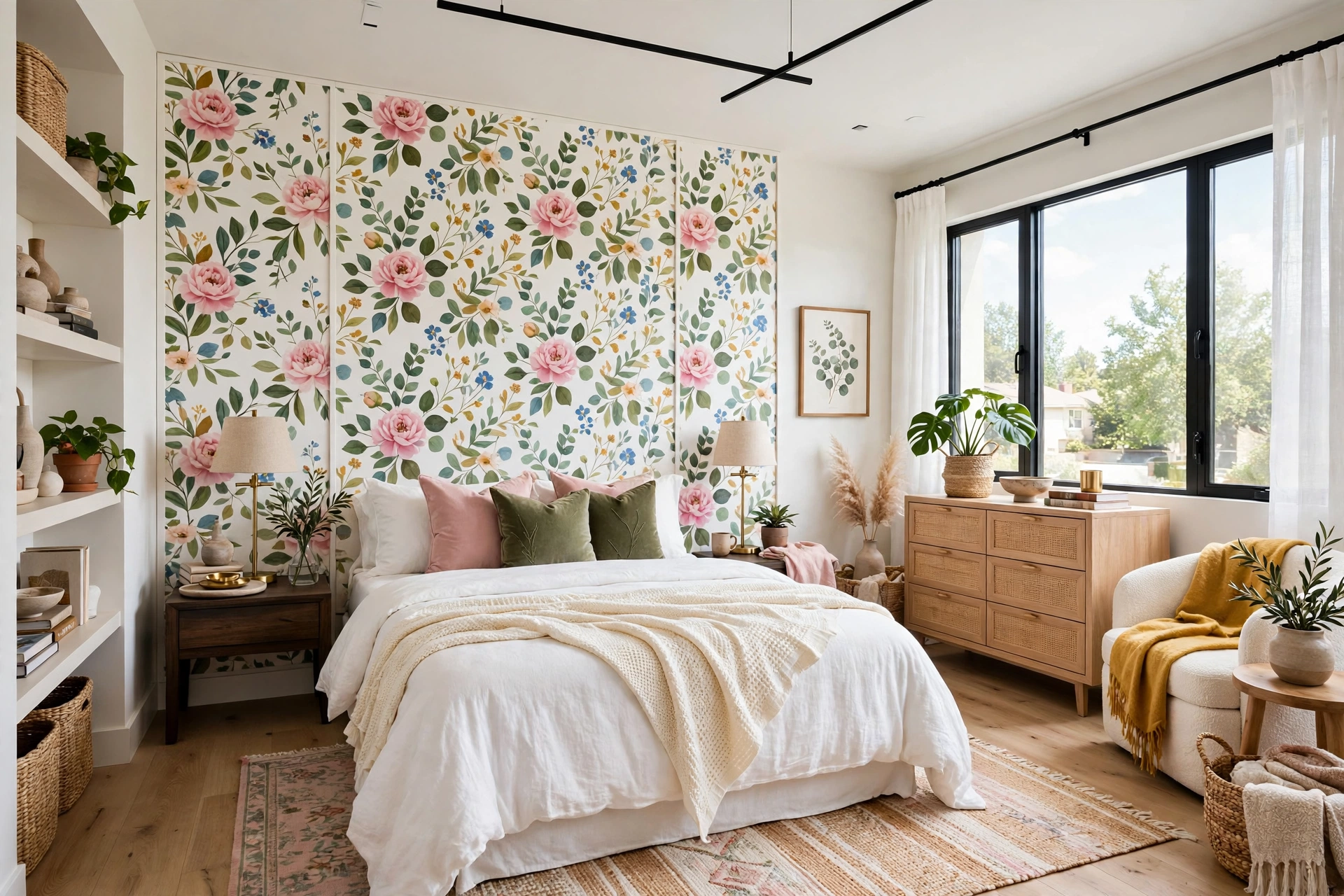
Peel-and-stick wallpaper is the renter’s best friend and one of the fastest ways to make a room look designed. A single accent wall behind a bed, sofa, or dining table adds pattern, texture, and personality for the price of one or two rolls, and it peels off cleanly when you move out or change your mind.
Choose a pattern with some scale to it: oversized florals, bold geometrics, or subtle grasscloth textures read as expensive, while tiny busy prints can look fussy. Measure carefully and order one extra roll, because pattern matching eats more paper than you expect. Start at the least visible corner and work outward, smoothing air bubbles with a plastic card as you go.
The trick to a professional finish is in the edges. Trim precisely at the ceiling and baseboards with a sharp craft knife, and line up the pattern at eye level where people actually look. Pair the wallpapered wall with simple, solid-colored furniture so the pattern stays the star, and add one or two accessories that pick up a color from the paper to tie the room together.
25 Budget Home Decor Ideas Quick-Start Checklist
- ✅ Pick three ideas from this list that fit your home and your budget.
- ✅ Measure your space and check what you already own before buying anything.
- ✅ Set a spending cap per room so small purchases do not quietly add up.
- ✅ Start with the free ideas first: declutter, rearrange, and restyle what you have.
- ✅ Test paint and wallpaper samples in daylight before committing.
- ✅ Buy secondhand first: check thrift stores and marketplace listings weekly.
- ✅ Style in layers and step back often to check the room as a whole.
4. DIY Wall Art That Looks Gallery-Worthy
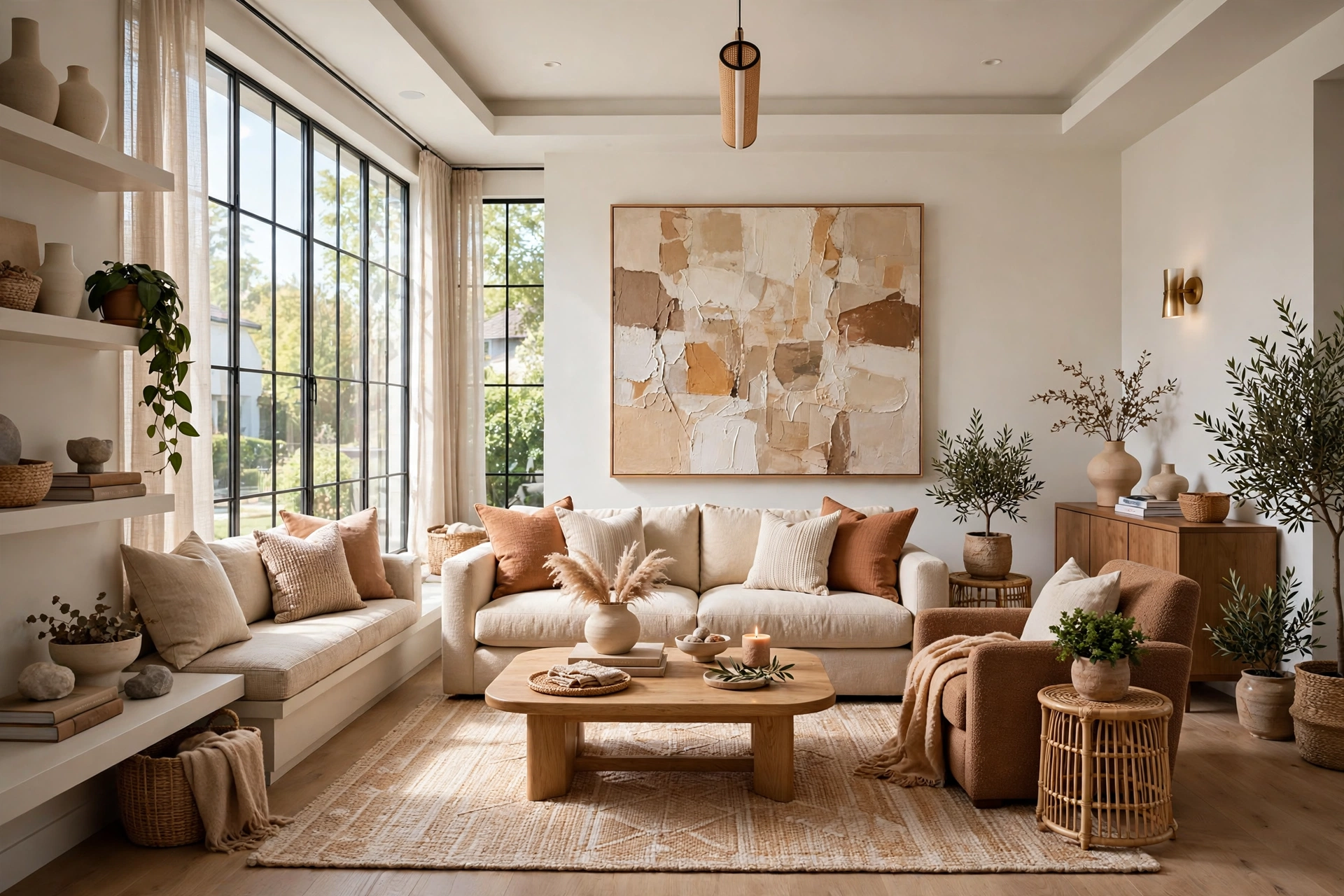
Blank walls make a home feel unfinished, but gallery-quality art does not have to cost gallery prices. A large canvas with a simple abstract design, a framed fabric swatch, or a set of your own photographs printed large can fill a wall beautifully for very little money. The frame is often what makes it look expensive, so spend your money there and keep the art itself simple.
Try painting your own abstract canvas with leftover house paint in two or three colors from your room’s palette. Big, confident brushstrokes in neutral tones look intentional and modern, while a simple arch or sun shape in a warm color feels calm and current. Frame thrifted scarves, vintage maps, or even beautiful wrapping paper in matching frames for an instant collection that looks curated.
Scale is the secret to wall art that looks expensive. One large piece beats a cluster of tiny frames every time, so go bigger than feels comfortable. Hang art at eye level, about 145 cm from the floor to the center of the piece, and leave enough breathing room around it so it reads as a deliberate choice rather than an afterthought.
5. Swap Out Hardware
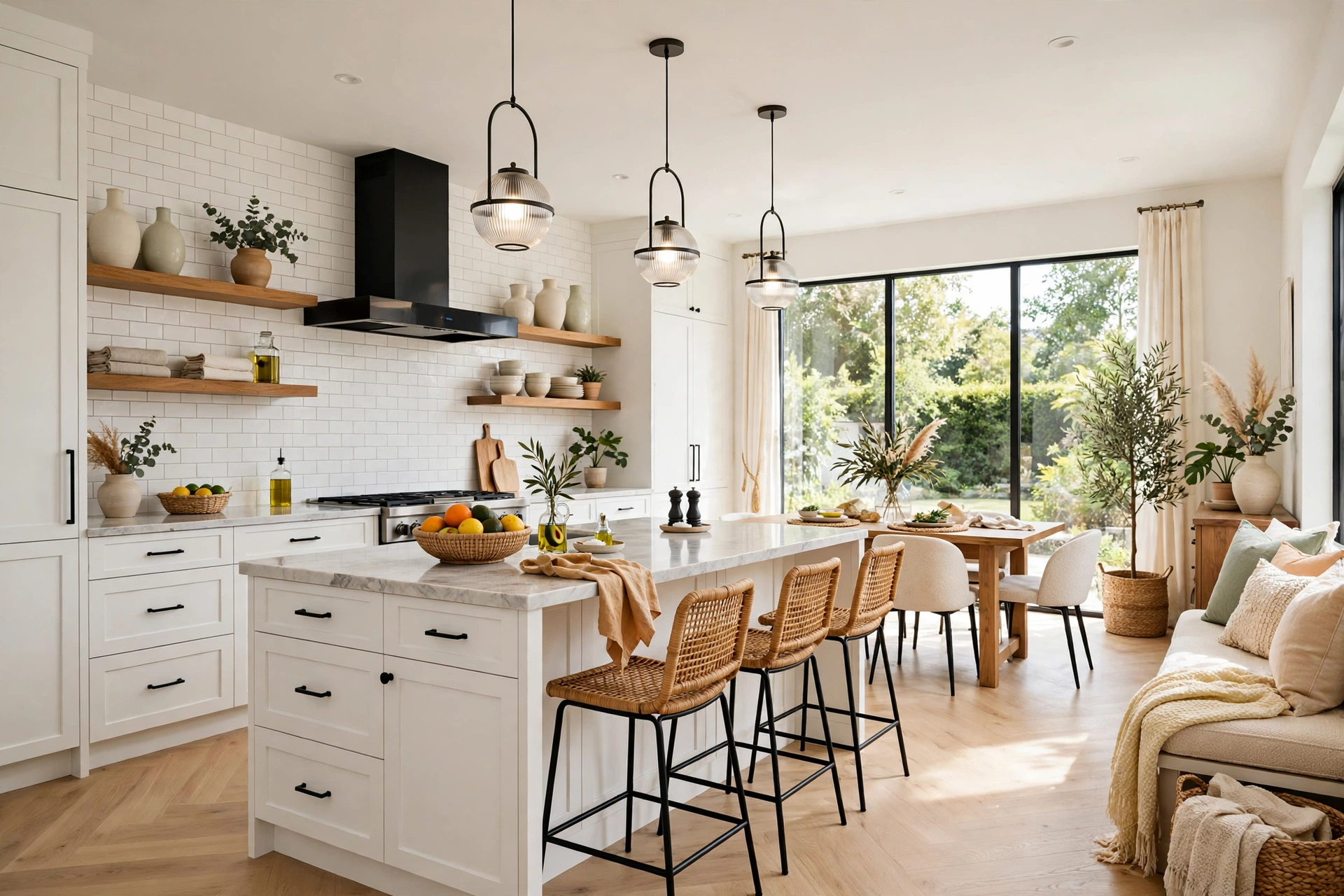
Cabinet knobs, drawer pulls, door handles, and light-switch plates are the jewelry of a room, and swapping them is one of the cheapest upgrades with the biggest visual payoff. Dated brass knobs or plastic pulls can make even nice cabinets look tired, while a set of matte black, brushed brass, or leather pulls instantly modernizes a kitchen, bathroom, or dresser.
Measure the hole spacing before you order, because most pulls come in standard sizes and a mismatch means drilling new holes. Buy one sample first to check the finish against your cabinets in daylight. For a truly luxe look, choose one finish and use it consistently through a room, mixing only the shape: knobs on doors, pulls on drawers.
This trick works beyond kitchens. Swap the handles on a thrifted dresser, change the knobs on a bathroom vanity, or replace a dated curtain rod finial with a simple modern end cap. Each change is small and cheap, but together they make the whole home feel considered and up to date. If you are tackling a whole kitchen, our budget kitchen makeover ideas show which swaps deliver the biggest impact for under $200.
📌 Important: Always save the original hardware in a labelled bag when you rent. Landlords appreciate it, and it makes moving out much simpler.
Quick Comparison: Budget Home Decor Ideas by Cost and Effort
6. Layered Lighting on a Budget
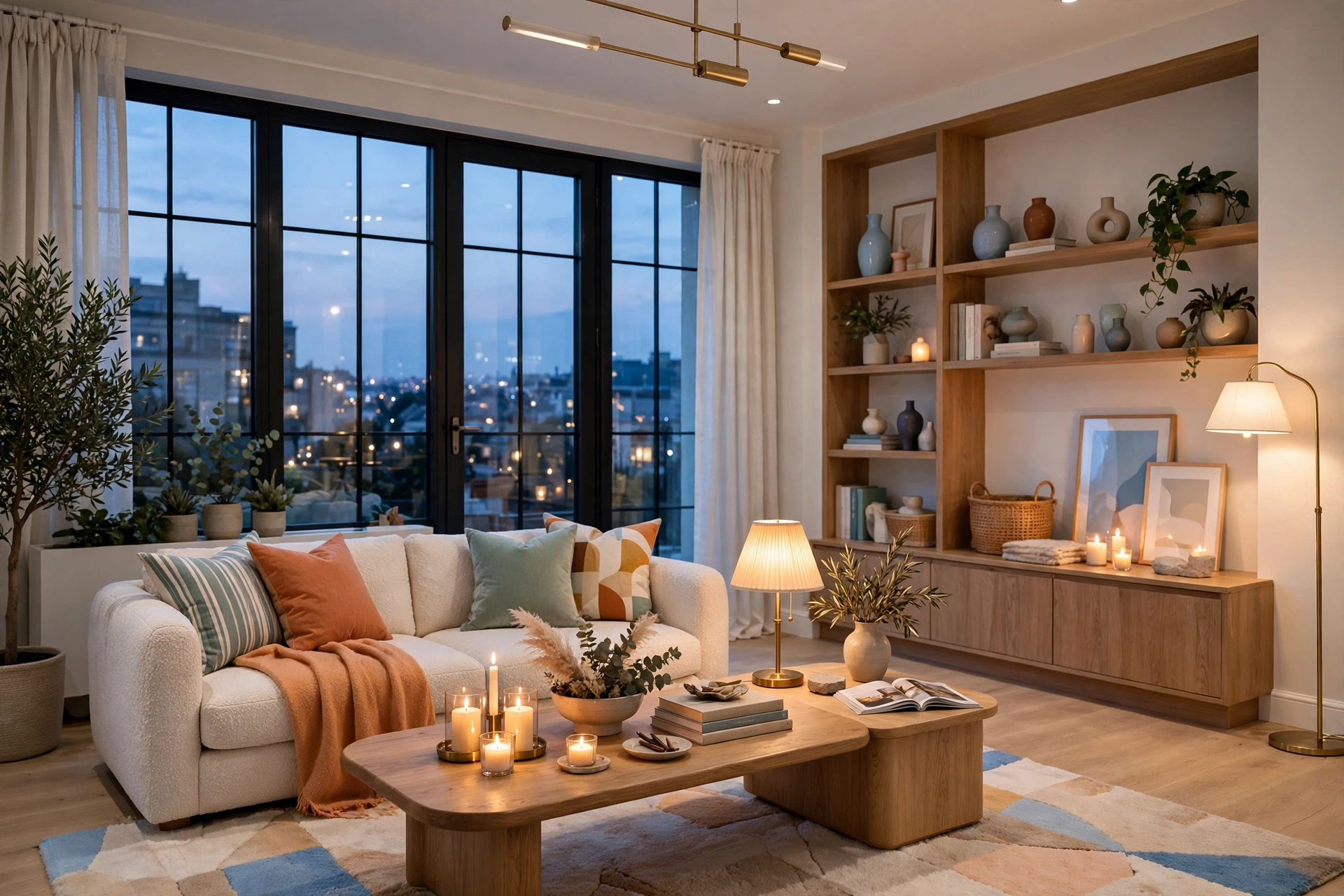
Lighting is what separates a flat, ordinary room from a warm, expensive-looking one, and it does not require new fixtures. Most rooms have one harsh overhead light and nothing else, which flattens everything. Adding two or three light sources at different heights — a floor lamp, a table lamp, a string of warm fairy lights — instantly adds depth and glow.
Thrift stores and discount shops are full of lamps with good shapes and ugly shades. A new drum shade in a warm white linen can rescue almost any lamp base for a few dollars. Use warm bulbs, around 2700K, everywhere in living spaces, because cool white light makes a room feel like an office. Dimmer plugs on floor lamps let you dial the mood down in the evening.
Place lamps where they create pools of light rather than flooding the room: beside the sofa, on a console, in a dark corner. A candle or two on the coffee table finishes the effect for pennies. Layered, warm light makes colors richer, textures softer, and even the cheapest furniture look better.
7. Throw Pillows and Textile Refresh
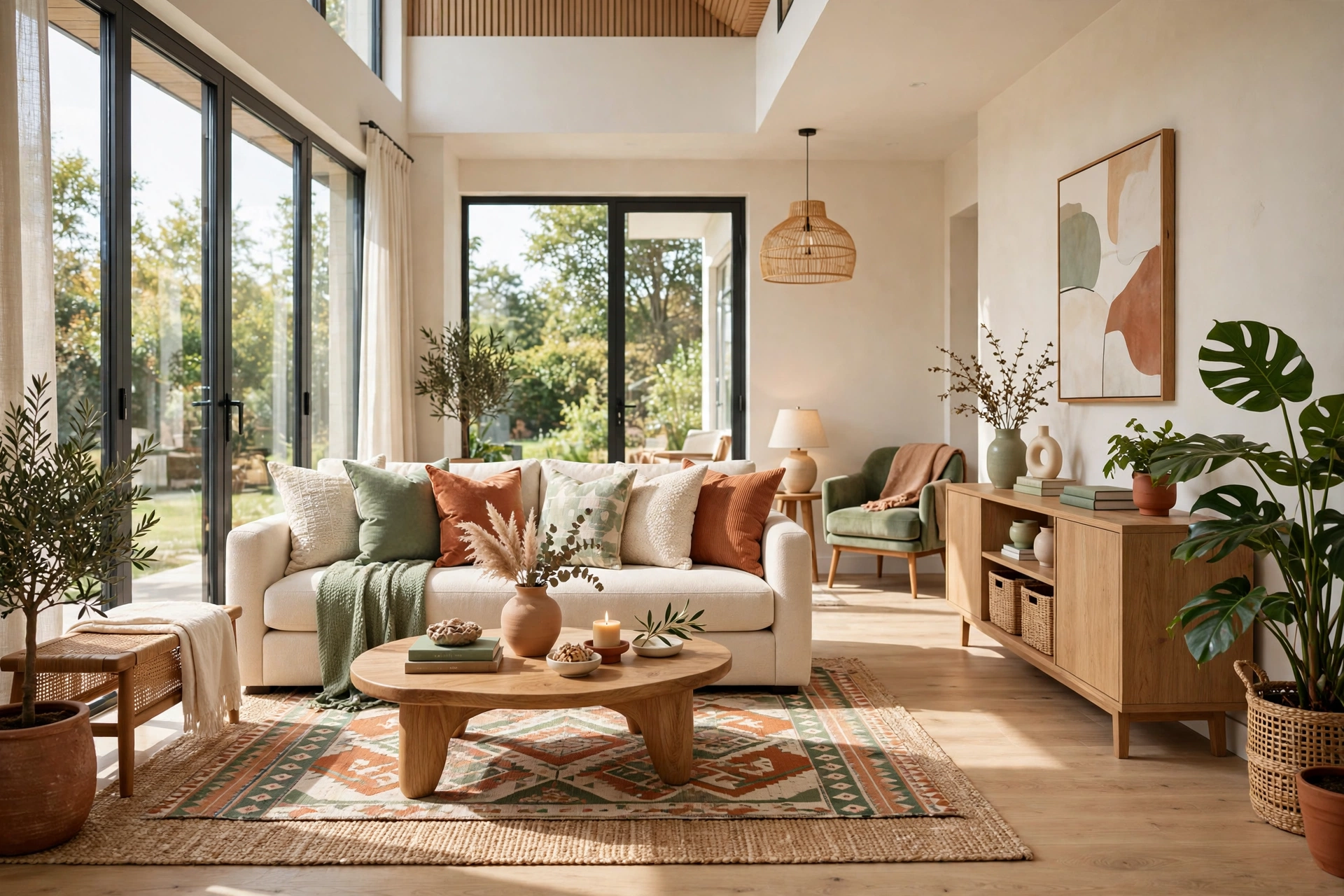
Textiles are the fastest way to change the feel of a room without buying furniture. A new set of cushion covers, a soft throw, or a different bedspread can make a sofa or bed look completely new, and covers cost a fraction of new cushions. Mix textures rather than matching sets: linen, velvet, chunky knit, and a little faux fur together look layered and intentional.
Stick to a palette of three colors in the room and let the textiles carry two of them. A good formula is one solid, one pattern, and one texture on a sofa, in coordinating shades. Avoid the matching cushion sets sold in stores, because a room where everything matches exactly looks like a showroom, not a home.
Wash and fluff what you already own first. A clean, plumped cushion in a new cover looks brand new, and rotating textiles seasonally keeps the room feeling fresh. Store off-season covers in a vacuum bag so they stay clean and ready for the next swap.
8. Curtains Hung High and Wide
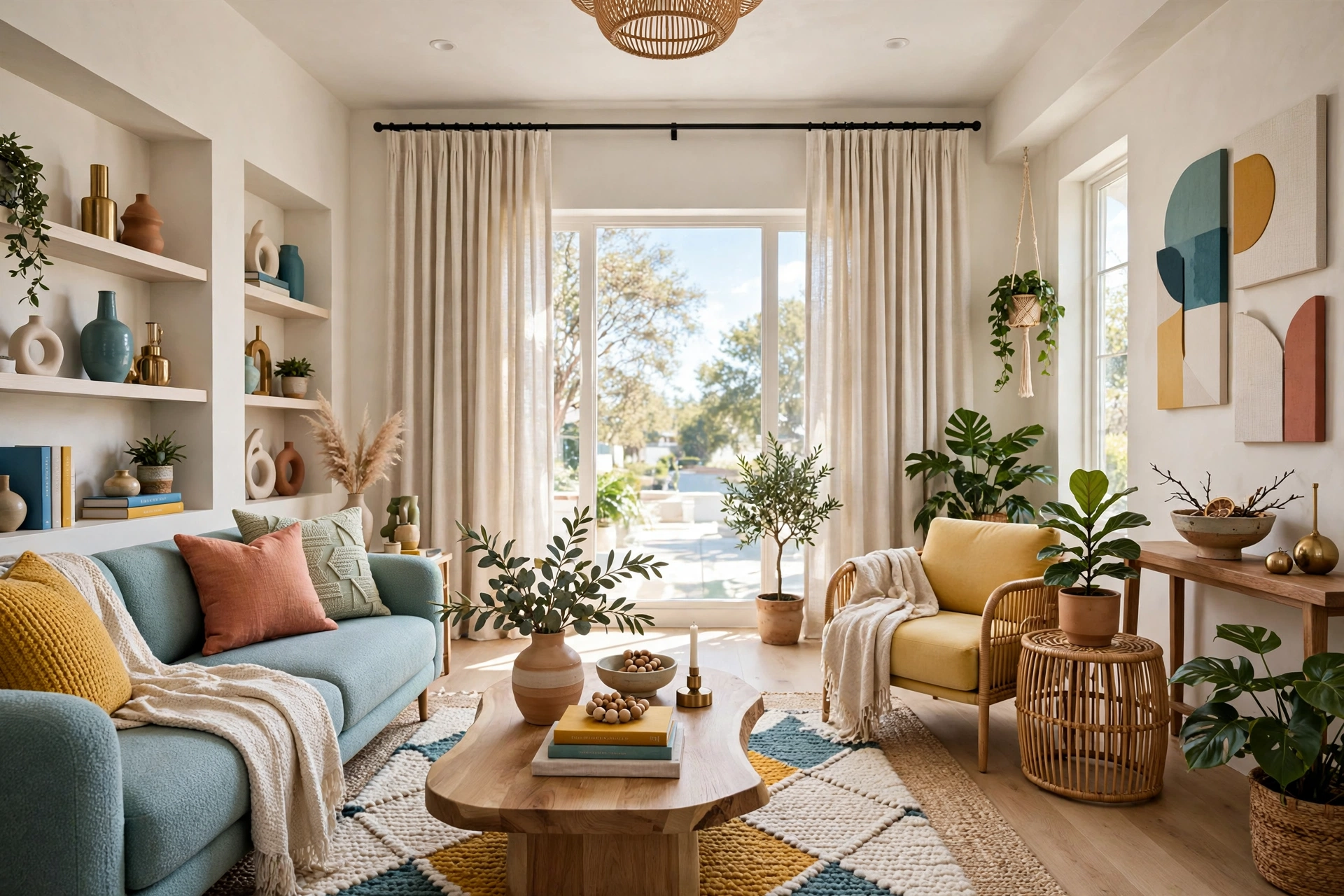
Curtains hung the wrong way make a room look smaller and cheaper, while curtains hung well make it look taller, wider, and far more expensive. The rule is simple: mount the rod close to the ceiling, at least 10 cm above the window frame, and extend it 15 to 20 cm beyond each side of the window so the panels hang on the wall, not over the glass.
Choose curtains that are long enough to just kiss the floor or pool very slightly. Short curtains that stop at the sill are the single most common budget mistake, and they instantly date a room. Linen-look or cotton panels in a solid color are affordable and timeless; sheer panels layered underneath add softness and privacy without blocking light.
Iron or steam the panels before hanging, because creases from the packaging are a dead giveaway. When the curtains are up, the window looks bigger, the ceiling looks higher, and the whole room feels more finished, all for the price of a rod and a pair of panels.
9. A Statement Mirror
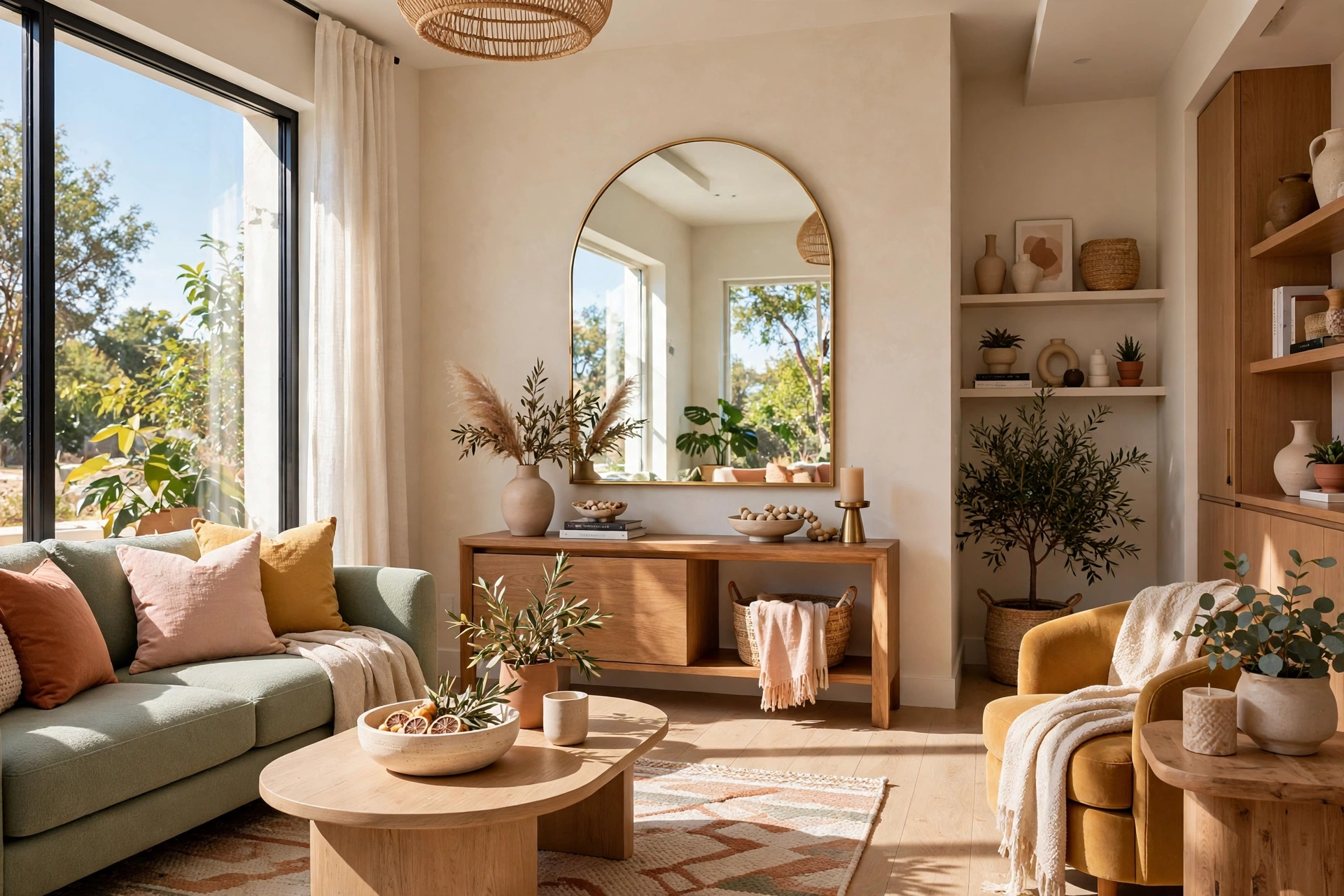
A large mirror is one of the most reliable expensive-looking purchases you can make on a budget, because it does two jobs at once: it bounces light around the room and makes the space feel twice as big. Thrift stores, flea markets, and online marketplaces are full of large mirrors with solid frames for a fraction of retail prices.
Look for a mirror at least half the width of the furniture it hangs above, and hang it opposite a window or a pretty view so it reflects something worth seeing. A mirror hung where it reflects a blank wall or a cluttered corner just doubles the problem, so placement matters more than size. An arched mirror softens a boxy room, while a round mirror above a console or fireplace feels calm and classic.
If the frame is dated, paint it matte black, brushed gold, or the same color as your walls for a seamless, built-in look. A beautiful mirror with a refreshed frame looks like a deliberate design choice, not a bargain find, and it will earn its place in almost any room.
10. Indoor Plants and Greenery
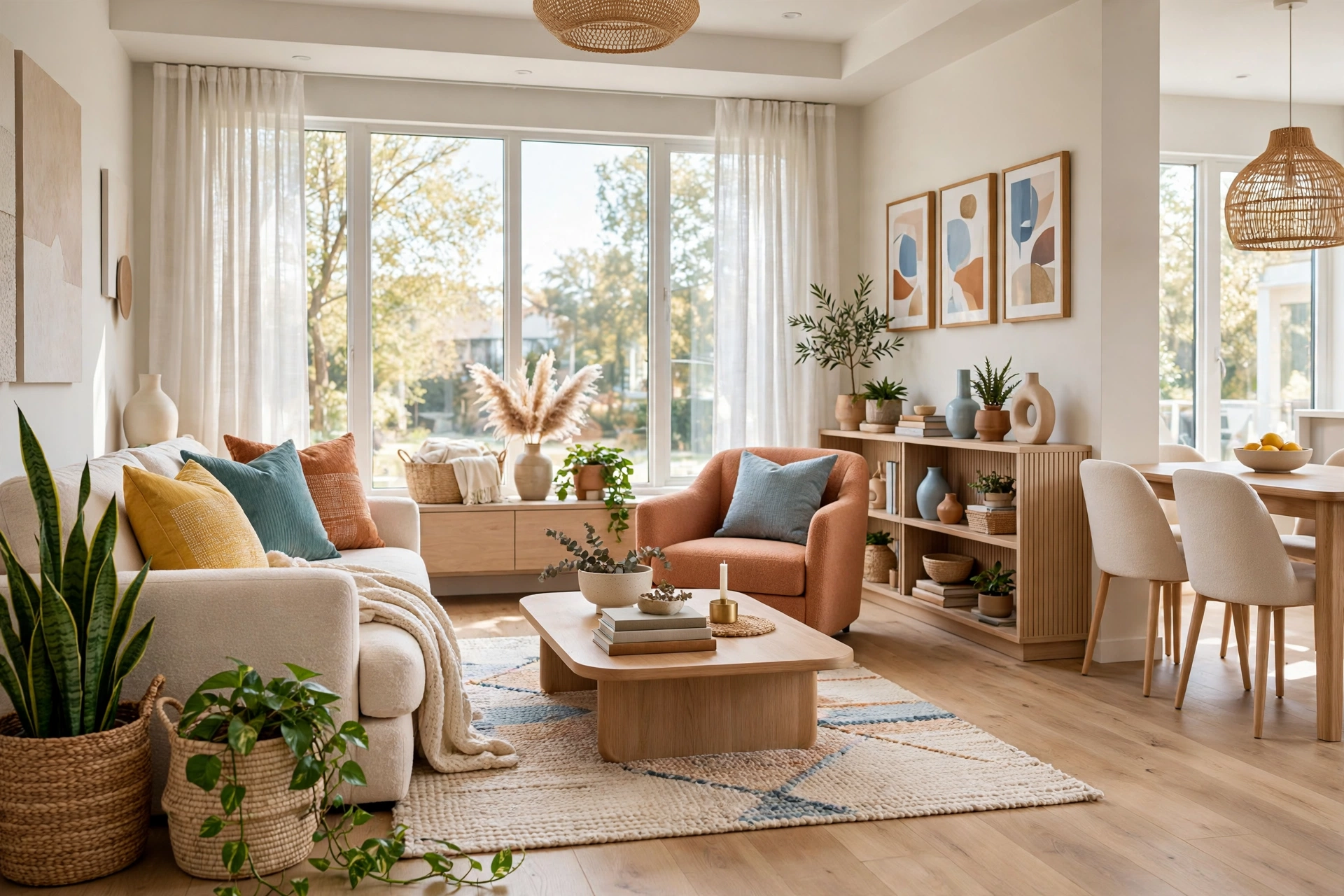
Nothing makes a home feel alive and expensive quite like greenery. A large plant in a beautiful pot fills an empty corner, softens hard furniture lines, and adds a layer of color that no decor item can match. Start with hardy, forgiving plants like snake plants, pothos, or ZZ plants, which survive forgetful watering and low light.
Buy small plants and let them grow, rather than paying a premium for a mature specimen. A $5 pothos in a thrifted ceramic pot looks just as good as a $50 plant once it is trailing from a shelf. Group plants in odd numbers at different heights, and use cache pots in one or two coordinating materials, like terracotta and woven baskets, to keep the collection looking intentional.
Fake plants have improved enormously, and one or two good-quality faux stems in a dark corner or a high shelf can work well, but avoid cheap shiny plastic leaves, which always look fake. Real plants also give you a reason to care for your space, and a thriving plant is the best proof that a home is loved.
💡 Pro Tip: Put a small plant on a stack of books or a stool to vary heights. A plant sitting directly on the floor in an empty corner looks lonely; a plant raised slightly looks styled.
11. Open Shelving Displays
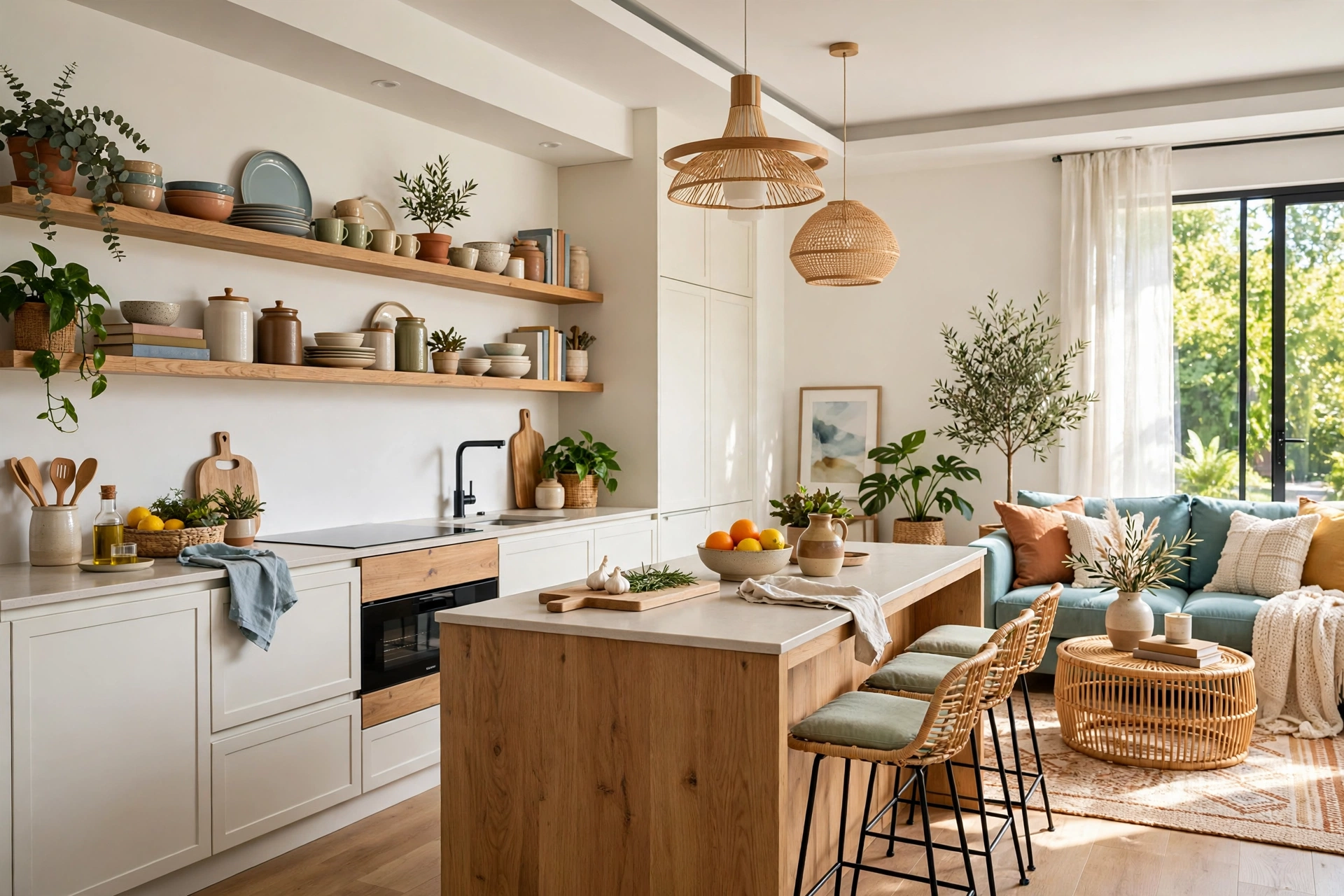
Open shelving turns everyday objects into decor, and it costs little more than a few brackets and a board. A pair of wooden shelves in a kitchen, bathroom, or living room gives you a place to display beautiful dishes, plants, books, and ceramics that would otherwise hide in cupboards. The key is editing: display fewer, prettier things rather than everything you own.
Style shelves with a mix of heights and materials, leaving empty space between groups so each object can breathe. Stack a few books horizontally, lean a small framed print against the wall, and add one plant that trails over the edge. Repeat one color across the shelves to tie the display together, and keep the background wall clean so the objects stand out.
If you are nervous about clutter, start with one shelf in one room and live with it for a week. You will quickly learn what looks good and what feels messy, and you can adjust from there. Done well, open shelving makes a home feel personal, layered, and far more expensive than the cost of the brackets.
12. Faux Built-Ins with Bookcases
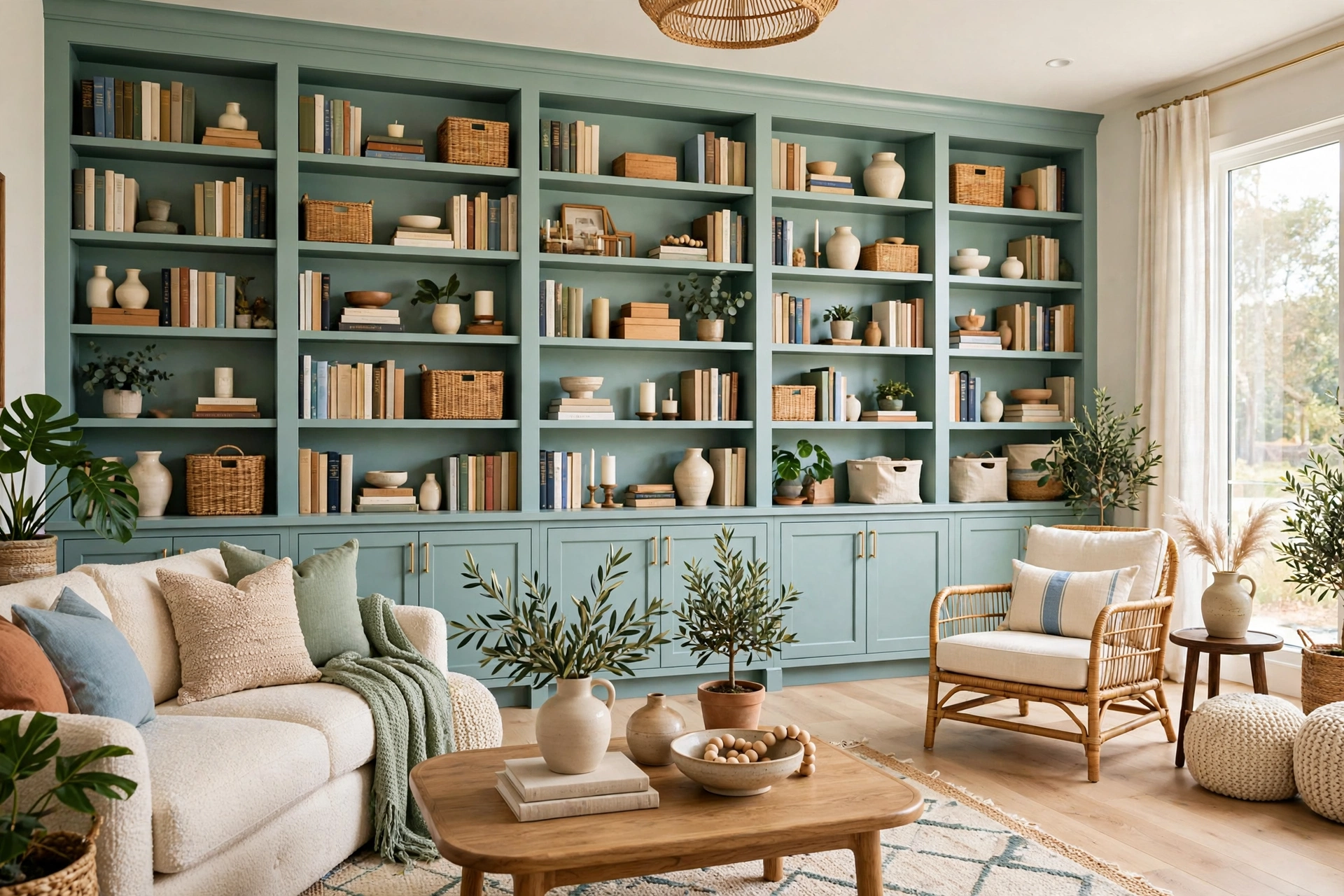
Built-in shelving looks custom and expensive, but you can fake the effect with ordinary bookcases and a few clever tricks. Place two or three matching bookcases side by side along a wall, add trim or molding around the edges, and paint everything the same color as the wall. The result reads as a built-in unit for a fraction of the price.
Start with simple, inexpensive bookcases in the same size, and anchor them to the wall for safety. Add a strip of trim along the top to bridge the gap to the ceiling, and a baseboard strip along the bottom to hide the feet. Caulk the seams, paint it all one color, and the separate pieces disappear into one seamless wall of storage.
Style the shelves loosely, with books, baskets, and a few decorative objects, leaving some open space so it does not look stuffed. This trick works beautifully in living rooms, home offices, and bedrooms, and it adds serious storage at the same time, which is a bonus in any home.
13. Coffee Table Books and Styling
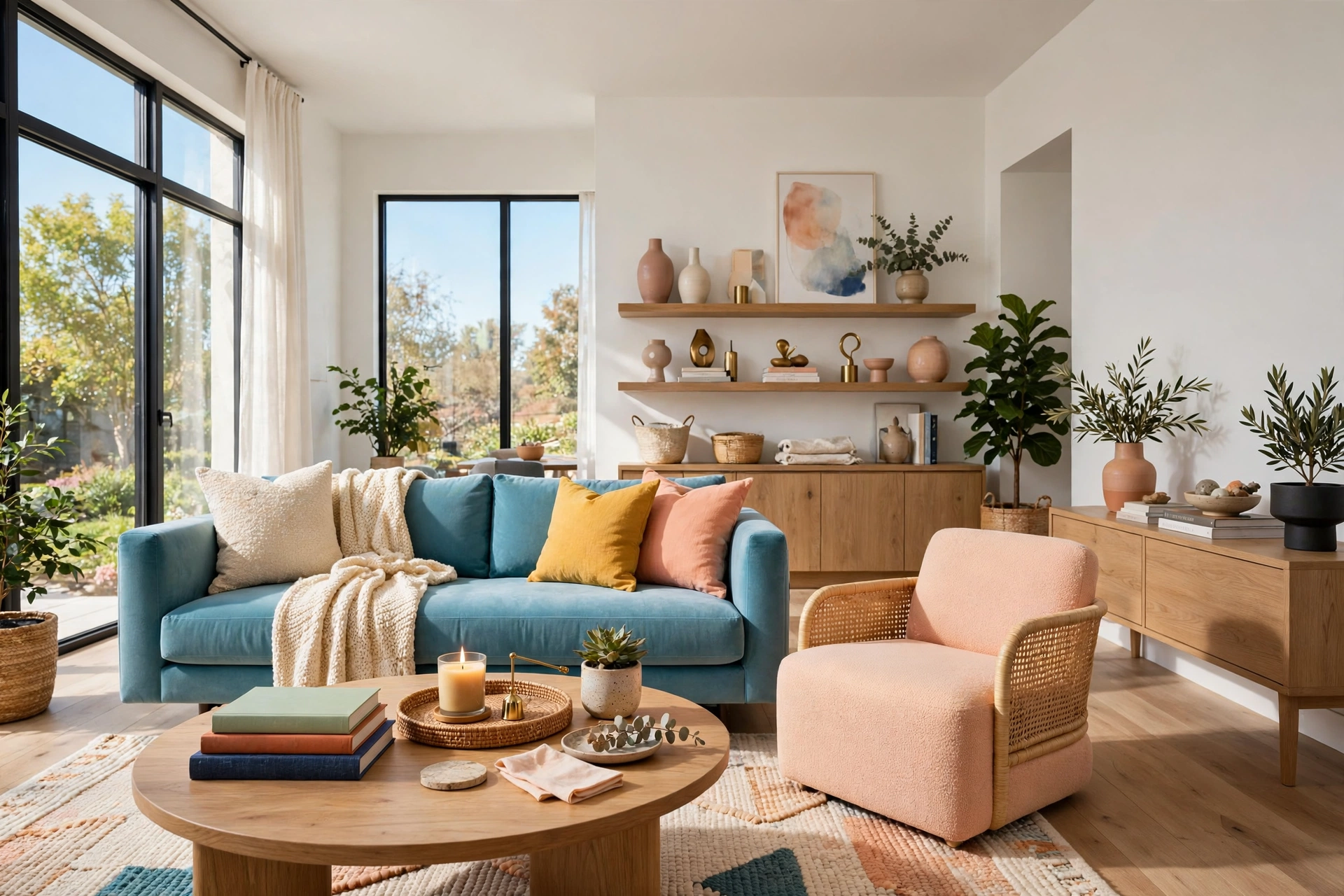
A coffee table styled with intention looks like a page from a design magazine, and it costs almost nothing. The formula is simple: one stack of books, one tray or bowl, and one natural element like a candle, a small plant, or a sculptural object. That is all it takes to turn a flat surface into a focal point.
Thrift stores are full of large, beautiful coffee table books for a few dollars each. Choose ones with covers that match your room’s colors, and stack two or three with the largest at the bottom. A tray corrals smaller objects and makes the arrangement look deliberate rather than random, while a candle adds warmth and a lovely scent.
Change the styling seasonally or whenever you get bored, because a coffee table is the easiest surface in the house to refresh. The rule is the same everywhere: odd numbers, varied heights, and a little empty space. A cluttered table looks cheap, while a lightly styled one looks curated and calm.
14. Rug Layering
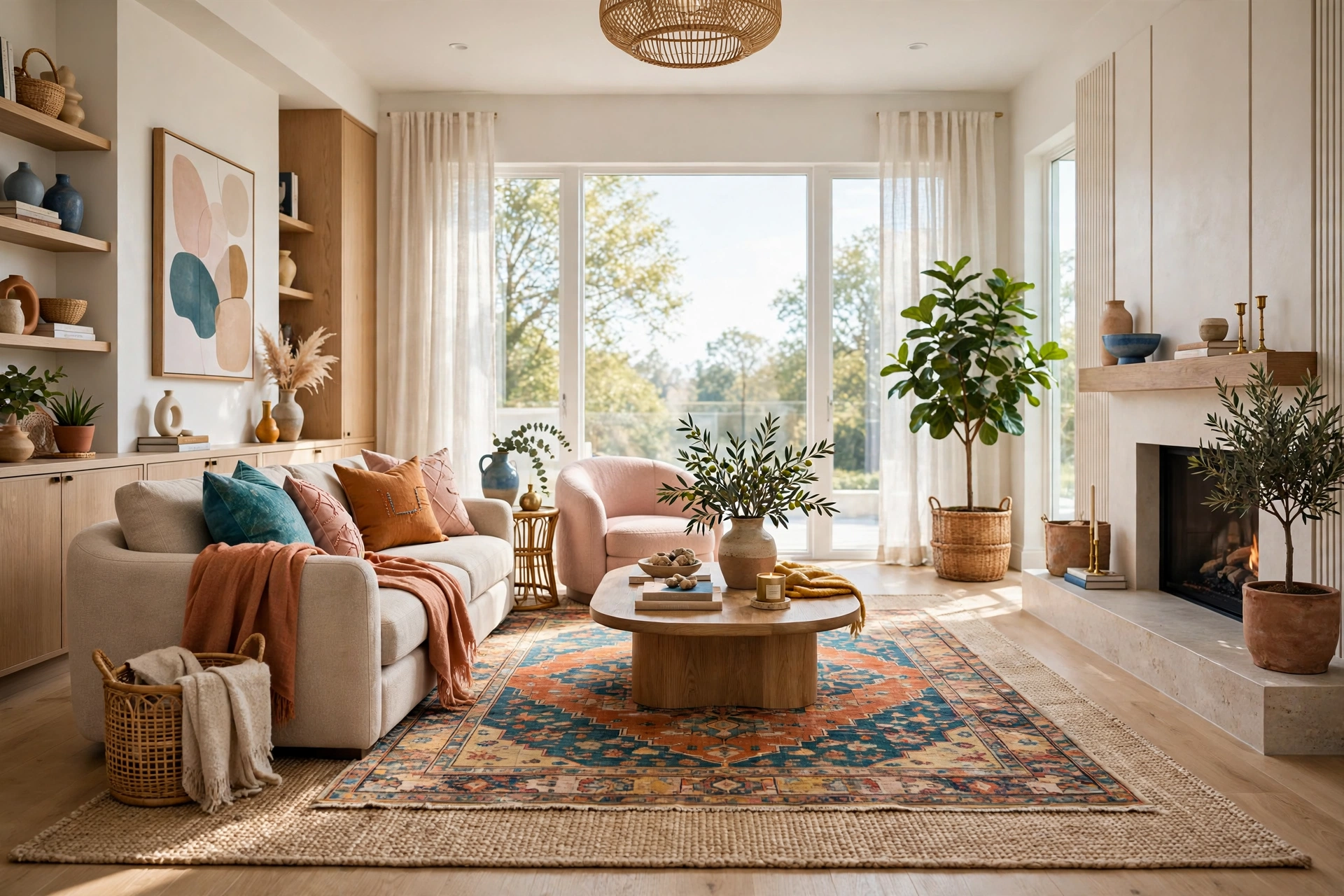
Layering a smaller rug over a larger one is a designer trick that adds color, texture, and pattern for much less than buying one huge statement rug. A large, inexpensive jute or neutral rug underneath anchors the room, while a smaller patterned or vintage-style rug on top adds personality and softness.
This works especially well in living rooms and bedrooms, where a big rug can be shockingly expensive. A thrifted or sale-priced patterned rug layered over a plain base looks intentional and collected, as if the room evolved over time. Keep the two rugs in a similar color family so they feel related rather than competing.
Make sure the top rug is large enough to sit under the front legs of the sofa or bed, because a rug that floats in the middle of the floor looks like a mistake. A rug pad underneath stops slipping and adds cushioning, which makes even a thin rug feel plush underfoot.
15. DIY Floating Shelves
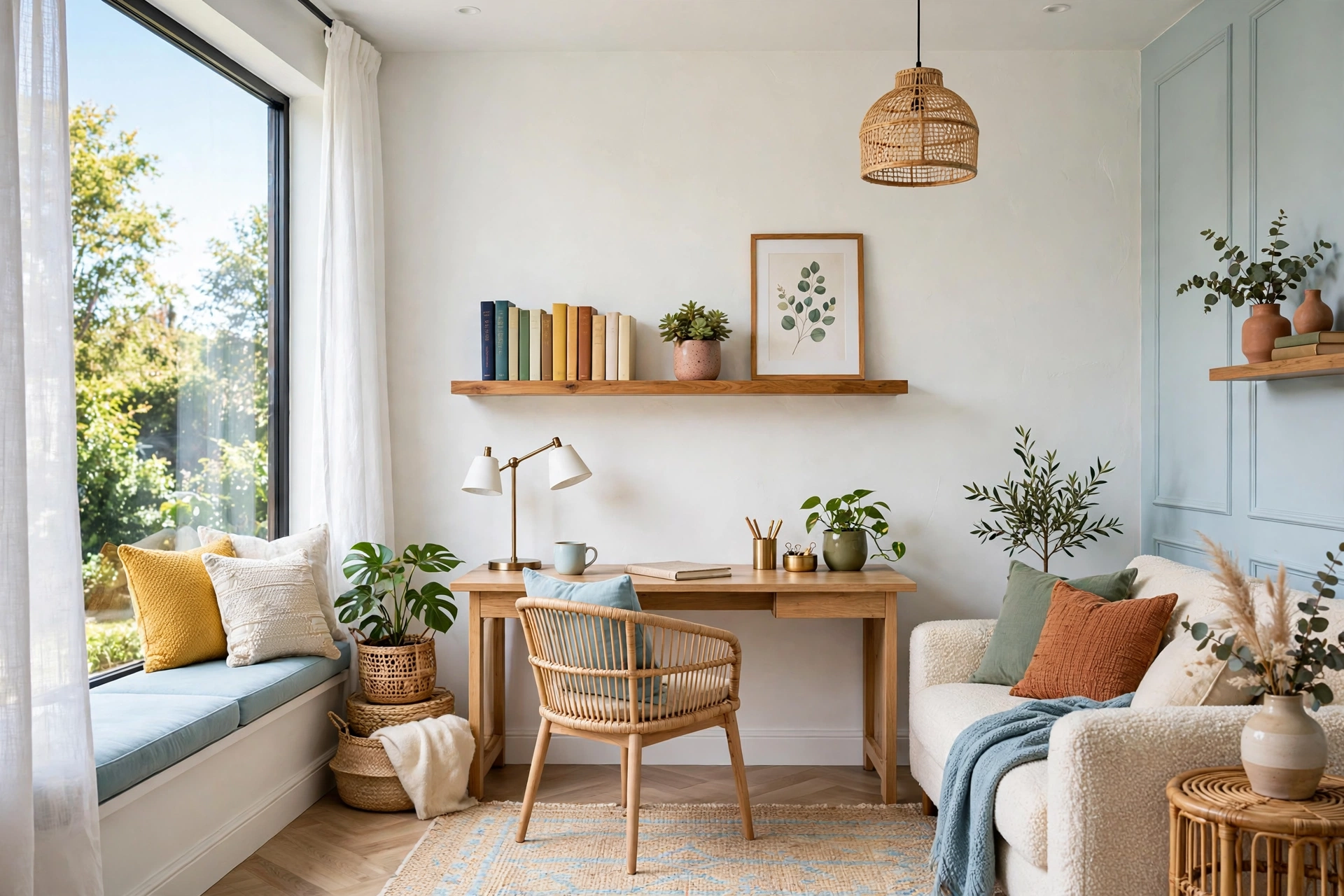
Floating shelves are one of the easiest woodworking projects for beginners, and they instantly make a wall look finished. A single shelf above a desk, beside a bed, or in a bathroom gives you display space and a designer touch for the cost of a board and two hidden brackets. Our guide on how to make DIY floating shelves walks through the whole process step by step.
Choose a wood tone that matches your furniture, or paint the shelf the same color as the wall for a seamless look. Keep the styling light: a few books, a small plant, and one decorative object are enough. Overloading a floating shelf makes it sag visually and physically, so less is more.
Install them properly with wall anchors or into studs, because a shelf that tilts or falls is worse than no shelf at all. Use a level, measure twice, and test the weight before you style it. A level, sturdy shelf looks custom; a crooked one looks like a mistake.
⚠️ Warning: Always check for pipes and wires before drilling into a wall, and use the right anchors for your wall type. A shelf that pulls out of plasterboard can damage the wall and whatever was on it.
16. Spray-Painted Accessories
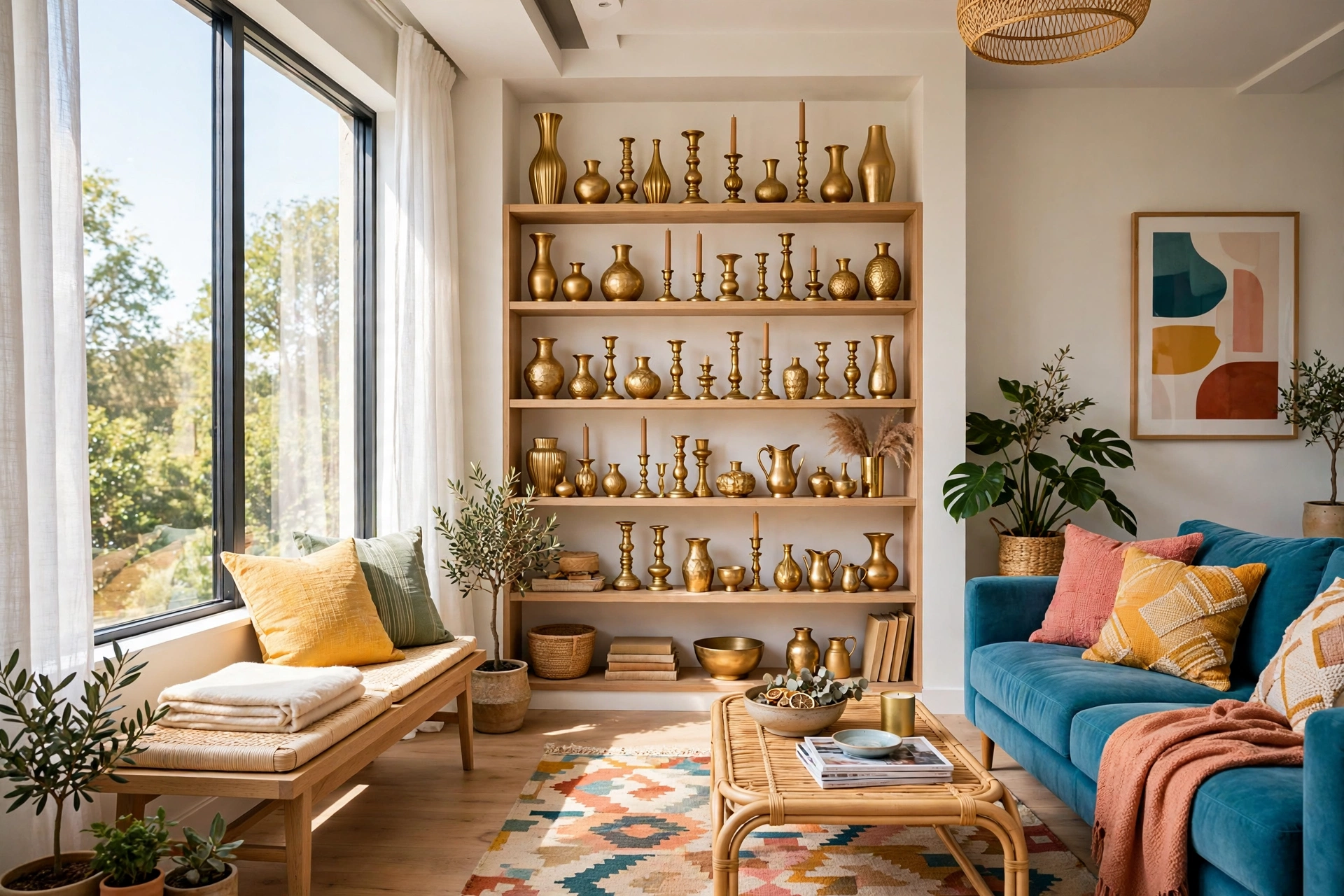
Spray paint is the budget decorator’s secret weapon. Vases, candlesticks, picture frames, plant pots, and even old lamps can be transformed in minutes with a can of spray paint, and a uniform finish makes a mismatched collection look like a curated set. Matte black, brushed gold, and soft white are the most versatile finishes.
Gather a group of thrifted accessories in different shapes, clean them well, and spray them all in the same color for a cohesive, expensive-looking collection. The uniformity is what creates the high-end effect, because it looks like the pieces were chosen together rather than gathered randomly. For furniture, compare chalk paint vs. spray paint to choose the right finish before you start.
Work outside or in a well-ventilated space, use light coats, and let each coat dry fully before the next. A rushed, drippy paint job looks cheap, while two thin, even coats look factory-finished. Seal with a clear topcoat on pieces that get handled often, like candlesticks and trays.
17. Vintage and Secondhand Finds
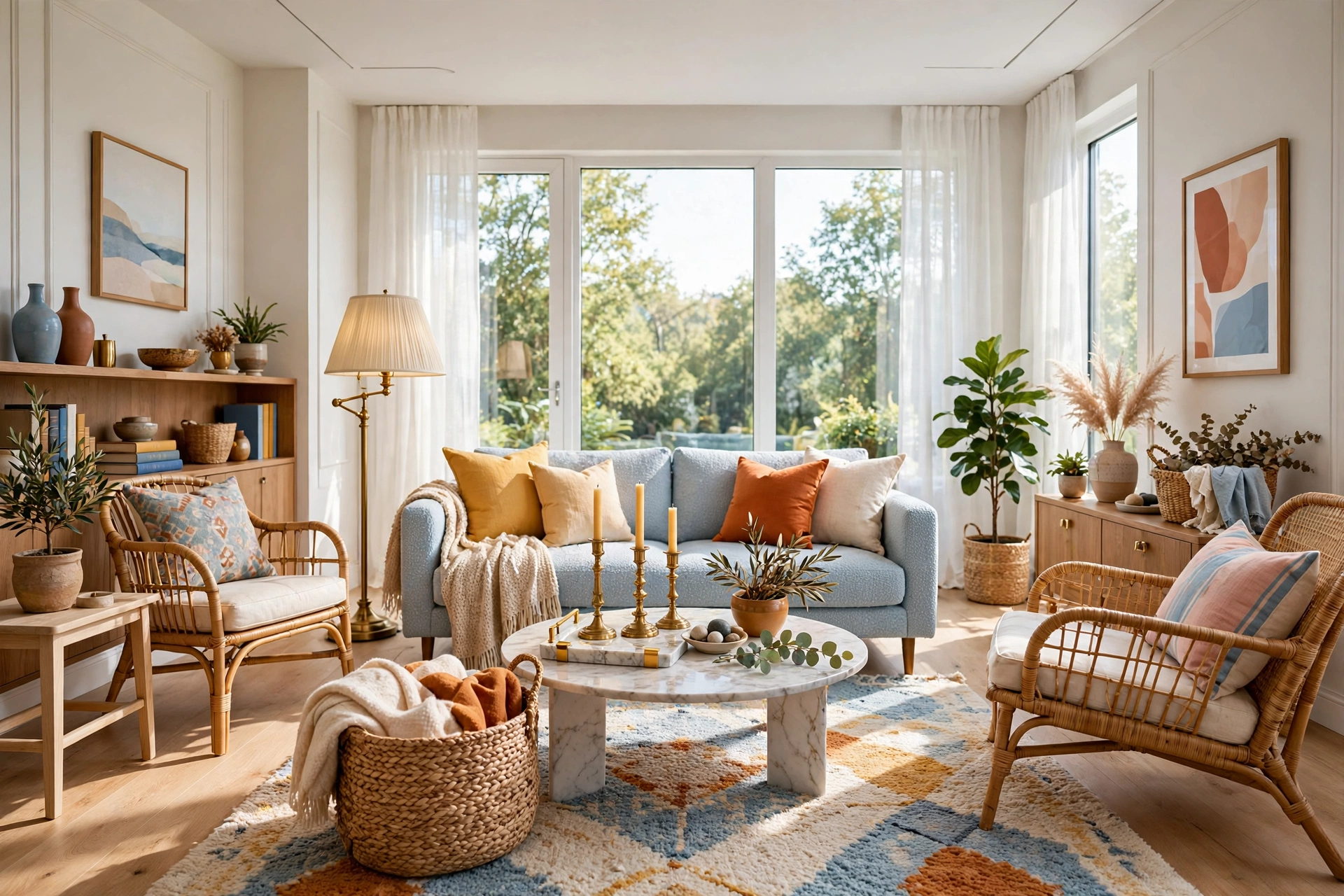
Secondhand shopping is where expensive-looking homes are really made. Vintage brass candlesticks, a marble tray, a wooden bowl, or a woven basket all carry a patina and character that new mass-produced decor cannot fake. The trick is to buy slowly and choose pieces you genuinely love, rather than filling the house with random bargains.
Shop with a list and a color palette in mind, so you buy things that work together instead of a pile of unrelated finds. Check thrift stores, flea markets, estate sales, and online marketplaces regularly, because the best pieces go fast. Look for quality materials: solid wood, real brass, ceramic, glass, and natural fibers age beautifully, while cheap plastic and particleboard do not.
Mix one or two vintage pieces into each room rather than filling a whole room with them. A vintage lamp on a modern side table, or an old wooden bowl on a new coffee table, adds soul and history. That mix of old and new is exactly what makes a home look collected over time, which is the most expensive look of all.
18. Basket and Storage Styling
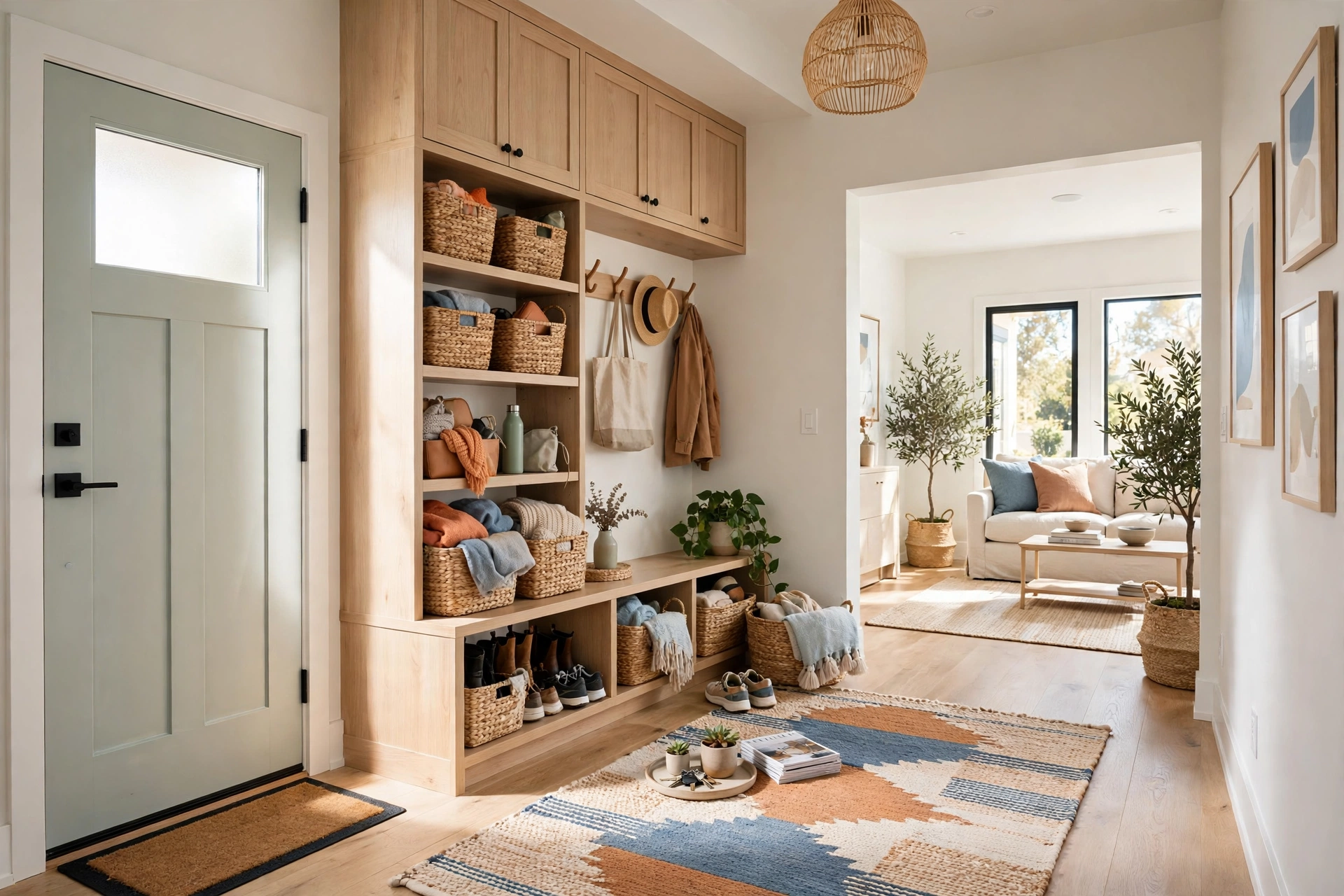
Beautiful storage is one of the easiest ways to make a home look tidy and expensive, because clutter is the fastest way to make it look cheap. Woven baskets, fabric bins, and wooden crates hide the mess while adding texture and warmth, and they cost very little compared to new furniture.
Use baskets on open shelves, under console tables, beside the sofa for throws, and in entryways for shoes and bags. Choose one material, like seagrass or rattan, and repeat it through the house so the storage looks like a deliberate choice rather than a random collection. Label the inside of baskets you use for everyday clutter so the system actually stays tidy.
The rule is simple: if you can see it, it should look good. A beautiful basket full of toys or cables looks intentional, while a pile of the same things on the floor looks messy. Good storage is invisible in the best way, because what people notice is the calm, uncluttered room it creates.
19. Accent Wall with Wainscoting or Trim
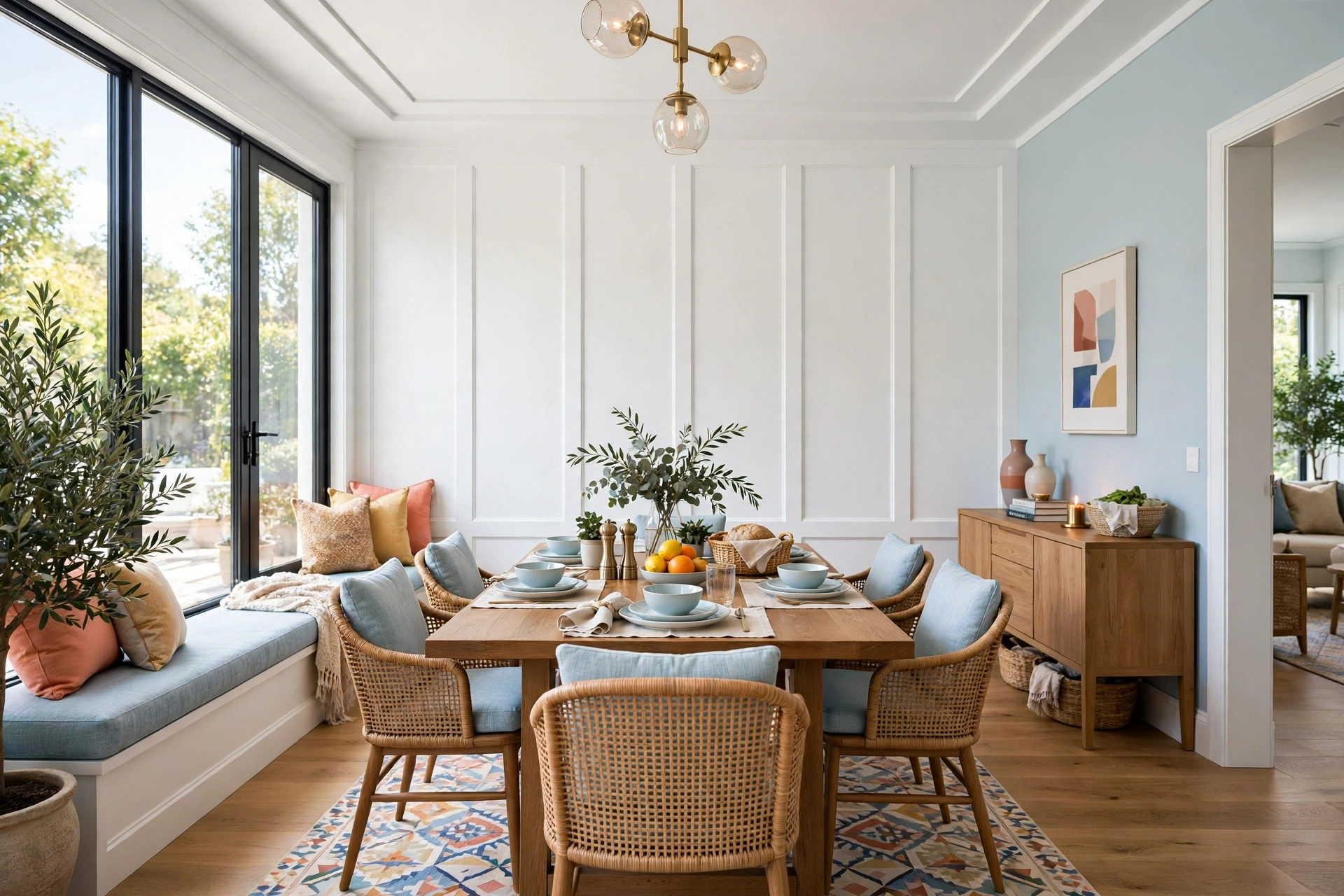
Wall trim, wainscoting, and board-and-batten are classic architectural details that make a plain room look custom and expensive, and they are surprisingly cheap to DIY. A few lengths of thin pine trim, some paint, and a weekend afternoon can transform a flat bedroom or dining room wall into something that looks like it came with the house.
Keep the design simple: a grid of rectangles or a single horizontal chair rail with vertical battens below it. Paint the whole wall, trim included, in one color for a seamless, high-end look, or use a slightly deeper shade than the other walls for subtle contrast. Measure carefully and use a level, because crooked trim is immediately obvious.
This trick works best on one feature wall, usually behind the bed or the dining table, where it frames the furniture and draws the eye. Pair it with simple bedding or a clean table setting so the wall stays the star. If painting a whole room feels daunting, a bedroom makeover on a budget shows how one wall can carry the whole transformation.
20. Candlelight and Ambience
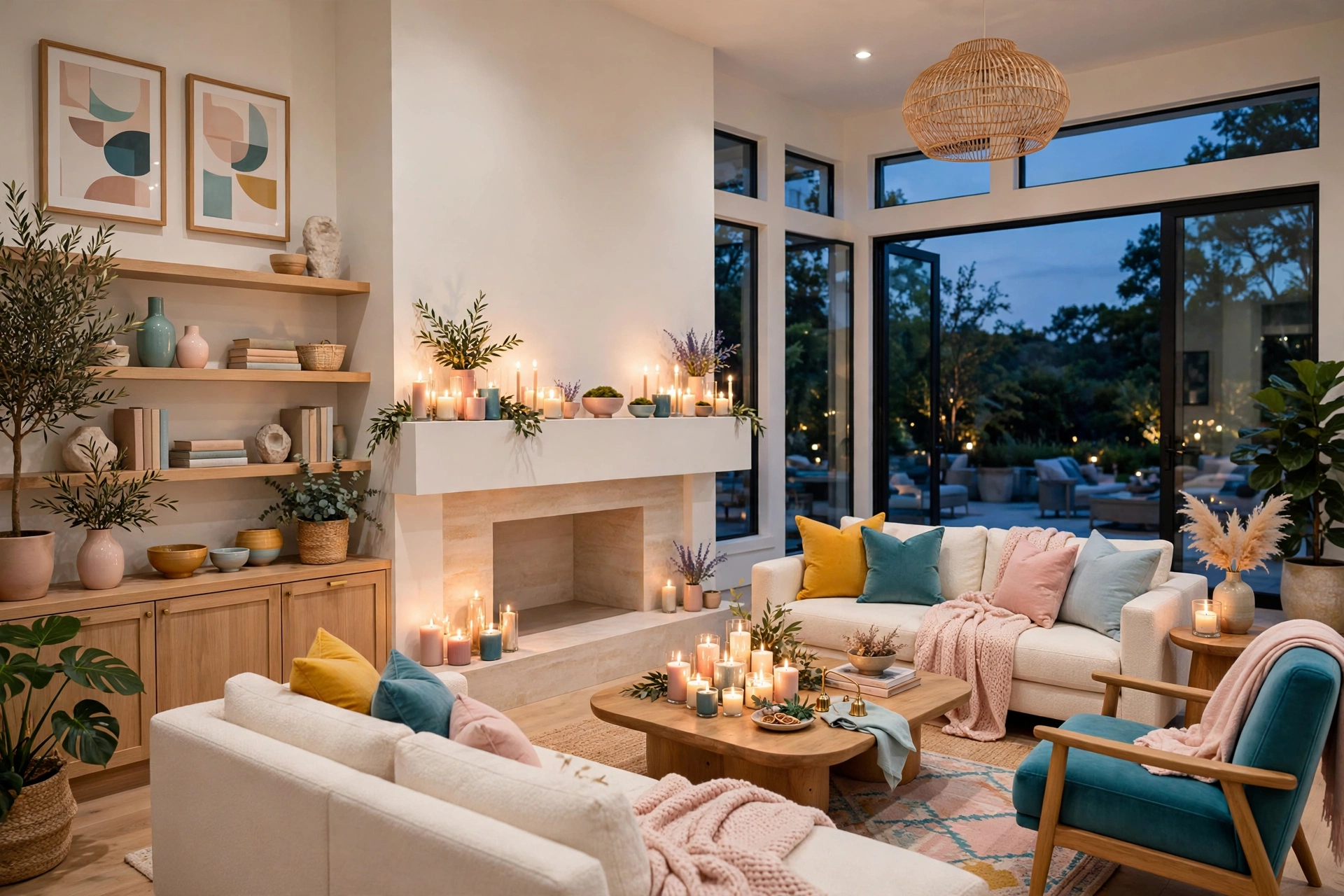
Candlelight is free atmosphere. A few candles on a coffee table, a mantel, or a bathroom tray instantly make a room feel warm, intimate, and expensive, and they cost almost nothing. Group candles in odd numbers at different heights, and use simple glass hurricanes or ceramic holders to protect surfaces and catch the glow.
Choose unscented or lightly scented candles for living spaces, and save strong scents for bathrooms or entryways. LED flameless candles are a safe alternative in homes with children or pets, and the best ones flicker convincingly. A candlelit room photographs beautifully too, which is a bonus if you love sharing your home online.
Never leave candles burning unattended, and keep them away from curtains, books, and anything flammable. The ambience is only worth it when it is safe, so treat candles as a finishing touch for evenings at home, not as background decoration you forget about.
💡 Pro Tip: Save glass jars from candles that have burned down, clean them out, and reuse them as small vases or storage for cotton pads and hair ties. Free decor is the best decor.
21. Furniture Slipcovers
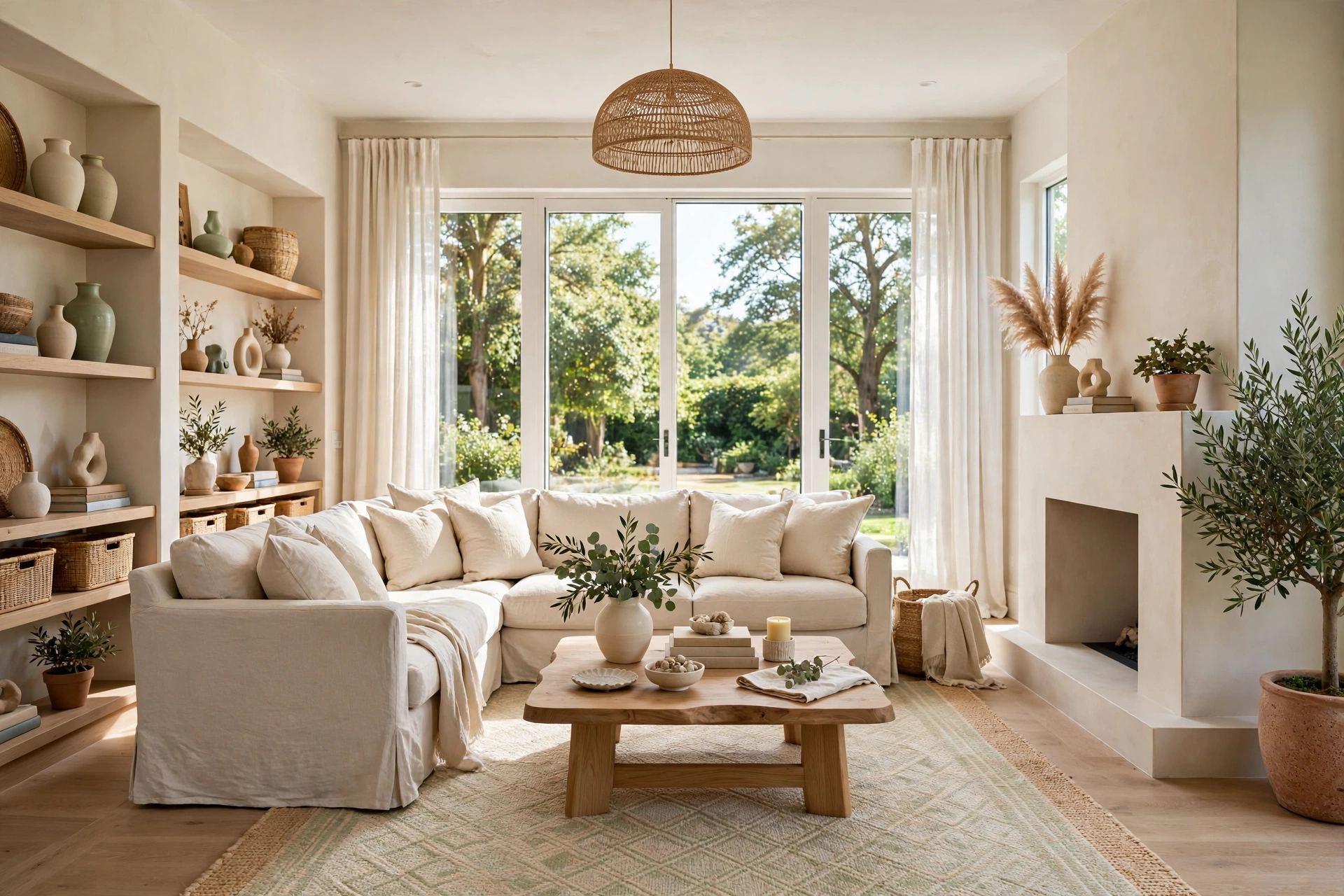
A slipcover is the cheapest way to rescue a tired sofa or chair without buying a new one. A well-fitted slipcover in a natural linen or cotton transforms a dated floral sofa into a relaxed, modern piece that looks like it belongs in a coastal cottage or a Scandinavian apartment. It also protects the furniture underneath, which is useful in homes with kids or pets.
Measure carefully and choose a slipcover made for your sofa’s style, because a baggy, ill-fitting cover looks worse than the original sofa. Tuck the fabric into the creases, smooth it over the arms, and add a few well-chosen cushions to finish the look. White and natural linen covers look the most expensive, but they need regular washing, so keep a spare set if you can.
Slipcovers also let you change the look of a room seasonally without buying new furniture. A light linen cover in summer and a heavier textured one in winter keeps the room feeling fresh, and the sofa underneath stays protected all year round.
22. Gallery Wall from Thrifted Frames
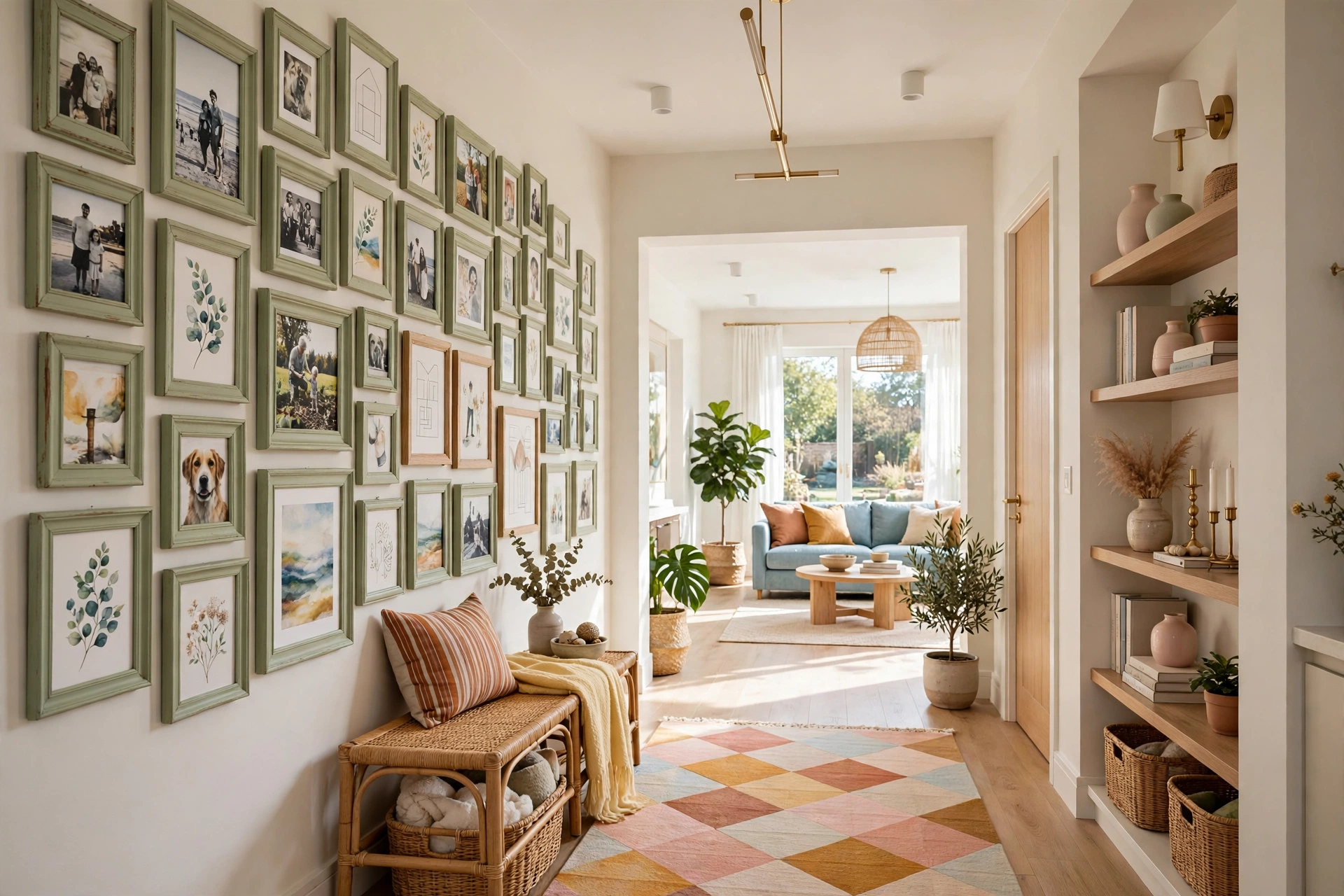
A gallery wall is one of the most personal and expensive-looking features in a home, and it can be built almost entirely from thrifted frames and free printables. Collect frames in different sizes over a few weeks, paint them all one color, and fill them with a mix of family photos, art prints, postcards, and pressed leaves.
Lay the arrangement out on the floor first and photograph it before you hang anything, because moving frames on the wall leaves holes. Start with the largest piece slightly off-center and build outward, keeping the spacing between frames consistent, about 5 to 8 cm. A mix of sizes looks collected, while matching frames look formal, so choose the mood that fits your room.
Keep the content meaningful. A gallery wall full of images you love looks intentional and personal, while one filled with random stock prints looks like a hotel. This is your home’s story on the wall, and it is one of the few decor features that genuinely cannot be bought ready-made.
23. Seasonal Swaps
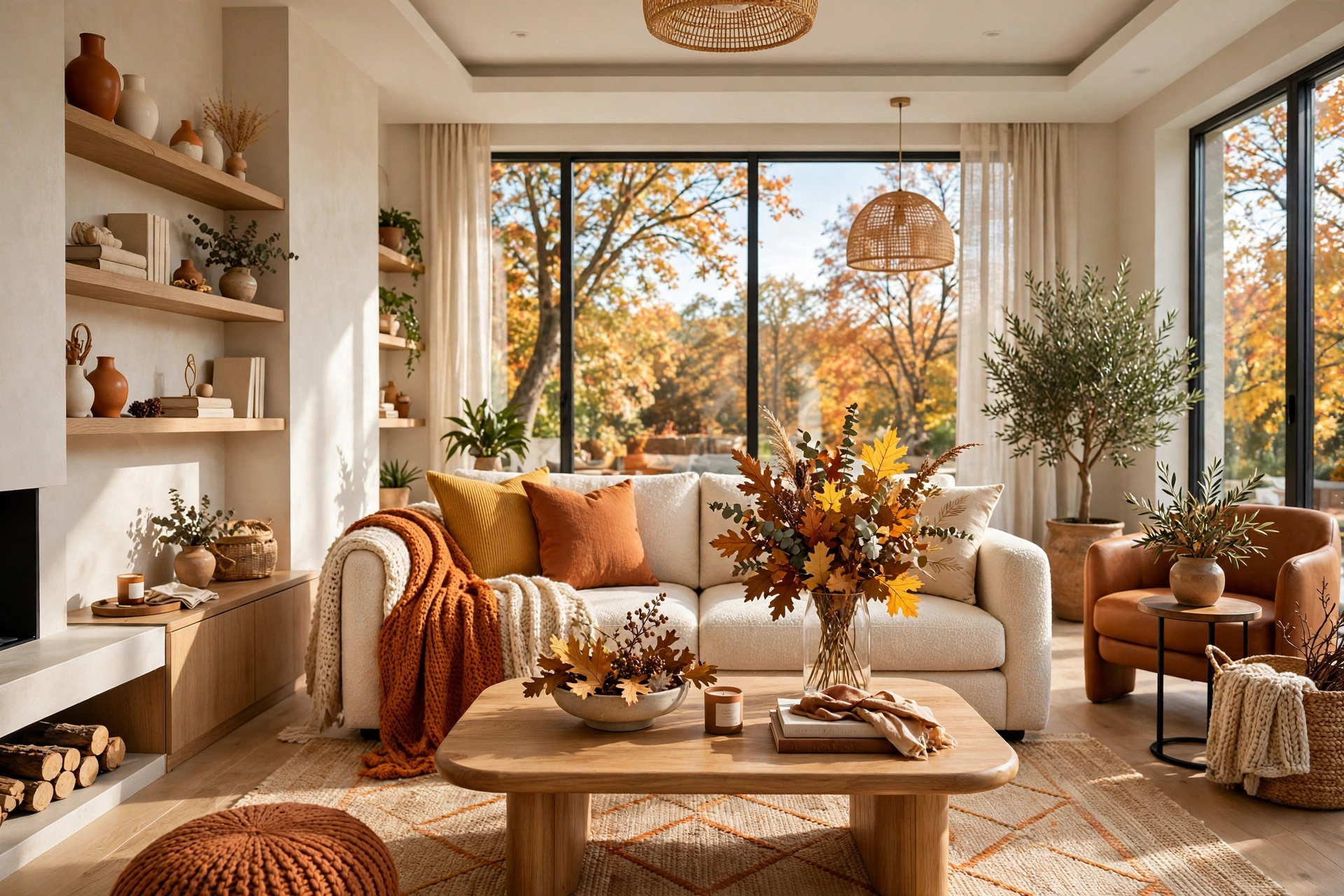
Rotating decor with the seasons keeps a home feeling fresh without buying new things every few months. A simple swap of cushion covers, a different throw, a vase of seasonal branches, or a change of table setting can make the whole room feel new, and most of it costs nothing if you shop your own home first.
Store off-season decor in labelled boxes so swaps take an afternoon rather than a weekend. In autumn, bring in warm tones, chunky knits, and dried leaves. In spring, switch to lighter fabrics, fresh greenery, and brighter colors. The change is mostly about textiles and small accessories, not furniture, so it stays cheap.
The trick is restraint. One or two seasonal touches per room are enough; a house covered in themed decorations looks like a store display. A single bowl of pinecones, a vase of blossom branches, or a warm throw folded over the sofa arm signals the season without shouting it.
24. DIY Headboard and Statement Bed
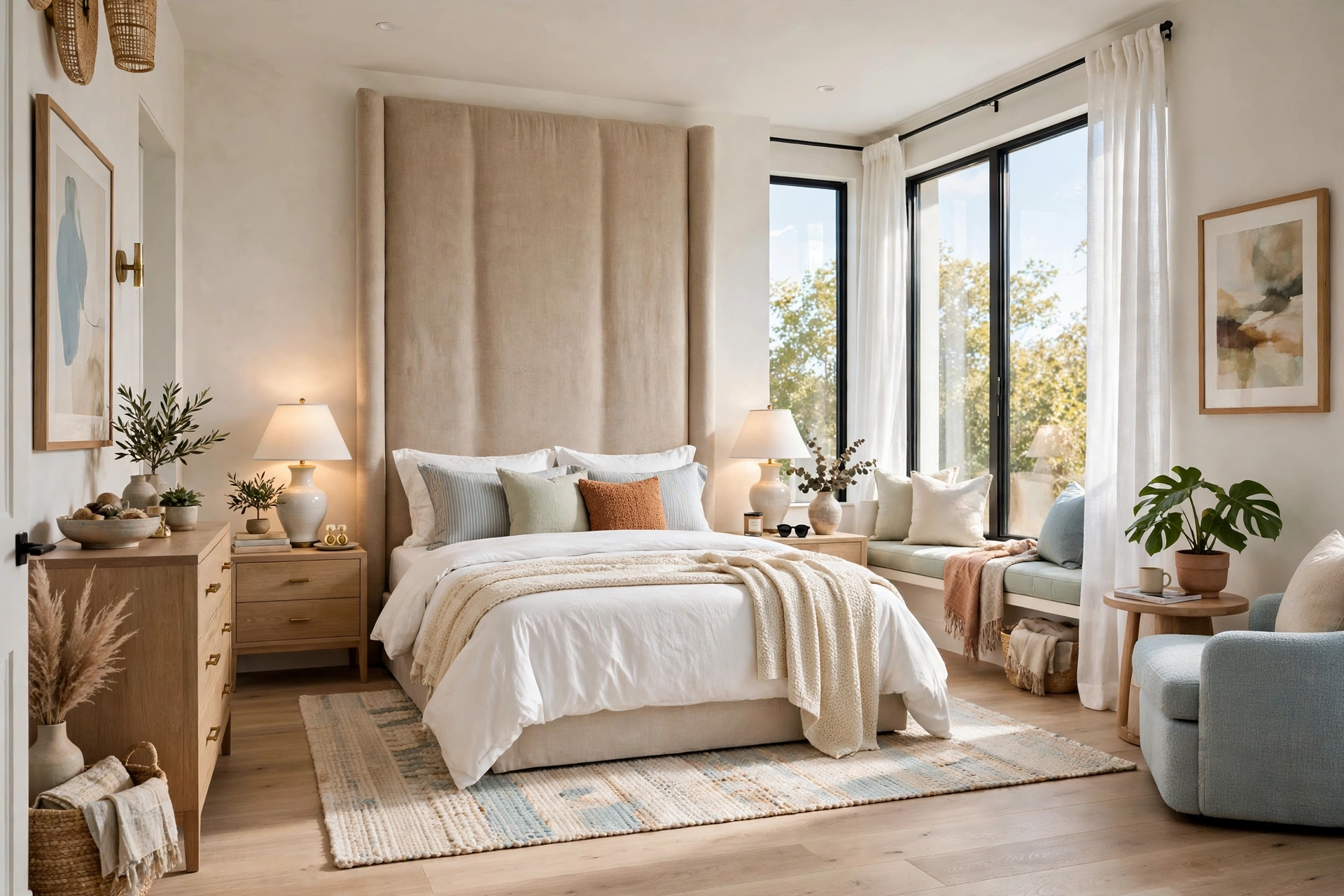
The bed is the largest piece of furniture in a bedroom, so changing how it looks changes the whole room. A DIY headboard made from plywood, foam, and fabric, or a simple wooden slat design, can cost less than a hundred dollars and look like a custom piece from a boutique hotel. Upholstered headboards in linen or velvet feel especially luxurious.
Keep the design simple and the fabric neutral so it works with different bedding over time. A tall headboard makes the ceiling feel higher and the bed feel grander, while a low, wide one feels calm and modern. Add a pair of matching bedside lamps and a folded throw across the foot of the bed to finish the look.
If a headboard feels like too much, start smaller: new bedding in a crisp white or soft neutral, a textured throw, and two plump pillows can make the same bed look completely different. The bedroom is where you start and end every day, so it deserves the effort, and a small budget goes a long way there.
25. Declutter and Restyle for Free
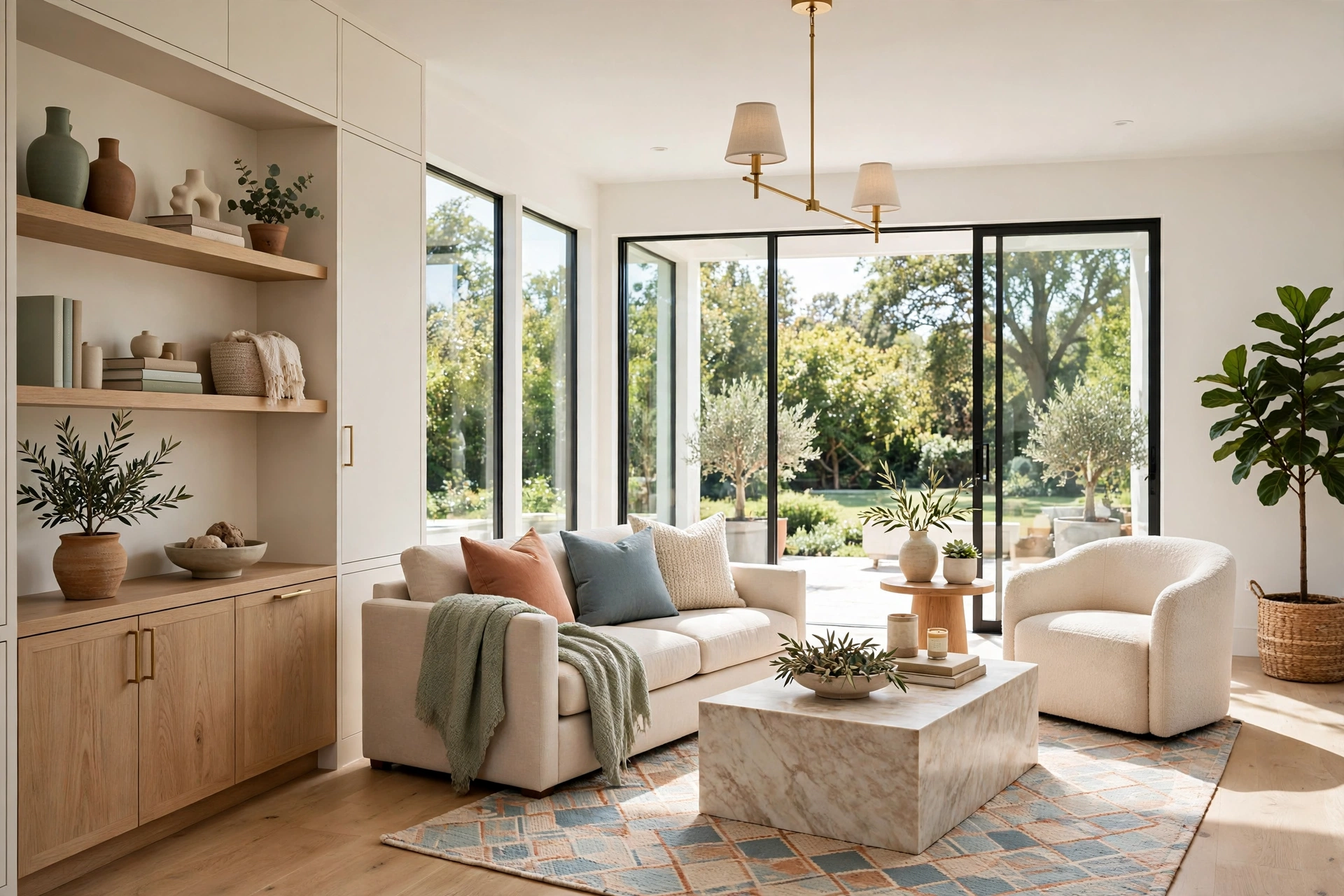
The most powerful budget decor idea costs absolutely nothing: take everything off a surface, clean it, and put back only what you love. Clutter makes even expensive furniture look cheap, while empty space makes even cheap furniture look intentional. Start with one room, one shelf, or one tabletop, and edit ruthlessly.
Move furniture around to find a better layout. Pull the sofa away from the wall, angle a chair toward the window, or swap the rug from one room to another. You will be surprised how different a room feels when the layout changes, and it costs nothing but an afternoon. Our guide to DIY room decor on a budget has more free and low-cost room projects if you want to keep going.
Live with the edited room for a week before buying anything new. You will often find that the room does not need a purchase at all, just breathing room. When you do buy, you will know exactly what is missing, which means you spend less and choose better. That is the real secret of homes that look expensive on a small budget: they are edited, not stuffed.
Common Budget Home Decor Mistakes
Mistake 1: Buying Everything at Once
Filling a room in one shopping trip almost always looks like a showroom, not a home. Buy slowly, live with each piece, and let the room evolve. The most expensive-looking homes were collected over time, not assembled in a weekend.
Mistake 2: Choosing Cheap-Looking Materials
Shiny plastic, thin fake wood, and flimsy fabrics are the giveaway. Spend your small budget on fewer, better-quality pieces in natural materials like wood, cotton, linen, and ceramic, rather than a lot of cheap-looking items that will need replacing.
Mistake 3: Ignoring Scale
A tiny rug in a big room, a small picture on a huge wall, or a lamp that is too short for the table all make a room look off. Measure before you buy, and go bigger than feels comfortable. Correct scale is free, and it is the difference between a room that looks designed and one that looks accidental.
Mistake 4: Matching Everything
Matching furniture sets and identical cushion covers look like a furniture store display. Mix textures, finishes, and eras so the room feels collected. One unifying color or material is enough to tie everything together.
Mistake 5: Forgetting the Lighting
A room with one harsh overhead light will always look flat and cheap, no matter how nice the furniture is. Add lamps, use warm bulbs, and layer light at different heights. Lighting is the cheapest way to make everything else look better.
Frequently Asked Questions
1. How can I make my home look expensive on a tight budget?
Focus on the big visual wins first: paint, lighting, decluttering, and textiles. These four cost very little and change how the whole room feels. Then add one or two statement pieces, like a large mirror or a thrifted furniture flip, and edit ruthlessly so the room looks intentional rather than crowded.
2. What is the cheapest way to decorate a room?
Start with free changes: declutter, rearrange the furniture, and restyle surfaces with things you already own. Then add paint, which is the cheapest transformation per dollar, followed by secondhand finds and simple textile swaps like cushion covers and throws.
3. Where should I shop for budget home decor?
Thrift stores, flea markets, estate sales, and online marketplaces are the best sources for quality secondhand pieces. For new items, discount stores, clearance sections, and end-of-season sales offer the best value. Always check secondhand first, because the best pieces are often the cheapest.
4. How do I make thrifted furniture look expensive?
Choose solid wood pieces with good bones, then refresh them with paint or stain and new hardware. Style them simply, with one or two beautiful objects on top, and place them against a clean wall. The combination of quality materials and thoughtful styling is what makes a flip look high-end.
5. What colors make a room look expensive?
Warm whites, soft neutrals, and deep, rich tones like forest green, navy, and charcoal all read as expensive when they are used consistently. Stick to a palette of three colors per room, and repeat them in textiles, art, and accessories so the room feels cohesive and calm.
6. Can I decorate a rental on a budget?
Yes, and most of the ideas in this guide are rental-friendly. Peel-and-stick wallpaper, removable hooks, slipcovers, textiles, and freestanding furniture all change a room without damaging walls or floors. Always save original hardware and fixtures so you can restore the rental when you move out.
7. How much should I budget for decorating one room?
You can transform a room for under $100 by focusing on paint, textiles, and secondhand finds, or for under $300 with a thrifted furniture piece and a few new accessories. Set a cap before you start, buy slowly, and spend on the pieces you touch and see every day, like the sofa, the bed, and the lighting.
Conclusion
A home that looks expensive is rarely a home that cost a fortune. It is a home where someone paid attention: to light, to scale, to texture, and to the small details that make a room feel finished. The 25 ideas in this guide prove that a beautiful home is built from choices, not from a big budget, and most of those choices cost very little.
Start with the free ideas, then add the cheap ones, one at a time. Declutter a surface, move a lamp, hang the curtains higher, and see how the room responds. Then try a thrifted flip, a coat of paint, or a new set of cushion covers. Each small change builds on the last, and before long the room will look like it cost ten times what you spent.
Your home should feel like you, not like a catalog. Choose the ideas that fit your life, your rooms, and your budget, and let the rest go. The best rooms are the ones that are lived in, loved, and edited with care, and that is something no amount of money can buy on its own.