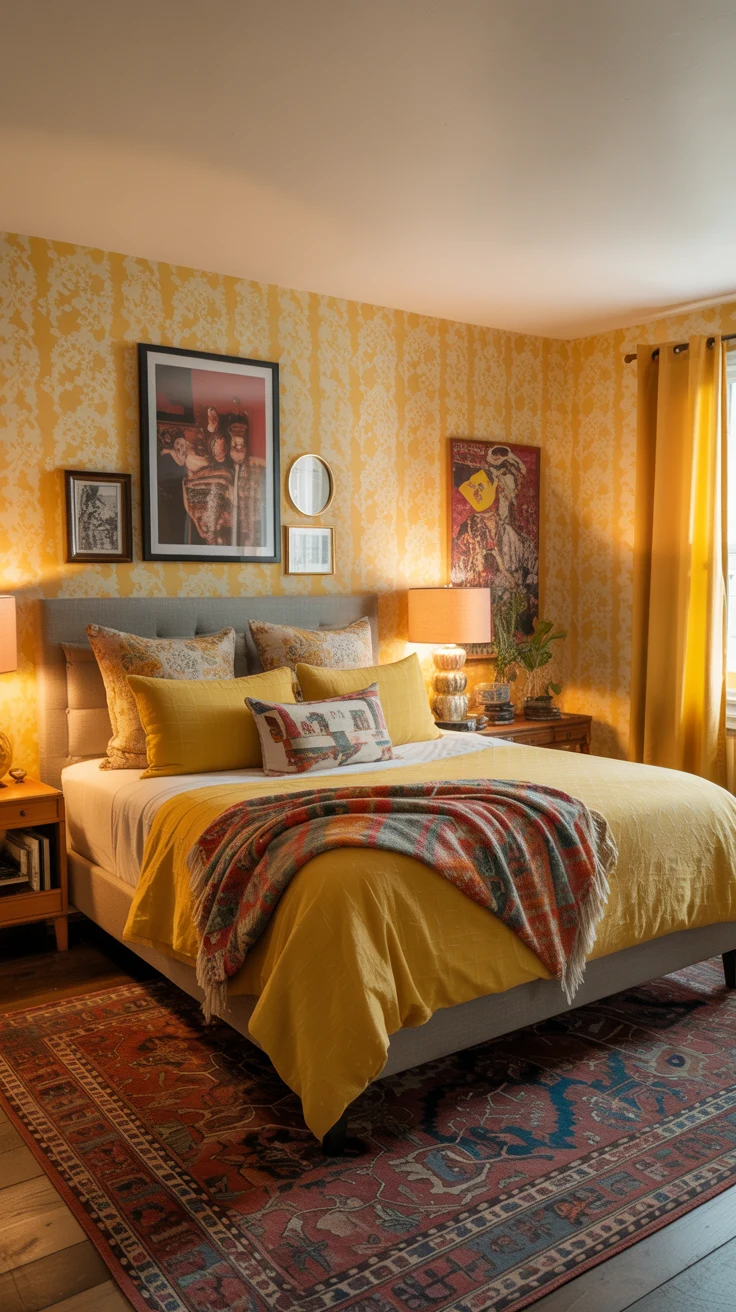

How to Style Your Bed for a Hotel-Like Look (Step by Step)
Introduction
There is a moment almost everyone has had: you walk into a hotel room, drop your bag, and stare at the bed. It looks impossibly inviting — crisp, plump, perfectly symmetrical — even though it is made from the same basic ingredients as the bed at home: sheets, a duvet, pillows. The difference is not magic and it is not money. It is a formula. Hotels style every bed the same way, in the same order, with the same handful of details, and that repetition is exactly what you can steal.
Here is the secret housekeeping teams and interior designers both know: a hotel bed is engineered in layers, and every layer has a job. The fitted sheet creates a smooth foundation. The flat sheets protect the expensive pieces and create that signature fold. The duvet insert is sized and fluffed for loft. The pillows are stacked by height, largest to smallest, so the bed reads as a composition instead of a pile. None of these steps is difficult on its own — the luxury comes from doing all of them, in order, every time.
This guide walks you through twelve steps in the exact order a hotel housekeeper works, from the mattress up to the finishing throw. By step twelve your bed will look — and feel — like a five-star suite. And if the bed is just the beginning of your hotel-bedroom project, start with our roundup of dreamy bedroom decor ideas to carry the look through the whole room.
1. Start With Hotel-White Bedding

White is not a color choice in hotels — it is a system. White signals cleanliness the instant a guest walks in, it reflects daylight so the whole bed glows, and it creates a blank canvas that makes every other detail look intentional. There is also a practical reason: white linens can be bleached and washed hot without fading, which is how hotels keep bedding looking new for years. At home, you get the same benefits with far less effort, since you wash far less often.
Choose cotton in a percale or sateen weave. Percale is the crisp, cool, matte fabric of classic hotel sheets; sateen has a subtle sheen and a silkier hand. Both are excellent — the choice is personal, not a quality ranking. Look for a 300 to 400 thread count and ignore the inflated 1000-thread-count marketing; beyond 400, thread count is mostly a number on a label, not a feeling on your skin. If stark white feels clinical at home, warm ivory delivers the same hotel signal with a softer, more livable mood — it is the same trick behind the most-pinned white-on-white looks in our aesthetic bedroom ideas roundup.
💡 Pro Tip: Wash new bedding two or three times before judging it. Cotton softens and brightens with washing, and new sheets straight from the package always look flatter and feel stiffer than they will after a few cycles. What looks “almost” on day one usually looks hotel-crisp by wash three.
2. Build Height With a Topper and a Fitted Sheet That Actually Fits

Hotel beds look substantial because they are tall. A 2-to-4-inch mattress topper adds the loft that makes a bed look — and feel — expensive, smoothing the sleeping surface and giving the whole composition its plush height. Memory foam toppers add softness, featherbed toppers add that sink-in luxury; either works as long as it is even and well-maintained. This is the single highest-impact purchase on the list if your current mattress is older or on the firm side.
The fitted sheet has to rise to the occasion — literally. Measure your mattress depth including the topper, then buy a fitted sheet with pockets at least two inches deeper than that measurement. A fitted sheet that is stretched to its limit will pop its corners and wrinkle across the top, and wrinkles are the first thing that kills the hotel look. Pull the sheet on, then smooth it from the center outward with flat hands, tucking any excess under the mattress. The surface should look stretched and calm, like a drum skin — this smooth foundation is what every layer above it depends on.
3. Master Triple Sheeting

Triple sheeting is the actual technique hotel housekeepers use, and it is simpler than it sounds. Layer one: the fitted sheet. Layer two: a flat sheet, spread smooth and tucked at the foot. Layer three: the duvet or blanket. Layer four: a second flat sheet laid over the duvet, folded back over the top third to create the signature band. When you climb in, you sleep between the two flat sheets — your body never touches the duvet cover. That is the whole system, and it is why a hotel can turn a room in twenty minutes: the sheets get changed, the duvet cover rarely does.
The fold is what you see, so make it deliberate. Lay the second flat sheet over the duvet with its top edge about eighteen inches below the head end, smooth it flat, then fold that top edge back down over the duvet to create a wide, even band. Run your hands along the fold to sharpen it. If you use a duvet cover instead of a separate top blanket, the same fold works — the band just shows the cover’s fabric. Either way, the result is the layered, tailored look that reads “hotel” from across the room.
📌 Important: Triple sheeting is a hygiene system, not just a look. Because you sleep between the two flat sheets, the duvet cover stays clean far longer — wash it monthly instead of weekly, and wash the flat sheets as you normally would. Skipping this system and sleeping directly against the duvet cover is why home bedding looks tired so fast.
Bed Styling Quick-Start Checklist
- ✅ Switch to white or ivory cotton bedding (percale or sateen, 300–400 thread count).
- ✅ Measure mattress depth with the topper; buy deep-pocket fitted sheets with 2–3 inches of extra room.
- ✅ Add a 2–4 inch mattress topper for hotel height and a smooth sleeping surface.
- ✅ Stock the full layer set: fitted sheet, two flat sheets, duvet cover, and an insert two inches larger than the cover.
- ✅ Plan the pillow formula: sleeping pairs + two euros + two to three accents.
- ✅ Keep one throw blanket for the foot of the bed and smooth every layer before moving to the next.
4. Choose a Lofty Duvet Insert

The fluff of a hotel bed comes from the insert, not the cover. A high-loft insert — down or a quality down alternative — is what gives the bed its cloud-like volume, and hotels replace inserts long before they go flat. If your duvet lies there like a deflated pancake, no amount of styling will save it. The fix is straightforward: buy an insert two inches larger than its cover (a king insert in a queen cover, for example). The extra fill has nowhere to go but up, which is exactly how you get that overstuffed, luxurious look.
Down gives the most loft for the least weight and the longest life; a good down-alternative insert gets you 80 percent of the effect at a fraction of the price and is the better choice for allergy households. Either way, fluffing is maintenance, not a one-time event. Every morning, grab the insert by two corners and shake it hard, then let it settle — thirty seconds of this restores most of the loft. The plush, enveloping warmth of a well-lofted duvet is the same layered comfort behind our favorite cozy bedroom inspiration rooms, and it is what makes the bed look as good as it sleeps.
5. Center the Duvet With the Three-Pull

A crooked duvet ruins a styled bed faster than anything else, and centering it takes less than a minute with the three-pull method. First, if your duvet cover has interior ties, attach them to the insert’s corner loops — this keeps the fill from migrating to one end, which is the hidden cause of lumpy, lopsided duvets. Then lay the duvet on the bed and pull it toward the foot until the top edge sits where you want it, usually just below where the pillow stack will end.
Now the three pulls: stand at the foot and pull the duvet toward you until the overhang at the foot matches the overhang on the sides, then pull each side down evenly so the drop is symmetrical. Step back to the doorway and check — hotel housekeepers always check from the doorway, because that is the viewing angle that matters. Smooth the surface from the center outward with flat hands, popping any trapped air toward the edges. The duvet should look like it was poured onto the bed: centered, even, and calm.
Quick Comparison: Bed Styling Upgrades by Cost and Effort
6. Stack Sleeping Pillows Like Housekeeping

Hotels do not prop pillows — they stack them, and the difference is visible. For a queen bed, use two sleeping pillows; for a king, four. Fluff each one hard first: grab opposite corners, compress and release a few times until the pillow is full and even. Then stand them upright against the headboard, flat side facing forward, leaning at a slight angle. The stack should look like a neat row of soldiers, not a casual lean.
Orientation details matter more than they seem. Turn the pillowcase openings toward the center of the bed so no raw edges show, and make sure the pairs match — same pillowcases, same fullness. If one pillow is flatter than its partner, swap it to the back of the stack or replace it; mismatched fullness is one of those small things the eye catches without knowing why. Two plump, matching, upright pillows per side is the baseline of every hotel bed, and it takes ninety seconds once it becomes habit.
💡 Pro Tip: Sleeping pillows go flat over time because the fill migrates. Once a month, toss synthetic pillows in the dryer on low with two clean tennis balls for twenty minutes — it redistributes the fill and restores the loft. Down pillows just need a hard daily fluffing and an occasional day in the sun.
7. Add Euro Shams for Height

Euro shams are the 26-by-26-inch square pillows that give hotel beds their height, and they are the layer most home beds are missing. They stand in a back row, leaning against the headboard behind the sleeping pillows, and they do two jobs at once: they fill the visual gap between the mattress and the headboard, and they give the whole composition its tall, grand silhouette. Without them, even a well-made bed can look low and ordinary.
Buy inserts two inches larger than the sham covers — a 28-inch insert in a 26-inch sham — for that plump, overstuffed look, the same sizing trick as the duvet. Karate-chop or no chop is a style choice, but fluff them daily and keep the sham fabric in your palette’s family: white or ivory linen for the classic hotel look, or a subtle texture like matelassé for depth. Two euros for a queen, three for a king. In smaller bedrooms, keep the euro layer slim — two is plenty — a lesson straight from our small master bedroom ideas guide, where every inch of the bed still has to earn its place.
8. Finish the Pillow Stack With Decorative Cushions

Decorative cushions are the jewelry of the bed: the smallest layer, but the one that makes the whole thing look finished. The hotel formula is simple and strict — odd numbers, largest in back, smallest in front. Two 20-inch square cushions in front of the sleeping pillows, plus one lumbar or bolster pillow centered in front of those, is the classic arrangement for a queen. Keep the total at five decorative pieces or fewer; beyond that, the bed becomes a nightly chore instead of a pleasure.
Color and texture do the talking here. Pull one accent color from the room — a muted blue, a warm rust, a soft sage — and repeat it in two different textures, like velvet and linen, so the cushions look related but not matched. One patterned cushion among solids adds life; three patterns start an argument. And resist the urge to buy a whole matching cushion set in one print — sets look like a showroom, while a small, curated mix looks like a designer chose each piece.
⚠️ Warning: The fastest way to ruin the hotel look is a pillow mountain. If making the bed takes more than five minutes or removing the cushions requires a separate piece of furniture, you have too many. Hotels use restraint: every cushion earns its place by making the bed look better, not just fuller.
9. Do the Signature Fold-Down

The fold-down is the single most recognizable hotel gesture: the top third of the bed turned back as if inviting you in. After the duvet is centered and the pillows are stacked, fold the duvet and its top sheet band down about eighteen to twenty-four inches from the head end. Smooth the fold with flat hands so the edge is sharp and even, and make sure the fold is level — a crooked fold-down is worse than none at all.
This is also where the triple sheeting from step three pays off visually. The folded band shows the flat sheet against the duvet, creating the layered stripe that the eye reads as “hotel” instantly. If your duvet cover and sheet are both white, the layering shows as subtle tone and shadow rather than color — which is exactly the refined, tonal look five-star beds are famous for. Step back to the doorway one more time and check the symmetry; the fold-down is the bed’s headline, and it deserves the check.
10. Drape a Throw at the Foot

A throw across the foot of the bed is the finishing layer — the thing that makes the bed look dressed rather than merely made. Fold the throw in thirds lengthwise so it becomes a long, narrow band, then lay it across the foot of the bed, centered, with even ends. It should sit roughly where the duvet’s foot overhang begins. The throw adds the one note of texture and color the all-white bed needs: a chunky knit, a waffle weave, or a light quilt in a warm neutral.
Texture contrast is the point, so choose a throw that feels different from everything else on the bed — nubby against smooth, matte against sheen. Keep it in the room’s palette rather than introducing a new color; the throw should deepen the scheme, not interrupt it. In cooler months, a slightly heavier throw here doubles as the extra layer you actually reach for at night, which means it gets used daily and still looks styled — the rare decorative object that earns its keep functionally too.
📌 Important: Fold the throw — never toss it. A casually tossed throw reads as laundry waiting to happen; a neatly folded band reads as design. The fold takes twenty seconds and is the difference between “styled” and “sloppy” in every photo of a beautiful bed you have ever saved.
11. Dress the Foot of the Bed

Hotels never leave the foot of the bed bare. The classic move is an upholstered bench, sized to about two-thirds of the bed’s width so it reads as part of the bed rather than a separate piece. It gives the bed a tailored, finished line, provides a place to sit while putting on shoes, and fills the often-dead space at the foot with intention. A simple upholstered bench in linen or velvet is the hotel standard; a slim wooden bench with a cushion works in more relaxed schemes.
No room or budget for a bench? The folded-throw finish from step ten already covers the dressed-foot requirement — you can strengthen it by folding a coverlet or quilt in the same banded style, or by letting the duvet’s foot overhang stay crisp and even. What matters is that the foot looks intentional, not forgotten. For more ways to style this zone, our master bedroom design ideas guide covers benches, ottomans, and foot-of-bed styling in depth.
12. Run the 5-Minute Morning Reset

A hotel bed looks perfect because it is remade the same way every single day — and your five-minute morning reset is how you keep the look without the housekeeping staff. Work in reverse order of the styling: shake the duvet insert and smooth it centered, re-stack the sleeping pillows upright, stand the euros behind them, place the decorative cushions front to back, redo the fold-down, and lay the throw band across the foot. Five minutes, same order, every morning.
The secret is that the reset gets faster, not harder, with repetition. After a week, your hands know the sequence and the bed practically makes itself — the layers fall into their places because each one has a designated spot. Keep a small handheld steamer in the bedroom for the visible fold once a week; ninety seconds of steam on the duvet’s fold band is the closest thing to the hotel pressing room at home, and it is what separates a made bed from a hotel bed in photographs.
📌 Important: Make the bed before anything else in the morning, not after the room is tidy. A styled bed sets the standard for the whole bedroom — once the bed looks like a suite, the nightstand clutter suddenly looks wrong, and the room starts tidying itself around the bed’s example.
Common Bed Styling Mistakes
Mistake 1: Sleeping Against the Bare Duvet Cover
The most common bed-styling mistake is also the most invisible: sleeping directly against the duvet cover with no flat sheet between you and it. The cover absorbs body oils and sweat nightly, which means it needs washing constantly — and frequent washing is what fades, thins, and tires out bedding. The bed starts looking worn in months instead of years. Triple sheeting (step three) exists precisely to solve this: sleep between the flat sheets, and the duvet cover stays fresh for weeks.
Mistake 2: A Limp, Undersized Insert
An insert that exactly matches its cover will always look flat, because the fill has no room to loft. Hotels size up — a king insert in a queen cover — so the fill billows. If your duvet looks deflated no matter how much you fluff it, the insert is almost certainly the problem, not your technique. One correctly sized, high-loft insert transforms the bed more than any decorative pillow ever will.
Mistake 3: Pillows That Never Get Fluffed
Pillows lose their loft a little every night as the fill compresses, and a week of neglect turns plump pillows into sad pancakes. The hotel habit is daily fluffing — grab opposite corners, compress, release, repeat — which takes seconds per pillow and keeps the whole stack looking alive. Flat pillows make even expensive bedding look tired, while fluffed pillows make modest bedding look luxurious.
Mistake 4: The Pillow Mountain
There is a fine line between styled and excessive, and it sits at about five decorative cushions. Beyond that, the bed becomes a nightly excavation project — cushions piled on the floor, the chair, the dresser — and the “styled” look lasts exactly until bedtime. Hotels practice restraint because the bed has to be livable. If clearing the bed feels like a chore, remove cushions until making the bed takes five minutes or less.
Mistake 5: Pattern Chaos
One patterned cushion adds personality; three competing patterns start a fight the bed cannot win. The hotel rule is solids with one pattern at most, all inside a tight palette of two or three colors. When patterns multiply — stripes plus florals plus geometrics — the eye has nowhere to rest, and the calm that makes a hotel bed feel luxurious disappears. Edit the patterns down and let texture carry the interest instead.
Frequently Asked Questions
1. Why do hotel beds look so much fluffier than mine?
Three reasons: height, loft, and layering. Hotels build height with toppers, use high-loft inserts sized larger than their covers, and stack pillows in graduated rows instead of propping them. Each layer adds volume, and volume is what the eye reads as luxury. Copy the layering system in this guide and the fluff follows automatically — it is engineering, not expense.
2. What thread count should I actually buy?
A 300 to 400 thread count in cotton percale or sateen is the hotel sweet spot. Below 300, sheets feel thin and wear faster; far above 400, the number is mostly marketing, since manufacturers achieve it with thinner, multi-ply yarns that do not feel better. Weave matters more than count — percale for crisp and cool, sateen for smooth with a sheen. Buy the weave you like sleeping in, in the 300–400 range, and you are done.
3. Do I really need white bedding for the hotel look?
White is the classic because it signals cleanliness and reflects light, but the hotel formula works in any light, low-contrast palette. Warm ivory, soft oatmeal, and pale greige all deliver the same effect with a cozier mood. What breaks the look is not color — it is high contrast and busy patterns across the big layers. Keep the sheets and duvet tonal and calm, and add color through the throw and cushions instead.
4. What is the difference between a duvet and a comforter?
A duvet is a soft flat bag filled with down or synthetic fill, designed to be used inside a removable, washable duvet cover. A comforter is a single quilted piece with its pattern or color built in — no cover needed, but also no easy way to change its look or wash it thoroughly. Hotels use duvets because covers are cheap to launder and swap; at home, the duvet system gives you the same flexibility to refresh the bed’s look with one new cover.
5. How many pillows should go on a styled bed?
For a queen: two sleeping pillows, two euro shams, and two to three decorative cushions — seven total. For a king: four sleeping pillows, three euros, and two to three accents. The formula is sleeping pairs by bed size, euros for height, and a small odd-numbered accent group in front. Fewer than this can look sparse against a tall headboard; more than this becomes the pillow mountain from mistake four.
6. How often should I wash each bedding layer?
Wash sheets and pillowcases weekly — they sit against your skin. With triple sheeting, the flat sheets take the wear, so the duvet cover only needs washing monthly. The insert itself needs washing two to four times a year (check its care label; most down-alternative inserts are machine washable). Pillow protectors under the cases, washed monthly, keep the pillows themselves fresh far longer.
7. How do hotels get their sheets so crisp?
Commercial pressing — hotels iron or steam their linens, and that pressed edge is a huge part of the look. At home, the closest equivalent is a handheld steamer on the visible fold band once a week, plus pulling sheets taut when making the bed. Percale weave also helps: its crisp, matte texture looks pressed even when it is not. Ninety seconds of steam on the fold is the highest-return finishing detail in this entire guide.
Conclusion
Styling your bed like a hotel is not about buying a hotel’s budget — it is about borrowing a hotel’s system. Twelve steps, done in the same order every time: a smooth foundation, triple-sheeted layers, a lofted and centered duvet, pillows stacked by height, the signature fold-down, and a finished foot. None of the steps is hard. The luxury is in the completeness — every layer doing its job, every edge intentional.
Start this weekend with the three moves that carry the most weight: white or ivory bedding in a weave you love, an insert two inches larger than its cover, and the triple-sheeting fold. Those three alone will change how your bed looks from the doorway. Add the pillow formula and the five-minute morning reset, and the suite feeling stops being something you visit — it becomes something you wake up in. For the rest of the room on a realistic budget, our bedroom makeover on a budget guide picks up exactly where this one leaves off.