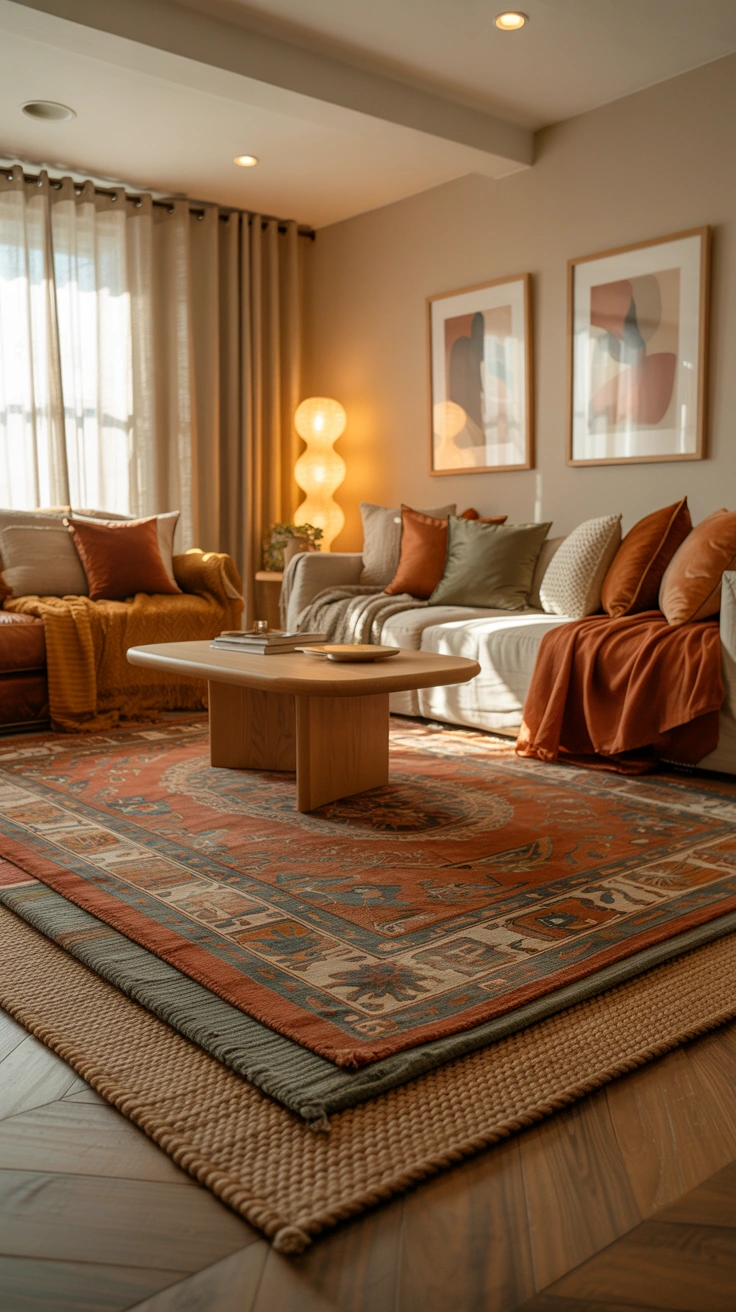
How To Choose Sofa Size For Living Room : Easy Guide
Introduction
Ever walked into a furniture store, fallen head over heels for a sofa, then watched it swallow your entire living room whole once it got home? Yeah, same. That gorgeous oversized sectional looked like a dream in the showroom and a total nightmare wedged against your window.
Here’s the thing — choosing sofa size for living room isn’t about picking the prettiest option on the floor. It’s about math, movement, and a little bit of common sense mixed with style. I’ve rearranged (and returned) more couches than I care to admit, and every single time, the size was the deciding factor, not the fabric or the color.
So let’s fix that for you right now. Below are 18 practical, real-world ideas that’ll help you measure smart, shop smart, and finally land on a sofa that actually fits your life. Let’s get into it!
1. Measure Your Living Room Before Anything Else
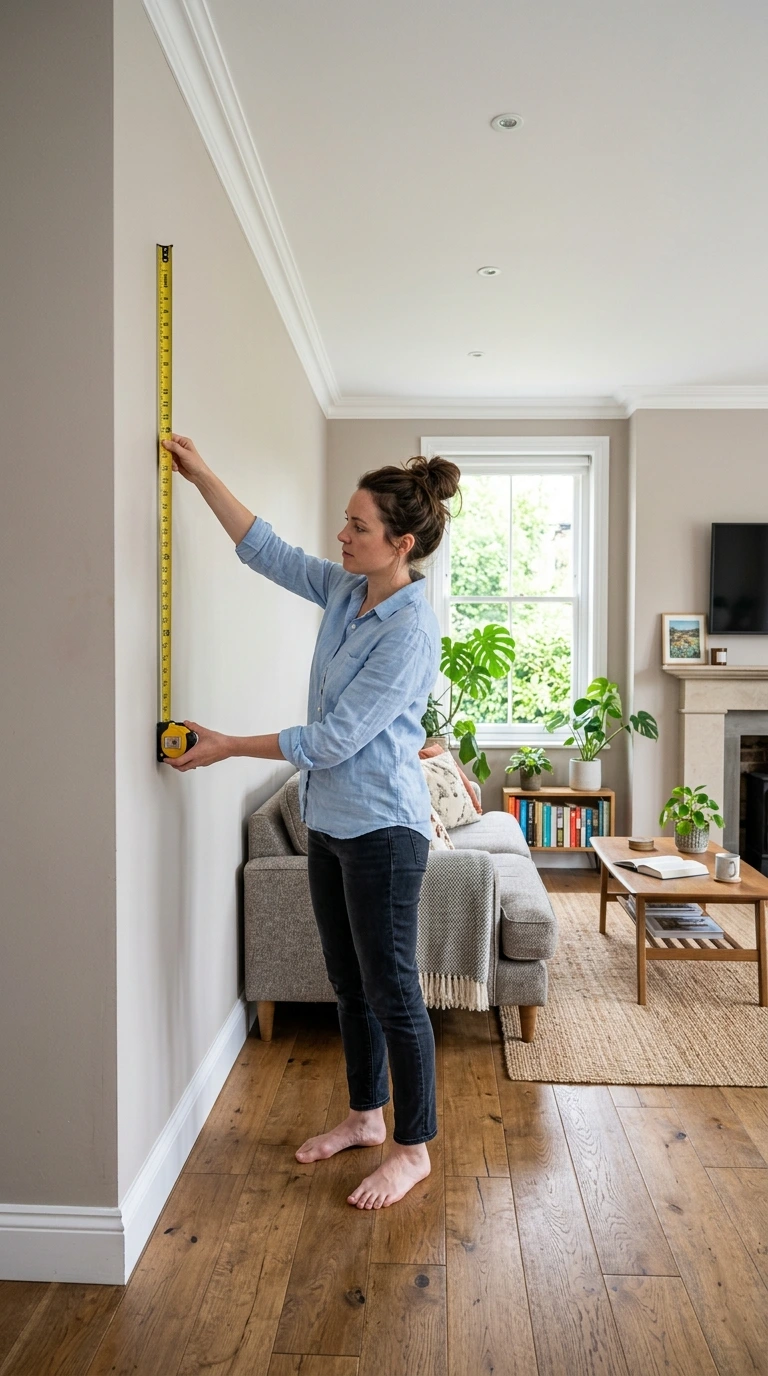
This is the step everyone skips, and it’s exactly why so many people end up with a couch that dominates the room or looks lost in the corner. Grab a tape measure and record the full length and width of the wall where the sofa will sit, wall to wall, not just a rough guess from across the room.
While you’re at it, note the ceiling height and mark any windows, vents, radiators, or outlets that might limit where furniture can go. Write every number down before you even open a catalog. IMO, this single habit prevents more sizing regrets than any other tip on this list.
2. Use The Two-Thirds Wall Rule
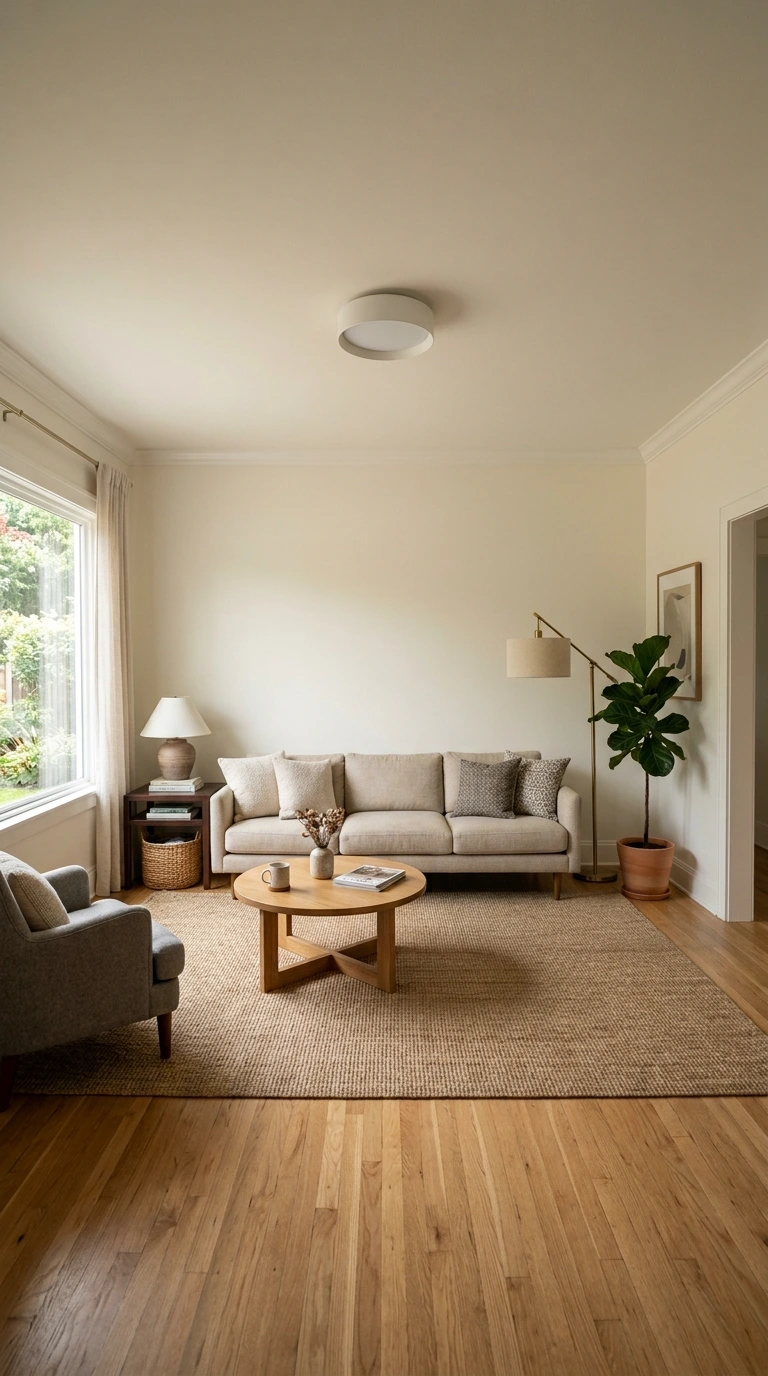
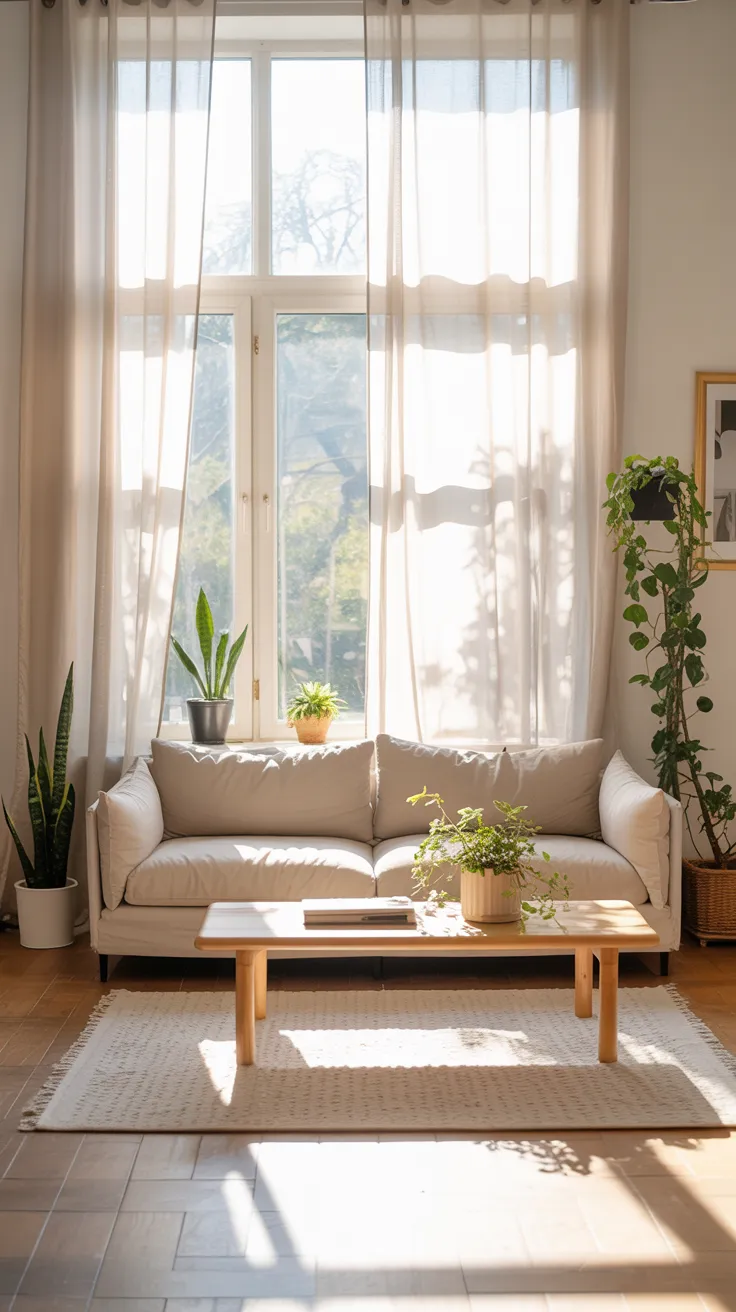
Here’s a designer trick that never fails: your sofa should take up roughly two-thirds of the wall length it’s facing, not the whole wall and not a third of it. A sofa that hogs the entire wall feels heavy and cramped, while one that’s too small looks like it’s floating awkwardly in empty space.
This ratio works because it leaves visual breathing room on either side for lamps, plants, or a side table. Next time you’re comparing options, measure your wall first, multiply by 0.66, and use that number as your width target instead of eyeballing it.
3. Know Your Standard Sofa Size Categories
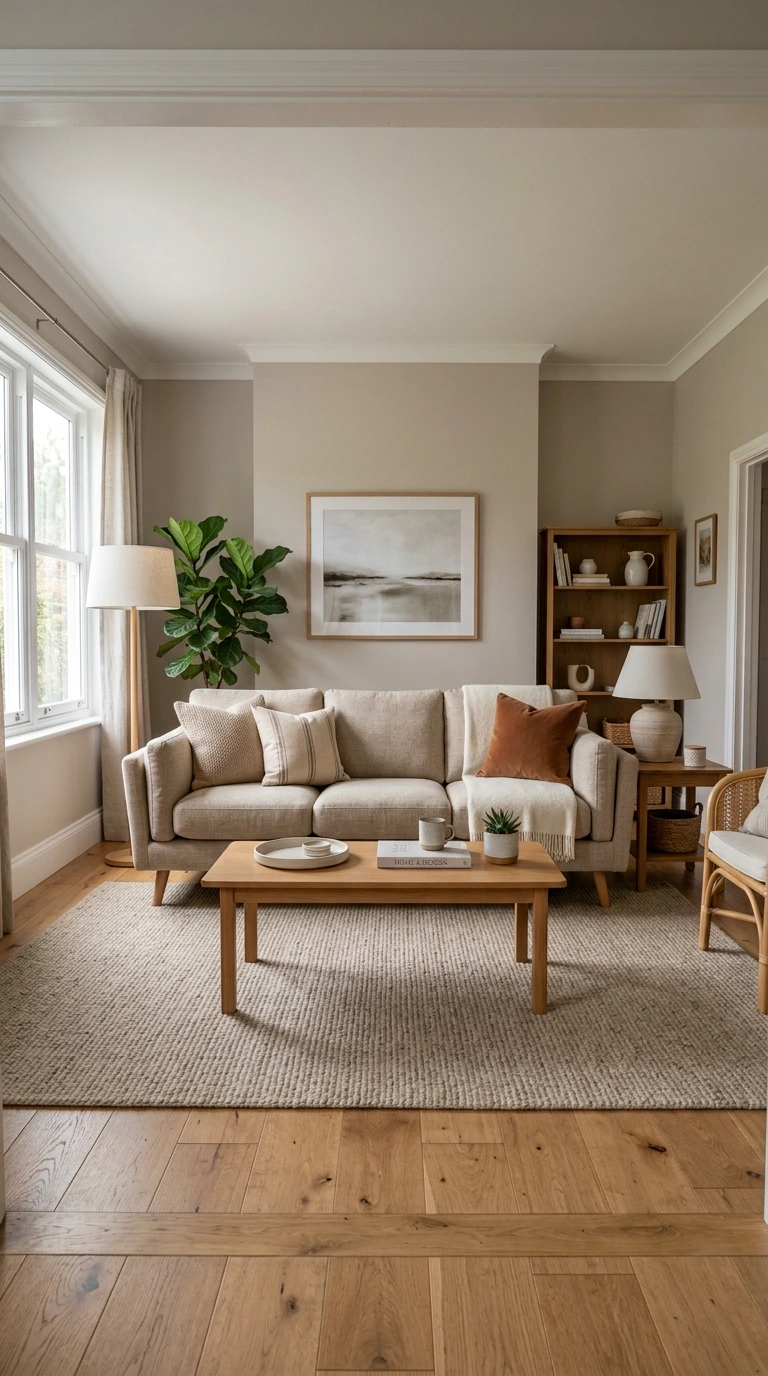
Not all “medium” sofas are actually medium. Manufacturers stretch these labels constantly, so knowing rough dimensions ahead of time helps you shop smarter and avoid surprises at checkout.
Keep this table handy while browsing, but always double check the exact listing since brands vary quite a bit even within the same category.
4. Leave Enough Walkway Clearance
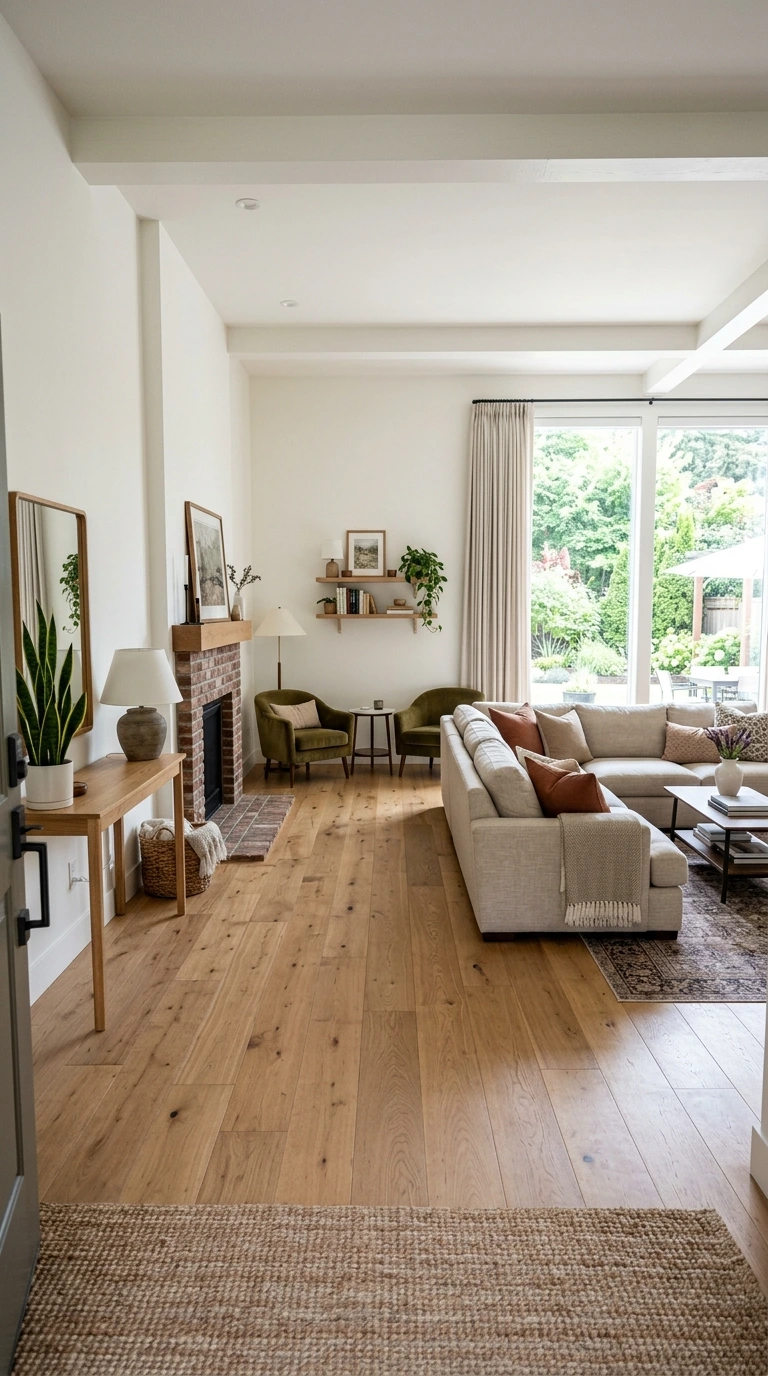
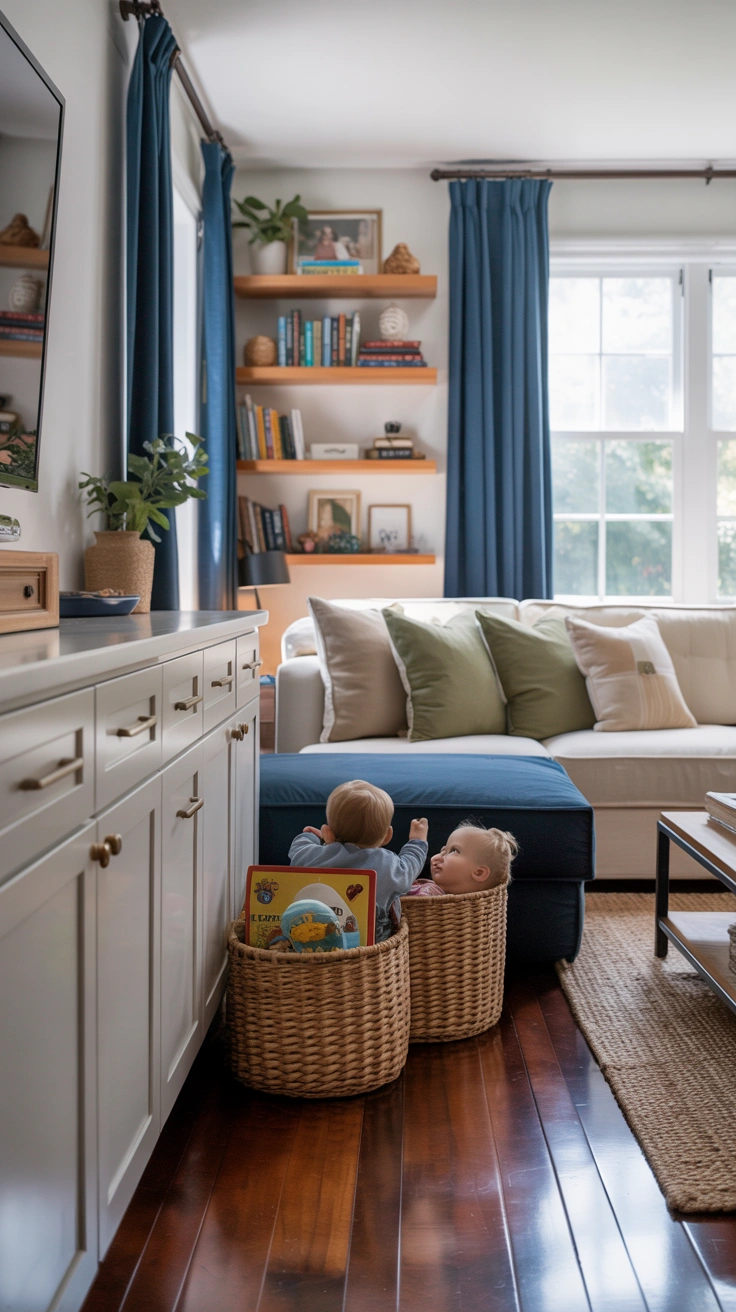
A sofa doesn’t just sit there — people have to walk around it every day without bumping into arms or corners. Leave at least 30 to 36 inches for main walkways between the sofa and any other furniture or wall.
Anything tighter starts to feel like an obstacle course, especially in homes with kids, pets, or frequent guests. If your room is genuinely tight, prioritize a narrower sofa over a wider one so the walkway stays comfortable rather than squeezing the clearance down to nothing.
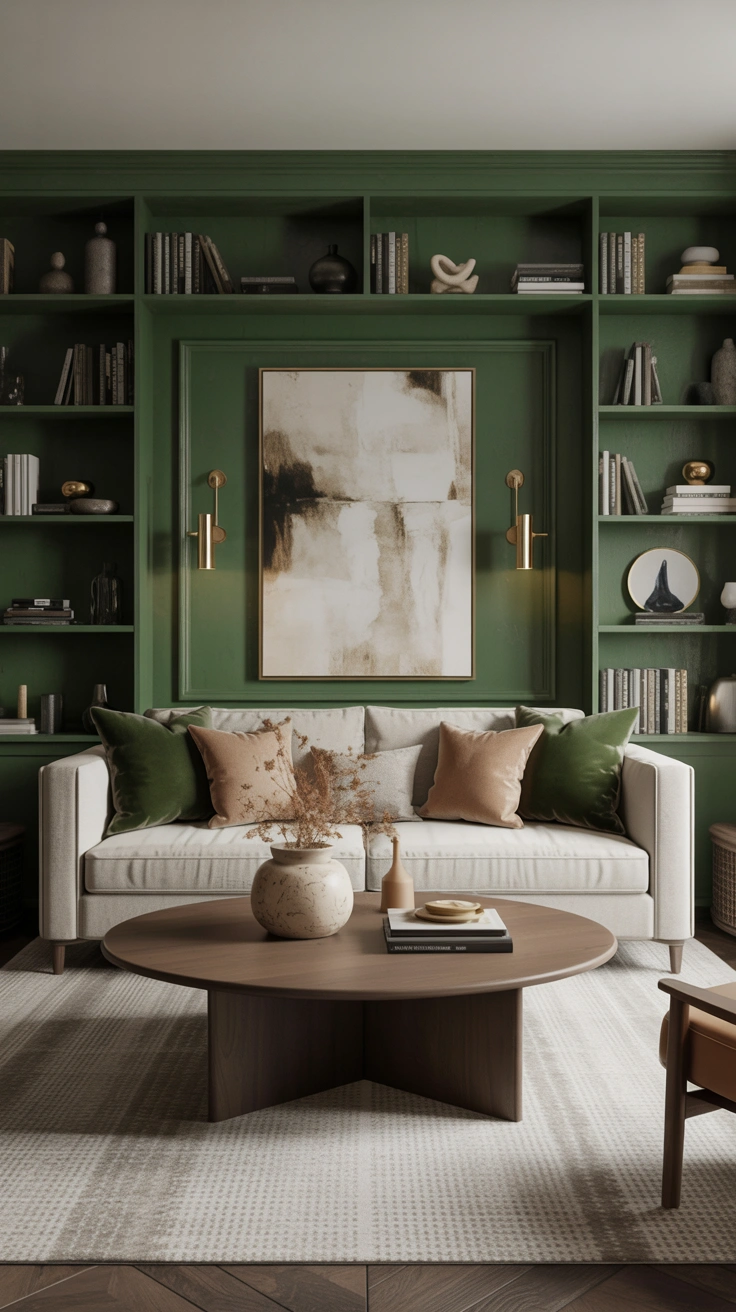
5. Keep Proper Distance From The Coffee Table
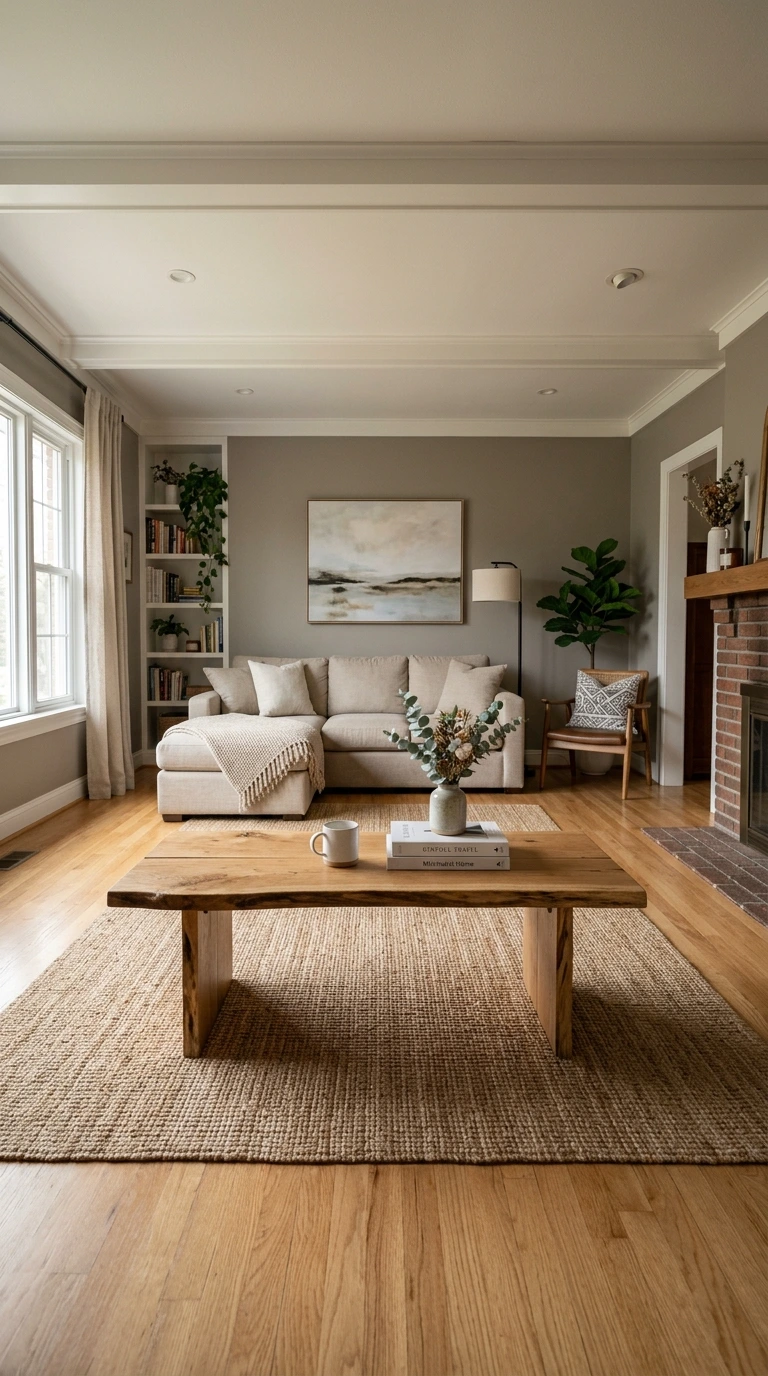
Keep about 16 to 18 inches between the sofa’s edge and the coffee table. This distance gives enough legroom to sit comfortably while still keeping drinks, remotes, and books within easy reach.
Can you get away with less in a tiny apartment? Sure, but don’t go below 14 inches or you’ll be doing an awkward shuffle every single time you stand up. This small gap makes a bigger difference in daily comfort than most people expect.
6. Match Seat Depth To How You Actually Sit
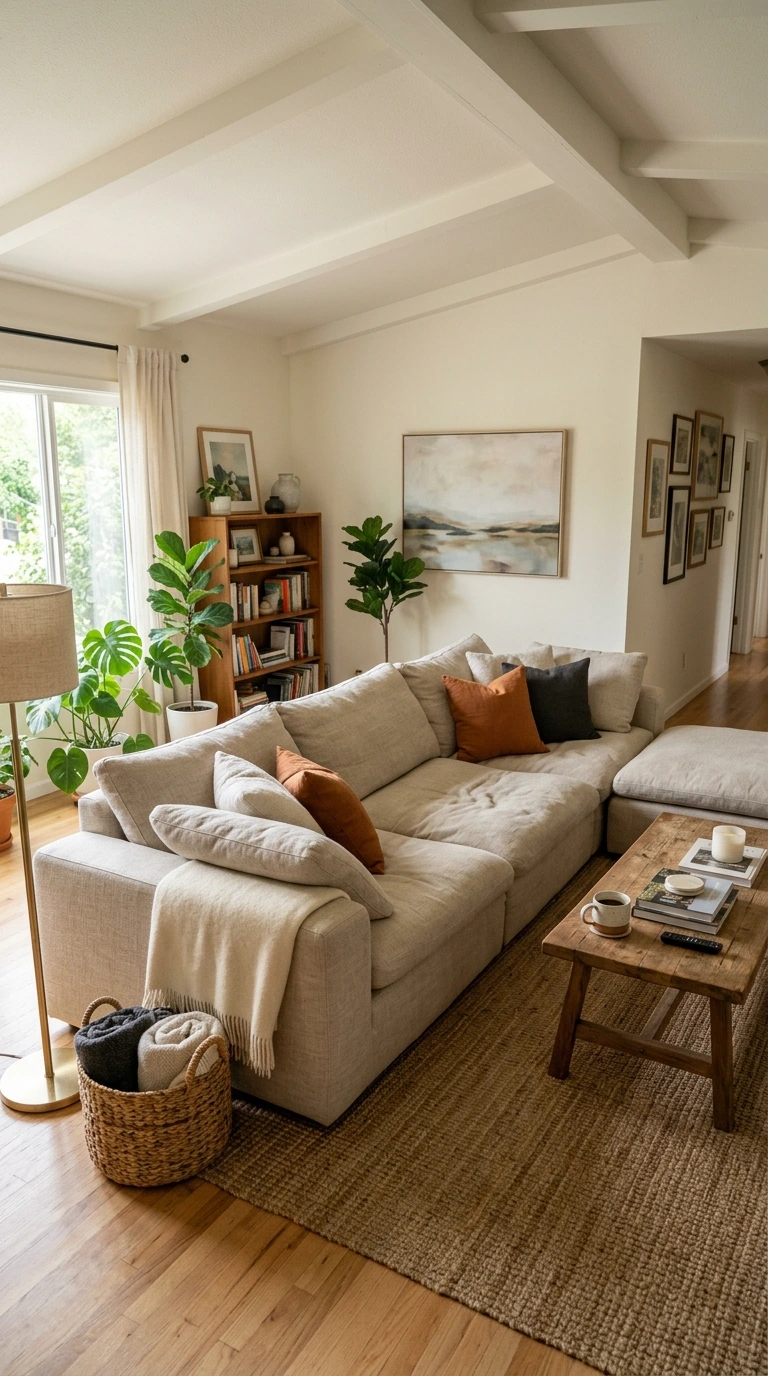
Seat depth gets overlooked constantly, yet it’s one of the most important comfort factors in the entire decision. A depth of 21 to 24 inches works well for upright, everyday sitting, while deeper seats around 26 inches or more suit people who love to curl up or lounge for hours.
Taller folks generally prefer more depth for proper leg support, so test the depth in person whenever possible rather than trusting the spec sheet alone. A sofa can look perfectly sized on paper and still feel wrong once you actually sit down.
7. Count How Many People Actually Sit Here
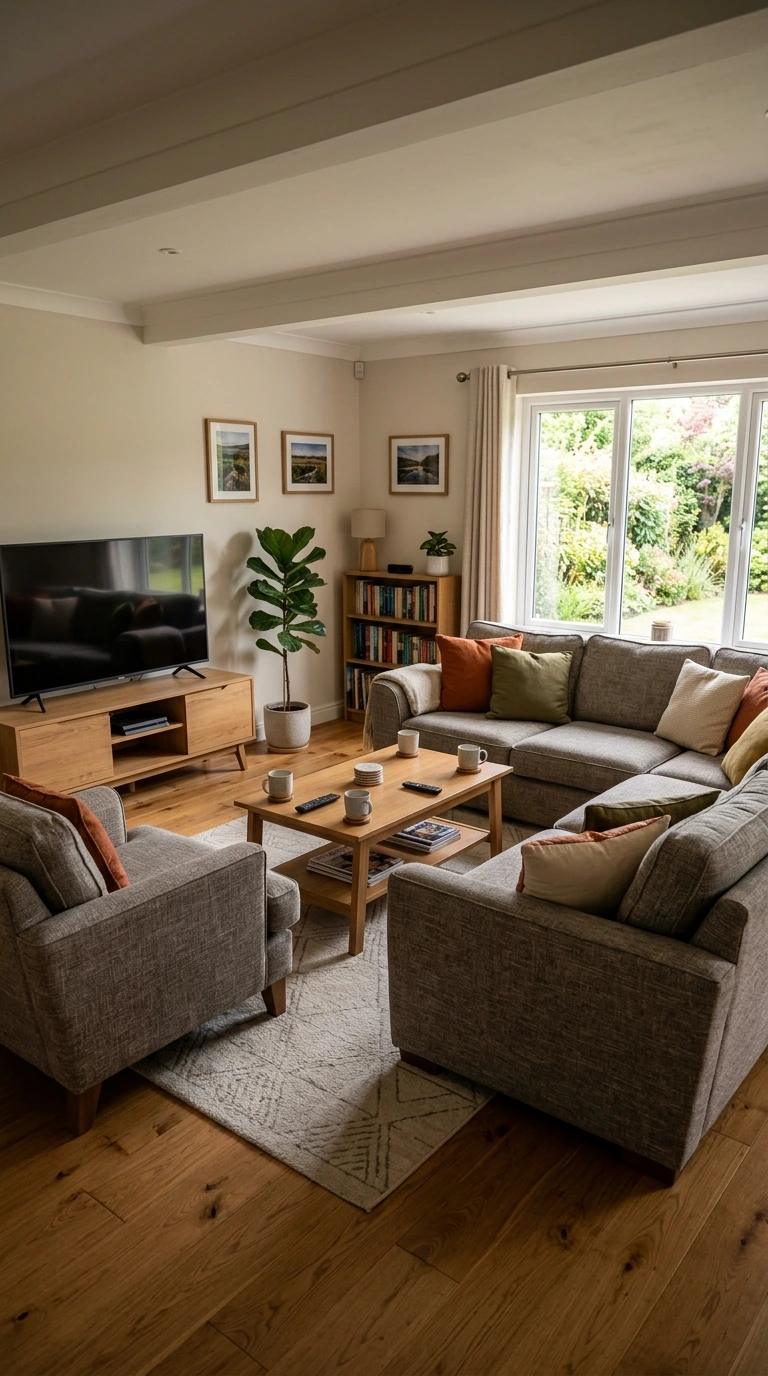
Do you host movie nights weekly, or is it usually just you and a cat curled up on one cushion? Your lifestyle should shape the size decision just as much as the room dimensions do.
If you frequently have four or more people gathered to watch TV, a standard three-seater probably won’t cut it, and you’ll want to size up toward a sectional or a sofa paired with accent chairs. Be honest about your actual routine rather than the imaginary version where guests show up every weekend.
8. Go Small With Loveseats For Compact Spaces
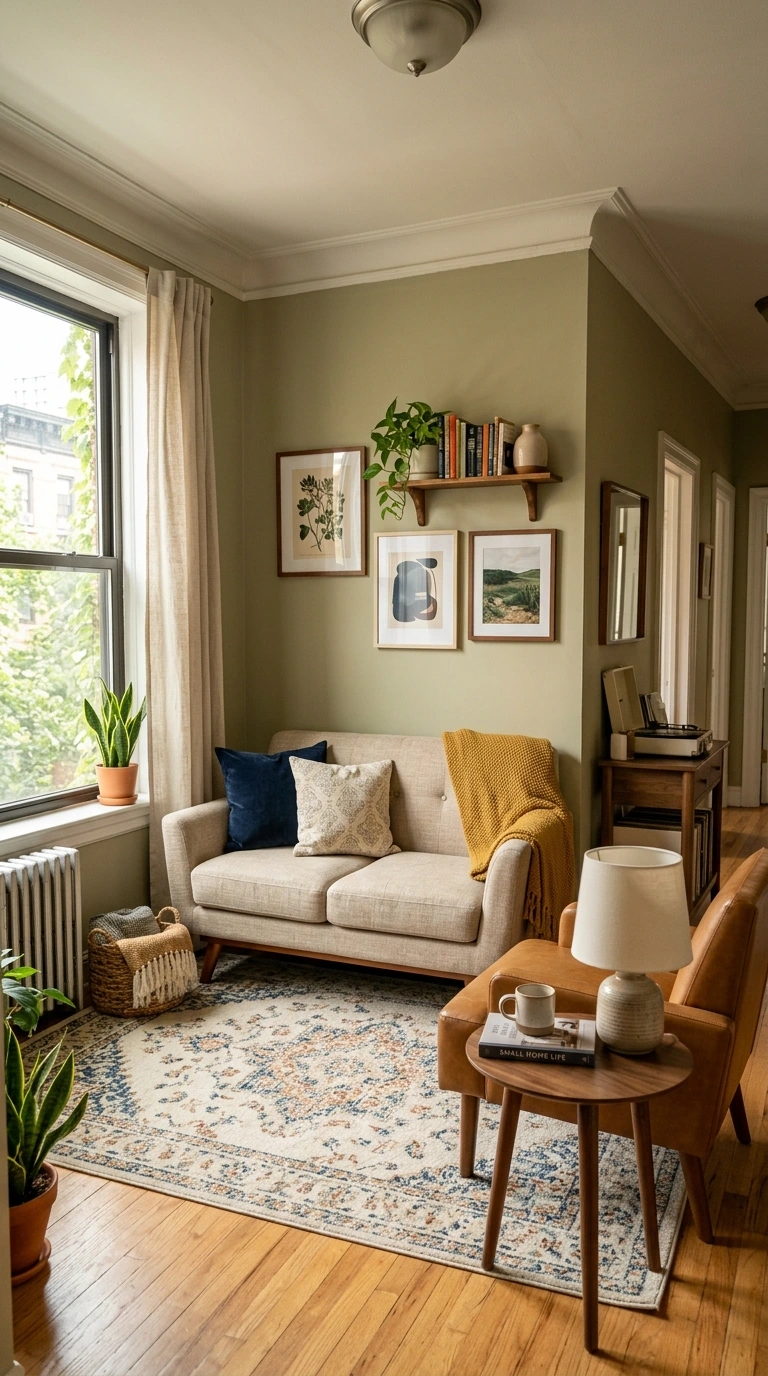
If it’s mainly one or two people using the room, a loveseat or compact standard sofa keeps things open and airy instead of overwhelming a small footprint. These typically run 60 to 72 inches wide, making them ideal for studio apartments or secondary living spaces.
Loveseats also pair beautifully with an accent chair, giving you flexible seating without eating up the whole wall. This combo often looks more intentional than a single oversized sofa crammed into a snug room.
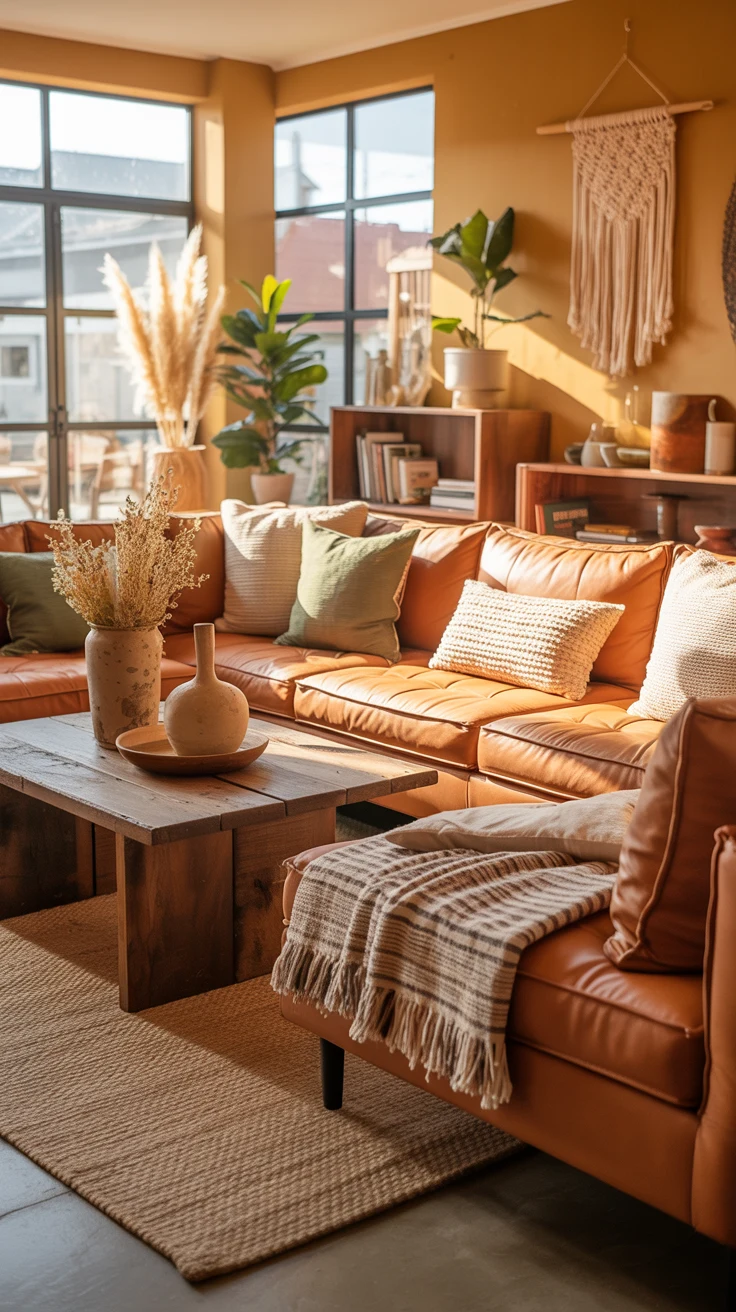
9. Go Big With Sectionals For Families And Frequent Hosts
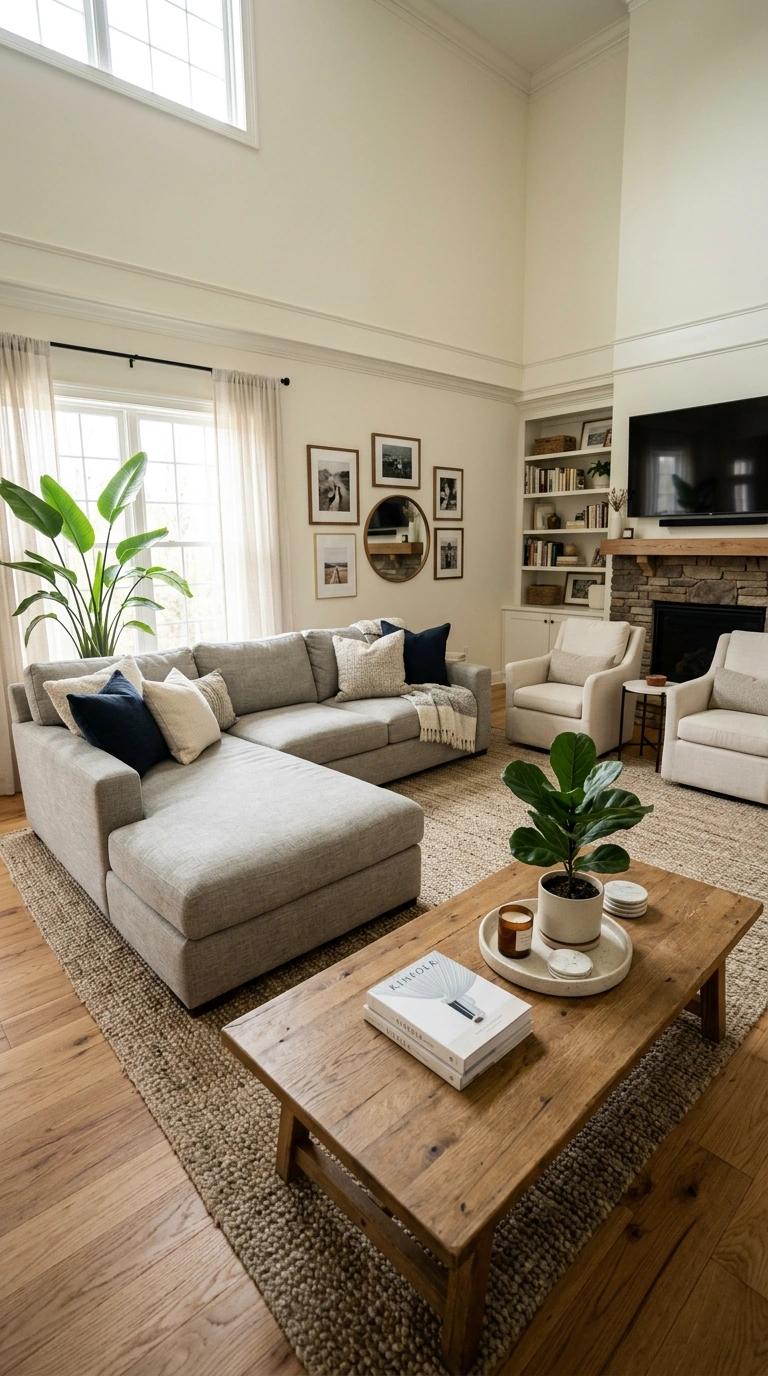
For families or anyone who regularly hosts a crowd, a sectional handles multiple sitters without cramming everyone shoulder to shoulder. These pieces range widely, from compact 75-inch layouts to sprawling 150-plus inch configurations for larger rooms.
Just remember that sectionals need generous floor space to avoid blocking walkways, so measure carefully before falling for that L-shaped beauty online. A chaise section especially adds extra depth that’s easy to forget when eyeballing dimensions.
10. Check Ceiling Height Before Choosing Back Height
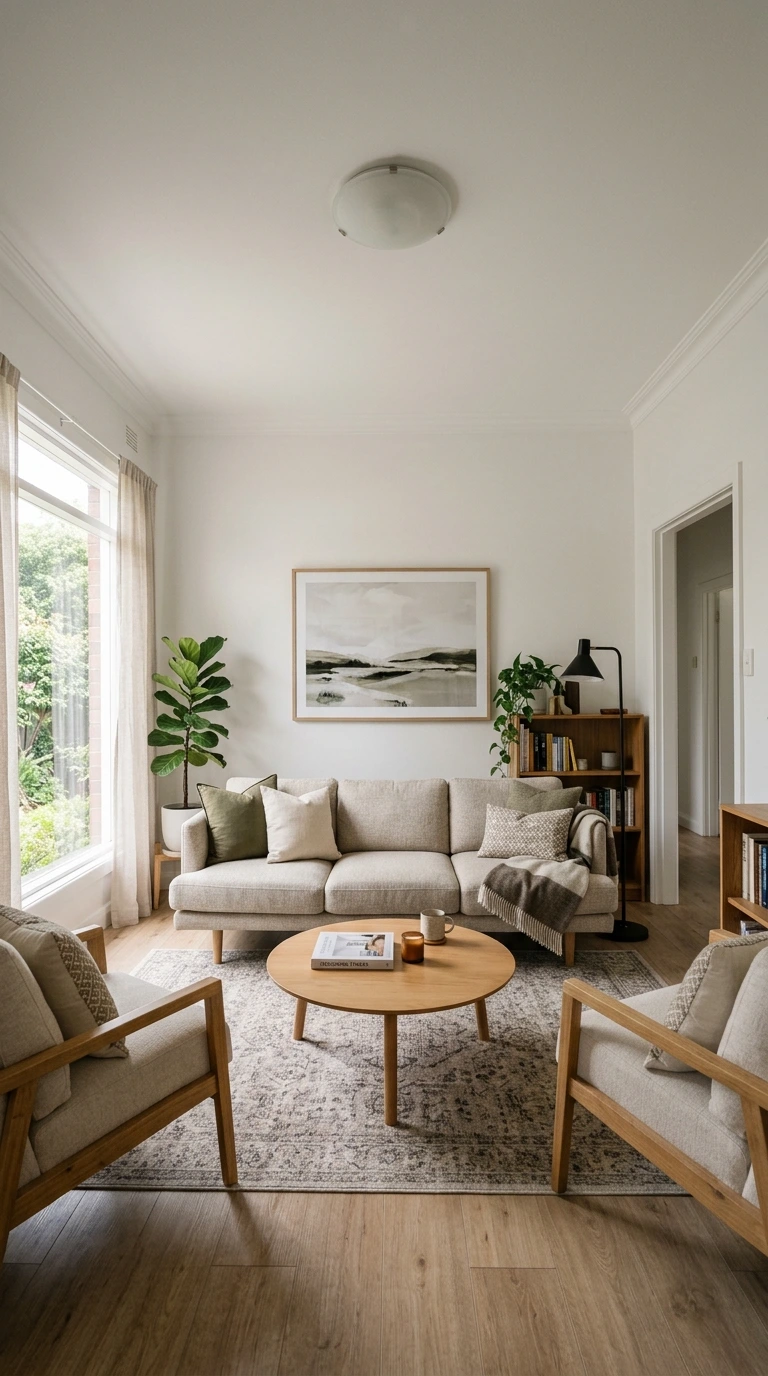
Low ceilings pair better with lower-back sofas, since a tall sofa back in a short room can make the whole space feel squeezed and top-heavy. Measure your ceiling height alongside your wall length so you’re shopping with the full picture in mind.
Rooms with higher ceilings, on the other hand, can comfortably support taller sofa backs and even taller side tables or lamps without throwing off the proportions. Getting this balance right makes a huge visual difference that’s easy to underestimate.
11. Measure Doorways And Hallways For Delivery
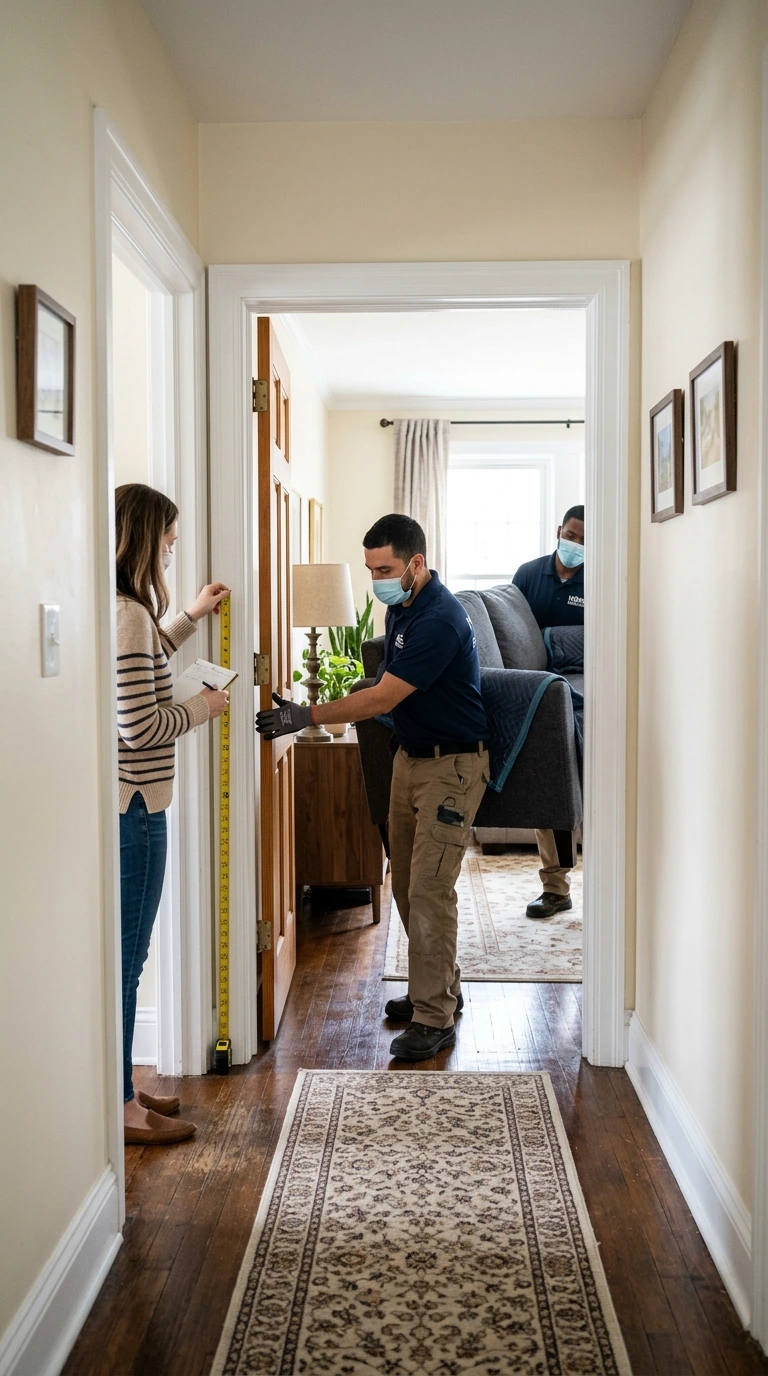
Here’s a mistake that trips up even experienced shoppers: buying the perfect sofa that simply cannot make it through the front door. Measure every doorway, hallway turn, and staircase the sofa needs to pass through before finalizing anything.
Nothing stings more than a beautiful sofa getting sent back because it couldn’t clear a hallway corner. Many sectionals and sofas come with removable legs or backs specifically to make tight deliveries easier, so ask about that option if your access is limited.
12. Check Elevator Dimensions In Apartments
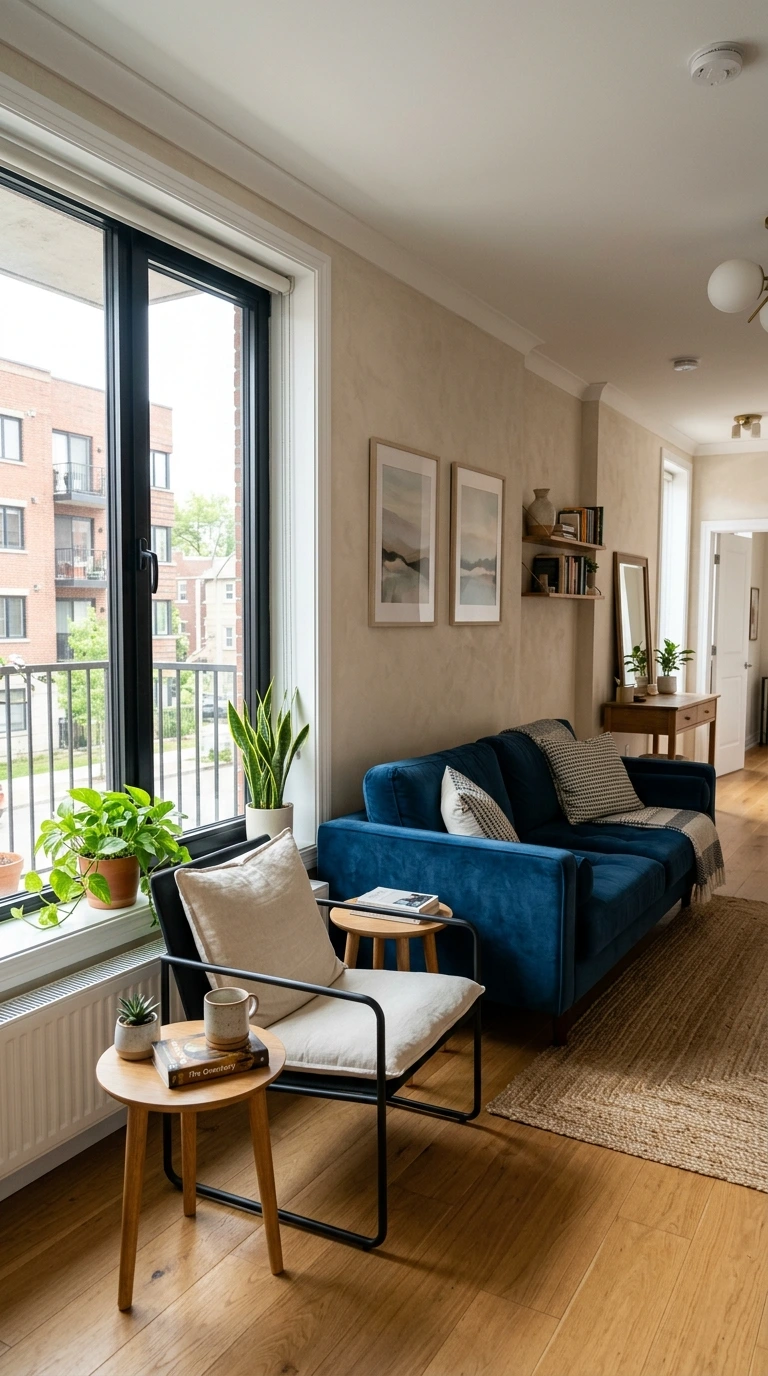
If you live in a building with an elevator, measure the interior height, width, and depth of the elevator cab before ordering anything large. This step gets skipped constantly, and it’s a heartbreaker when a gorgeous sofa gets stuck at the lobby.
Some buildings also have weight limits or freight elevator requirements for bulky furniture, so it’s worth a quick call to your building management. A five-minute phone call now saves a very frustrating delivery day later.
13. Test The Footprint With Painter’s Tape
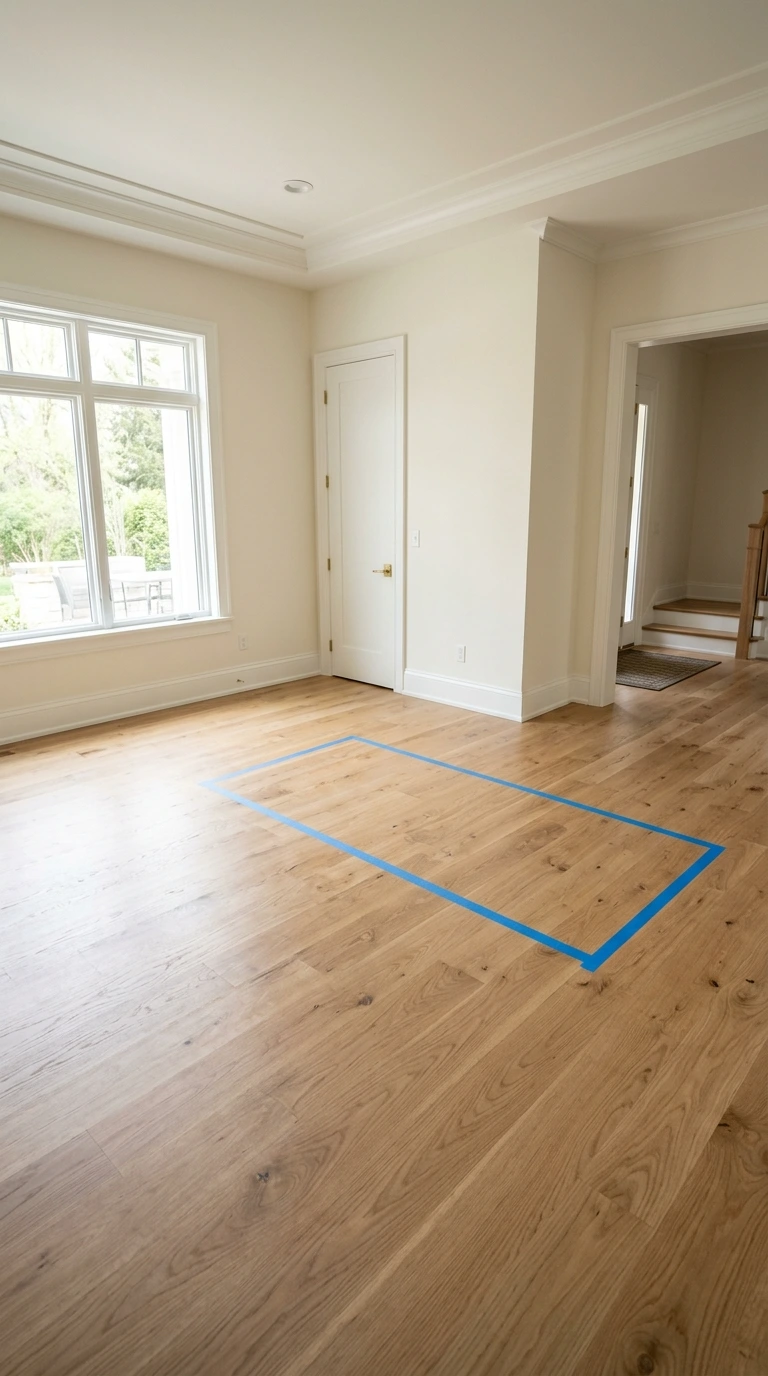
Once you’ve narrowed things down, tape it out — literally. Use painter’s tape to outline the sofa’s exact footprint on your floor, matching the width and depth you’re considering.
Live with that outline for a few days and walk around it like the furniture is already there. This simple trick catches sizing mistakes before they become expensive ones, and it’s honestly a game changer for visualizing scale in a real room rather than just imagining it.
14. Factor In How Sofa Style Shifts The Numbers
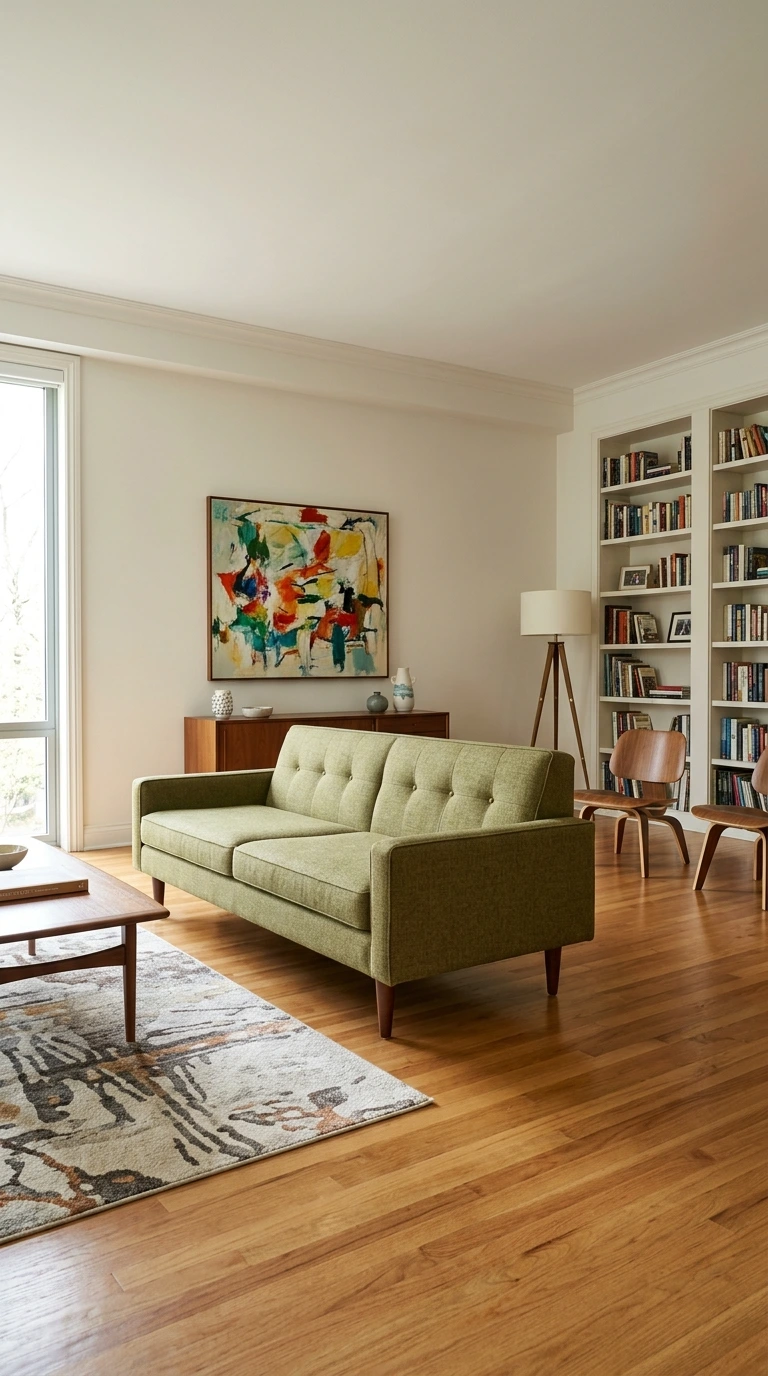
Different sofa styles carry different visual proportions, even at the “same” width. Mid-century modern sofas run slim and fit tight corners well, while casual, oversized styles prioritize comfort but eat up more square footage than their measurements might suggest.
Farmhouse-style sofas tend to balance large frames with a more modest visual footprint, making them a flexible middle ground. Keep this in mind when comparing two sofas with similar width but wildly different presence in the room.
15. Account For Your Room’s Shape, Not Just Its Size
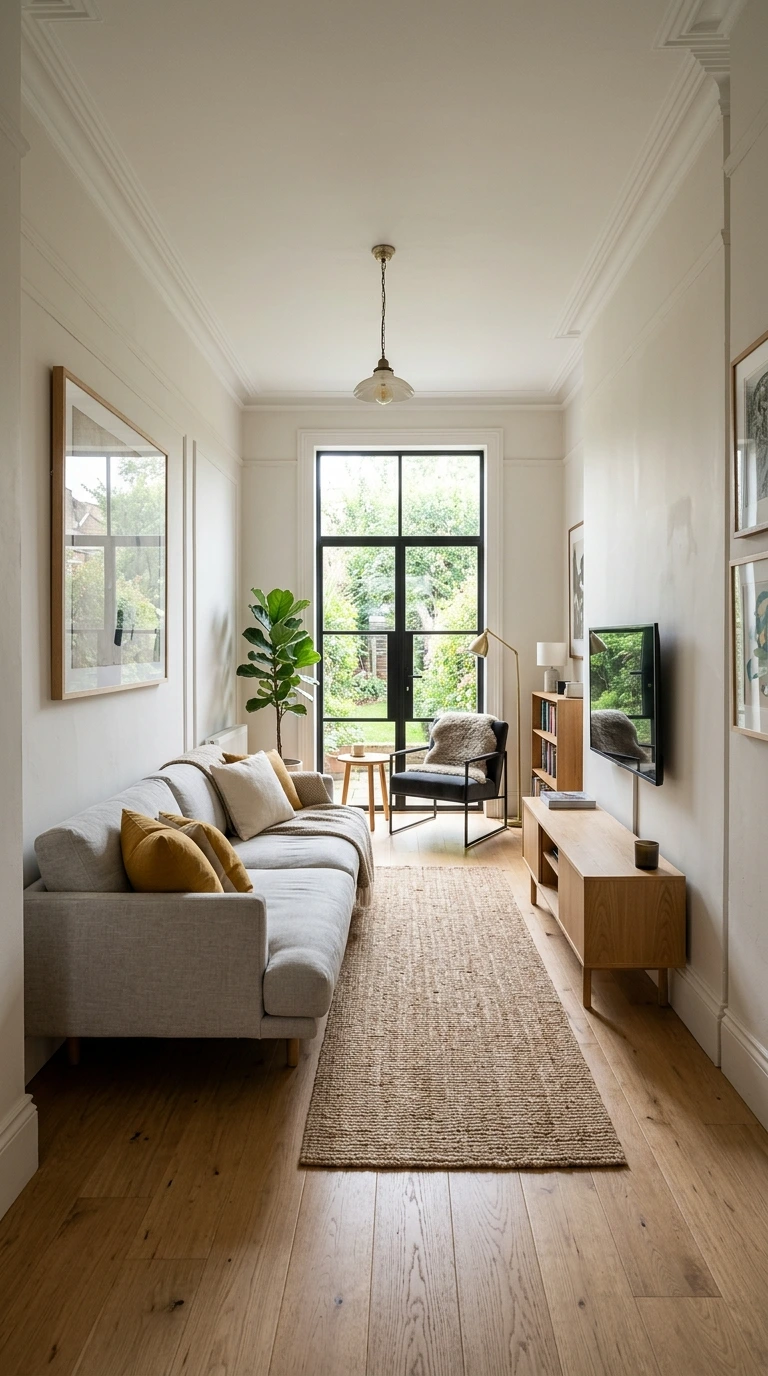
A long, narrow living room needs a very different approach than a square one, even if the total square footage is identical. In narrow rooms, a low-profile sofa placed against the longer wall usually keeps sightlines open and traffic flowing smoothly.
Square rooms have more flexibility and can often handle a sectional or an L-shaped layout without feeling boxed in. Sketch your room’s actual shape on paper before shopping so you’re picturing the real space instead of a generic rectangle.
16. Balance Sofa Size With Other Furniture
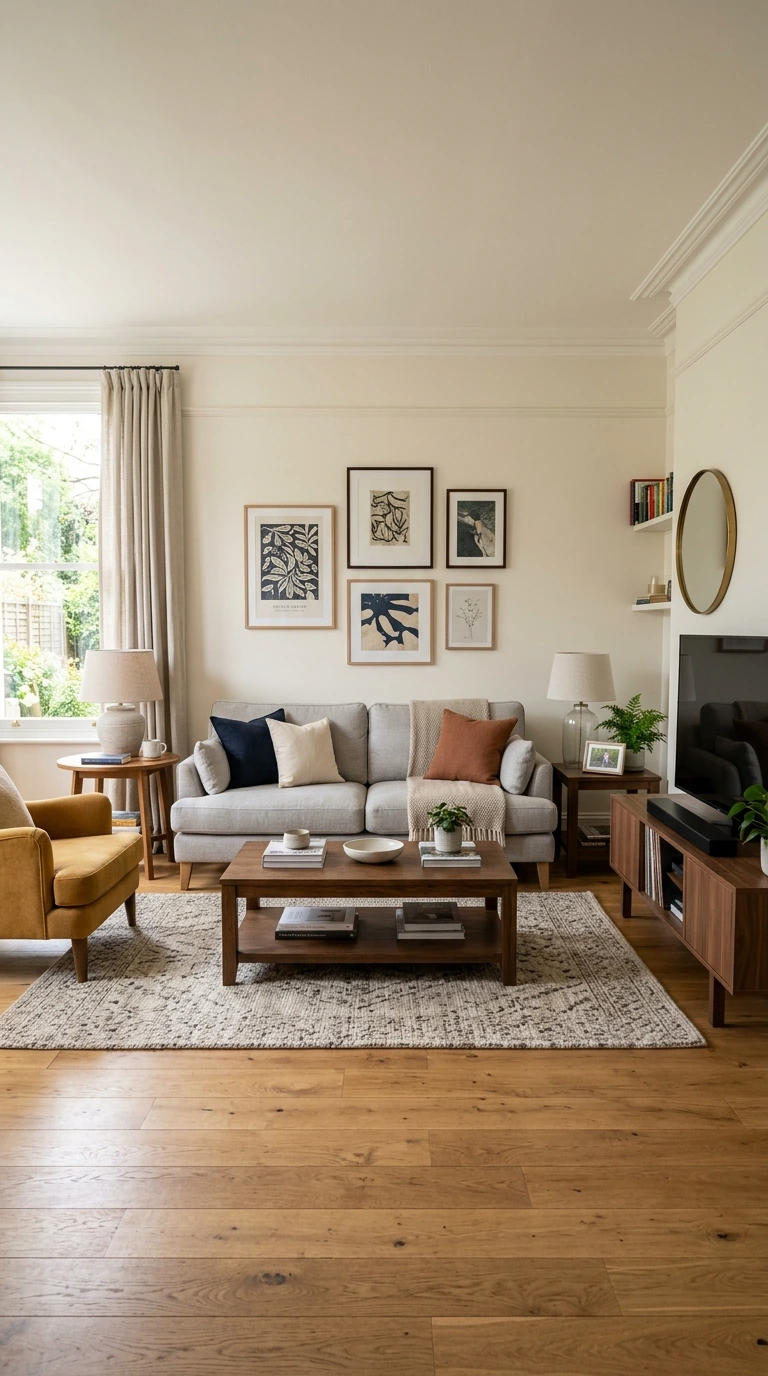
A sofa never lives alone — it shares the room with a coffee table, side tables, maybe a media console or accent chairs. Measure the footprint of everything else you plan to keep before deciding how large the sofa itself can be.
If the total size of your sofa and coffee table takes up too much of the free floor area, the whole room can start to feel smaller than it actually is. Leave breathing room around the group rather than pushing every piece as large as it can go.
17. Think About Future Flexibility With Modular Options
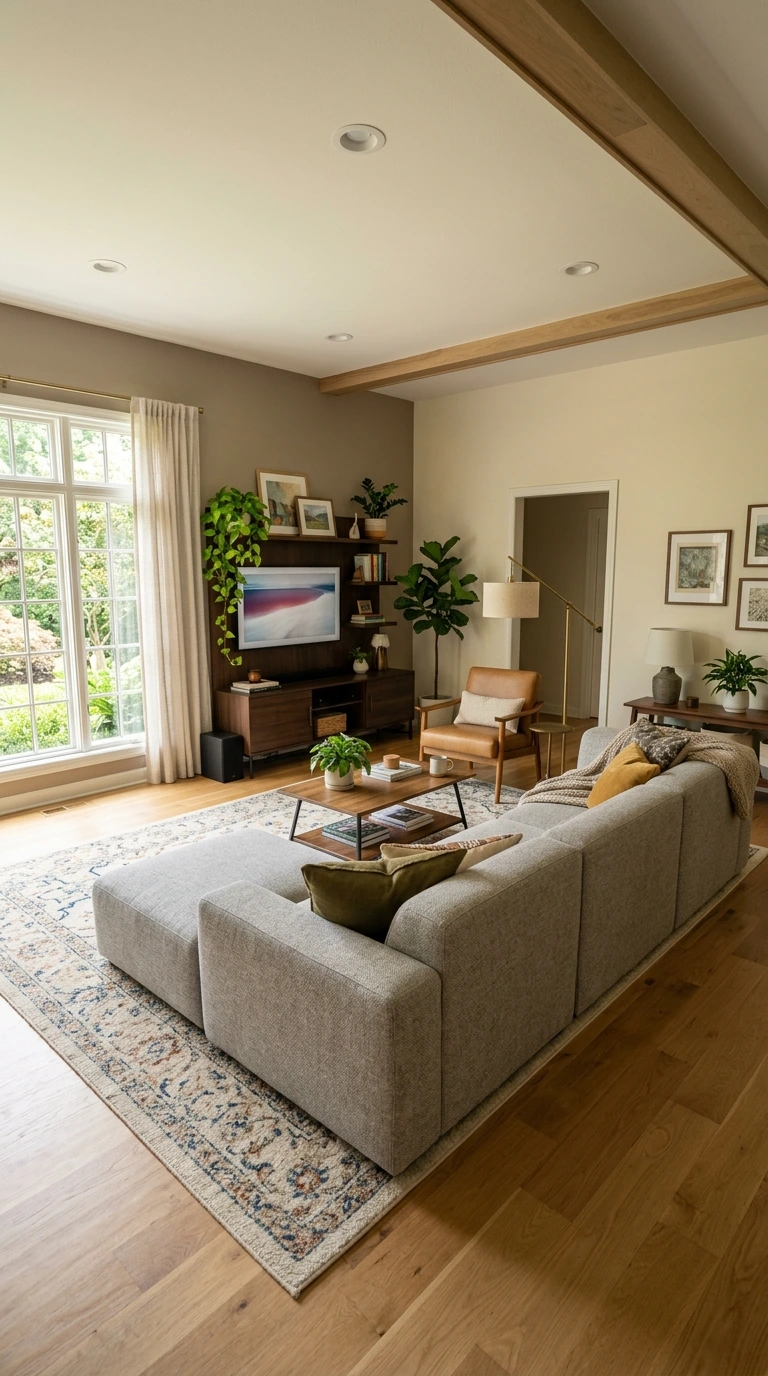
Modular sofas let you rearrange or expand the configuration later, which is a smart move if you’re not 100% sure how your space will be used long term. These pieces come in individual sections that can form an L-shape, a straight line, or even split into two smaller sofas.
This flexibility is especially handy for first apartments or homes where you expect to move again in a few years. Instead of committing to one fixed size, you keep the option to reconfigure as your room or your needs change.
18. Trust Your Daily Habits Over Trends
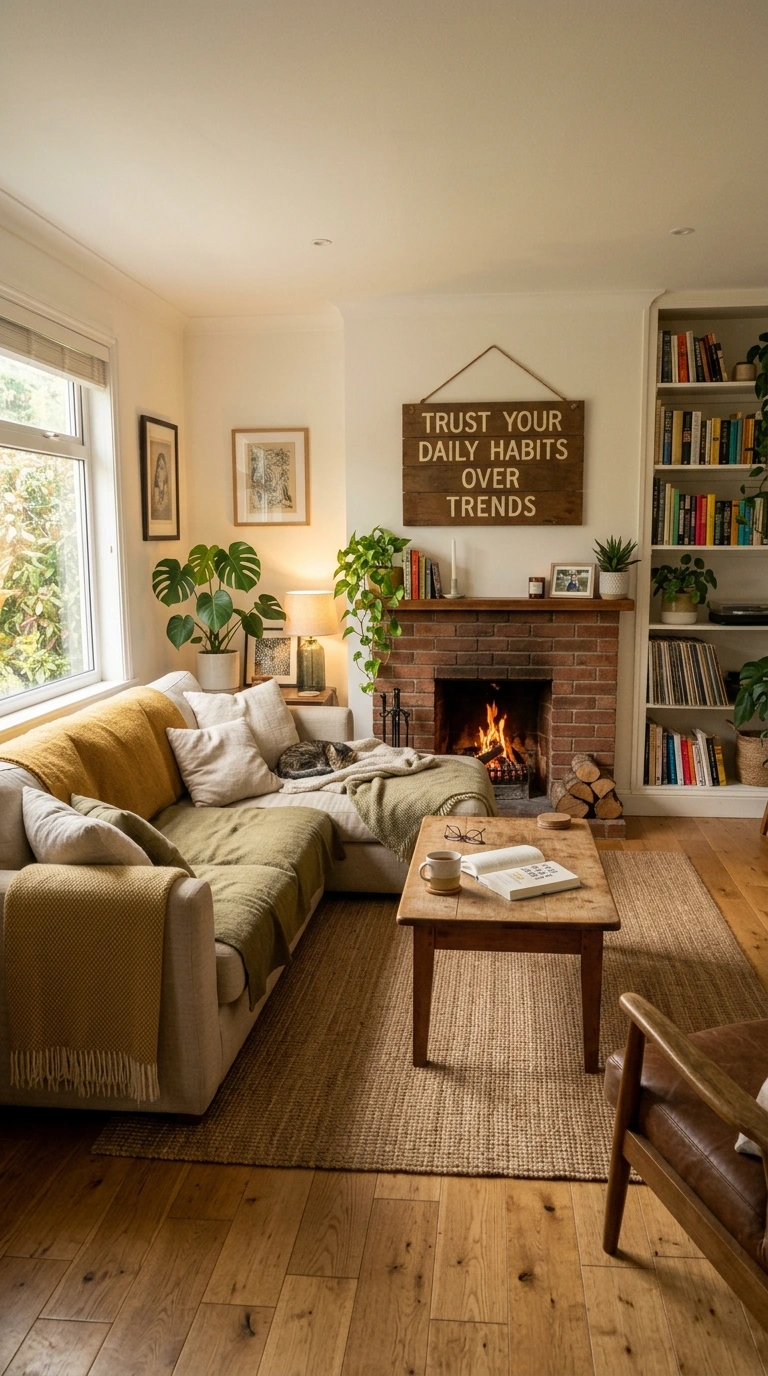
At the end of the day, the trendiest sofa shape means nothing if it doesn’t match how you actually live. If you love to nap on the couch, prioritize a length at least as long as you are tall rather than chasing a specific aesthetic.
Nearly half of furniture buyers regret their sofa purchase, and sizing mistakes are consistently the main reason why. Skip the guesswork, trust the measurements you’ve taken, and let your real routine guide the final call instead of what looks good in a catalog photo.
Frequently Asked Questions
1. What size sofa fits a small living room?
For a small living room, aim for a sofa under 75 inches wide. Loveseats and compact standard sofas usually work best while still leaving comfortable walkway space.
2. How much space should be between a sofa and a coffee table?
Keep roughly 16 to 18 inches between the sofa and the coffee table. This distance gives enough legroom while keeping everything within easy reach.
3. Should a sofa take up the whole wall?
No, a sofa should generally cover about two-thirds of the wall it faces. Filling the entire wall makes the room feel heavier and less balanced.
4. How do I know if a sectional will fit my room?
Measure your room’s length and width, then mark the sectional’s footprint on the floor with tape before buying. Small sectionals fit rooms around 75 to 85 inches wide, while larger rooms can handle 120-plus inch layouts.
5. What seat depth is most comfortable for a sofa?
Most people find 21 to 24 inches comfortable for everyday upright sitting. If you love lounging or napping on the couch, look for depths of 26 inches or more.
6. How do I make sure my new sofa fits through the door?
Measure your front door, hallway turns, and staircases before ordering. If access is tight, ask about sofas with removable legs or backs for easier delivery.
Conclusion
Choosing the right sofa size for your living room really comes down to measuring your actual space, respecting clearance zones, and being honest about how you live day to day. Skip the guesswork, tape out the footprint, and always double check that delivery path before you swipe that card.
Your living room deserves a sofa that fits like it was made for the space, not one that fights it for room. Now go grab that tape measure — your future self, mid-movie-night, will thank you.