
Platform Bed vs. Traditional Bed Frame: Which is Right for Your Bedroom?
Introduction
Shopping for a bed frame should be simple, but the moment you start comparing options, the choices multiply fast. Platform bed vs traditional bed frame is one of the most common crossroads, and it’s easy to feel stuck — one side promises sleek minimalism and no box spring, the other promises a classic look and familiar comfort. Both are everywhere, both claim to be the “better” choice, and the marketing rarely tells you which one fits your actual life.
The truth is that neither option is universally better. Platform beds and traditional bed frames solve different problems, and the right one depends on your mattress, your storage needs, your budget, and how you actually use your bedroom. A platform bed can be perfect in a small apartment and a terrible pick for someone who needs under-bed storage. A traditional frame can look stunning in a classic bedroom and feel unnecessarily tall and fussy in a minimalist one.
This guide walks through fifteen head-to-head comparisons — from mattress compatibility and cost to noise, storage, and style — so you can decide with confidence. By the end, you’ll know exactly which frame belongs in your bedroom, and why.
1. What Exactly Counts as a Platform Bed?

A platform bed is a bed frame with a built-in solid or slatted base that supports your mattress directly, no box spring required. The base sits on legs or a plinth and holds the mattress at a fixed height, which is typically lower than a traditional setup. Most platform beds use wooden slats spaced a few inches apart, though some use a solid panel or a grid of flexible slats. The result is a clean, low-profile silhouette that defines the modern bedroom look.
The defining feature is the elimination of the box spring. Your mattress rests directly on the platform surface, so the whole sleep system is shorter, simpler, and usually lighter. Platform beds come in wood, metal, and upholstered versions, ranging from ultra-minimal Japanese-inspired frames to storage models with drawers built into the base. If the mattress sits on slats or a solid deck instead of a springy foundation, you’re looking at a platform bed.
2. What Exactly Counts as a Traditional Bed Frame?

A traditional bed frame is the classic setup most of us grew up with: a headboard, footboard, and side rails that cradle a box spring, which in turn holds the mattress. The frame’s job is mostly structural and decorative — the box spring provides the actual support surface. This layered system stacks the mattress noticeably higher off the floor, giving traditional beds their familiar tall, inviting profile.
Traditional frames span every style from rustic farmhouse wood to tufted upholstered headboards to ornate metal designs. Because the box spring does the heavy lifting for support, the frame itself can be lighter in construction while still looking substantial. The space between the floor and the box spring — often six to ten inches — becomes bonus storage real estate for bins, suitcases, or whatever needs a home. If there’s a box spring between the frame and the mattress, you’re in traditional territory.
3. Mattress Support: How Each One Holds Your Mattress

Support is where the two designs genuinely differ in engineering. A platform bed supports your mattress across closely spaced slats or a solid deck, distributing weight evenly along the mattress’s underside. Most manufacturers recommend slats no more than three inches apart; wider gaps can let the mattress sag between them, especially with memory foam. Many platform beds also include a center support rail with legs, which is non-negotiable for queen and king sizes.
A traditional frame relies on the box spring to be the support surface. The frame’s rails and crossbars simply hold the box spring level; the spring unit itself absorbs weight and provides the flat plane your mattress rests on. This means the support quality of a traditional setup depends heavily on the condition of the box spring — an old, sagging box spring will undermine even a brand-new mattress. Replace the box spring and the whole system feels new again, without replacing the frame.
💡 Pro Tip: Whatever style you choose, run your hand across the support surface before you buy. On a platform bed, the slats should feel firm and evenly spaced; on a traditional frame, the box spring should lie flat with no dips. Five seconds of checking saves years of uneven wear.
Platform Bed vs Traditional Bed Frame Quick-Start Checklist
- ✅ Measure your mattress first — frame size must match exactly (twin, full, queen, king).
- ✅ Check your mattress type: memory foam and latex love platforms; most innersprings work with either.
- ✅ Decide on box spring: platform beds skip it, traditional frames require it (budget the extra cost).
- ✅ Measure your ceiling and doorway clearances — tall headboards and box springs don’t bend around corners.
- ✅ Sit-test the height: you want your feet flat on the floor with knees at a right angle.
- ✅ Count your storage needs: if under-bed storage is essential, a tall traditional frame wins.
- ✅ Check the slat spacing rule (under 3 inches) before ordering any platform bed.
4. Cost Comparison: Upfront Price and Long-Term Value

Platform beds usually win on upfront cost, and the reason is simple arithmetic: you skip the box spring entirely. A decent platform bed in queen size often costs less than a traditional frame plus a box spring combined, because you’re buying one piece instead of two. Budget platform beds are among the cheapest sleep solutions available, while high-end upholstered platforms can climb into premium territory — the range is wide.
Traditional frames can look cheaper at first glance until you add the box spring, which typically adds a meaningful chunk to the total. A basic metal frame plus a box spring can still come in under a midrange platform bed, but once you move into solid wood or upholstered traditional frames with quality box springs, the total often exceeds the platform equivalent. Long-term value also favors whoever replaces fewer parts: platform owners replace one piece, traditional owners may replace box springs every several years while keeping the frame.
For the rest of the room, a bedroom makeover on a budget goes further when the bed itself costs less — freeing money for bedding, lighting, and the pieces people actually notice.
5. Mattress Compatibility: Which Mattresses Work with Each
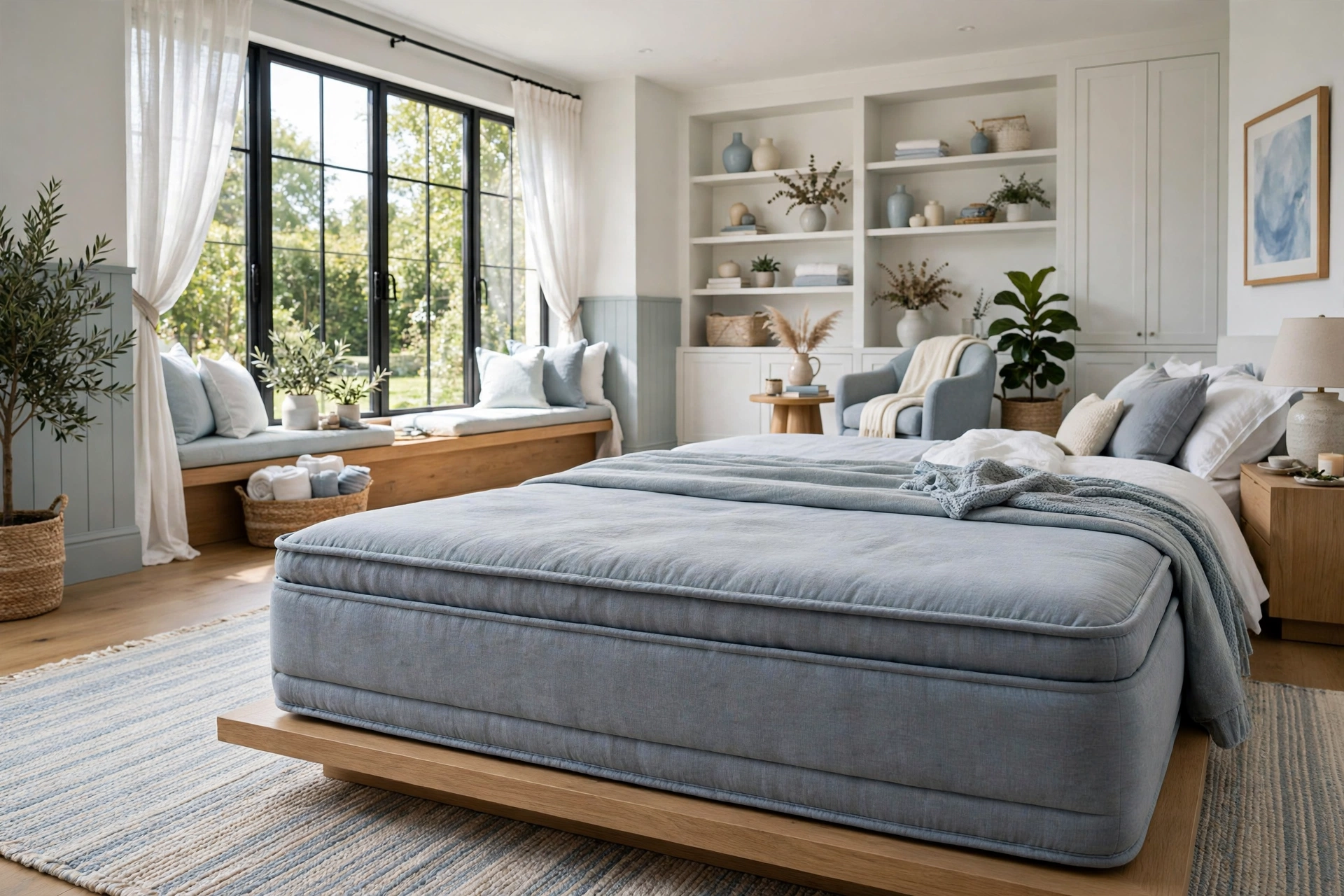
This is the comparison that actually decides for many shoppers, because getting it wrong can void a mattress warranty. Memory foam, latex, and hybrid mattresses need a firm, flat, evenly spaced support surface — which makes platform beds with tight slats an ideal match. Many foam mattress makers explicitly require slats no more than three inches apart or a solid base, and a platform bed meets that spec out of the box.
Traditional frames with box springs pair beautifully with classic innerspring mattresses, which were designed to sit on springy foundations. Put a modern all-foam mattress on an old flexible box spring, though, and you can get uneven support that shortens the mattress’s life. Some warranties even specify the required foundation type, so check the fine print on your mattress before committing to a frame style.
⚠️ Warning: Never assume your existing mattress works with the frame you’re eyeing — check the mattress manufacturer’s foundation requirements first. The most common buyer’s regret in this whole debate is discovering a voided warranty months after the purchase.
Quick Comparison: Platform Bed vs Traditional Bed Frame by Key Factor
6. Style and Aesthetics: Modern Minimalism vs Classic Warmth

Platform beds own the modern aesthetic. Their low, clean lines fit minimalist, Scandinavian, Japandi, and contemporary bedrooms perfectly, and the low profile makes ceilings feel higher and rooms feel calmer. A simple wood platform bed can anchor a whole room without visually weighing it down, which is why designers reach for them in small and bright spaces. Upholstered platform versions soften the look for transitional bedrooms.
Traditional frames own the classic aesthetic. A tall tufted headboard or a carved wooden frame brings warmth, formality, and a sense of occasion that low platforms rarely match. They suit farmhouse, traditional, and glam bedrooms where the bed is meant to be the star. The extra height also makes bedding display beautifully — layered throws and stacked pillows look fuller on a taller bed. If your dream bedroom reads “cozy hotel suite,” a traditional frame usually gets you there faster, especially when the bed is styled for a hotel-like look.
7. Storage: Under-Bed Space and Hidden Drawers
Under-bed storage is the traditional frame’s superpower. The gap between floor and box spring easily fits rolling bins, flat luggage, or a vacuum-sealed bag of off-season clothes. Six to ten inches of clearance across a queen or king is a serious amount of hidden storage, and it costs nothing extra. If your bedroom has a small closet, this space genuinely changes how the room functions.
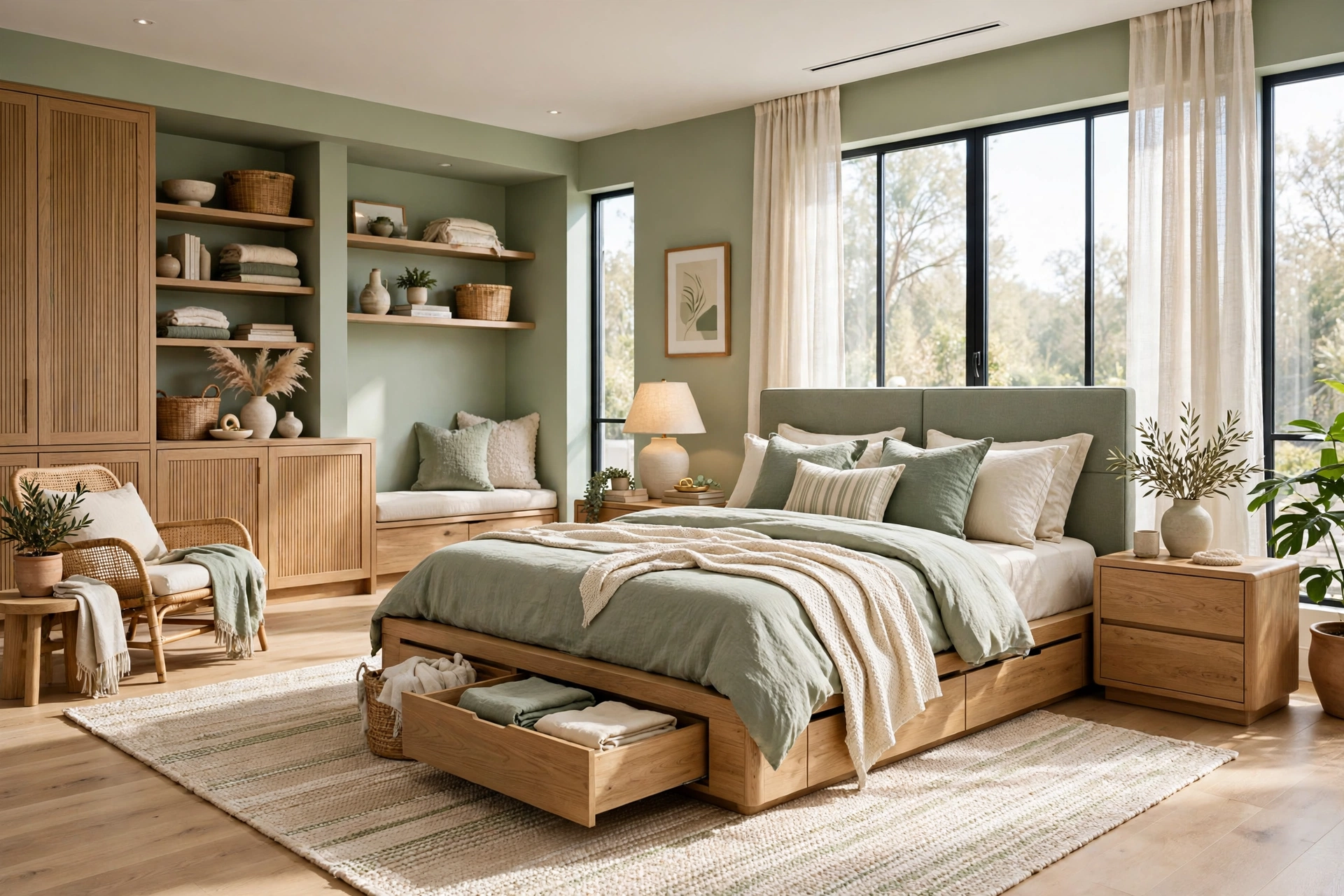
Platform beds sit much lower, so under-bed space is minimal or nonexistent — but many platform models fight back with built-in drawers in the base. These drawers are organized, dust-free, and easier to access than sliding bins under a tall frame, though they add cost and the bed becomes much heavier to move. Captain’s-style platform beds with drawers on both sides are the storage champions of the platform world. Choose based on what you actually store: bins and suitcases favor the tall traditional gap; organized drawers favor the platform.
📌 Important: Built-in drawer platforms add 50 to 100 pounds to the bed’s weight. If you move often or rearrange furniture regularly, the storage advantage can become a moving-day nightmare.
8. Bed Height: Getting In and Out Comfortably
Bed height affects daily comfort more than most shoppers expect. Traditional setups stack frame, box spring, and mattress into a tall surface — often 28 to 34 inches from the floor to the top of the mattress. For taller adults, this is luxurious: you sit down and stand up with ease, no knee strain. For shorter adults, kids, or anyone with mobility issues, the same height can feel like climbing onto a stage.
Platform beds sit low, typically 18 to 24 inches to the top of the mattress. The low profile suits shorter sleepers and creates that grounded, zen feeling minimalists love. But the low height can strain knees and backs for taller or older sleepers, and getting out of bed requires more effort. The simple test: sit on the edge and check that your feet rest flat on the floor with your knees roughly at hip level. Whichever style passes that test for the people sleeping in it is the right height.
9. Durability and Weight Capacity
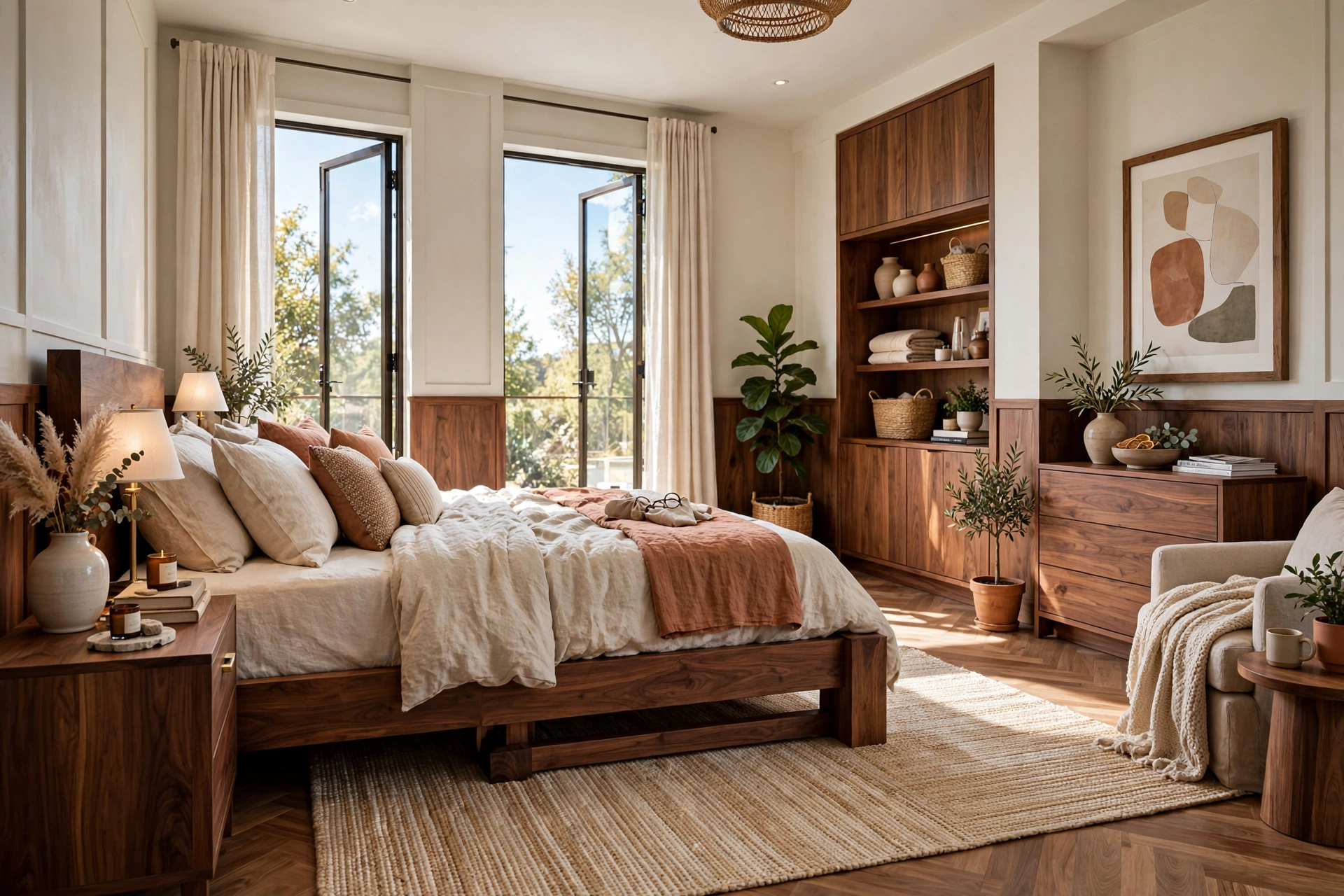
Solid wood platform beds are famously sturdy. With fewer parts — no box spring to compress, no tall rails to stress — there’s less to break down. A well-built platform bed with a center support rail can handle heavy mattresses and heavier sleepers for years, and the weight sits low to the ground, which keeps the whole structure stable. Cheap particleboard platforms are the exception: they can crack at the joints under heavy use.
Traditional frames vary more. A solid hardwood traditional frame can last decades, but the box spring is the weak link — it compresses, sags, and typically needs replacing every several years under daily use. Metal frames can bend at the welds if overloaded. When comparing durability, judge the whole system: the best traditional frame still needs a healthy box spring, while the best platform bed stands alone.
10. Noise and Squeaking Over Time

Nobody thinks about squeaking until 2 a.m. Platform beds are generally quieter because they have fewer moving parts and no springs under the mattress. A solid platform with tight joints stays silent; any noise usually traces back to loose bolts, which a quick tightening fixes. The mattress-on-deck design means there’s simply less to shift and creak.
Traditional setups have more noise sources: the frame joints, the box spring’s internal springs, and the contact point where the box spring meets the frame rails. Over time, metal frames can develop an unmistakable creak, and an aging box spring adds its own chorus. Felt pads, tightened bolts, and a quality box spring keep things quiet, but the platform starts with an inherent advantage. Light sleepers and anyone sharing a bed with a restless partner will notice the difference.
11. Assembly, Moving, and Flexibility

Platform beds usually assemble faster — fewer pieces, no box spring to wrestle. Many arrive in one or two boxes with straightforward slat systems, and a single person can often manage assembly in under an hour. Moving a basic platform bed is equally simple: it breaks down flat and weighs relatively little, at least for non-drawer models.
Traditional frames add steps and bulk. The frame assembles like a platform, but then you must maneuver a full-size box spring up stairs, around corners, and through doorways — a two-person job that tests friendships. Split box springs help with tight spaces, but they add cost. On the flexibility side, traditional frames win one round: you can refresh the whole bed’s support and feel by replacing just the box spring, while a platform bed’s feel is what it is. Frequent movers usually prefer platforms; long-term settlers won’t mind the traditional system’s bulk.
12. Airflow, Allergens, and Dust Control
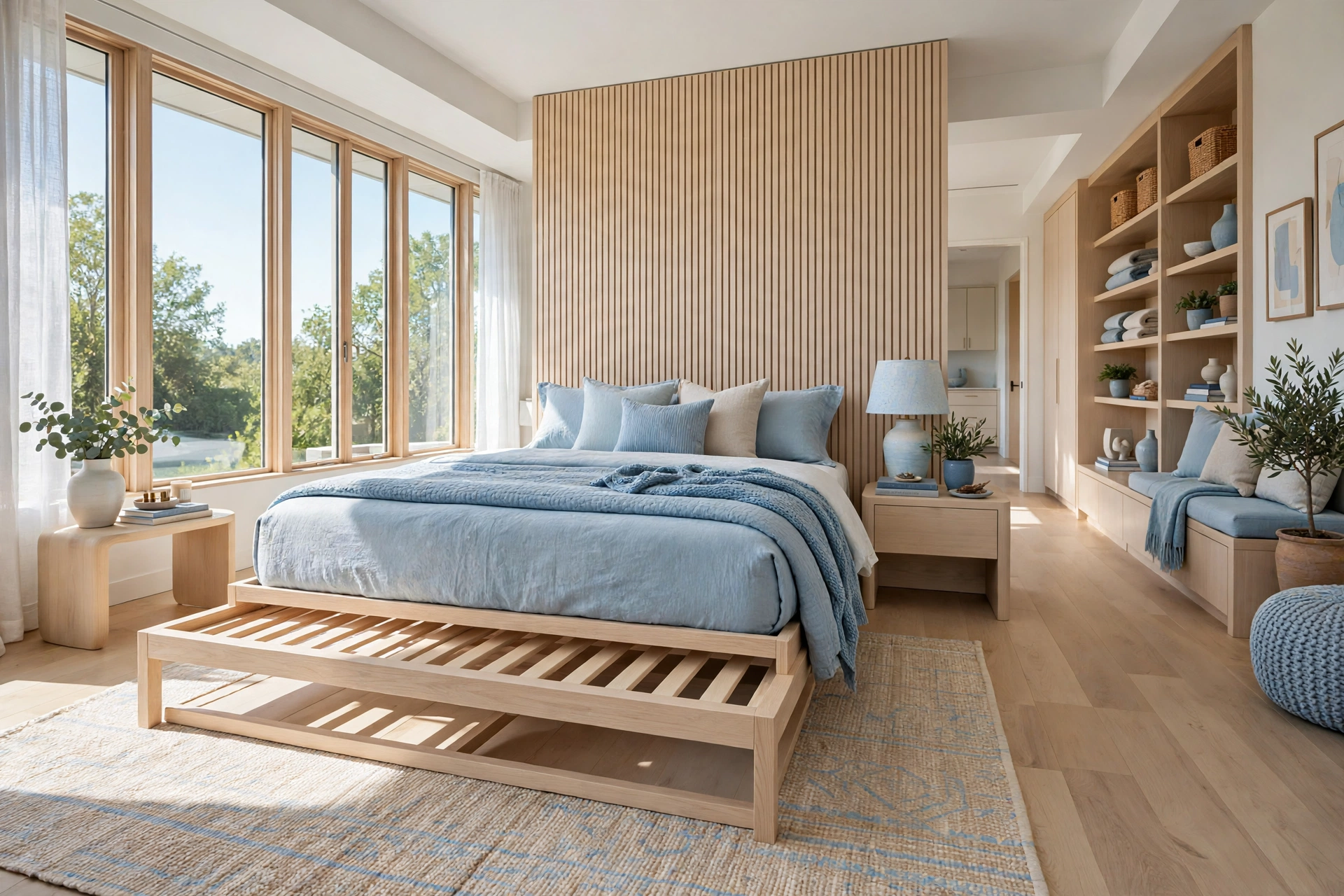
Airflow matters more than you’d think for mattress health. Platform beds with slatted bases let air circulate under the mattress, which helps moisture evaporate and discourages mold and mildew — a real plus in humid climates. Solid-deck platforms offer less airflow but still beat an old box spring that has absorbed years of dust.
Traditional setups trap more dust. The enclosed space under a box spring collects dust bunnies, and the box spring’s fabric cover is a known allergen haven that’s hard to clean. Allergy sufferers often do better with a platform bed’s open slats and wipeable surfaces. Either way, vacuum under the bed regularly and use a mattress protector — but if allergies drive your decision, the platform has the edge. Keeping the whole room easy to clean supports the calm, breathable feel of a true sleep sanctuary bedroom.
13. Which Is Better for Small Bedrooms?
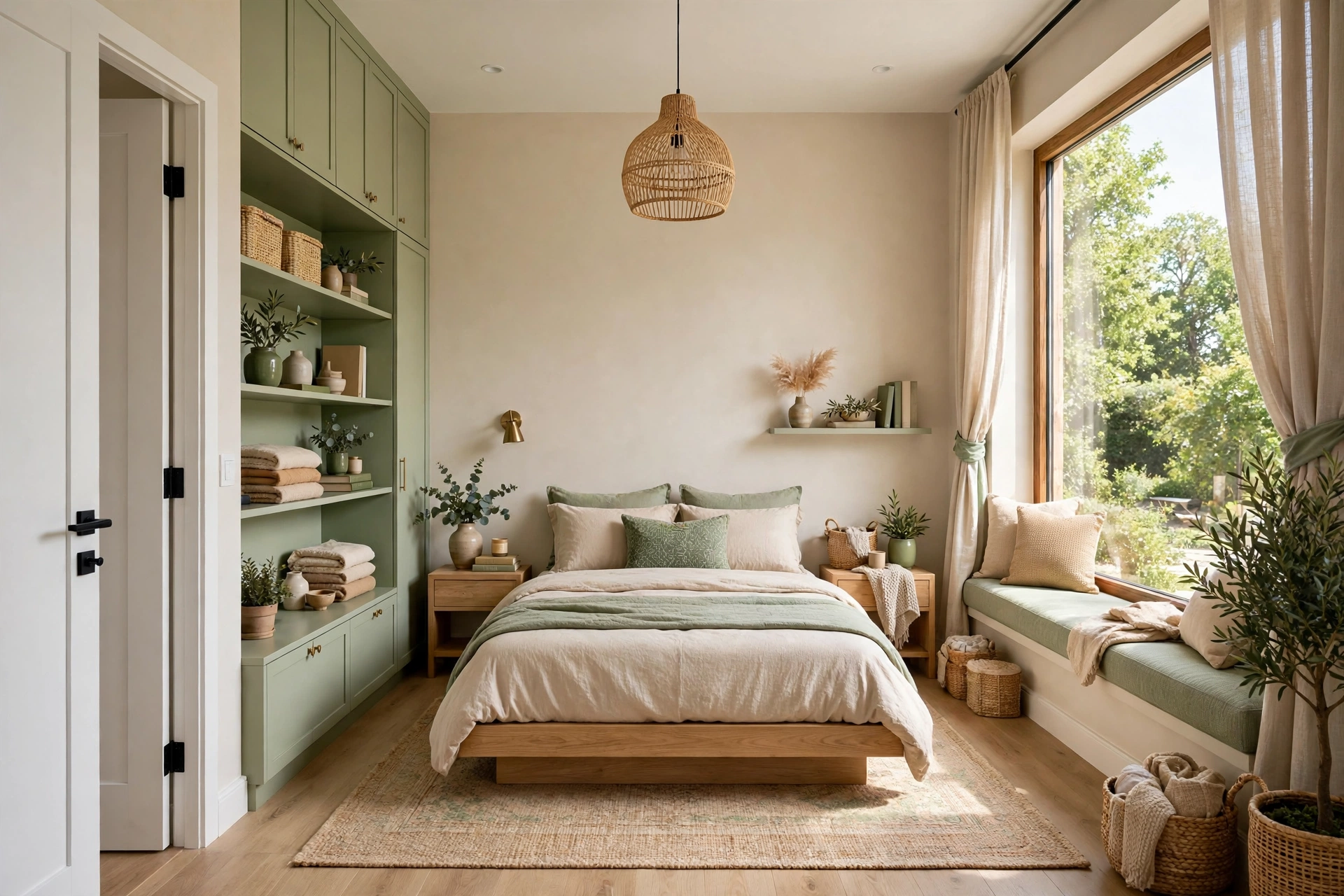
Small bedrooms reward low, simple furniture, which gives platform beds a natural advantage. A low-profile platform bed makes walls feel taller and the room feel bigger — the visual effect is immediate. The clean lines avoid the visual clutter of a tall headboard plus box spring plus footboard, and every inch of visual calm counts in a tight room. Pair a platform bed with the right layout tricks and even a compact room can feel genuinely spacious.
That said, small bedrooms also need storage, and a tall traditional frame’s under-bed gap is free storage you can’t get from a basic platform. The smart compromise: a storage-drawer platform bed gives you the low visual profile plus organized drawers — the best of both worlds for small rooms, if your budget stretches. When floor space is tight, also review how to make a small bedroom feel bigger before you decide; the frame is one piece of a bigger strategy.
💡 Pro Tip: In rooms under 120 square feet, choose the lowest-profile platform bed you can find and skip the footboard entirely. The uninterrupted floor line makes the biggest visual difference of any single furniture choice.
14. Which Is Better for Your Sleep Style?

Your sleep position adds a useful tiebreaker. Back and stomach sleepers need firm, even support to keep the spine aligned, and a platform bed’s flat, rigid surface delivers exactly that. Side sleepers do well on either, as long as the mattress itself has enough pressure relief — the frame matters less than the mattress here. Combination sleepers who change positions often appreciate the stable, non-bouncy feel of a platform.
Couples should weigh motion transfer: a platform bed’s rigid base doesn’t amplify movement, while a traditional box spring can add a slight bounce that transmits a partner’s tossing. Heavier sleepers and those with back pain often prefer the unyielding support of a platform with a firm mattress. If you’re still unsure, your mattress type is the real deciding vote — foam and latex point to platforms, classic innersprings point to traditional, and the frame should follow the mattress.
15. The Final Verdict: Which Bed Frame Should You Buy?

Choose a platform bed if you want a modern look, sleep on memory foam, latex, or a hybrid mattress, prefer a lower bed height, move frequently, or want the quietest, simplest setup with the lowest upfront cost. It’s the minimalist’s choice and the small bedroom’s best friend.
Choose a traditional bed frame if you love a classic or cozy look, sleep on an innerspring mattress, want serious under-bed storage, prefer a tall bed that’s easy to get in and out of, or already own a good box spring. It’s the traditionalist’s choice and the storage-seeker’s shortcut.
Can’t decide? Let your mattress and your storage needs vote. If you own a foam mattress and a small closet, the answer is usually a storage platform bed. If you own an innerspring mattress and love the tall, layered hotel-bed look, the answer is usually a traditional frame with a fresh box spring. Either way, measure twice, check the slat spacing or box spring condition, and buy the frame that fits the life you actually live — not the bedroom you imagine having someday. A well-chosen frame is the foundation of dreamy bedroom decor that actually works.
Common Platform Bed vs Traditional Bed Frame Mistakes
Mistake 1: Buying the Wrong Size Frame for Your Mattress
A queen mattress on a “queen” frame from a different manufacturer can still leave gaps or overhang, because nominal sizes vary by an inch or two. Always check the frame’s interior dimensions against your actual mattress measurements. Gaps look sloppy and let the mattress shift; overhang stresses the frame edges.
Mistake 2: Skipping the Center Support Rail
Queen and king platform beds without a center support leg will sag in the middle — it’s physics, not a defect. Some budget frames omit it or sell it separately. If your platform bed doesn’t include center support, add an aftermarket support leg before the mattress goes on, not after the dip appears.
Mistake 3: Ignoring the Mattress Warranty Fine Print
Many foam mattress warranties require specific foundation types: slats under three inches apart, a solid base, or an approved frame. Buying the frame first and discovering the mismatch later is an expensive lesson. Read the warranty’s foundation section before you shop, and keep the receipt.
Mistake 4: Choosing Height for Looks Instead of Your Body
A dramatic tall traditional bed photographs beautifully and can be miserable to climb into every night if you’re short or have knee trouble. Likewise, an ultra-low platform can strain a tall sleeper’s back. Sit-test the actual height with your mattress thickness factored in — comfort beats aesthetics at 6 a.m.
Mistake 5: Forgetting About Doorways and Stairs
Box springs don’t bend, and king-size platform decks barely fit through standard doorframes. Measure every doorway, hallway turn, and stairwell between the street and your bedroom before ordering. Split box springs and knock-down platform frames exist precisely for tight spaces — choose them when the measurements are close.
Frequently Asked Questions
1. Do platform beds really not need a box spring?
Correct — a platform bed’s slatted or solid base replaces the box spring entirely. Adding one would raise the mattress too high and can actually create instability. If you already own a box spring you love, a traditional frame is the better home for it.
2. Can I use my old innerspring mattress on a platform bed?
Yes, as long as the slats are close together (under three inches apart) or the base is solid. Older innerspring mattresses designed for flexible box springs may feel firmer on a rigid platform — give it a week before judging, since the feel difference is real but most sleepers adjust.
3. Which lasts longer: a platform bed or a traditional bed frame?
The frame itself is a toss-up between quality builds, but the system favors platforms: there’s no box spring to wear out. A traditional frame kept for decades will likely need two or three box spring replacements in that time, while a solid platform bed just keeps working.
4. Are platform beds bad for your back?
No — many back sleepers prefer them. The firm, flat surface keeps the spine aligned, which is exactly what back and stomach sleepers need. Back pain blamed on a platform bed is usually a mattress issue: a too-soft mattress on any frame causes sagging. Match mattress firmness to your sleep position first.
5. Which option is quieter for couples?
Platform beds are generally quieter. With no internal springs and fewer joints, there’s less to creak when a partner moves. Traditional setups can stay quiet too with tightened bolts and a quality box spring, but they start with more potential noise sources.
6. Do platform beds work with adjustable bases?
Most platform beds don’t — the fixed slat deck leaves no room for an adjustable mechanism. If you want an adjustable base, look for platform-style frames specifically designed to house one, or choose a traditional frame whose rails can cradle the adjustable unit like a box spring.
7. Which is better for a guest bedroom?
It depends on the guests. A traditional frame’s taller height is kinder to older guests getting in and out of bed, while a platform bed’s simplicity and low cost suit a rarely used room. For a guest room that doubles as storage space, the traditional frame’s under-bed clearance is hard to beat.
Conclusion
The platform bed vs traditional bed frame debate has no single winner — only a winner for your bedroom. Platform beds bring modern simplicity, lower cost, quiet stability, and a perfect partnership with foam and latex mattresses. Traditional frames bring classic warmth, generous storage, an easier sit-down height, and a natural home for innerspring mattresses and existing box springs.
Start with what you already own: your mattress type and your storage situation will point you in the right direction most of the time. Then factor in your height, your style, and how often you move. Whichever you choose, buy quality slats or a quality box spring, measure everything twice, and don’t skip the sit test. Get the foundation right, and everything layered on top of it — the bedding, the pillows, the whole room — gets easier.